Are Naturopathic Doctors Real Doctors in Australia?
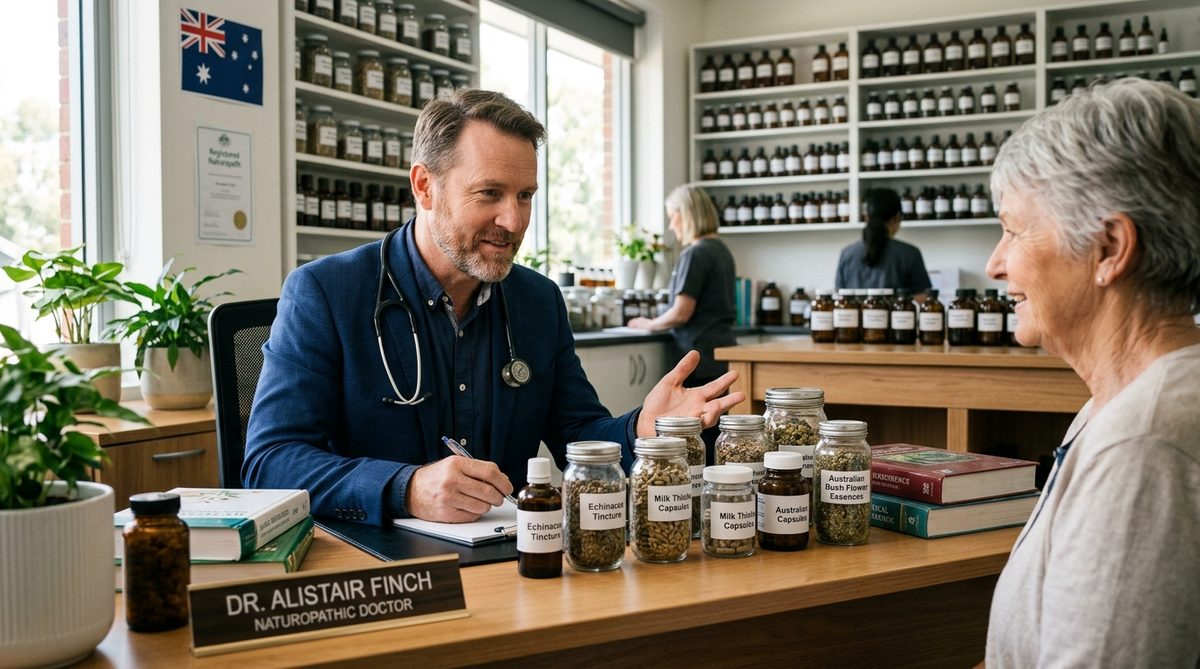
No. In Australia, practising naturopathy or using the title “doctor” does not make a naturopath a registered medical doctor. Medical doctors must meet national registration rules and appear on the official practitioner register. Naturopaths may have useful training in food, lifestyle support and herbal medicine, but naturopathic training alone does not give them the legal status or regulated scope of a medical practitioner.
Check a practitioner’s qualifications and registration before you accept medical claims. Treat naturopathy as extra support, not a substitute for medical diagnosis or urgent care. See a registered medical practitioner for serious symptoms, pregnancy concerns, a diagnosis or decisions about medicine.
What does “real doctor” mean in the Australian health system?
In everyday talk, “real doctor” usually means a registered medical doctor. That person has completed recognised medical education, met registration standards and remains under formal oversight.
The Australian Health Practitioner Regulation Agency works with national boards to manage registered health professions. The Medical Board of Australia sets the registration standards and codes that medical practitioners must follow. You can find registered doctors on the public national register.
That gives you a simple test. If someone says they’re a medical doctor, search their name on the official register and read the profession listed beside it. A clinic website, membership badge or certificate on the wall can’t replace this check.
Some practitioners have a doctorate or use “Dr” for another academic reason. The title itself doesn’t prove medical registration. What matters is whether the person is registered in the medical profession, not how grand the words beside their name sound. doctorate or use "Dr" for another academic reason
Where does naturopathy fit within health care?
Naturopathy is a complementary health practice. It often mixes food advice, lifestyle changes, supplements and plant-based products. Services differ because practitioners don’t all have the same education or use the same methods.
Australian research shows that naturopathy has a strong public presence. A 2018 review estimated that more than 4,000 naturopaths were practising in Australia during 2017, with about 4.9 million consultations each year. Those numbers show wide public use. They don’t mean naturopaths have the same registration, authority or clinical training as medical doctors.
Earlier workforce research called Australian naturopathy and Western herbal medicine an unregulated workforce. It estimated about 1.9 million consultations each year and found that up to one-third of practitioners worked in clinics with registered health workers. Working beside a doctor, nurse or other registered health professional does not pass that person’s registration to the naturopath.
Many articles miss this point. Popularity shows demand, not legal status. A large client base may show that people value a service, but it can’t prove that the service is regulated as medicine.
How is a naturopath different from a medical doctor?
The biggest difference is the legal and clinical system around the work. Medical doctors enter a nationally regulated profession. They must meet set rules for education, registration, conduct and ongoing practice, while formal systems deal with complaints, restrictions and discipline.
Naturopaths may complete a great deal of complementary-health study, but their training can vary between courses and providers. A national investigation found mixed training standards, many professional associations and gaps in self-regulation. So it’s harder for patients to judge skill from the word “naturopath” alone.
A medical doctor can assess symptoms within a regulated medical scope, order or read suitable tests, diagnose disease and prescribe restricted medicines when authorised. A naturopath usually focuses on lifestyle, food and complementary products. They should refer someone when symptoms or treatment choices sit outside their skills.
This doesn’t mean every medical visit will be good or every naturopathic visit will be poor. The difference lies in registration, regulated authority and public safeguards. It remains even when a naturopath has many years of experience.
Does accreditation make a naturopath medically registered?
No. Accreditation and medical registration aren’t the same thing.
A training course may be accredited by an education body. A practitioner may also join a professional association that has entry rules. These checks can reveal something about their education or membership, but neither one makes them a registered medical doctor.
Association membership may require insurance, ongoing study or a code of conduct. Yet standards can differ between associations. Research into Australian naturopathy found numerous associations and flaws in the self-regulation model. A badge should spark more questions, not finish the check.
Ask for the course’s full name, the school that awarded it and the year it was finished. Check whether the stated qualification can be confirmed. Then search the national practitioner register if the person claims to have any registered health status.
Here’s an often-missed detail: even a real certificate can be misunderstood. The qualification may be genuine while the patient’s idea of what it means is wrong. A naturopathic degree proves that someone completed that course. It does not turn them into a medical practitioner.
What care can a naturopath reasonably provide?
A naturopath may help a client look at eating patterns, sleep habits and other daily factors tied to wellbeing. Some provide herbal medicine or nutrition products. Their advice should stay within their training and take account of medical conditions and current treatment.
A useful consultation should have clear limits. The practitioner should say what they can assess, what evidence backs the suggested approach and when a medical referral is needed. They shouldn’t promise a cure or present an unproven idea as a diagnosis.
Think of someone with ongoing tiredness who wants food and sleep advice. A naturopath may help track their meals and daily habits. But tiredness can also occur with anaemia, infection, thyroid disease or another medical problem, so medical assessment is safer than assuming a supplement plan explains or fixes it.
That’s the right place for complementary care. It can support daily habits once serious causes have been considered. It should never delay a diagnosis.
When should medical care come first?
Medical care comes first when symptoms are severe, sudden, getting worse or unexplained. Call emergency services for chest pain, severe trouble breathing, signs of stroke, major bleeding, loss of consciousness or a severe allergic reaction.
Book a medical assessment for a new lump, lasting fever, unexplained weight loss, ongoing pain or a major change in normal body function. Pregnancy symptoms, concerns about a baby or child, and changes to prescribed medicine also need care from a properly registered practitioner.
Don’t stop prescribed treatment because a complementary practitioner offers another view. Talk to the prescriber or a different registered doctor first. Stopping some medicines without a safe plan can lead to withdrawal, loss of disease control or other harm.
A careful naturopath will know these limits and refer you. Referral is a sign of sound professional conduct. Trying to handle every condition in one clinic isn’t.
Why do herbal products still need safety checks?
“Natural” doesn’t mean harmless. Herbs and supplements can cause side effects, change test results or interact with medicines. Product strength may vary too.
Australian workforce research reported recorded adverse events linked with herbal, nutritional and homoeopathic products. This does not prove that every product is unsafe. It does show why training, product checks and referrals matter.
Before taking a product, give the practitioner a full list of your medicines and supplements. Include drugs bought over the counter. Ask them to write down the product name, dose, purpose and planned length of use.
Tell your doctor and pharmacist what you take, especially before surgery or while managing a long-term condition. Take extra care during pregnancy, breastfeeding and treatment with medicines that have narrow dosing limits.
How can you check a practitioner before booking?
Start with their identity and registration. If they claim to belong to a registered health profession, search their full name on the Australian Health Practitioner Regulation Agency public register. Read the profession field and look for any conditions or restrictions.
Next, check the naturopathic qualifications for what they are. Confirm where and when the person trained. Ask which professional association they belong to, then check their membership with that association.
Now look closely at the service on offer. The clinic should clearly state its limits, fees and referral process. Health claims should fit the practitioner’s real role. Be wary when a profile muddies the line between complementary support and medical care.
Ask these questions before paying:
- Are you registered with the Medical Board of Australia as a medical practitioner?
- What naturopathy qualification do you hold, and who awarded it?
- How will you work with my medical doctor or other health professional?
- Could the proposed product interact with my medicines?
- Which symptoms would make you refer me for medical assessment?
Clear answers help you make an informed choice. Vague or evasive ones are a reason to pause.
Can naturopathic and medical care work together?
Yes, as long as each practitioner stays within their role and the patient gives informed consent. Someone may get medical diagnosis and treatment while also seeking lifestyle support from a naturopath.
Good teamwork depends on correct information. Give each practitioner an up-to-date list of treatments, test results, medicines and complementary products. When helpful, ask the naturopath to send your doctor a written summary.
Research found that some naturopaths already worked in multidisciplinary clinics beside registered practitioners. Being in the same building doesn’t guarantee teamwork, so ask how they share records, referrals and treatment concerns.
The goal is one safe care plan. Competing plans become risky when neither practitioner knows what the other has advised.
What should you do before choosing naturopathic care?
- Search the official national register for any claimed medical or registered status.
- Check the practitioner’s education and current association membership.
- See a medical doctor for diagnosis, serious symptoms and medicine decisions.
- Share your full treatment and supplement list with every practitioner involved.
- Leave if the practitioner promises cures, discourages medical care or asks you to stop prescribed treatment without involving the prescriber.
Take one step now: search the practitioner’s full name on the official Australian register before you book or follow any medical advice.Sources

What Are 10 Signs That My Body Is Healthy?
Read article →
How to Tell if Your Body Is Unhealthy?
Read article →
What Are Signs of Poor Function Health?
Read article →
What Are Some Weird Signs That My Body Is Healthy?
Read article →
What Are Five Signs That I Might Not Be Healthy?
Read article →