At What Point Is Sleep Apnea Considered Severe?
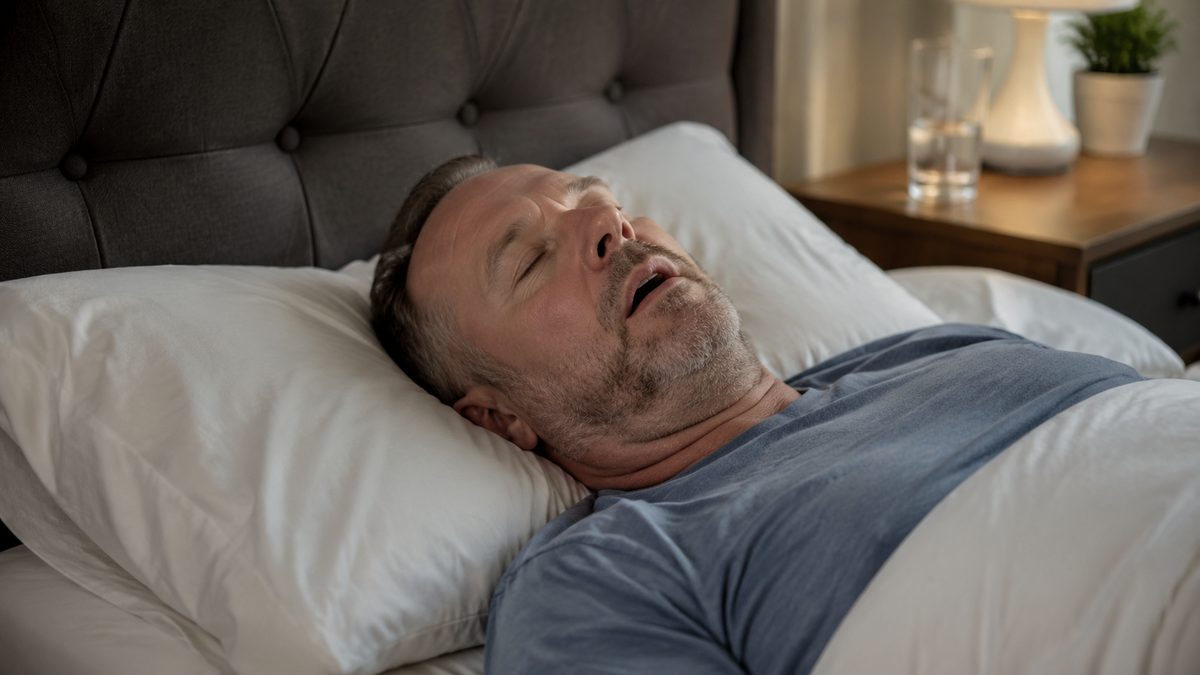
Sleep apnea is considered severe when your breathing stops or becomes shallow 30 or more times per hour during sleep. Medical professionals call this measurement the Apnea-Hypopnea Index. If you stop breathing 30 times or more every hour, your body goes without enough oxygen all night. This constant lack of air puts extreme stress on your heart, brain, and other vital organs.
How do doctors measure the severity of sleep apnea?
To find out the severity of your sleep apnea, doctors use a diagnostic test called a sleep study. This test tracks your brain waves, muscle movements, heart rhythms, and blood oxygen levels while you sleep. The key metric they look for is the Apnea-Hypopnea Index, or AHI.
This index measures two events: apneas and hypopneas. An apnea occurs when you stop breathing completely for 10 seconds or longer. A hypopnea is a partial blockage of your airway. During a hypopnea, your airflow drops by at least 30 percent, and your blood oxygen level falls. Doctors calculate your score by taking the total number of these events and dividing it by the hours you slept.
An index score below 5 is normal. An index of 5 to 15 indicates mild sleep apnea. An index of 15 to 30 indicates moderate sleep apnea. Any score of 30 or higher means you have severe sleep apnea.
If your score is 30, you stop breathing or have shallow breathing at least once every two minutes. In my practice, I have seen patients with scores over 80. This means their sleep is interrupted more than once every minute.
How do I know if my sleep apnea is severe?
You do not need to wait for a sleep study to spot warning signs of severe sleep apnea. The daily symptoms are often intense. You will feel an overwhelming urge to sleep during the day. This is not normal tiredness. It is a deep exhaustion that makes it hard to focus on basic tasks.
One of my clients, David, realized his condition was severe when he fell asleep while waiting at a red light. He also struggled to stay awake during important work meetings. At night, his partner noticed loud, uneven snoring followed by long periods of silence. These silent phases are the moments when breathing stops. They usually end with a loud gasp, choke, snort, or body movement as the brain wakes the body up to take a breath.
Other symptoms include waking up with a very dry mouth or a sore throat. Morning headaches, daytime sleepiness, frequent waking, and loud snoring are classic signs. If you wake up multiple times during the night to urinate, this is another common indicator. The physical effort of trying to breathe creates pressure in your chest. This pressure signals your kidneys to release water, waking you up to use the bathroom.
What is the 4% rule for sleep apnea?
The 4% rule is a strict standard that sleep clinics use to define a hypopnea event. Under this rule, a partial airway blockage only counts if it causes your blood oxygen level to drop by 4 percent or more.
Insurance providers use this rule to decide if they will pay for your treatment. If your oxygen levels only drop by 3 percent, those events might not count toward your final score. This rule causes frustration for many patients.
What I found was that some people still feel terrible even if their oxygen only drops by 3 percent. I know this because one of my clients, Susan, had many breathing drops that only lowered her oxygen by 3 percent. Because of the 4% rule, her sleep study report showed mild sleep apnea. Yet, she felt completely exhausted every day. Her body was still waking up to breathe, but the insurance company refused to pay for her treatment. Some clinics use a 3% rule instead, which catches more cases.
What is the 70 rule for CPAP?
The 70 rule is a compliance standard used by health insurance companies. It states that you must use your continuous positive airway pressure machine for at least 4 hours per night on 70 percent of the nights. This usage is tracked over a consecutive 30-day period.
Insurance companies check this data to make sure you are actually using the therapy they paid for. Modern CPAP machines contain built-in cellular modems that send usage data directly to your medical provider.
If you do not meet this standard, your insurance company might stop paying for the machine. They may demand that you return the device or pay for it out of your own pocket. Many of my clients struggle with this rule early on. They find the mask uncomfortable, or they rip it off during the night without realizing it.
I remember when a client named Robert almost lost his machine. He only managed to use it for three hours a night because the air pressure felt too strong. We had to work on breathing exercises and adjust his mask fit to help him hit the 70 percent target.
What is the new pill for sleep apnea?
Researchers are testing a new oral medication called AD109. This pill combines two existing drugs: atomoxetine and oxybutynin. Atomoxetine is a drug normally used to treat ADHD. It increases norepinephrine in the brain, which helps keep the muscles in your airway active. Oxybutynin is a drug used for overactive bladder. It prevents the tongue and throat muscles from relaxing too much during sleep.
When you take this pill before bed, the drugs work together to keep your airway open. Early clinical trials show that this combination can reduce the severity of sleep apnea by half for many patients. However, this pill is not a complete cure.
Some people experience side effects like dry mouth, difficulty urinating, constipation, and an increased heart rate. Patients often prefer pills over masks, but the long-term safety of this drug combination is still under review by medical authorities.
What is the difference between obstructive and central sleep apnea?
Sleep apnea falls into different categories. You might have the obstructive type. You could also have the central type, or a mixed combination of both. The most common type is obstructive sleep apnea. This happens when the muscles at the back of your throat relax. The soft tissue collapses, closing the airway completely.
The second type is central sleep apnea, which is a neurological issue. In this case, your airway is actually open. However, your brain fails to send the correct signals to the muscles that control your breathing. The respiratory center in your brain stem temporarily stops working.
Patients with central sleep apnea often wake up suddenly without snoring. They describe a feeling of forgetting to breathe. One of my clients, Leo, had mixed sleep apnea. His sleep study showed that his throat collapsed, but his brain also stopped sending breathing signals when his oxygen levels dropped. Treating mixed sleep apnea is more complex because you must address both the physical blockages and the neurological signals.
How does throat anatomy affect sleep apnea severity?
Your physical structure plays a massive role in whether your sleep apnea becomes severe. A narrow throat, a thick neck, nasal polyps, or a low hanging soft palate can block air flow. Tonsils and adenoids can also block the airway. A deviated septum or narrow nasal passages force you to breathe through your mouth. When you breathe through your mouth, your jaw drops back. This movement pushes your tongue into your throat, which worsens the blockage.
Doctors measure these physical features using a scale called the Mallampati score. This score ranks the space in your oral cavity from class 1 to class 4. A class 4 rating means your soft palate is barely visible because your tongue blocks the view. People with a class 4 airway are at a much higher risk for severe sleep apnea.
One of my clients, Clara, had large tonsils and a small lower jaw. These anatomical features meant she had very little space in her throat. Even when she was at her ideal weight, her airway collapsed easily. She needed surgical options to widen her throat before she could breathe comfortably at night.
How does severe sleep apnea affect your physical health?
Severe sleep apnea causes damage to your cardiovascular system. Every time your airway closes, your brain detects a lack of oxygen. It releases stress hormones like adrenaline to wake you up. These hormones cause your heart rate to spike and your blood pressure to surge.
This repetitive stress damages the lining of your blood vessels. Over time, this leads to chronic high blood pressure. It also increases your risk of heart attacks, strokes, kidney disease, or diabetes. The lack of oxygen also affects your metabolism. Severe sleep apnea is linked to insulin resistance, making it difficult for your body to process sugar.
The strain on your heart can lead to an irregular heart rhythm. The right side of your heart must work harder to pump blood through your lungs. This constant strain can cause the heart muscle to stretch and weaken.
Can weight loss resolve severe sleep apnea?
Weight loss can help reduce the severity of sleep apnea, but it does not always cure the condition. When you carry extra weight, especially around your neck, it puts pressure on your airway. This pressure makes the throat more likely to collapse when your muscles relax during sleep.
Medical studies show that losing 10 percent of your body weight can improve your breathing score. For some people, this change moves them from severe sleep apnea to a moderate or mild level. However, weight loss is not a guaranteed fix. Some people have a narrow airway due to their bone structure. If you have a small lower jaw or a large tongue, you may still experience airway blockages even at a low body weight.
One of my clients, Marcus, lost 40 pounds but still snored loudly and felt tired. His sleep study showed he still had moderate sleep apnea. His issue was caused by a narrow throat structure rather than excess weight.
What natural support options exist for severe sleep apnea?
While medical devices are standard for severe cases, natural options can help strengthen your body and improve tissue health. Homeopathy is one approach that focuses on your individual symptoms and physical makeup.
When we look at sleep apnea from a natural perspective, we examine the tone of the muscles in your throat. Specific homeopathic remedies target the swelling of the nasal passages and the laxity of the soft palate. For example, some remedies are selected for people who choke the moment they fall asleep. Other remedies are used when a person has chronic nasal congestion that forces them to breathe through their mouth.
By addressing these specific symptoms, you can improve your breathing comfort. This approach works alongside standard treatments to support your overall airway health. It helps reduce the inflammation in your nose and throat, making it easier to tolerate your breathing machine.
Frequently Asked Questions
Can severe sleep apnea cause sudden death?
Yes, severe sleep apnea increases the risk of sudden cardiac death. The danger is highest during the night when oxygen levels drop lowest. This sudden drop can trigger a fatal heart rhythm.
Can I use a mouthguard for severe sleep apnea?
Mouthguards, or oral appliances, are usually recommended for mild to moderate sleep apnea. They work by pulling your lower jaw forward to open the airway. They are rarely enough to treat severe sleep apnea on their own, but they can be used if you cannot tolerate a CPAP machine.
Does sleeping on your side cure severe sleep apnea?
Sleeping on your side helps keep your tongue from falling backward into your throat. This can reduce the number of breathing stops. However, side sleeping will not cure severe sleep apnea because the airway tissues will still collapse when you enter deep sleep.
How long can you live with untreated severe sleep apnea?
Untreated severe sleep apnea shortens your lifespan. It increases the risk of stroke, heart attacks, diabetes, or car accidents. Many people live for years with the condition, but their quality of life and cardiovascular health degrade steadily.
Action steps to take
To manage severe sleep apnea, you must take active control of your sleep health. Start with these concrete steps:
- Schedule an in-lab sleep study to get an accurate measurement of your AHI score.
- Ask your doctor to check your oxygen saturation levels during the test.
- Measure your neck circumference to see if physical pressure is contributing to the airway collapse.
- Consult a homeopath to explore remedies that address nasal congestion and throat tissue tone.
Get a professional sleep study to find your exact AHI score before you select a treatment plan.

What Are 10 Signs That My Body Is Healthy?
Read article →
How to Tell if Your Body Is Unhealthy?
Read article →
What Are Signs of Poor Function Health?
Read article →
What Are Some Weird Signs That My Body Is Healthy?
Read article →
What Are Five Signs That I Might Not Be Healthy?
Read article →