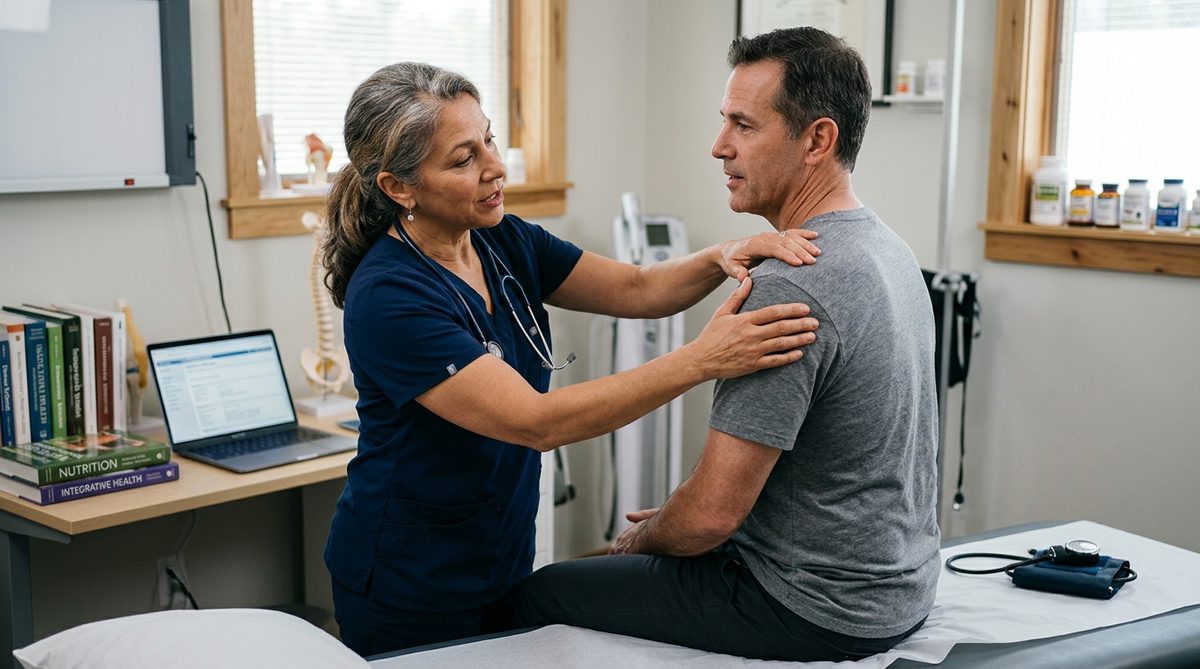
Can Anyone Call Themselves a Naturopath in Australia?
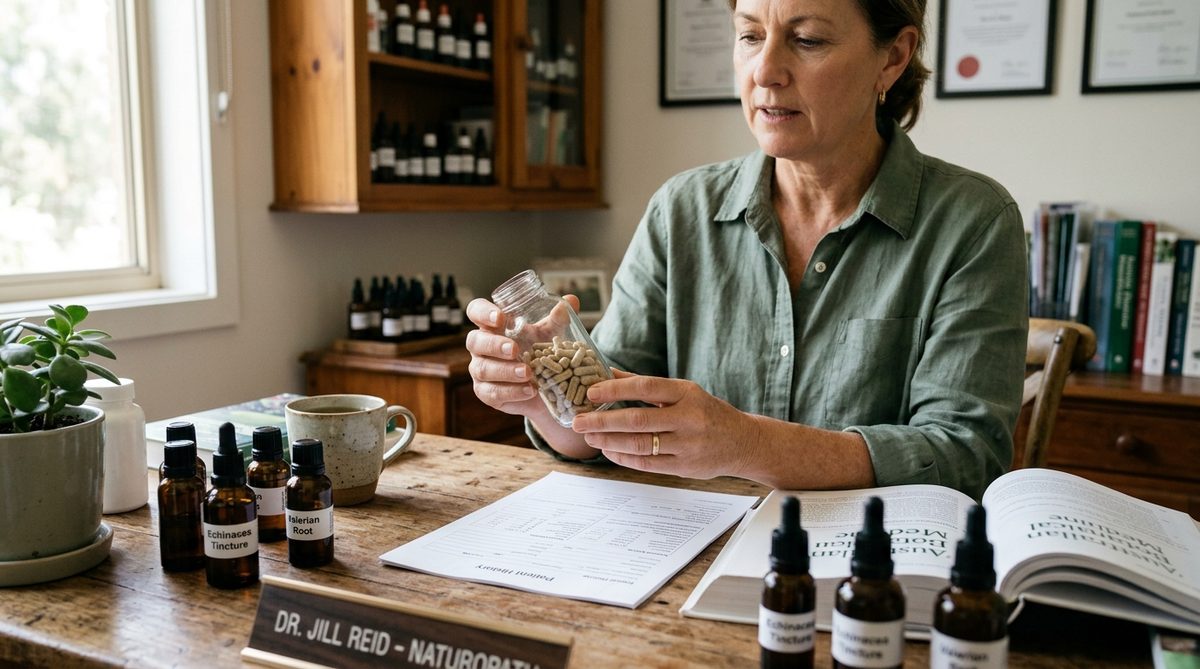
Yes, in general, a person can call themselves a naturopath in Australia because the title is not protected under the national practitioner registration system. But that doesn't give them free rein to mislead patients, make false health claims, or provide unsafe care. Other rules still cover advertising, conduct, products, privacy, and consumer rights.
This makes things hard for patients. Two people may use the same title yet have very different levels of training.
One may have finished several years of formal study and joined a recognised industry body. Another may have taken a short online course. The word on the clinic door won't tell you which person you're dealing with.
The safest approach is to see the title as a starting point, not proof of skill. Check the person's education, membership status, Insurance, referral process, and complaint pathway before you book.
Why is the title open for people to use?
Naturopathy is an unregistered health occupation in Australia. There is no national government register that limits the title to people who meet one set education standard. That's different from regulated professions whose titles are protected by national registration rules.
The Australian Health Practitioner Regulation Agency works with national boards for registered professions. It doesn't keep a public register of naturopaths.
If a search shows no naturopath registration, that doesn't prove misconduct. It means naturopaths sit outside that registration scheme unless the person is also registered in another profession.
This difference is easy to miss. A business website may look polished and use clinical terms. But that doesn't make its owner a registered Health professional.
Registration, formal education, association membership, and business branding are separate facts.
The rules don't make Naturopathy unlawful either. A trained practitioner may offer naturopathic services within the limits of the Law. The weak spot is simple: the title alone tells patients little about how well the person has been trained.
Does using the title give a practitioner legal authority?
No. Calling yourself a naturopath doesn't grant the powers held by registered practitioners. It doesn't let someone use a protected professional title, issue a document reserved for another profession, or claim registration they don't hold.
National registration law protects certain titles tied to registered health professions. A naturopath must avoid words, symbols, and descriptions that could make a reasonable patient think they hold a registration or qualification they lack. protected professional title
Context matters. A single word can become misleading when it appears beside medical images, claims about specialist care, or a registration logo.
A practitioner must also stay within their real skills. A certificate doesn't make every treatment safe. A careful naturopath should know when a health concern needs medical assessment and refer the patient without delay.
Chest pain, severe breathing trouble, sudden weakness, heavy bleeding, or a serious allergic reaction shouldn't be treated as routine wellness concerns.
Consider a patient who reports new one-sided weakness during a consultation. Changing supplements and waiting until the next appointment could delay urgent care.
The right response is to stop the consultation and direct the patient to emergency help. An open title never removes the duty to act safely.
What stops an unqualified person from misleading patients?
Australian Consumer Law applies when practitioners advertise and sell services. Their claims must not mislead or deceive consumers. A person can't invent qualifications, falsely claim professional recognition, or promise results without a sound basis.
This protection goes beyond written ads. It may cover clinic websites, booking pages, social posts, package names, testimonials, and statements made during a sales call. Even a technically true claim can mislead if key facts are hidden.
For example, calling a practitioner “certified” tells a patient very little unless the clinic says who issued the certificate and what study was needed. A weekend course and a degree-level program aren't equal just because both give out a certificate.
If the full message gives a false view of the person's expertise, Consumer protection rules may apply.
Health claims need special care. A practitioner shouldn't say a product cures cancer, replaces prescribed medicine, or guarantees pregnancy unless the claim is lawful and backed by strong evidence. Small-print disclaimers won't fix a bold false promise at the top of the page.
Products may also fall under separate therapeutic goods rules. A naturopath who sells supplements must still follow the rules for advertising and supply. The professional label doesn't create an exception.
Are conduct rules the same across Australia?
No. The States and territories of Australia manage many rules for health workers who aren't registered under the national scheme. Complaint bodies, investigation powers, and local steps can vary by location.
Several jurisdictions apply a statutory Code of conduct to unregistered health service providers. Such a code may call for safe and ethical care, clean premises, proper records, privacy safeguards, and quick referral when a case is beyond the practitioner's skill. It may also ban financial exploitation and false claims.
Authorities may investigate complaints and issue orders against unsafe providers where local laws allow it. An order may set conditions on practice or ban someone from providing health services. Depending on the laws involved, some decisions can reach beyond the place where the complaint began.
Patients should check the health complaints body in the state or territory where the service was supplied. This is especially important for telehealth.
The practitioner may work in one state while the patient sits in another. The right place to complain can depend on the facts and the laws of both places.
Don't assume that “unregistered” means “unregulated.” It means the person isn't governed by the same registration board as a doctor, nurse, or pharmacist. General business rules and local health complaint laws may still apply.
What does professional association membership prove?
Membership of a Professional association can be useful evidence, but it isn't government registration. Each association makes its own entry rules. These may cover approved education, ongoing study, first aid, Insurance, record keeping, and professional behaviour.
Good membership also gives patients a way to complain outside the clinic. An association may review a member's conduct and suspend or cancel their membership.
Its power only covers its own members. It can't replace a court, government regulator, or health complaints authority.
Check membership directly with the named association. Don't trust a logo copied onto a clinic website. Ask for the member's full name and current membership number, then check the association's directory or contact its office.
Look at the entry standard too. A listing means little if almost anyone can join.
Find out whether the association checks formal course content, supervised clinical work, and ongoing education. Those details tell you more than the badge itself.
How can you check a naturopath before paying?
Start with the exact qualification. Ask for the course name, education provider, study length, and year completed. A clear answer should be easy to give.
Vague phrases such as “internationally trained” or “board certified” need more checking.
Then verify the claims instead of gathering more of them. Use the education provider's official records where possible. Confirm association membership with the association.
If the practitioner says they're also part of a registered profession, search the public national register under their legal name.
Ask whether the practitioner has current professional indemnity and public liability Insurance. Request the insurer's name and proof that the policy covers the services on offer.
Insurance doesn't prove that a treatment works. Still, refusing to discuss cover is a warning sign.
Read the consent and complaint documents before your first consultation. They should cover fees, cancellations, privacy, record handling, treatment limits, and where to complain. Don't pay for a long package if the clinic won't give you clear written terms.
Use this check before booking:
- Get the practitioner's full legal name and exact qualification.
- Confirm where and when the course was completed.
- Verify any current association membership.
- Check claimed registration in another health profession.
- Ask for the clinic's complaint process and insurance details.
- Read refund terms before paying for a package.
A responsible practitioner will answer without pressure. Urgency tactics, such as a discount that expires during the call, can rush patients past checks they'd normally make.
Which warning signs matter most?
The clearest warning sign is a claim that tells you there's no need to think. Guarantees, secret cures, or claims that one plan treats almost every illness deserve a close look. So does advice to stop prescribed medicine without first speaking to the prescriber.
Be careful when a clinic won't name the practitioner's qualification or course provider. Words such as “accredited,” “licensed,” and “registered” need context.
Ask who gave them that status and whether it's government registration, private membership, or a course certificate.
Watch for fear-based sales. A clinic shouldn't use an unverified test result to scare a patient into buying a large supplement package.
The person reading the test should explain its limits, other possible causes, and when standard medical testing is needed.
Financial conflict is another issue people miss. A practitioner who makes money from every product sold has an interest in recommending more products.
That doesn't make every recommendation wrong. But the clinic should disclose the link and explain why each item is suggested.
Long prepaid plans also add risk. A patient may find after one visit that the service isn't suitable, then face strict refund terms. Pay for an initial consultation first unless the written package terms offer a fair way out.
What should a safe first consultation look like?
The practitioner should take a clear health history, ask about current medicines, and explain what the service can and can't do. Consent should happen before treatment, not after payment has locked the patient into a plan.
A naturopath shouldn't present a wellness opinion as a medical diagnosis when they lack the authority or skill to make that diagnosis. They should say when a suggested method has weak evidence. Clear limits build trust and help the patient make an informed choice.
Supplements need checking too. “Natural” doesn't mean harmless.
Products can interact with medicines, cause allergic reactions, or create risks during pregnancy and surgery. The practitioner should record what the patient takes and check for known concerns.
Imagine a patient taking warfarin who is offered several herbal products without any medicine review. The problem isn't the number of bottles.
The issue is that some products can change bleeding risk. A safe consultation catches that before a sale.
The patient should leave knowing the plan, cost, review date, expected limits, and signs that call for other care. Records should match what was discussed. Surprise charges and unexplained product changes weaken informed consent.
Where can a patient complain?
Raise a billing or service problem with the clinic first when it's safe to do so. Put your concern in writing and keep copies of ads, receipts, consent forms, messages, product labels, and clinical documents you lawfully hold.
For unsafe conduct, contact the health complaints authority in the relevant state or territory. If advertising or sales seem misleading, a state consumer agency or the Australian Competition and Consumer Commission may offer guidance. Concerns about product advertising may belong with the Therapeutic Goods Administration.
If the practitioner belongs to an association, use its complaint process as another route. If the person claims registration in another profession, the relevant national board and the Australian Health Practitioner Regulation Agency may also need to know.
Get urgent medical help if harm is happening now or symptoms are severe. A complaint process can look at past conduct, but it can't provide emergency treatment.
What is the single best way to protect yourself?
Check the person behind the title. The word “naturopath” doesn't confirm one national training standard, government registration, or the right to make every health claim. Education, current membership, safe conduct, clear consent, and a real complaint pathway are better signs.
Before booking, ask for the practitioner's exact qualification and verify it with the education provider or professional body.

What Are 10 Signs That My Body Is Healthy?
Read article →
How to Tell if Your Body Is Unhealthy?
Read article →
What Are Signs of Poor Function Health?
Read article →
What Are Some Weird Signs That My Body Is Healthy?
Read article →
What Are Five Signs That I Might Not Be Healthy?
Read article →