Can I Bring Ayurvedic Medicine to Australia? What You Need to Know Before You Pack
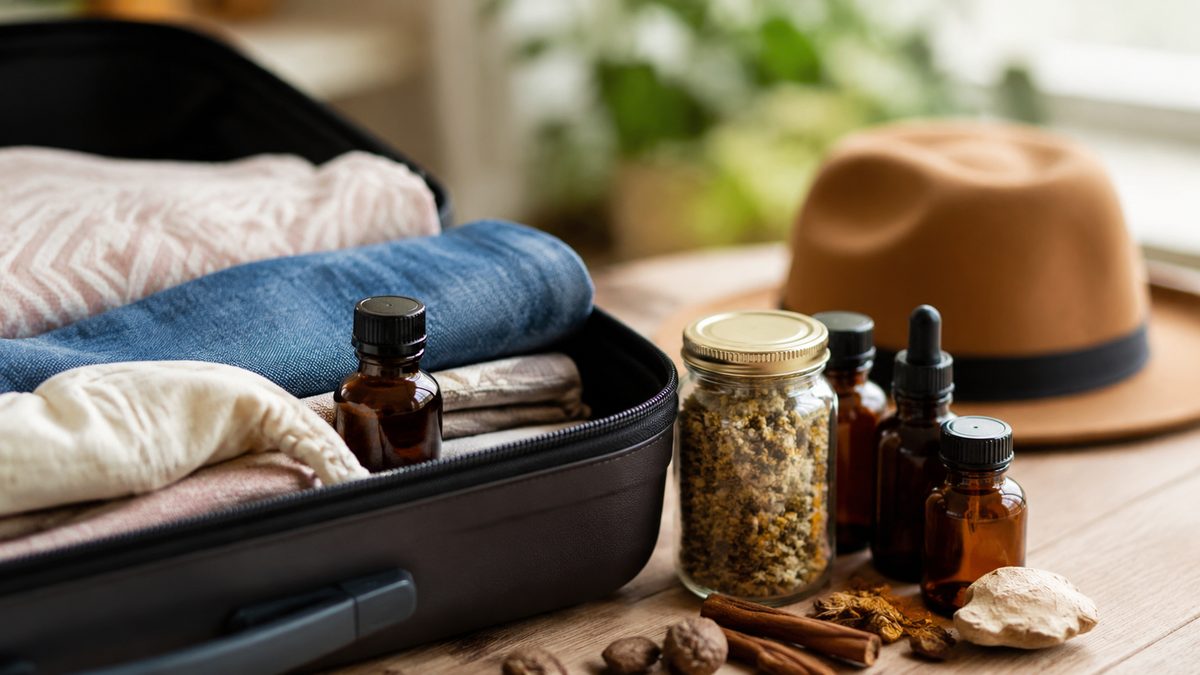
Yes, you can bring Ayurvedic medicine to Australia, but not without conditions. Australia has some of the strictest biosecurity laws in the world, and herbal and traditional medicines sit in a grey zone that catches a lot of travellers off guard at the border.
Small personal-use quantities of many Ayurvedic preparations are allowed in. But certain ingredients, labelling issues, and undeclared goods can get your remedies confiscated, destroyed, or worse. Understanding medication rules mirrors broader challenges with bringing medications across borders.
Here's what actually happens at the border, what the rules mean in practice, and how to bring your medicines through without losing them.
What Does Australian Customs Actually Check For?
The Australian Border Force (ABF) and the Department of Agriculture, Fisheries and Forestry (DAFF) both have a say in what comes through. They're not specifically targeting Ayurvedic medicine. They're looking for biological risk: plant material, animal products, and soil that could carry pests or disease into Australia.
Ayurvedic preparations often contain dried herbs, roots, powders, and resins. These fall directly into the categories biosecurity officers screen for. A tablet that looks like a pharmaceutical product may still contain plant material that must be declared.
The rule is simple: declare everything. If you're unsure whether something needs to be declared, declare it anyway. Failing to declare is what creates serious problems, not the item itself.
One of my clients flew back from India with a bag of herbal powders she'd been using for years. She didn't declare them because she assumed they were obviously food-safe herbs. They were confiscated at Melbourne Airport. The herbs themselves were probably fine. The failure to declare was the issue. She lost three months of supply in under five minutes.
Is Ayurvedic Medicine Allowed in Check-In Baggage?
Yes. Ayurvedic medicine can travel in checked baggage or carry-on. There are no aviation rules specifically banning herbal preparations from either. The restrictions that apply are about quantity, ingredients, and declaration, not about which bag you put them in.
Liquids and oils in carry-on luggage follow the standard 100ml per container rule enforced at security. So if you're carrying Ayurvedic oils or liquid tonics, keep them under 100ml for carry-on or pack them in checked baggage.
Tablets, capsules, and powders in reasonable quantities travel fine in either bag. Keep them in original packaging where possible. If a biosecurity officer wants to know what something is, original labelling answers that question quickly.
What Medicines Are Not Allowed Into Australia?
Several categories create real problems at the Australian border.
Products containing endangered species. Some traditional Ayurvedic formulas historically used animal-derived ingredients, including musk, certain minerals processed with animal bile, or plant species listed under CITES (the international wildlife trade treaty). Australia enforces CITES strictly. If a product contains any listed species, it requires a permit or will be seized.
Products containing scheduled substances. The Therapeutic Goods Administration (TGA) regulates what can enter Australia as a therapeutic good. Some herbs used in Ayurveda, including certain aconite preparations, are controlled or prohibited. Heavy-metal-containing preparations are a known risk area here.
Heavy metal formulations. This is the issue most articles skip. A category of traditional Ayurvedic preparations called Rasa Shastra uses purified metals and minerals, including mercury, arsenic, lead, and gold. These have been used for centuries in classical Ayurveda under very specific preparation protocols. In Australia, products containing these substances at detectable levels can be seized by the TGA as unsafe therapeutic goods. Several imported Ayurvedic products have failed TGA testing for heavy metal content over the years.
If you're carrying these preparations, the risk of confiscation is real.
Products making therapeutic claims without TGA registration. Any product brought in for personal use in small quantities usually passes. But if you're carrying large quantities, or if there's any evidence the goods are for resale or distribution, customs will treat them as a commercial import subject to full TGA compliance requirements.
How Much Can You Bring In?
Australia allows travellers to bring in therapeutic goods for personal use under what is called the personal importation scheme. The standard allowance is a three-month supply for yourself and any immediate family members travelling with you.
Go over that quantity and you cross into commercial import territory. At that point, TGA registration, import permits, and compliance documentation become relevant, and most Ayurvedic products imported informally won't have those.
Stick to a three-month supply or less, keep products in original packaging, and carry a copy of any prescription or practitioner recommendation if you have one. That combination solves most problems before they start.
Is Ayurveda Valid in Australia?
Ayurveda is practised legally in Australia. There's no law preventing Ayurvedic practitioners from working here or people from consulting them. But Ayurveda is not a government-registered health profession in Australia, which means practitioners are not regulated the way medical doctors or physiotherapists are.
This matters for imported medicines because there's no automatic recognition of an Ayurvedic practitioner's prescription the way there would be for a pharmaceutical prescription. A letter from your Ayurvedic practitioner explaining your treatment is still useful to carry. It demonstrates personal medical use, which supports the personal importation argument. But it doesn't grant the same legal standing as a registered medical prescription.
Ayurvedic products sold commercially in Australia do exist, but they must be either listed or registered on the Australian Register of Therapeutic Goods (ARTG) maintained by the TGA. Listed products carry an AUST L number. Registered products carry an AUST R number. Products sold here without either are technically not legal therapeutic goods.
When I've worked with clients navigating this, the practical reality is that many people use Ayurvedic preparations sourced from practitioners or shops operating in a community context. But from a formal regulatory standpoint, the TGA framework applies.
Is Herbal Medicine Allowed in Australia?
Herbal medicine is allowed in Australia, both to bring in for personal use and to purchase locally. Australia has a substantial herbal medicine industry, and many Western herbal, Chinese herbal, and Ayurvedic products are commercially available here through health food stores, pharmacies, and practitioner channels.
The same personal importation rules apply to herbal medicine as to other therapeutic goods. Three-month personal supply, declared at the border, in original packaging.
The biosecurity layer adds one more step for herbal products. Because herbs are plant material, they must be declared on your incoming passenger card. An officer may inspect them. If they're processed (tablets, capsules, sealed commercial products), they usually pass without issue. Raw, loose, or unprocessed plant material gets more scrutiny and is more likely to be held or confiscated depending on the species.
I remember one of my clients bringing in a loose herbal blend she'd mixed herself at home in Sri Lanka. No labelling, no list of ingredients, presented in a zip-lock bag. It was confiscated on the spot. Even if every ingredient was perfectly legal, there was no way for an officer to assess that quickly. Packaging and labelling aren't just bureaucratic requirements. They're what gets your medicine through.
What Most People Get Wrong About This
Three things trip people up that most travel guides miss entirely.
First: assuming that natural means automatically allowed. Biosecurity law doesn't make that distinction. A dried root is a dried root. A plant is a plant. The fact that something is traditional or natural doesn't place it outside Australia's import screening. If anything, natural plant-based products are exactly what biosecurity is designed to screen.
Second: not knowing about Rasa Shastra products. Classical Ayurveda includes metal and mineral preparations that have genuine therapeutic traditions behind them. But Australia's TGA has specific limits on heavy metals in therapeutic goods. These aren't arbitrary limits. Lead, mercury, and arsenic are toxic at sufficient doses. The preparation methods in traditional Ayurveda are meant to detoxify them, but those methods aren't recognised or verified within the Australian regulatory system.
If you're using these preparations, talk to your practitioner before flying, and know there's a real chance they won't make it through customs.
Third: the difference between checked baggage and declaration. Putting something in checked baggage doesn't hide it or exempt it from declaration. X-ray machines, detector dogs, and random physical inspections mean checked baggage isn't a workaround. You must declare on your passenger card regardless of where the item is packed.
How to Prepare Before You Travel
The steps that actually work are practical and straightforward.
- Keep all Ayurvedic medicines in their original commercial packaging with ingredient lists visible.
- Carry a typed list of everything you're bringing, with product names and quantities.
- If you have a letter or note from your Ayurvedic practitioner, bring it. It doesn't guarantee entry but it demonstrates legitimate personal use.
- Declare everything on your incoming passenger card. Write it down. Let the officer assess it. Most personal-use herbal products clear inspection without any problem once declared.
- Check the TGA's personal importation guidelines before departure if you're carrying anything unusual.
- Avoid carrying loose, unlabelled, or self-mixed preparations. They create unnecessary friction.
What I found was that clients who prepared this way almost never had issues. Clients who assumed their medicines would pass invisibly through checked baggage were the ones who lost things.
FAQ
Do I need a prescription to bring Ayurvedic medicine into Australia?
No formal prescription is required for personal-use quantities. A practitioner's letter helps explain the purpose of the medicine but is not legally required under the personal importation scheme.
Can I mail Ayurvedic medicines to Australia from overseas?
Yes, but the same personal importation rules apply. Packages are screened by customs. Undeclared or non-compliant goods can be seized. Small personal-use quantities from reputable suppliers in original packaging usually pass.
Are there Ayurvedic products available to buy in Australia?
Yes. Many Ayurvedic products are sold through health food stores, Indian grocery stores, and online retailers operating in Australia. Products sold commercially here must meet TGA listing or registration requirements.
What happens if my Ayurvedic medicine is confiscated?
It's typically destroyed or returned at your expense. You won't be charged criminally for an honest declaration of personal-use quantities. Failure to declare is the action that triggers penalties.
Can I bring Ayurvedic oil or ghee into Australia?
Oils are generally lower-risk than raw plant material. Commercial, sealed, labelled Ayurvedic oils usually pass without issue. Ghee and other dairy-based preparations need to be commercially manufactured and sealed. Raw or homemade dairy products face stricter biosecurity scrutiny.
Is homeopathy also available in Australia for people interested in natural medicine?
Yes. Homeopathy is practised and available in Australia. Products and practitioners operate within the same general complementary medicine framework. Services like those at Homeopathy Plus provide consultations and remedies for people seeking natural health options.
What to Do Now
Before your next trip, go through every Ayurvedic product you plan to carry. Check the ingredients against the TGA's prohibited and restricted substances list. Make sure everything is in original packaging with a legible ingredient list. Write a simple inventory. Declare everything on arrival.
That process takes twenty minutes before you travel and saves you from losing medicines you depend on at a customs counter when you're already exhausted from a long flight.
Continue with the Homeopathy, naturopathy and related approaches collection.

What Are 10 Signs That My Body Is Healthy?
Read article →
How to Tell if Your Body Is Unhealthy?
Read article →
What Are Signs of Poor Function Health?
Read article →
What Are Some Weird Signs That My Body Is Healthy?
Read article →
What Are Five Signs That I Might Not Be Healthy?
Read article →