Can I Bring Blood Pressure Medicine to Australia? Your Complete Travel Guide
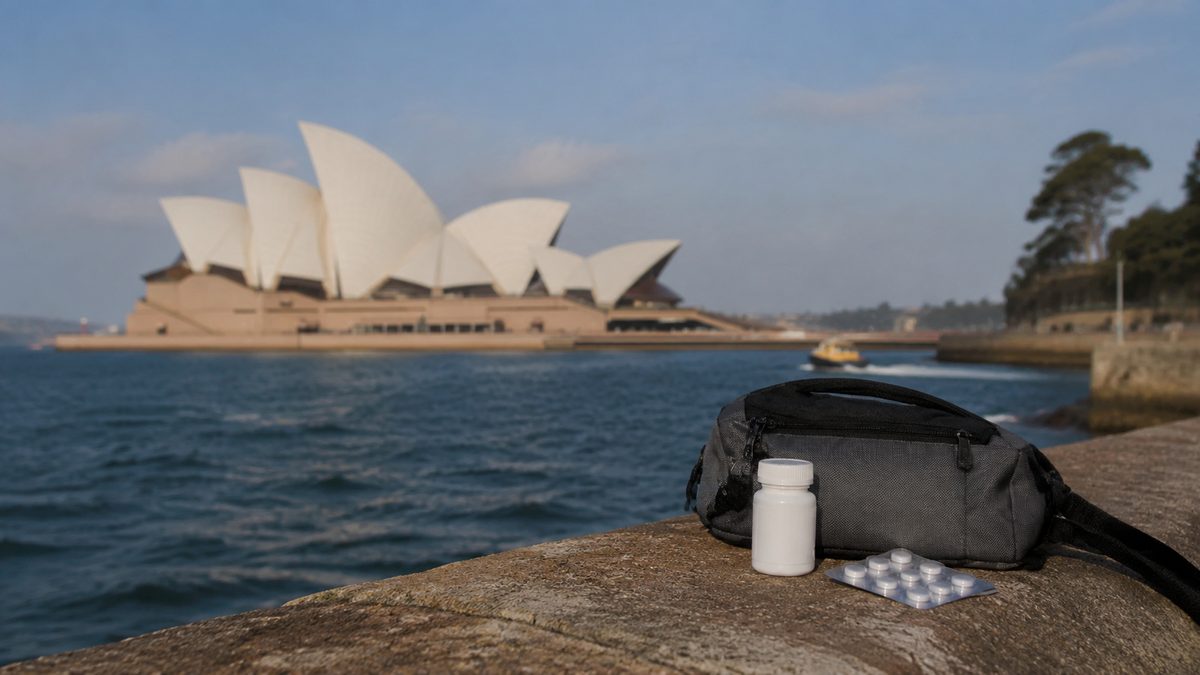
If you manage hypertension and are planning a trip to Australia, whether as a tourist, a returning resident, or a new arrival, one of the most pressing questions you may have is: can I bring blood pressure medicine to Australia? yes, in most cases you can. But there are important rules, quantity limits, and declaration requirements you need to understand before you pack your medication.
This guide covers everything you need to know about travelling to Australia with antihypertensive medication, including what to declare at the border, how to carry your medication on a plane, and which types of drugs may face restrictions or outright bans upon entry.
Australian Rules for Bringing Medication into the Country
Australia has some of the most rigorous biosecurity and customs regulations in the world, and this extends to pharmaceutical products. The two key authorities that govern the importation of medicines are the Australian Border Force (ABF) and the Therapeutic Goods Administration (TGA). Together, they regulate what medicines can enter the country, in what quantities, and under what conditions.
The good news for most travellers managing hypertension is that standard blood pressure medications, including ACE inhibitors, beta-blockers, calcium channel blockers, and diuretics, are legally permitted to enter Australia for personal use. These are widely recognised antihypertensive drug classes used across mainstream clinical medicine, and Australia acknowledges their legitimate therapeutic use.
However, permission to bring them in does not mean you can carry unlimited quantities, skip documentation, or avoid declaring them at the border. Knowing the rules protects you from delays, confiscation, or legal complications upon arrival.
Do You Have to Declare Blood Pressure Tablets?
This is one of the most frequently asked questions by travellers, and the answer requires a little nuance. In most cases, you are not legally required to declare standard blood pressure tablets if you are carrying a reasonable personal supply. However, there are specific circumstances under which declaration becomes mandatory, and failing to declare when required can lead to serious consequences.
Under Australian law, you must declare medications on your Incoming Passenger Card (IPC) if:
- You are carrying more than a three-month supply of any prescription medication
- The medication contains a controlled or restricted substance (such as certain sedatives or opioids sometimes used alongside cardiovascular treatment)
- You are unsure whether the medicine is permitted in Australia
- The medication is not clearly labelled or is in packaging that differs from standard pharmaceutical presentation
Most commonly prescribed blood pressure tablets, such as amlodipine, ramipril, metoprolol, or hydrochlorothiazide, do not fall into the controlled substance category. If you are carrying up to three months' worth in their original labelled packaging, declaration is generally not required. That said, many border health professionals recommend always declaring your medications to avoid any ambiguity. Being transparent at the border is always safer than the alternative.
The Australian Border Force makes it clear: if in doubt, declare it. You will not be penalised for declaring something that turns out to be fully permitted, but you may face penalties if you fail to declare something that requires disclosure.
Do I Need to Declare Medications in Australia? The Broader Picture
Beyond blood pressure tablets specifically, Australia's incoming passenger declaration system applies to a wide range of goods, including all prescription medicines, some over-the-counter products, and any medicine that contains ingredients that are regulated or restricted under Australian pharmacology law.
The Incoming Passenger Card, the form you fill out on arrival, asks whether you are carrying any medicines. Many travellers interpret this question narrowly and only consider it relevant for unusual or powerful drugs. In practice, the question covers all prescription medications, and answering it honestly protects both you and Australia's public health framework.
Practically speaking, here is what you should do before travelling:
- Get a letter from your doctor confirming your diagnosis, the medication name (both brand and generic), dosage, and the duration of your treatment
- Keep medication in original packaging with the pharmacy label intact, showing your name, prescribing doctor, and dispensing date
- Carry a copy of your prescription, ideally translated into English if your home country uses another language
- Check the TGA website for the latest advice on importing medicines before your departure date
For travellers managing complex cardiovascular health needs, this documentation also becomes valuable if you need to access healthcare services while in Australia, a situation where understanding your current pharmacological regimen quickly can make a significant difference to your care.
Can I Bring My Blood Pressure Medication on a Plane?
Yes, blood pressure medication is permitted on planes, both in carry-on luggage and in checked baggage. Most international and domestic aviation authorities, including Australia's Civil Aviation Safety Authority (CASA), permit passengers to carry necessary prescription medications during flights.
For carry-on luggage, liquid medications are generally exempt from the standard 100ml liquid rule that applies to other fluids, provided they are for medical use and you carry supporting documentation. Solid forms of blood pressure medication, tablets and capsules, have no liquid restriction concerns at all.
Here are some practical tips for carrying your blood pressure medicine on a plane:
- Always keep a full supply in your carry-on bag, not just checked baggage. Checked luggage can be lost or delayed, and disruption to your antihypertensive regimen, even for a day or two, can have real health consequences
- Carry your prescription or a doctor's letter in case airline staff or airport security ask for clarification
- Do not remove tablets from their original bottles and place them in unmarked containers, as this can raise concerns during security screening
- Account for time zone changes when planning your medication schedule, discuss this with your doctor or pharmacist before long-haul travel, particularly for medications that need to be taken at consistent intervals
- Consider the temperature sensitivity of your medication. Most blood pressure tablets are stable at room temperature, but check the storage requirements on your packaging, as some formulations may require refrigeration
Long-haul flights, particularly the extended journeys to Australia from Europe, North America, or South America, can themselves affect blood pressure due to cabin pressure, reduced hydration, and prolonged immobility. Continuing your medication as prescribed throughout the journey is important for cardiovascular health during travel.
What Medications Can You Not Bring into Australia?
While most standard blood pressure medications are freely permitted, Australia does maintain a list of prohibited and restricted substances that travellers must be aware of. Some medications that are legally prescribed in your home country may not be legally importable into Australia without prior approval.
The following categories of medications face the most scrutiny at the Australian border:
Controlled Drugs and Narcotic Analgesics
Opioid-based pain medications, including codeine-containing products, morphine, oxycodone, and fentanyl, are tightly controlled. Even if legally prescribed to you, bringing these into Australia generally requires a permit from the TGA. This is important for people managing cardiovascular conditions alongside chronic pain, as combination therapies sometimes include these substances.
Certain Psychotropic Substances
Benzodiazepines, some antidepressants, and sleep medications containing regulated substances may also require prior authorisation. If your hypertension is managed alongside anxiety or a sleep disorder using pharmaceutical intervention, check whether your secondary medications fall into this category.
Anabolic Steroids and Hormonal Preparations
These are frequently used in various health contexts but are tightly regulated in Australia. Importation typically requires a doctor's letter and, in some cases, formal permission.
Medications Not Registered with the TGA
Australia's Therapeutic Goods Administration maintains the Australian Register of Therapeutic Goods (ARTG). Medications that are not registered on the ARTG, even if they are mainstream drugs in your home country, may be treated differently at the border. If your specific brand of blood pressure medication is not sold in Australia, the active ingredient may still be recognised, but you should check ahead of time. Similar restrictions apply to other common medications like injectable therapies. similar restrictions apply to other common medications
The TGA's Personal Importation Scheme allows individuals to bring in medications for personal therapeutic use under certain conditions, even if those medications are not registered in Australia. Familiarising yourself with this scheme before travel is worthwhile if you take a medication that is less commonly prescribed internationally.
How Much Blood Pressure Medication Can I Bring?
The general rule under Australia's personal importation guidelines is that travellers may bring up to a three-month supply of most prescription medications without needing a permit or making a formal declaration. This applies to standard blood pressure medicines taken for ongoing management of hypertension.
If your trip is longer than three months, or if you want to carry a larger supply as a precaution, you have a few options:
- Speak with your doctor about obtaining a prescription that can be filled at an Australian pharmacy, noting that the drug must be available there under Australian pharmaceutical regulations
- Contact the TGA before your departure to understand your options under the personal importation framework
- Bring the maximum permitted amount and plan to see a local general practitioner in Australia to continue your prescription while you are there
Australia has a well-developed health care system and excellent access to most internationally common antihypertensive drugs through its pharmacy network. Major cities and regional towns alike have pharmacists trained in clinical medicine and pharmacology who can assist travellers with medication-related queries.
Tips for a Smooth Entry with Blood Pressure Medication
Preparation is the most effective way to ensure your arrival in Australia goes smoothly. Here is a practical checklist to follow before you travel:
- Visit your prescribing doctor at least two weeks before departure and request a detailed letter describing your condition and medications
- Request enough medication for your full trip plus a buffer of one to two weeks in case of travel disruption
- Photograph your medication packaging and prescription labels and store copies in a secure cloud service, so you can access them even if your physical documents are lost
- Research your specific medications on the TGA website to confirm their regulatory status in Australia
- Complete your Incoming Passenger Card honestly, declare your medications if you have any doubt about whether they require declaration
- Contact the Australian Border Force or TGA directly if you are taking a less common antihypertensive or a combination drug that includes a regulated substance
Exploring Complementary Approaches to Blood Pressure Management
For some people, travel itself becomes an opportunity to reconsider their overall approach to health and wellness. While pharmaceutical antihypertensive treatment is essential for many people and should never be discontinued without medical supervision, there is growing interest in complementary and integrative approaches to supporting cardiovascular health.
Homeopathic medicine, herbal remedies, dietary changes, and lifestyle modifications are among the supportive strategies that some individuals explore alongside or in consultation with their conventional medical treatment plan. These approaches are not a replacement for prescribed medication, but they may form part of a broader wellness strategy for some individuals managing hypertension over the long term.
For those interested in learning more about complementary health options available in Australia, resources and practitioners exist across the country who work in integrative health care settings. At Homeopathy Plus, you can find information on homeopathic perspectives on health and access consultations with practitioners experienced in complementary health approaches. Any such approaches should always be discussed openly with your primary care physician to ensure they align safely with your existing treatment plan.
Conclusion
To directly answer the question: yes, you can bring blood pressure medicine to Australia, provided you follow the country's importation rules. Standard antihypertensive medications are permitted for personal use in quantities up to a three-month supply. Keep your medication in original packaging, carry a prescription or doctor's letter, and declare your medicines on your Incoming Passenger Card if you are carrying large quantities or have any uncertainty about your specific drugs.
Whether you are managing your cardiovascular health on a short holiday or relocating to Australia long-term, a little preparation goes a long way. Understanding the interplay between Australian border regulations, pharmaceutical science, and your own health needs ensures that your treatment continues without interruption, and that your arrival in Australia is as smooth and stress-free as possible.
For any questions specific to your medications, always consult your prescribing doctor and check the most current guidelines from the Therapeutic Goods Administration and the Australian Border Force before you travel.
Continue with the Conditions in the archive collection.

What Are 10 Signs That My Body Is Healthy?
Read article →
How to Tell if Your Body Is Unhealthy?
Read article →
What Are Signs of Poor Function Health?
Read article →
What Are Some Weird Signs That My Body Is Healthy?
Read article →
What Are Five Signs That I Might Not Be Healthy?
Read article →