Can Sleep Apnea Appear Later in Life? What Changes After 50
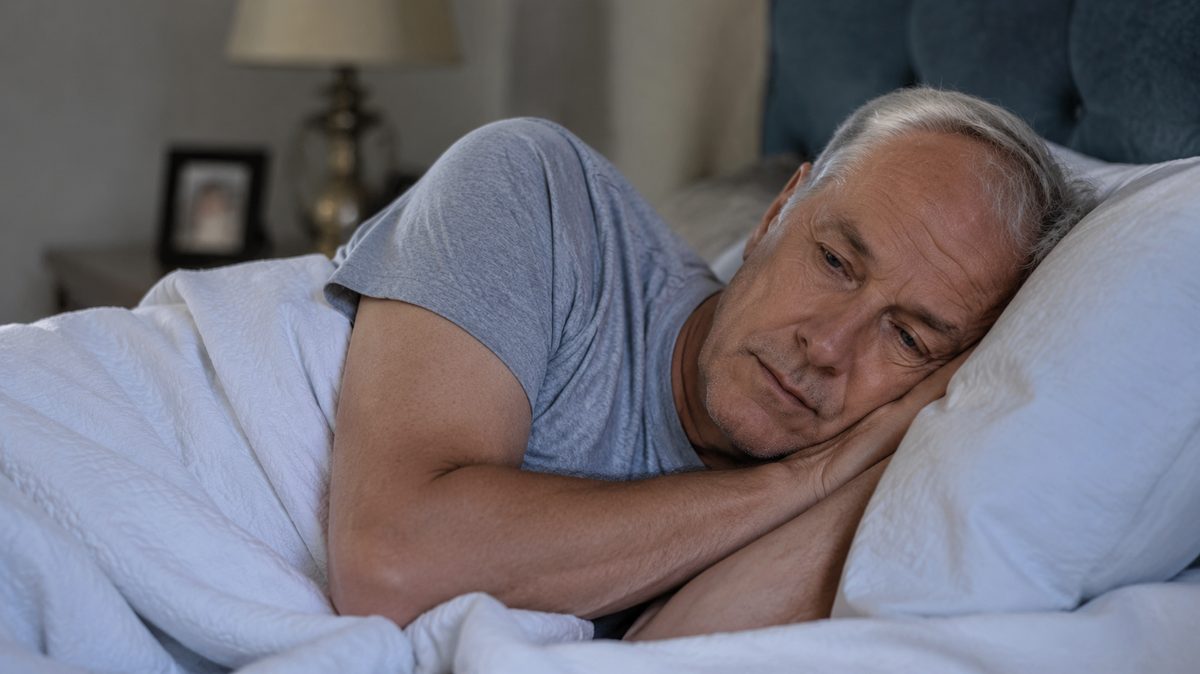
Yes. Sleep apnea can absolutely appear later in life, and it happens far more often than most people realize. If you breezed through your 30s and 40s without sleep trouble and now wake up exhausted, snore loudly, or are told you stop breathing at night, aging is likely the culprit.
After 50, your body changes in ways that make your airway collapse during sleep much more likely, even if this never happened before.
This isn't rare. One in three adults over 65 has obstructive sleep apnea, and many of them had no symptoms earlier in life. The good news: catching it now still matters. Treatment works just as well at 60 or 70 as it does at 35.
Why Does Sleep Apnea Show Up Later in Life?
Your airway stays open during sleep because throat muscles actively hold it open. During the day, your brain sends strong signals to those muscles. When you fall asleep, those signals weaken. In younger adults with good muscle tone, the airway holds anyway. In older adults, it often doesn't.
Three things change with age that make this worse:
- Muscle tone drops. The pharyngeal muscles lose strength and responsiveness over time. The same reflex-driven muscle activation that protected your airway at 35 is noticeably weaker at 55.
- Fat redistributes. Even without weight gain, body fat shifts toward your neck and upper body with age. Fat deposits around the throat narrow your airway and make collapse more likely.
- Sleep architecture changes. Older adults spend more time in light sleep and less in deep, slow-wave sleep. A study of 3,577 subjects from age 5 to 102 confirmed this shift clearly, with fragmented, lighter sleep becoming the norm in older adults. Light sleep is when apnea events tend to cluster.
None of these changes happen overnight. They build slowly, which is why sleep apnea in later life can feel like it arrived out of nowhere when it actually developed over years.
What Is the Biggest Trigger for Women After 50?
Menopause. Before menopause, women are largely protected from sleep apnea by estrogen and progesterone. These hormones support upper airway muscle tone and reduce the tendency for airway collapse. After menopause, that protection disappears.
The gap between men and women in sleep apnea rates narrows sharply after menopause. Women who had no sleep issues in their 40s can develop significant obstructive sleep apnea in their 50s. The risk is compounded by the fat redistribution that happens after menopause, which tends to move toward the neck and abdomen.
One of my clients, a 54-year-old woman, came in describing years of solid sleep that had turned into nightly waking, morning headaches, and what her husband called "loud gasping." She assumed it was just menopause. It was menopause-triggered sleep apnea. They're not the same thing, and one of them needs specific treatment.
What Does Sleep Apnea Sound Like at Night?
The classic sound is loud, irregular snoring interrupted by silence, then a gasp or snort. That silence is the apnea event itself. The gasp is the partial awakening that restores your airflow.
Not everyone sounds the same. Some people make a low rumbling snore. Others make a high-pitched wheeze. The key pattern is the stop-start rhythm: loud snoring, then quiet, then a sudden noise. Partners often describe it as frightening.
Late-onset sleep apnea is tricky because some people snore without apnea, and some have apnea with very little snoring. Snoring is a warning sign, not a diagnosis. If someone in your life has flagged that your breathing sounds wrong at night, that's worth acting on.
What Common Habit Is Linked to Sleep Apnea?
Alcohol before bed is the most common habit directly linked to sleep apnea. Alcohol relaxes the muscles in your throat, which increases the chance of airway collapse. Even one or two drinks in the evening can worsen apnea severity in someone already at risk, and in older adults with reduced baseline muscle tone, the effect is more pronounced.
Sleeping on your back is a close second. Gravity pulls your tongue and soft tissues toward the back of your throat in this position. Many people with mild to moderate sleep apnea find their symptoms essentially disappear when they shift to side sleeping.
Sedative medications, including benzodiazepines and some antihistamines, work the same way alcohol does. They relax throat muscles. In older adults who are already more vulnerable, routine use of these medications can push someone from mild snoring into clinical sleep apnea.
Warning Signs to Take Seriously
These symptoms in anyone over 50 with no prior sleep history warrant a proper sleep assessment:
- Waking up unrefreshed no matter how long you sleep
- Morning headaches that fade within an hour of waking
- Falling asleep unintentionally during the day
- Witnessed pauses in breathing during sleep
- Waking frequently to urinate at night (nocturia)
- Memory or concentration problems that have worsened recently
- New or louder snoring reported by a partner
A 2024 study of 2,176 adults found that the combination of insomnia and sleep apnea increased sharply with age. Just 51.9% of adults under 50 had both conditions at the same time. In those over 70, that figure jumped to 78.1%, with each additional year of age adding a 3% increase in odds.
This means older adults are frequently dealing with layered sleep problems, not just one.
What Most Articles Get Wrong About Late-Onset Sleep Apnea
It gets written off as normal aging. Fatigue, poor sleep, and brain fog in someone over 60 often get blamed on "just getting older." In many cases, untreated sleep apnea is the real cause. I've seen clients whose memory issues cleared substantially once their apnea was treated. Slow response times, attention problems, and memory loss are all documented results of untreated OSA in older adults. These aren't inevitable.
Women's symptoms are frequently missed. Men with sleep apnea tend to present with textbook loud snoring and witnessed apneas. Women, especially post-menopausal women, more often present with insomnia, fatigue, and mood changes. Because these overlap with other menopause symptoms, sleep apnea goes undiagnosed for years. One of my clients went through two years of hormone treatment for what turned out to be primarily sleep apnea. Her fatigue resolved when the apnea was treated.
People think heart risk only matters if it's severe. Even moderate untreated sleep apnea in older adults raises the risk of high blood pressure, stroke, and heart arrhythmias. The repeated oxygen drops during apnea events stress your cardiovascular system in ways that compound over months and years. Age-related cardiovascular risk and untreated OSA stack on each other.
How to Get Rid of Sleep Apnea
There's no single fix, but several approaches work well, including in older adults.
CPAP Therapy
Continuous positive airway pressure remains the most effective treatment for moderate to severe obstructive sleep apnea. A machine delivers pressurized air through a mask to keep your airway open. Many people resist it initially, but modern CPAP devices are quieter and the masks are far more comfortable than they were a decade ago. In my experience, most people who stick with CPAP for three to four weeks stop noticing it.
What Is the New Treatment for Sleep Apnea Without a Mask?
Several options now exist for people who can't tolerate CPAP or have mild to moderate apnea:
- Oral appliances. Custom-fitted devices worn in your mouth that reposition your jaw and tongue to keep your airway open. They work well for mild to moderate OSA and suit positional or anatomy-driven apnea.
- Hypoglossal nerve stimulation. A surgically implanted device that stimulates the nerve controlling your tongue movement, preventing your tongue from falling back during sleep. This is now approved for moderate to severe OSA in people who can't use CPAP. Clinical trial results have been consistently strong.
- Positional therapy. For people whose apnea occurs mainly when sleeping on their back, positional devices that encourage side sleeping can reduce events significantly.
- Weight management. Even a 10% reduction in body weight can reduce apnea severity meaningfully. For overweight older adults, this remains one of the most impactful changes available.
Lifestyle Changes That Make a Real Difference
Stop drinking alcohol within three hours of bedtime. Switch to side sleeping. Review any sedating medications with your doctor. These changes don't replace treatment for moderate or severe OSA, but they can meaningfully reduce how many events occur per night. Beyond these simple behavioral shifts like side sleeping and alcohol reduction, targeted techniques have shown promise.
Does Central Sleep Apnea Become More Common With Age Too?
Yes. Central sleep apnea, where your brain fails to send the correct signals to your breathing muscles rather than your airway physically collapsing, also increases with age. It's more common in people with heart failure, stroke, or neurological conditions like Parkinson's disease.
If a sleep study shows predominantly central events rather than obstructive ones, treatment differs and your doctor needs to investigate the underlying cause.
FAQ
Can you develop sleep apnea suddenly at 60?
It can feel sudden, but the underlying changes build over years. A specific trigger, such as weight gain, menopause, a new medication, or worsening nasal congestion, often tips a borderline case into a clinical one. What seems sudden is usually a threshold being crossed.
Is sleep apnea dangerous if you're older?
Untreated OSA in older adults carries real risks: higher rates of high blood pressure, atrial fibrillation, stroke, and accelerated cognitive decline. The repeated oxygen drops and sleep fragmentation take a cumulative toll. Treatment reduces these risks substantially.
Can a sleep test be done at home?
Yes. Home sleep testing is widely available and appropriate for most adults suspected of having obstructive sleep apnea. It measures oxygen levels, airflow, breathing effort, and heart rate overnight. If central sleep apnea or other complex sleep disorders are suspected, an in-lab polysomnogram gives more detailed data.
Does sleep apnea get worse as you age?
In most cases, yes, without intervention. The muscle tone changes and airway anatomy shifts that drive apnea in later life tend to progress. This is a reason to treat it rather than monitor it. Treated sleep apnea doesn't have to worsen meaningfully with age.
Can homeopathy support sleep apnea management?
Homeopathic care can support overall sleep quality, stress response, and some of the contributing factors that worsen sleep apnea in older adults. It works best alongside appropriate medical assessment and treatment for the apnea itself. If you're exploring a holistic approach alongside your medical care, a qualified homeopath can assess what's relevant for your overall picture.
What to Do Now
If you're over 50 and recognize any of the symptoms above, start with a home sleep test or a referral from your GP to a sleep physician. Don't wait for the snoring to get louder or the fatigue to worsen. A diagnosis opens up real treatment options, and treatment at 60 or 70 produces the same quality-of-life improvements it does at 40.
While you wait for assessment: cut alcohol before bed, shift to side sleeping, and flag any sedating medications to your doctor. These steps cost nothing and reduce the number of apnea events you have each night starting immediately.
Sources
Continue with the Sleep article archive collection.

What Are 10 Signs That My Body Is Healthy?
Read article →
How to Tell if Your Body Is Unhealthy?
Read article →
What Are Signs of Poor Function Health?
Read article →
What Are Some Weird Signs That My Body Is Healthy?
Read article →
What Are Five Signs That I Might Not Be Healthy?
Read article →