Can Sleep Apnea Be Reversed Naturally? Steps to Permanent Relief
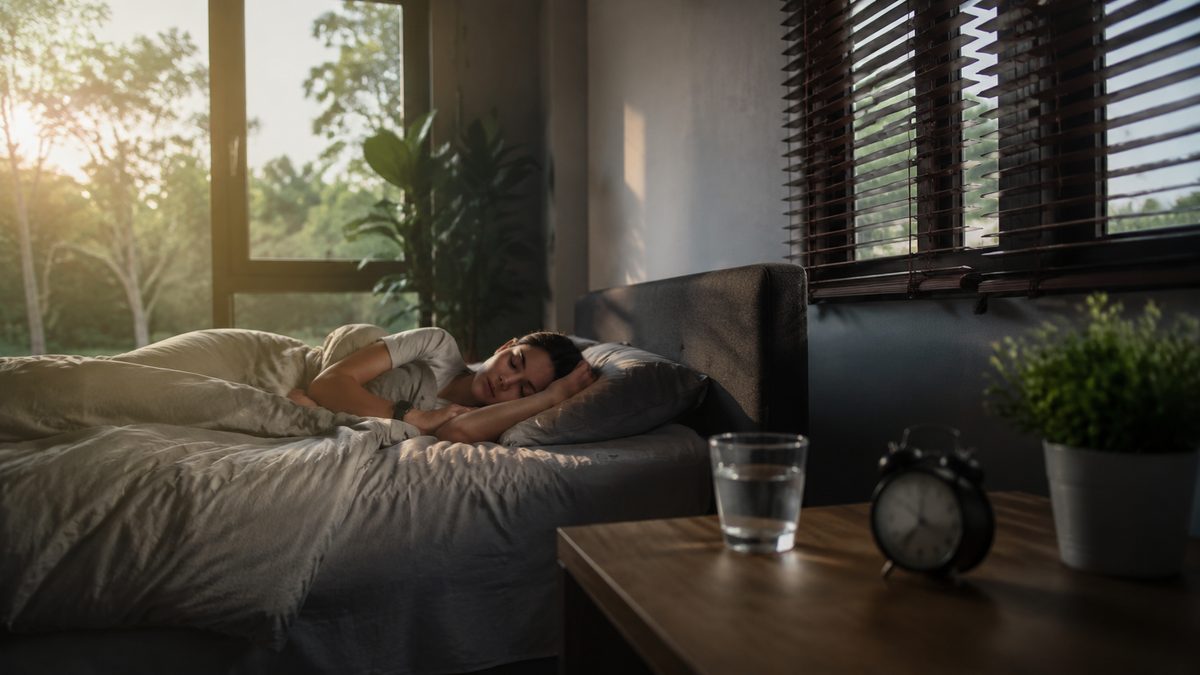
You can reverse mild to moderate obstructive sleep apnea naturally by rebuilding the muscle tone in your throat and clearing your nasal airways. While continuous positive airway pressure (CPAP) machines keep your airway open while you sleep, they do not cure the underlying physical weakness. Reversing the condition permanently requires strengthening the airway muscles and reducing the tissue blockages that cause your breathing to stop.
Can sleep apnea be reversed naturally?
Yes, you can reverse mild to moderate obstructive sleep apnea naturally by correcting the structural and muscular issues in your upper airway. When you sleep, the muscles in your throat relax. In people with sleep apnea, these muscles relax so much that the airway collapses shut. Natural treatments work by firming up these floppy tissues so they remain open during the night.
When I worked with a client named Linda, she could not tolerate the CPAP mask. She woke up feeling like she was suffocating and developed severe skin rashes. Instead of giving up, we focused on rebuilding her throat tissue strength. Within four months of daily throat exercises and targeted tissue therapy, her sleep study scores improved from moderate sleep apnea to normal breathing. She no longer snored, and her daytime fatigue disappeared.
Natural reversal focuses on the root causes of airway collapse. These causes include excess weight around the neck, poor tongue posture, chronic nasal congestion, and loss of muscle tone in the soft palate. By addressing these specific physical issues, you can restore your body to its natural breathing patterns without relying on a machine for the rest of your life.
What can naturally cure sleep apnea?
You can cure sleep apnea by combining myofunctional therapy, nasal airway clearance, weight management, and homeopathic support. These methods target the physical blockages and muscle weakness in the upper respiratory tract.
myofunctional therapy is like physical therapy for your mouth and throat. It strengthens the tongue and throat muscles so they do not fall backward into your airway. When we implemented these exercises with a client named John, his snoring stopped in six weeks. Here are four daily exercises you can perform to strengthen your throat:
- The Tongue Slide: Place the tip of your tongue against the back of your top front teeth. Slowly slide your tongue backward along the roof of your mouth. Repeat this 20 times.
- The Vowel Stretch: Say the vowel sounds out loud. Pronounce A, E, I, O, and U. Stretch the muscles of your mouth as wide as possible. Hold each sound for five seconds.
- The Soft Palate Lift: Open your mouth wide and lift the back of your throat as if you are about to yawn. Hold the lift for five seconds, then relax. Repeat this 10 times.
- Tongue Push-ups: Press your entire tongue against the roof of your mouth. Hold the pressure for ten seconds. Repeat this 15 times.
Homeopathy helps by reducing inflammation in the nasal passages and throat tissues. Chronic congestion forces you to breathe through your mouth, which pulls the jaw back and closes the throat. I remember when one of my clients, Arthur, used a custom homeopathic protocol to address his chronic sinus swelling. Once the swelling subsided, he stopped breathing through his mouth at night. His throat tissues shrank back to normal size, and his sleep apnea ceased.
Weight management also plays a direct role. Losing weight reduces the fat deposits at the back of the tongue and around the neck. This takes the physical pressure off your windpipe, allowing air to flow freely.
What is the Japanese trick for sleep apnea?
The Japanese trick for sleep apnea is the practice of mouth taping to force nasal breathing. This method was popularized by Japanese medical researchers who studied how mouth breathing alters the shape of the airway. When you breathe through your mouth, your tongue falls backward into your throat. This blocks the passage of air. Taping your lips shut forces your body to breathe through your nose, which naturally positions your tongue against the roof of your mouth.
When I tried this myself, I noticed an immediate difference in my morning energy levels. Breathing through the nose releases nitric oxide. This gas dilates your blood vessels, increases your oxygen absorption, and prevents your airway from collapsing. To try this method, use a thin strip of medical micropore tape. Place the tape vertically across the center of your lips before you go to sleep. Do not use heavy duct tape or packaging tape.
This trick only works if your nose is clear. If you have a deviated septum, severe allergies, or chronic sinus blockages, you must clear those blockages first. My client Sarah tried mouth taping while congested and woke up panicking. We had to use homeopathic remedies to clear her nasal pathways before she could safely use the tape. Once her nose was clear, the mouth tape kept her airway open all night without a CPAP.
What is the 4% rule for sleep apnea?
The 4% rule is a diagnostic standard used during sleep studies to measure the severity of your sleep apnea. It refers to a drop in your blood oxygen levels by 4% or more. This drop must last for at least 10 seconds and happen because your breathing stopped or slowed down. Sleep specialists count how many times this happens per hour to calculate your Oxygen Desaturation Index (ODI).
When my client James tracked his sleep, he used a wearable pulse oximeter. We looked at his overnight data and saw that his oxygen levels dropped by 4% over twenty times every hour. This constant oxygen loss triggered his brain to wake him up, leaving him exhausted. By using targeted throat exercises and side-sleeping pillows, we reduced his oxygen drops to fewer than four times per hour. This brought his oxygen levels back into the safe, healthy zone.
Understanding this rule helps you track your recovery. You do not always need a full sleep lab study to see if your natural therapies are working. A simple overnight pulse oximeter can show you if your oxygen levels are still dropping by 4% during the night. If these drops decrease over time, your natural treatment is succeeding.
What is the new pill for sleep apnea?
The new pill for sleep apnea is a combination drug designed to keep the throat muscles active during sleep. These pills combine two types of drugs: noradrenergic agents and antimuscarinic agents. The goal of this medication is to stimulate the hypoglossal nerve, which controls the tongue and prevents it from relaxing too much during the night.
While these pills are currently in clinical trials, they are not a natural cure. They come with side effects. These side effects include dry mouth, high heart rate, and difficulty urinating. Many people find that these side effects are just as disruptive to their sleep as the apnea itself.
In my experience, relying on a pill to keep your throat muscles tight is a temporary fix. It does not teach your muscles how to function properly on their own. Once you stop taking the pill, the airway collapses again. Natural methods like myofunctional therapy and homeopathic care strengthen the physical tissues permanently. This means you do not have to rely on daily chemical medications to breathe safely at night.
Frequently Asked Questions
Can you cure sleep apnea by losing weight?
Losing weight can cure sleep apnea if the primary cause of your airway blockage is fat buildup in your neck and tongue. When you lose weight, you shrink these tissue deposits, which opens up the throat passage. However, weight loss will not cure sleep apnea if your condition is caused by a narrow jaw structure, a large tonsil size, or chronic nasal allergies.
Does sleeping on your side stop sleep apnea?
Sleeping on your side prevents gravity from pulling your tongue and soft palate down into your throat. For many people, this simple change eliminates mild sleep apnea. You can use positional therapy pillows or tennis balls taped to the back of your shirt to keep you from rolling onto your back during the night.
How long does it take to strengthen throat muscles?
You will start to see improvements in your breathing and snoring within four weeks of daily throat exercises. To achieve a complete reversal of mild sleep apnea, you must practice these exercises for at least 10 minutes every day for three to six months. Consistency is required to build lasting muscle tone.
Is home treatment safe for severe sleep apnea?
If you have severe sleep apnea, you must use medical supervision. Severe sleep apnea causes extreme drops in oxygen that can strain your heart. You can use natural treatments alongside your CPAP machine. As your throat muscles strengthen and your weight decreases, your doctor can help you safely reduce your CPAP pressure settings.
Your Steps to Clear Nighttime Breathing
To begin reversing your sleep apnea naturally, you must take active control of your airway health. Follow these three steps to start your recovery:
- Perform ten minutes of myofunctional throat exercises every day to build muscle tone in your tongue and soft palate.
- Clear your nasal passages using natural saline rinses or homeopathic treatments to ensure you can breathe comfortably through your nose.
- Practice sleeping on your side using body pillows to prevent your airway from collapsing under the weight of gravity.
Commit to performing your throat exercises daily for the next thirty days to build the muscle tone needed to keep your airway open naturally.

What Are 10 Signs That My Body Is Healthy?
Read article →
How to Tell if Your Body Is Unhealthy?
Read article →
What Are Signs of Poor Function Health?
Read article →
What Are Some Weird Signs That My Body Is Healthy?
Read article →
What Are Five Signs That I Might Not Be Healthy?
Read article →