Can Sleep Apnea Ever Go Away? Natural Reversal and Treatment
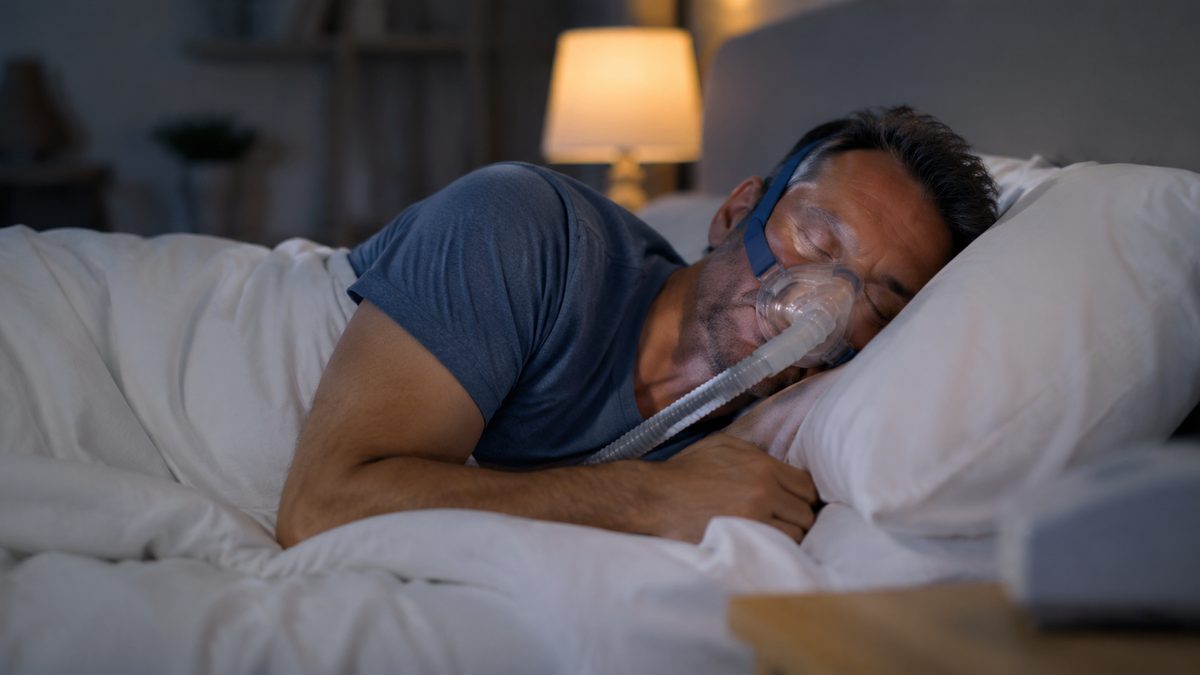
Sleep apnea goes away when you resolve the physical blockages or nerve failures that stop your breathing. Masking the symptoms with a machine does not cure the condition. You must target the muscles in your throat and your nasal passages to restore normal respiration.
Can sleep apnea ever go away?
Sleep apnea goes away when you repair the physical structure of your airway or restore the brain signals that control your breathing. The condition does not disappear on its own. You must actively treat the root cause to stop the airway from collapsing during sleep. restore normal respiration
Doctors divide this condition into two main types. Obstructive sleep apnea happens when throat muscles relax and block your airway. Central sleep apnea happens when your brain fails to send the correct signals to your breathing muscles. Both types represent severe breathing abnormalities that disrupt your sleep.
In my experience, many people believe they must use a breathing machine forever. This is not true. One of my clients, Arthur, came to me with severe obstructive sleep apnea. His doctor told him he would need a CPAP machine for the rest of his life. Arthur did not want to rely on a machine. We looked at his overall health and throat structure. Arthur started a treatment plan that combined homeopathic remedies with tongue exercises. Within four months, his airway muscles regained their strength. His snoring stopped. A second sleep study showed his airway remained open all night. His sleep apnea went away because we fixed the physical weakness in his throat.
Pulmonology research shows that throat tissues lose their tone over time. If you do not restore this tone, the tissue continues to collapse during sleep. Homeopathic treatments help by targeting tissue weakness. They stimulate your body to strengthen the soft palate and the tongue muscles. Once these muscles regain their natural strength, the airway stays open. The sleep apnea disappears because the physical cause is gone.
What happens if you have sleep apnea?
When you have sleep apnea, your respiration stops repeatedly throughout the night. Your airway closes completely or partially, which cuts off the flow of oxygen to your lungs. This interruption prevents your body from entering deep, restorative sleep phases.
This lack of oxygen triggers an alarm in your brain. Your brain releases adrenaline to wake you up so you can gasp for air. You might not remember these awakenings, but they happen dozens of times every hour. This constant cycle of choking and waking puts immense stress on your heart. It prevents your cardiovascular system from resting.
My client Sarah experienced these oxygen drops every night. She woke up with morning headaches and a dry mouth. Her heart rate spiked during the night as her body struggled to breathe. When we analyzed her sleep data, we found her blood oxygen levels dropped below eighty percent. This state of low oxygen damages your blood vessels. Over time, this damage leads to high blood pressure and heart disease.
The respiratory system cannot handle this constant disruption. When respiration stops, carbon dioxide builds up in your blood. This buildup acidifies your system. Your organs do not get the clean oxygen they need to repair themselves. This explains why untreated respiratory diseases lead to brain fog and severe daytime exhaustion.
How to reverse sleep apnea naturally?
You can reverse sleep apnea naturally by strengthen your airway muscles and clearing nasal obstructions. You do not have to rely on lifetime machine therapy to breathe safely at night.
First, you must address tongue posture and throat muscle tone. Myofunctional therapy teaches you how to keep your tongue pressed against the roof of your mouth. This simple change keeps your tongue from falling backward into your throat when you sleep. It keeps the airway clear.
Second, you must restore clear nasal breathing. Many people breathe through their mouths because of chronic nasal congestion. Mouth breathing narrows the airway and makes collapse more likely. Homeopathic remedies help reduce swelling in the nasal passages. For example, my client Marcus suffered from chronic nasal inflammation that forced him to breathe through his mouth. We used homeopathic silica to clear his sinus passages. Once his nasal airway cleared, he returned to natural nose breathing. His sleep quality improved immediately.
Third, you must support the nervous system. Homeopathy offers specific remedies to help the brain regulate respiration during sleep. When I help clients at homeopathyplus.com.au, we look at the whole person rather than just their breathing numbers. We find a remedy that matches their unique symptoms. For example, the remedy Lachesis helps people who wake up gasping the moment they fall asleep. The remedy Opium helps when respiration is heavy, deep, and rattling. These remedies work by encouraging the body to maintain steady breathing patterns without sudden blocks.
You also need to manage body weight. Excess fat tissue around the neck presses down on your airway when you lie down. Losing weight reduces this physical pressure. When you combine weight loss with throat exercises and homeopathic remedies, you build a strong, clear airway.
Does anyone ever pass a sleep apnea test?
Yes, people pass sleep apnea tests when their breathing stays steady throughout the night. Passing means your breathing stops fewer than five times per hour during the study.
A sleep apnea test measures your Apnea-Hypopnea Index. This index shows how many times your breathing stops or becomes shallow each hour. An AHI score below five is considered normal. A score of five to fifteen indicates mild sleep apnea, while a score over thirty indicates severe sleep apnea.
Many of my clients started with high AHI scores and eventually passed their tests after treatment. I remember when a client named David took his first sleep test. His AHI was thirty-five, which meant his breathing stopped thirty-five times every hour. He was exhausted. After six months of natural treatment to reduce throat inflammation and improve his nervous system response, he took a second test. His new AHI score was three. He officially passed the test and no longer needed medical intervention.
Doctors who specialize in pulmonology use these tests to monitor your respiratory health. You can pass the test if you remove the physical blockages that cause the airway to close. Once your muscle tone is restored and your nasal passages are clear, your AHI score drops back into the normal range.
How long can you live with sleep apnea?
You can live for decades with sleep apnea, but the condition shortens your lifespan by straining your cardiovascular system. It is a slow drain on your vitality rather than an immediate threat.
Sleep apnea does not usually cause sudden death during sleep. Instead, the constant oxygen drops damage your heart and blood vessels over many years. This strain leads to heart attacks and strokes.
Studies in pulmonology show that untreated severe sleep apnea doubles your risk of dying from heart disease. The constant stress on your heart causes it to enlarge. When your brain constantly wakes you up to breathe, your body stays in a state of fight-or-flight. This state raises your blood pressure and prevents deep, healing sleep.
My client Robert lived with untreated sleep apnea for fifteen years. He assumed his loud snoring and fatigue were just normal signs of aging. By the time he came to see me, he had developed high blood pressure and irregular heartbeats. His doctor warned him that his heart was failing. We worked to clear his airway obstructions and improve his sleep quality naturally. His blood pressure settled and his heart strain decreased. You can live with sleep apnea, but your quality of life and your life expectancy drop significantly if you ignore it.
Frequently Asked Questions
Can losing weight completely cure sleep apnea?
Losing weight can cure sleep apnea if the primary cause of your airway collapse is extra tissue around your neck. When you lose weight, you reduce the physical pressure on your throat. However, weight loss will not cure sleep apnea if your condition is caused by a narrow jaw, a large tongue, or central nerve issues.
Why does sleep apnea get worse with age?
Sleep apnea gets worse with age because muscles naturally lose their tone as you get older. The muscles in your throat and soft palate become floppy, making them more likely to collapse during sleep. Changes in your brain signaling can also affect how your nervous system controls respiration as you age.
Can a mouth guard cure sleep apnea?
A mouth guard does not cure sleep apnea, but it can manage the symptoms. The guard holds your lower jaw forward to keep your airway open. Once you stop wearing the mouth guard, your jaw falls back and your airway collapses again. To cure the condition, you must strengthen the throat muscles so they stay open on their own.
Is sleep apnea genetic?
Yes, genetic factors influence your risk of developing sleep apnea. You inherit your jaw structure, throat width, and face shape from your parents. If you inherit a narrow airway or a recessed jaw, you are more likely to experience breathing abnormalities. Homeopathic remedies and muscle training can still help you overcome these genetic tendencies.
My Actionable Solution
To reverse sleep apnea, you must stop relying on temporary fixes and start rebuilding your airway health. You must actively train your throat muscles and clear your nasal passages to restore normal respiration.
Follow these steps to start your recovery:
- Switch to strict nasal breathing during the day to train your airway.
- Perform throat exercises daily by pressing your tongue flat against the roof of your mouth for three minutes.
- Consult a homeopath to find a remedy that targets your specific throat tissue weakness.
- Sleep on your side instead of your back to keep your airway from collapsing.

What Are 10 Signs That My Body Is Healthy?
Read article →
How to Tell if Your Body Is Unhealthy?
Read article →
What Are Signs of Poor Function Health?
Read article →
What Are Some Weird Signs That My Body Is Healthy?
Read article →
What Are Five Signs That I Might Not Be Healthy?
Read article →