Can Sleep Apnea Go Away on Its Own?
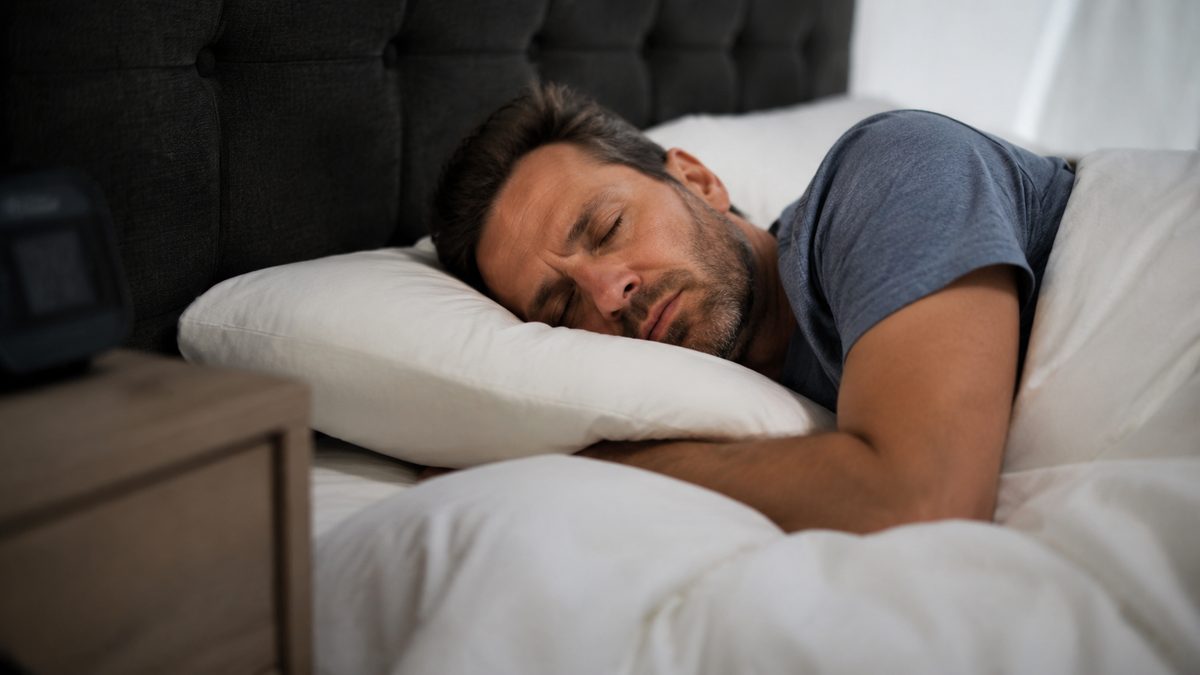
Sleep apnea does not disappear without a physical change in your body. If you stop breathing at night, your airway is collapsing or your brain is failing to send breathing signals. These mechanical and neurological issues do not fix themselves. You must change your weight, your sleep habits, or your muscle tone to resolve this condition.
Can sleep apnea go away on its own?
No. Sleep apnea is a structural or neurological disorder. It requires active intervention to resolve. To understand why, you must look at sleep physiology and the physical structure of your airway.
During sleep, your muscles relax. In obstructive sleep apnea, this relaxation allows the throat tissues and the tongue to collapse into the airway. When the airway closes, your body starves of oxygen. The brain must trigger a micro-aurosal to force the airway open. This cycle repeats many times every hour. The tissue laxity that causes this collapse does not improve without intervention. Gravity and aging naturally reduce muscle tone over time, making the blockage worse.
In central sleep apnea, the issue involves neurophysiology. The respiratory center in the brainstem fails to signal the breathing muscles. This breathing abnormality does not correct itself. It requires you to address the underlying determinants of health affecting your nervous system. These issues are classified under human diseases and disorders, and they require active therapy to change.
Why did my sleep apnea go away?
If your sleep apnea stopped, you altered a physical trigger. You did not cure it by doing nothing. You likely changed a habit or resolved an underlying inflammatory issue.
Weight loss is the most common reason sleep apnea disappears. When you lose weight, you reduce fat deposits around the neck. This decreases the external pressure on your trachea, keeping the airway open during sleep.
When I worked with one of my clients, Robert, he believed his sleep apnea had cured itself over the summer. When we analyzed his daily routine, we found he had lost nine pounds and stopped drinking alcohol before bed. Alcohol relaxes the throat muscles. By eliminating it, his throat muscles remained firm enough to prevent collapse. His case shows that sleep apnea resolves only when you remove the physical causes.
Other factors that cause sleep apnea to resolve include:
- Shifting your sleep position. Sleeping on your side prevents gravity from pulling the tongue into the throat.
- Resolving nasal inflammation. Clearing chronic allergies allows you to breathe through your nose instead of your mouth.
- Stopping sedative medications. Muscle relaxants and sleeping pills can cause extreme airway relaxation.
What are 5 symptoms of sleep apnea?
You must recognize the signs of breathing abnormalities to prevent long-term damage to your organs. Sleep apnea is one of the major medical conditions related to obesity, and it affects both your physical and mental states. Here are five symptoms of sleep apnea:
- Loud snoring: This sound occurs when air forces its way through a partially blocked airway, causing the throat tissues to vibrate.
- Gasping or choking during sleep: These sounds occur when your brain wakes you up to restart your breathing.
- Morning headaches: Poor breathing causes carbon dioxide to build up in your blood. This dilates the blood vessels in your head and causes a dull pain.
- Waking with a dry mouth: Blocked nasal passages force you to breathe through your mouth, drying out your oral tissues.
- Severe daytime fatigue: Because sleep apnea fragments your sleep, you miss the deep sleep stages needed for recovery.
These symptoms of sleep apnea impact your daily performance. You may experience brain fog, memory issues, or irritability during the day.
Can sleep apnea be reversed naturally?
Yes. You can reverse sleep apnea naturally by improving muscle tone, reducing neck tissue, and restoring nasal breathing. These methods target the physical causes of airway collapse.
Weight management and bariatrics
Losing weight is the most effective natural treatment. In clinical medicine, doctors use the classification of obesity to determine your risk of airway obstruction. Even a small reduction in weight can shrink the fat pads around the upper airway. This reduces the mechanical pressure on your throat.
Myofunctional therapy
You can strengthen the muscles of your tongue and throat through daily exercises. What I found was that consistent exercises keep the airway open during sleep. You can practice pressing your tongue flat against the roof of your mouth. Hold this position for ten seconds. Repeat this ten times. You can also slide your tongue backward along the roof of your mouth to build tone in the throat.
Restoring nasal breathing
Mouth breathing narrows the airway. You must treat chronic sinus congestion to restore nasal breathing. Using nasal strips or saline rinses before bed can keep the nasal passages open. Breathing through your nose increases nitric oxide levels, which helps dilate the airways.
Constitutional homeopathy
Homeopathy aims to address the root causes of tissue laxity. When I treat clients with sleep apnea, I assess their physical constitution and symptom patterns. A specific remedy is selected to help strengthen the muscles and tissues of the upper respiratory tract. I remember when one of my clients tried homeopathy for his chronic throat collapse. He used a constitutional remedy alongside throat exercises. Within two weeks, his snoring stopped and his morning headaches disappeared. Homeopathy works by stimulating the body's natural healing systems to improve muscle tone. To learn more about natural health options, visit Homeopathy Plus.
What is the new pill for sleep apnea?
Researchers in clinical medicine are testing pharmaceutical options to treat sleep apnea. These pills target the nervous system to prevent throat muscles from relaxing during sleep. This area of study touches on unsolved problems in neuroscience and physiology.
The most discussed experimental drug combines two medications: atomoxetine and oxybutynin. Atomoxetine is a noradrenaline reuptake inhibitor. It stimulates the nerves that control the throat muscles. Oxybutynin is an antimuscarinic drug. It keeps the airway muscles from relaxing during deep sleep. Another approach uses weight-loss pills like tirzepatide. These drugs reduce neck fat by suppressing appetite.
While these pills show promise in clinical trials, they carry risks. Side effects include dry mouth and elevated heart rate. They do not fix the structural issues or muscle weakness. They also do not address the lifestyle habits that cause the condition. constitutional treatment offer a safer path to recovery.
Frequently Asked Questions
Can you cure sleep apnea by sleeping on your side?
Side sleeping stops gravity from pulling your tongue into your throat. It can resolve mild positional sleep apnea. It does not cure severe sleep apnea caused by tissue laxity or excess weight.
Does drinking water help sleep apnea?
Drinking water keeps your throat lubricated. This reduces the irritation caused by snoring. It does not prevent airway collapse.
Can losing 10 pounds stop sleep apnea?
Yes. For many people, losing ten pounds reduces neck fat enough to keep the airway open during sleep.
Is sleep apnea permanent?
No. You can reverse sleep apnea by losing weight, strengthening throat muscles, and addressing nasal blockages.
To start reversing your sleep apnea, perform ten minutes of myofunctional throat exercises daily and sleep on your side to keep your airway open.
Continue with the Sleep article archive collection.

What Are 10 Signs That My Body Is Healthy?
Read article →
How to Tell if Your Body Is Unhealthy?
Read article →
What Are Signs of Poor Function Health?
Read article →
What Are Some Weird Signs That My Body Is Healthy?
Read article →
What Are Five Signs That I Might Not Be Healthy?
Read article →