Can We Eat Bananas With Homeopathic Medicine? What Actually Affects Your Remedies
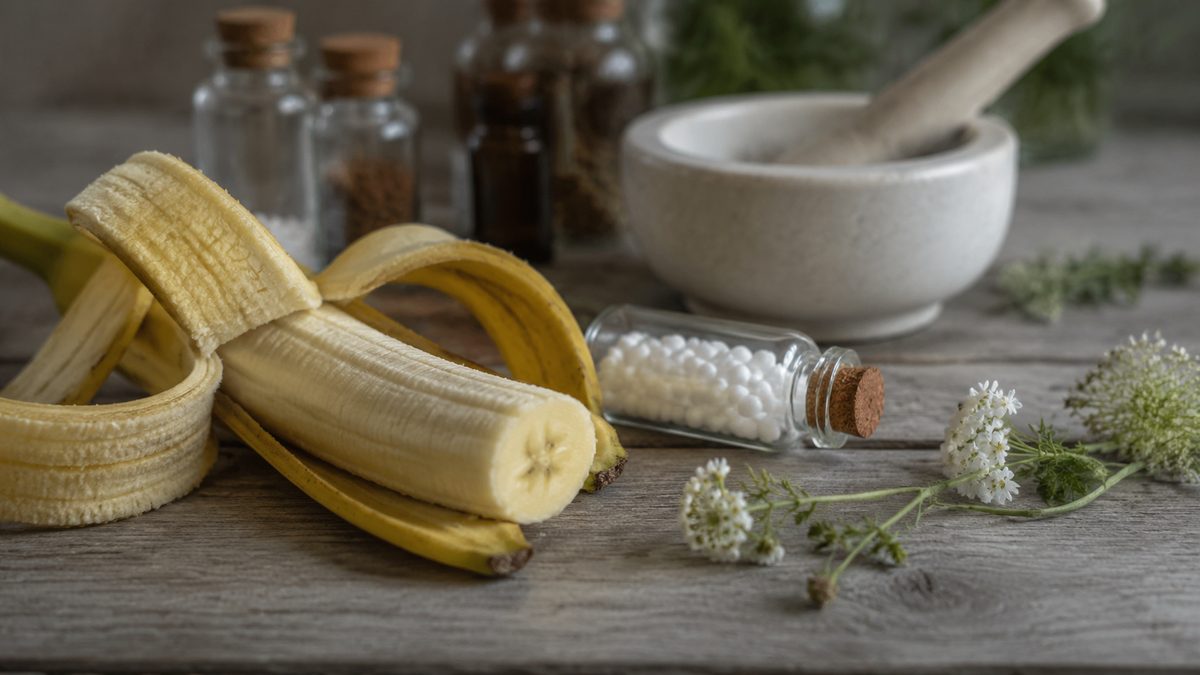
Bananas are fine. Eating a banana won't cancel your homeopathic remedy.
That might surprise you. If you've spent time on forums or heard strict rules from well-meaning people, you've probably picked up a different message. The truth is, most food-related anxiety around homeopathy comes from a misunderstanding of what homeopathic remedies actually are and how they work. Homeopathy Plus
There are some real things to avoid. Bananas aren't one of them.
What Is a Homeopathic Remedy, Really?
Homeopathic remedies are highly diluted substances prepared through a process called potentisation. The active substance is diluted and succussed (vigorously shaken) repeatedly. The result carries an energetic imprint of the original substance rather than a chemical dose of it.
Because of this, homeopathic medicines don't work the same way pharmaceutical drugs do. They aren't broken down in the digestive system or filtered by the liver. They work on a different level, which is why the list of things that genuinely interfere with them is much shorter than most people think.
In my experience, a lot of patients come in worried they've already ruined their treatment because they ate the wrong thing. Almost always, they haven't.
Do Bananas Interfere With Homeopathic Remedies?
No. Bananas don't interfere with homeopathic medicines.
Bananas are a whole food. They contain potassium, fibre, natural sugars, and vitamin B6. None of these have any known interaction with homeopathic remedies. The fruit doesn't produce strong aromatic compounds, doesn't contain stimulants, and doesn't have properties that would antidote a remedy.
One of my clients once avoided bananas for three months because someone in a Facebook group told her they'd block her treatment. She was eating an extremely restricted diet and feeling anxious about every meal. When she mentioned it, I had to reassure her this wasn't based on any solid homeopathic principle. She went back to eating normally, continued her treatment, and her results didn't change at all.
What Foods Actually Affect Homeopathic Treatment?
This is where it gets specific. And useful.
The substances most commonly associated with antidoting or reducing the effect of a homeopathic remedy are strong aromatic compounds. These are things with a powerful, penetrating smell or stimulating quality.
The main ones to watch:
- Coffee. This is the most consistently mentioned antidote in classical homeopathy. Strong brewed coffee, not just caffeine, is thought to interfere with many remedies. Decaf isn't the same issue for everyone, but strong coffee is worth avoiding close to taking your remedy.
- Peppermint and strong mint. Mint toothpaste, peppermint tea, mint lollies. Most practitioners recommend avoiding these near the time of taking your remedy, or sometimes throughout a course of treatment depending on the remedy prescribed.
- Camphor. This is a strong antidote for many remedies. It appears in some topical muscle rubs, certain chest rubs, and some traditional medicines. Worth checking product labels.
- Menthol-containing products. Similar to mint, menthol in throat lozenges or inhalers is worth being cautious about.
- Essential oils applied near the body. Strong aromatic oils used directly on the skin or inhaled constantly may interfere with some sensitive prescriptions.
The concern is mostly about these being used at the same time as taking the remedy, or being used heavily and constantly throughout treatment. A passing smell is generally not an issue. Living with eucalyptus oil diffusing 24 hours a day while on a sensitive constitutional remedy is a different matter.
Is It Safe to Eat Bananas While Taking Homeopathic Medicine?
Yes. Completely safe. There's no clinical reason to avoid bananas during homeopathic treatment.
The fear likely comes from an overcautious interpretation of dietary advice that some older homeopathic texts included. Some practitioners historically recommended very plain diets to avoid any possible interference. That advice has been passed down and distorted over time into blanket food restrictions that were never based on evidence.
What's actually supported by homeopathic tradition and clinical practice is this: avoid strong aromatics, take your remedy away from food and drink, and don't use known antidotes like camphor.
A banana eaten an hour before or after a remedy? Not a concern.
The One Rule That Actually Matters: Timing
The most consistent and well-supported guideline across homeopathic practice is this: take your remedy away from food and drink.
The standard recommendation is 15 to 30 minutes before eating or drinking, or 15 to 30 minutes after. The reason is practical. Food and drink in the mouth can dilute the remedy before it absorbs through the mucous membranes. The remedy is ideally placed under the tongue or dissolved in the mouth, and you want a clean environment for that absorption.
This applies to all food and drink, including water, not just bananas or any specific food. It's about timing, not food type.
When I first started in practice, I watched a patient who was meticulous about her remedy timing have excellent results, while another patient taking the same remedy with meals saw nothing. The difference wasn't diet. It was the timing window. Once we fixed that, her results improved within two weeks.
What About Coffee? That One Is Different
Coffee deserves its own section because it's genuinely different from bananas and most other foods.
Samuel Hahnemann, the founder of homeopathy, wrote specifically about coffee as an antidote. He observed that certain patients on remedies would see their improvement stop or reverse when they resumed drinking coffee. This has been repeated in clinical observation across more than two centuries of homeopathic practice.
The mechanism isn't fully understood from a conventional science standpoint. But the clinical observation is consistent enough that most homeopaths still recommend reducing or avoiding strong coffee during treatment, especially with sensitive constitutional remedies.
This is worth taking seriously. Bananas, on the other hand, have no such history and no such concern attached to them.
The Most Misunderstood Part of Homeopathic Dietary Advice
Here's something most articles on this topic get wrong: the dietary rules in homeopathy aren't about nutrition at all.
They aren't about whether a food is healthy, acidic, alkaline, inflammatory, or anything else from a nutritional standpoint. They're about whether a substance has properties that can antidote an energetic medicine.
This means highly nutritious foods like fruit, vegetables, grains, and proteins aren't on any legitimate restriction list. The things that matter are aromatic, stimulating compounds, and they're mostly in products rather than whole foods.
I've had clients refuse to eat garlic, citrus, and onions because of something they read online. None of those foods have reliable evidence of antidoting remedies in normal dietary amounts. The anxiety around food during homeopathic treatment is often greater than the actual risk, and that anxiety itself can be a stress on the body.
Can Bananas Reduce the Effectiveness of Homeopathic Medicines?
Based on everything we know from homeopathic tradition and clinical practice, no.
Bananas don't contain compounds associated with antidoting remedies. They aren't aromatic in the relevant sense. They don't stimulate the nervous system in a way that conflicts with the subtle action of a homeopathic prescription.
If someone reported their homeopathic treatment stopped working after eating a banana, the more likely explanations would be timing issues, a remedy that needs reassessment, or an unrelated change in their health state. Not the banana.
FAQ
Can I eat fruit during homeopathic treatment?
Yes. All fruit, including bananas, apples, citrus, and berries, is fine during homeopathic treatment. Eat normally. Just take your remedy away from food and drink.
What should I avoid completely during homeopathic treatment?
Strong coffee, camphor-containing products, menthol, and strong peppermint are the main ones to be cautious about. Your practitioner may add specific guidance based on your remedy.
How long before food should I take my remedy?
15 to 30 minutes before or after eating or drinking anything other than water. Some practitioners say 20 minutes as a simple rule. The key is a clean mouth with no food residue.
Does mint toothpaste cancel homeopathic remedies?
It can be an issue, particularly if used right before or after taking a remedy. Many practitioners recommend brushing teeth well before taking a remedy and waiting the standard window. Switching to a non-mint toothpaste during treatment is sometimes advised for people on sensitive prescriptions.
Do I need to change my diet to use homeopathy?
Not significantly. Avoid the specific antidoting substances listed above, take your remedy at the right time, and eat as you normally would. Homeopathy doesn't require a special diet.
What about herbal teas?
Plain herbal teas without strong mint or camphor are generally fine. Peppermint tea is worth avoiding close to remedy time. Chamomile, ginger, rooibos, and similar teas aren't a concern.
Is homeopathy safe to use alongside conventional medicine?
Homeopathic remedies don't have the same chemical interactions as pharmaceutical drugs, so they can generally be used alongside conventional treatment. Always inform both your GP and your homeopath about everything you're taking.
What to Do Next
Take your remedy 20 minutes away from food and drink. Avoid strong coffee, camphor, and heavy mint products during treatment. Eat your banana.
If you're unsure whether something in your routine might be affecting your treatment, ask your homeopath directly. A good practitioner will give you a specific answer based on your remedy, not a blanket list of forbidden foods.
For more guidance on homeopathic treatment and what to expect, visit Homeopathy Plus.
Continue with the Homeopathic remedies and practice collection.

What Are 10 Signs That My Body Is Healthy?
Read article →
How to Tell if Your Body Is Unhealthy?
Read article →
What Are Signs of Poor Function Health?
Read article →
What Are Some Weird Signs That My Body Is Healthy?
Read article →
What Are Five Signs That I Might Not Be Healthy?
Read article →