Can We Eat Eggs While Taking Homeopathy Medicine? What You Actually Need to Know
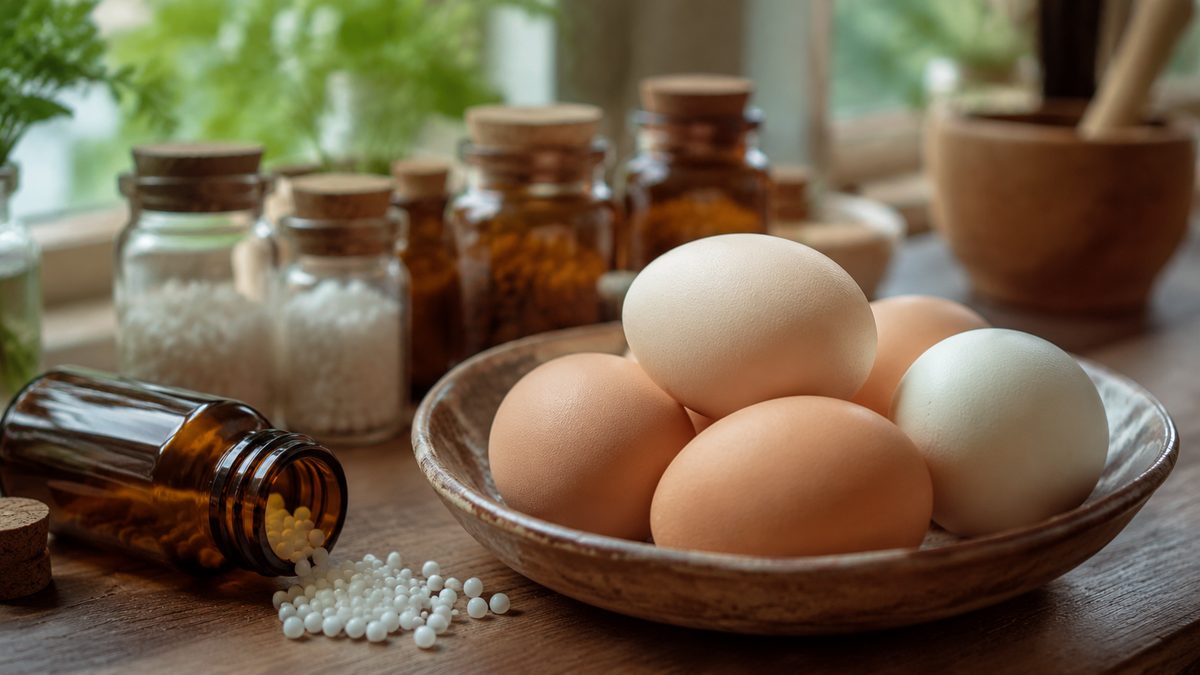
Yes, you can eat eggs while taking homeopathic medicine. Eggs aren't on any evidence-based list of foods that interfere with homeopathic remedies. But the real question is probably bigger than eggs.
You want to know what actually matters when it comes to food and homeopathy. That's worth answering properly, because there's a lot of conflicting advice out there, and some of it has no real basis. Homeopathy Plus
Why Does the Eggs Question Come Up at All?
When people start homeopathic treatment, they often get a food restrictions. Coffee, mint, camphor, and strong-smelling substances appear on nearly every list. Eggs sometimes get added in, depending on who prescribed the remedy.
In my experience, the egg restriction comes from older homeopathic traditions, particularly in parts of South Asia where classical homeopathy has been practiced for generations. It was passed down as precaution rather than confirmed interference. Most contemporary homeopaths, including practitioners working from the original writings of Samuel Hahnemann, don't list eggs as an antidote to remedies.
What Hahnemann actually warned against were substances with strong medicinal or aromatic qualities. Things like coffee, herbal teas, perfumes, and camphor. Plain food, including eggs, wasn't the concern.
What Foods Actually Interfere With Homeopathic Medicine?
The substances most consistently flagged across homeopathic literature are:
- Coffee, this is the most cited antidote in classical homeopathy. Even decaf is sometimes avoided because of other active compounds.
- Mint and menthol, toothpaste, mints, gum, and some herbal teas fall into this category.
- Camphor, found in some topical creams and certain strong-smelling products.
- Alcohol, in large amounts, not the trace amounts used as a preservative in liquid remedies.
- Strong aromatic substances, eucalyptus oil, tea tree, some essential oils used directly.
Notice what isn't on that list. Eggs. Meat. Dairy. Spicy food. Garlic. Fish.
These are foods that come up in some practitioners' advice but lack the same consistent support in the foundational texts of homeopathy.
One of my clients came to me frustrated because her previous practitioner had put her on a long list of food restrictions she couldn't maintain. No eggs, no onions, no garlic, no spice. She was miserable and felt like she was failing her treatment every time she ate a normal meal. When we reviewed what actually needed to change, it came down to stopping her morning coffee and rinsing with a non-mint toothpaste. That was it. Her treatment moved forward from there.
Can You Take Homeopathy With Food?
The standard guidance is to take homeopathic remedies away from food and drink, typically 15 to 30 minutes before eating or 30 to 60 minutes after. This isn't because food chemically blocks the remedy. It's about keeping the mouth clean and free from strong flavours at the time of dosing.
Homeopathic remedies work through contact with the mucous membranes in the mouth. A clean mouth means nothing competing for that contact. A meal, a strong drink, or even flavoured chewing gum right before dosing could reduce that clean contact window.
So the rule is about timing and mouth environment, not about what you ate two hours ago.
Can We Take Homeopathy Medicine Before Breakfast?
Yes. This is actually one of the better times to take it. First thing in the morning, before eating or drinking anything, the mouth is clean. There's no residual food, no coffee, no toothpaste. Taking your remedy before breakfast covers all the bases at once.
If your remedy requires multiple doses through the day, before meals is a reliable default. What matters is the 15 to 30 minute gap and avoiding strong aromatic substances close to dosing time.
I know this because it happened to me when I first started using homeopathic remedies years ago. I was taking my remedy with my morning coffee, wondering why I wasn't responding. A shift to taking it first thing, before anything else, made a noticeable difference within a few weeks.
The Part Most Articles Get Wrong About Homeopathy and Food
Here's something that rarely gets said directly: the food rules in homeopathy aren't pharmacological in the way drug interactions work with conventional medicine.
With pharmaceutical drugs, interactions happen because two substances compete for the same enzyme pathway, or one raises or lowers the blood level of another. That's chemistry you can measure and predict.
Homeopathic remedies operate on a different model entirely. The active component is energetic or informational rather than molecular. This means the concern isn't about chemical competition in your digestive system. It's about what Hahnemann called "antidoting", substances that can apparently cancel or interfere with the energetic signal of the remedy.
That distinction matters because eating eggs, fish, or a full meal doesn't antidote your remedy the way swallowing a strong cup of coffee might. The interference is about sensory and energetic disruption, not digestion.
Most articles either skip this entirely or apply conventional drug-interaction logic to homeopathy. That leads to overly restrictive food lists that don't hold up.
Can We Eat Eggs After Taking Medicine?
Yes. Wait your 30 minutes after taking the remedy, then eat normally. Eggs included. There's no evidence that eggs consumed after the dosing window has passed affect the remedy in any way.
This applies to most regular foods. The window around dosing is what matters. What you eat outside that window is your normal diet, and homeopathic philosophy generally supports eating well rather than restricting food unnecessarily.
What Practitioners Often Miss: The Lifestyle Factors That Matter More Than Food
In clinical practice, what tends to interfere with homeopathic treatment isn't what people eat. It's these three things:
Recreational drug use and heavy alcohol consumption. Both have documented antidoting effects and can disrupt the sensitivity homeopathy relies on.
Strong topical treatments. Camphor-based creams, certain medicated skin products, and some aromatherapy oils applied directly to the skin appear more relevant than dietary choices.
Stress and sleep. This one gets almost no attention in food-focused discussions. When we see slow responses to well-chosen remedies, chronic stress and disrupted sleep are often behind it. The body's capacity to respond to a subtle stimulus is tied to its overall state.
One of my clients was meticulous about her food rules. No coffee, no mint, tracked every meal. Her response to treatment was still sluggish. When we talked more deeply, she was sleeping four to five hours a night and working through severe work stress. Addressing that shifted things more than any dietary adjustment could have.
A Note on Why Some Practitioners Restrict Eggs Specifically
Eggs carry a strong odour when cooking, particularly sulphur compounds. Some classical homeopaths, especially those working with sulphur-based remedies, have cautioned patients around strong sulphur-smelling foods. The theory is that the aromatic quality could interfere near dosing time.
If your practitioner has prescribed a sulphur-family remedy and advised against cooking eggs right before your dose, that's a reasonable precaution with at least some theoretical basis. But eating eggs hours before or after dosing is a different matter entirely.
The practical version: if you're cooking eggs, take your remedy before the cooking starts or well after the smell has cleared. That covers the concern without eliminating eggs from your diet.
FAQ
Can I drink milk while taking homeopathic medicine?
Milk itself isn't considered an antidote. The same timing rule applies, avoid it immediately before or after dosing to keep the mouth clear. Some practitioners suggest avoiding milk close to dose time because it coats the mouth, but there's no strong evidence it antidotes remedies the way coffee does.
Can I eat onions and garlic during homeopathic treatment?
Garlic and onions are aromatic, and some practitioners advise against them near dosing time. Eating them well outside the dosing window is generally fine. If your practitioner specifically advises against them, that guidance may be remedy-specific.
Does coffee really antidote homeopathic remedies?
Coffee is the most consistently cited antidote across classical homeopathic literature, and most practitioners take it seriously. What I found was that switching clients from coffee to other beverages during treatment made a real difference in case progress. It's worth following this one.
Can I take homeopathic medicine with water?
Plain water is fine and is often used to dissolve remedies for dosing. It doesn't interfere with the remedy. Some practitioners actually recommend dissolving pillules in water and sipping the solution.
Should I stop my regular medications when starting homeopathy?
No. Never stop prescribed medications without talking to your prescribing doctor. Homeopathic treatment can run alongside conventional medical treatment. If you're working toward reducing conventional medication over time, that conversation belongs with your medical team and your homeopath together.
How long after eating can I take homeopathic medicine?
A gap of 30 to 60 minutes after eating is the standard recommendation. After a light snack, 15 to 20 minutes is usually sufficient. The goal is a clean, neutral mouth at the time of dosing.
What to Actually Do
Keep eggs in your diet. Focus on the things that genuinely affect your treatment: stop coffee or reduce it significantly, avoid mint and menthol around dosing time, take your remedy on a clean mouth at least 15 to 30 minutes away from food and drink, and be consistent with your dosing schedule.
If you're working with a practitioner at Homeopathy Plus, bring your specific questions about remedies and lifestyle to your consultation. The guidance that matters most is remedy-specific, and a practitioner who knows your case can give you a clear, tailored answer rather than a blanket restriction list that makes treatment harder to sustain.

What Are 10 Signs That My Body Is Healthy?
Read article →
How to Tell if Your Body Is Unhealthy?
Read article →
What Are Signs of Poor Function Health?
Read article →
What Are Some Weird Signs That My Body Is Healthy?
Read article →
What Are Five Signs That I Might Not Be Healthy?
Read article →