Can You Get Rid of Sleep Apnea? What the Evidence Actually Says
Yes, you can get rid of sleep apnea in many cases. It depends on what's causing it and how much you're willing to change. For most people, excess weight is the main driver.
Lose enough of it and the apnea often goes with it. Studies show remission rates of 65% to 74% after significant weight loss. That's not a guarantee, but it's a real outcome for a large portion of people who put in the work.
For others, the airway shape itself is the problem. A recessed jaw, enlarged tonsils, or narrow throat can block breathing regardless of body weight. Fix the anatomy and you may fix the apnea. The key is knowing which situation you're in.
What Is Sleep Apnea and Why Does It Happen?
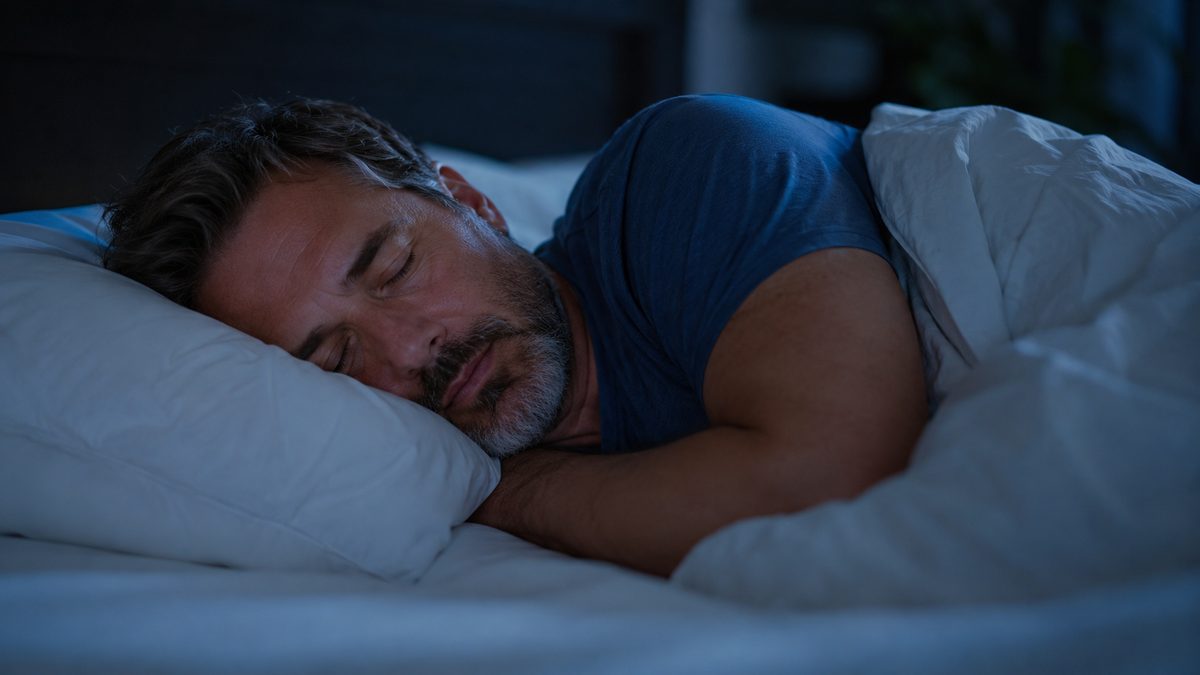
Sleep apnea is when your airway collapses during sleep, cutting off your breath. Your brain registers the drop in oxygen, wakes you just enough to reopen the airway, and the cycle repeats.
This can happen dozens or even hundreds of times per night. You rarely remember waking up, but your body pays the full cost.
Obstructive sleep apnea (OSA) is the most common type. Soft tissue in the throat relaxes and blocks the airway. Central sleep apnea is different and less common, it happens when the brain fails to send the right signals to the breathing muscles.
Most of what the research covers, and most of what can be reversed, is the obstructive kind.
The three biggest risk factors are weight, anatomy, and age. Extra weight around the neck and throat adds physical pressure on the airway. Age reduces muscle tone in the throat. And some people are simply built with an airway that collapses more easily under sleep conditions.
What Are the Symptoms of Sleep Apnea?
Five symptoms show up most consistently in people with sleep apnea:
- Loud, persistent snoring, often the first thing a partner notices
- Witnessed breathing pauses, someone watching you sleep sees you stop breathing
- Waking with a choking or gasping sensation
- Excessive daytime sleepiness, falling asleep at work, while reading, or even driving
- Morning headaches and unrefreshing sleep, waking up tired no matter how long you slept
One of my clients described it as feeling like she had never actually slept. She'd wake up after eight hours feeling like she'd pulled an all-nighter. That exhaustion wasn't laziness. Her body had been fighting for oxygen all night.
Mood changes, difficulty concentrating, and high blood pressure are also common. The health risks that build up over time include hypertension, coronary artery disease, cardiac arrhythmias, and depression.
These aren't distant possibilities. They're well-documented outcomes for people with untreated OSA.
Can Sleep Apnea Ever Go Away on Its Own?
Rarely, and only under specific conditions. If the apnea developed alongside rapid weight gain, and you lose that weight, the apnea can resolve without any other intervention. If it was triggered by pregnancy or a medication that increases sedation, removing that trigger can help.
But for most adults with established OSA, it doesn't disappear without deliberate action.
What I've seen with clients is that when the underlying cause is ignored, sleep apnea tends to worsen over time, not improve. Weight tends to creep up. Muscle tone in the throat decreases with age. Waiting and hoping isn't a strategy that works here.
Can Sleep Apnea Be Reversed Naturally?
Yes, with meaningful weight loss. The evidence on this is consistent. Clinical consensus holds that losing 7% to 11% of your body weight significantly reduces OSA severity, and losses above 10% to 15% increase the odds of full remission.
For someone weighing 100 kg, that means losing 10 to 15 kg. That's achievable through diet, exercise, and behavioral change without surgery.
The INTERAPNEA trial tested an interdisciplinary weight loss and lifestyle program in men with moderate to severe OSA who were on CPAP. The intervention improved OSA severity measures compared to CPAP alone, showing that lifestyle-driven weight loss produces real, measurable changes in airway function.
Positional therapy is another natural option. Some people only have apnea when sleeping on their back. For them, a positional device that keeps them on their side can dramatically reduce or eliminate events. This is position-dependent OSA, and it's more common than most people realize.
Throat and tongue exercises, sometimes called myofunctional therapy, have shown modest benefits in smaller studies. They're not a standalone cure, but they may support other efforts.
When I worked with one client on improving sleep quality, adding consistent side-sleeping to his diet changes made a noticeable difference before he'd lost a single kilogram.
How Much Does Weight Loss Actually Help?
More than most people expect. A 2023 meta-analysis of 32 studies with over 2,300 patients found that bariatric surgery reduced the apnea-hypopnea index (AHI) by an average of 19.3 events per hour and achieved a 65% remission rate.
A 2024 Swedish registry study of nearly 6,000 post-bariatric patients reported 74% remission at one year.
Those numbers come from surgical populations where weight loss is large and sustained, typically a BMI reduction of around 12 kg/m². But the mechanism is the same whether weight is lost surgically or through lifestyle change. Less fat around the airway means less collapse during sleep.
The same Swedish study found something worth sitting with. Patients who achieved remission had significantly lower ten-year mortality (6.0% vs 9.1%) and fewer major cardiovascular events (3.4% vs 5.8%) compared to those who didn't achieve remission.
Getting rid of sleep apnea isn't just about sleeping better. It's about living longer.
Non-surgical weight loss can achieve similar reductions if the weight loss is sufficient and maintained. The honest challenge is that maintaining a 15% body weight reduction long-term without surgical intervention is hard. That doesn't make it impossible. It means you need a realistic plan and consistent support.
What Is the 4% Rule for Sleep Apnea?
The 4% rule refers to how apnea events are counted during a sleep study. An apnea event is logged when airflow drops by 90% or more for at least ten seconds. A hypopnea, which is a partial reduction in airflow, is counted when it causes either a 3% or 4% drop in blood oxygen levels, depending on which scoring standard your sleep lab uses.
This matters practically because the 4% threshold is more conservative. It catches fewer events and can result in a lower AHI score than the 3% threshold used in some scoring systems. Two people with identical breathing problems can get different severity labels depending on which rule was used.
If your results seem borderline or you're comparing studies, checking which threshold was applied is worth doing.
Severity is classified as mild (AHI 5 to 14), moderate (AHI 15 to 29), or severe (AHI 30 or above). Where you fall on that scale affects which treatments are appropriate and how realistic full remission is.
What Treatments Are Available and Which Ones Cure It?
Only weight loss and anatomical correction offer a real chance at getting rid of sleep apnea. Everything else manages it.
CPAP (Continuous Positive Airway Pressure) is the most effective treatment for moderate to severe OSA. It works by blowing pressurized air through a mask to keep the airway open while you sleep.
CPAP doesn't cure the underlying condition. The moment you take the mask off and sleep without it, the apnea returns. But as a management tool, it's excellent. It eliminates symptoms and reduces cardiovascular risk as long as it's used.
Adherence is the real challenge with CPAP. Many people find the mask uncomfortable, especially early on. What the evidence shows is that early education and support significantly improve long-term use.
One of my clients gave up on CPAP after three nights. When she came back six months later with worse symptoms, we went through mask fitting and pressure adjustment together, and she was sleeping through the night within two weeks. The machine hadn't changed. The support around it had.
Oral appliances, specifically mandibular advancement splints, reposition the jaw forward during sleep to keep the airway open. They're effective for mild to moderate OSA and for people who can't tolerate CPAP. They don't cure the condition but provide reliable symptom control.
Surgical options include uvulopalatopharyngoplasty (UPPP), which removes excess tissue from the throat, and maxillomandibular advancement (MMA), which moves the jaw forward to permanently widen the airway.
These are most effective when anatomy is the primary cause. For the right patient, they can be curative. For someone whose apnea is weight-driven, surgery on the throat alone is unlikely to fully resolve it.
Three Things Most Articles Get Wrong About Sleep Apnea
Weight loss alone isn't always the answer. Most content treats OSA as purely a weight problem. For a significant portion of patients, anatomy plays an equal or greater role.
Lean people get sleep apnea. People with recessed jaws, narrow palates, or large tongues relative to their airway can have severe OSA at a healthy weight. Losing weight won't fix a structural problem. Getting a proper sleep study and airway assessment first matters more than starting a diet.
Remission isn't permanent. This is rarely mentioned. Research is clear that weight regain or normal aging can bring sleep apnea back even after full remission. Annual monitoring is recommended even for people who've achieved remission.
I've seen this happen with a client who lost significant weight in his forties, came off CPAP, and was fine for five years. At 52, creeping weight gain and reduced throat muscle tone brought it back. He wasn't a failure. He just needed ongoing monitoring rather than a one-time fix.
Mild sleep apnea isn't harmless. There's a tendency to treat mild OSA as something to watch rather than treat. But mild apnea still fragments sleep, still raises blood pressure over time, and still carries cardiovascular risk.
Early intervention, whether through weight management, positional therapy, or an oral appliance, prevents progression to more severe disease.
Frequently Asked Questions
Can sleep apnea go away with weight loss?
Yes. Significant weight loss is the most reliable non-surgical path to remission. Losing 10% to 15% of body weight substantially improves or resolves OSA in many people. The more weight lost, and the lower your starting severity, the better the odds.
How long does it take to see improvement after losing weight?
AHI scores begin improving within months as weight drops. Full remission is typically assessed at six to twelve months after reaching the target weight loss.
If I use CPAP, do I still need to lose weight?
CPAP controls your symptoms, but it doesn't change the underlying condition. Weight loss addresses the cause. Using both together gives you symptom control now and a real chance at remission over time.
Can children get sleep apnea?
Yes. In children, enlarged tonsils and adenoids are the most common cause. Removing them often resolves the apnea. Adult-onset OSA driven by weight and anatomy works differently.
Is sleep apnea linked to diabetes?
OSA and type 2 diabetes share obesity as a common driver, and the two conditions frequently occur together. Chronic sleep disruption also affects insulin sensitivity independently of weight.
What happens if sleep apnea is left untreated?
Over time, untreated OSA raises the risk of hypertension, heart disease, arrhythmias, stroke, and depression. It also impairs daytime function significantly, increasing accident risk.
What to Do Next
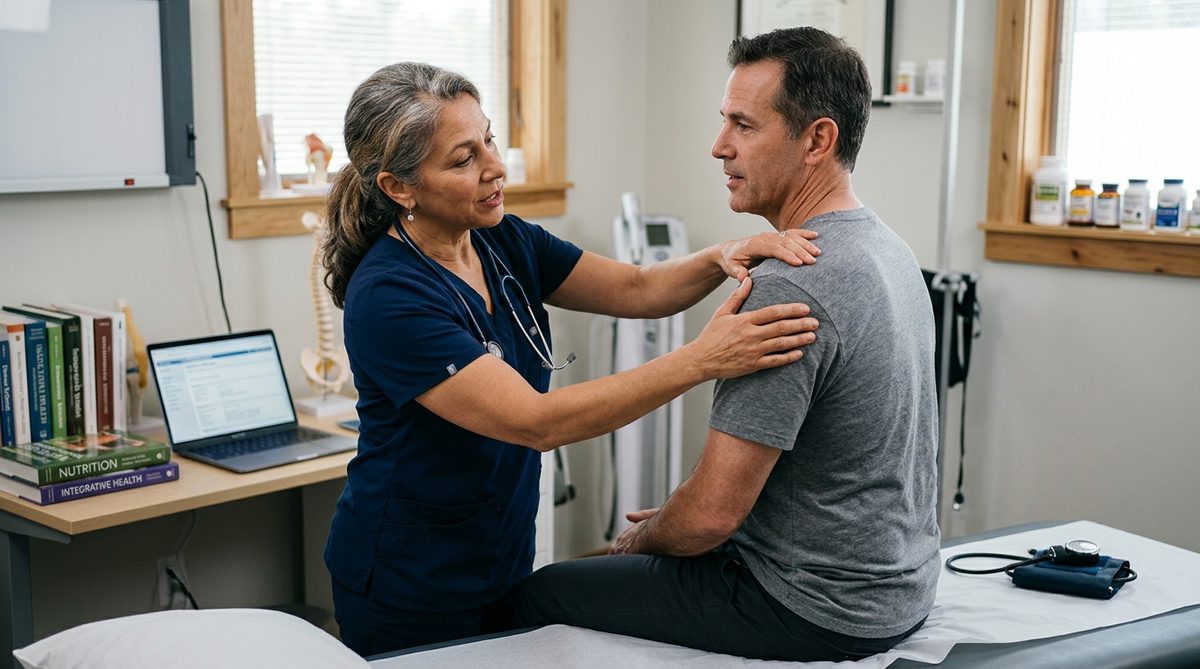
Get a sleep study if you haven't already. You can't manage what you haven't measured. If you've been diagnosed, find out whether weight, anatomy, or both are driving your OSA. That answer shapes everything about your treatment plan.
If weight is a factor, set a specific target. Losing 10% of your current body weight is the minimum threshold worth aiming for. Build a plan around diet and movement you can sustain, not a crash approach that rebounds. Working with a specialist to develop your personalized treatment plan significantly improves outcomes.
If you're already using CPAP and it's working, keep using it while you work on the underlying cause. Stopping CPAP before the root cause is resolved exposes you to the full health risks of untreated OSA.
And if you've already achieved remission, schedule annual check-ins. Sleep apnea can return. Catching it early the second time is far easier than the first.
Sources
Continue with the Sleep article archive collection.

What Are 10 Signs That My Body Is Healthy?
Read article →
How to Tell if Your Body Is Unhealthy?
Read article →
What Are Signs of Poor Function Health?
Read article →
What Are Some Weird Signs That My Body Is Healthy?
Read article →
What Are Five Signs That I Might Not Be Healthy?
Read article →