Can You Pass Away in Your Sleep from Sleep Apnea? Risks and Treatments
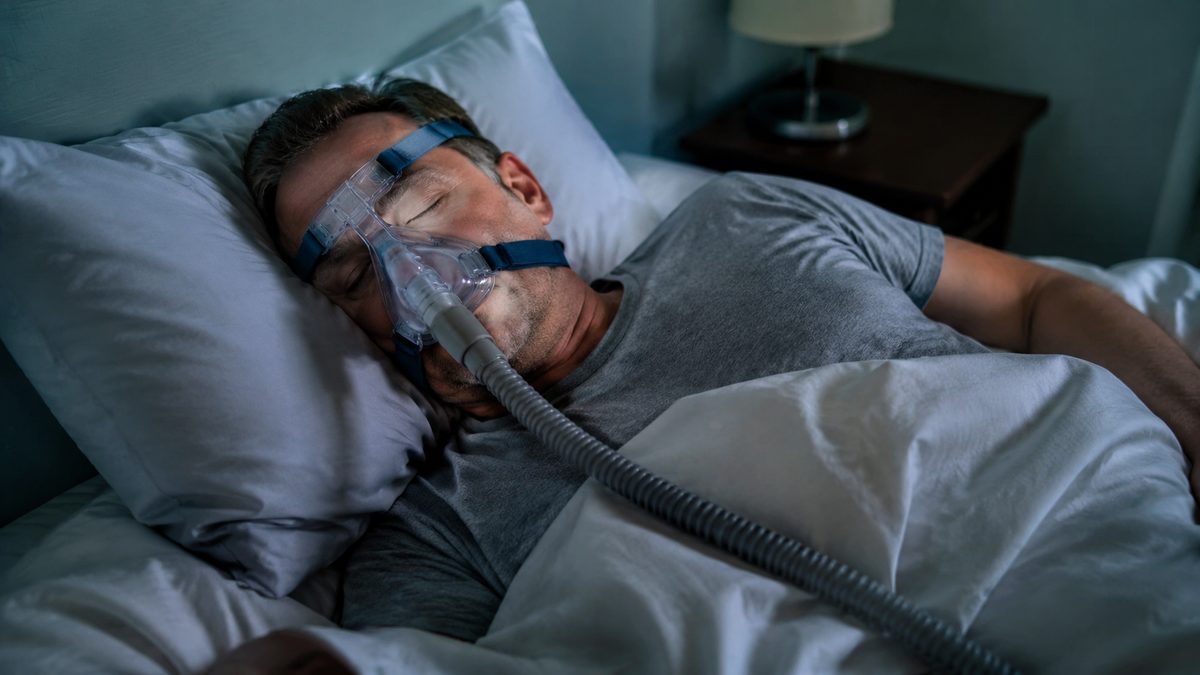
Yes, you can pass away in your sleep from sleep apnea. The condition stops your breathing repeatedly throughout the night. This action starves your brain of oxygen. It strains your heart. Over time, these sudden drops in oxygen trigger heart attacks or strokes. It also triggers fatal heart rhythms during sleep. The risk is high for people with untreated severe sleep apnea.
Has anyone ever passed away from sleep apnea?
Yes, many people have died from sleep apnea. Famous figures like actress Carrie Fisher and singer Jerry Garcia had sleep apnea listed as a major factor in their deaths. This condition affects celebrities. It also affects thousands of everyday people.
When I worked with my client, Arthur, he was fifty-two years old and snored loudly. He often woke up choking. One night, his wife noticed he stopped breathing for over ninety seconds. When he did breathe, he gasped. Arthur did not realize that each gasp put huge stress on his heart. He eventually suffered a stroke in his sleep. His experience shows that the danger is real.
When you stop breathing, your body enters a state of panic. The brain sends a rush of adrenaline to wake you up so you can breathe. This adrenaline spike raises your blood pressure. It makes your heart beat faster. If your heart is already weak, this sudden stress can cause a cardiac arrest. The death certificate might list a heart attack as the cause of death. The actual trigger was the sleep apnea.
What is a dangerously low oxygen level while sleeping?
An oxygen level below ninety percent is dangerous during sleep. Doctors measure this using blood oxygen saturation, or SpO2. A healthy person has an SpO2 level between ninety-five and one hundred percent. When you sleep, your breathing slows, but your level should stay above ninety-two percent.
If your oxygen level drops below ninety percent, your organs begin to suffer. If it drops below eighty percent, you enter a severe state called hypoxia. This state damages your brain and heart tissue.
I remember when my client, Sarah, brought in her sleep study report. Her oxygen levels dropped to seventy-four percent dozens of times every night. She woke up every morning with a severe headache. Her body was essentially suffocating in her sleep.
In animal physiology, some diving mammals can survive low oxygen levels. Whales and seals have high amounts of oxygen-storing proteins in their muscles. Humans do not have this physiology. Our brains need a constant supply of oxygen to function. When oxygen levels drop too low, brain cells begin to die.
When your oxygen level drops, your kidneys release a hormone called erythropoietin. This hormone tells your bone marrow to produce more red blood cells. The body does this to carry more oxygen. However, too many red blood cells make your blood thick. Thick blood is harder to pump. It increases the risk of blood clots. This is how low oxygen levels directly cause strokes and heart attacks.
What are the long term effects of sleep apnea?
Sleep apnea causes serious damage to your body over time. The constant cycle of stopping breathing and waking up damages your blood vessels. This damage leads to chronic high blood pressure. Your heart must work harder to pump blood. This extra work enlarges your heart muscle, which leads to heart failure.
Another long term effect is the damage to your brain. chronic lack of oxygen alters your mental states. You may experience memory loss and severe depression. Chronic fatigue is also common.
In neuroscience, researchers study how sleep apnea disrupts the waste clearance system of the brain. When this system fails, toxins build up. This build up increases your risk of developing dementia. The constant stress also alters your metabolism. People with untreated sleep apnea often develop type 2 diabetes because their bodies become resistant to insulin.
The damage also affects your immune system. Chronic low oxygen levels cause systemic inflammation. This inflammation makes it harder for your body to fight off infections. It also increases your risk of developing chronic pain. Over time, your body becomes worn out by the nightly struggle to breathe.
What is the newest treatment for sleep apnea?
The newest medical treatment for sleep apnea is an implantable device that stimulates the nerves in your airway. This device acts like a pacemaker for your tongue. When you inhale, the device sends a small electrical pulse to the hypoglossal nerve. This pulse moves your tongue forward to keep your airway open. It is a surgical option for people who cannot tolerate standard machines.
Many people prefer natural options. In my practice at homeopathyplus.com.au, I focus on constitutional homeopathy to support the body. We work to improve the tone of the muscles in the throat. When we use homeopathic remedies, we aim to reduce the inflammation in the nasal passages. This helps the body breathe naturally without heavy machines.
One client tried using a CPAP machine but found it too uncomfortable to sleep. We used a tailored homeopathic protocol to address his chronic congestion and muscle tone. Within three months, his snoring decreased significantly. His daytime energy returned. Homeopathy offers a gentle way to support your body's healing processes.
Another new treatment option is myofunctional therapy. This therapy involves exercises for your tongue and facial muscles. The exercises help strengthen the throat muscles so they do not collapse during sleep. When we combine these exercises with homeopathic remedies, we see excellent results.
How does sleep apnea affect your nervous system?
Sleep apnea disrupts the connection between your brain and your respiratory system. In central sleep apnea, the brain fails to send the signal to breathe. This represents one of the unsolved problems in neuroscience. Scientists do not fully understand why the brain occasionally forgets to control breathing during sleep. The nervous system becomes confused, leading to long pauses in respiration.
In obstructive sleep apnea, the physical airway collapses, but the brain keeps trying to breathe. This physical block forces your chest muscles to work harder. The struggle to breathe creates negative pressure in your chest. This pressure pulls fluid into your lungs and strains your heart walls. The nervous system responds by dumping stress hormones into your blood. This keeps you in a light sleep state, preventing you from reaching deep sleep.
This constant activation of the sympathetic nervous system leads to chronic stress. Your body is always in a fight or flight mode. This state drains your energy and damages your nervous system over time. It makes you feel anxious and irritable during the day.
How does homeopathy support sleep apnea recovery?
homeopathy works by stimulating the body's natural defense systems. Instead of forcing the airway open with air pressure, homeopathic remedies help restore the tone of the soft tissues in the throat. In my experience, chronic inflammation of the tonsils or adenoids often narrows the airway. Homeopathic remedies help reduce this swelling.
When we select a remedy, we look at the whole person. We consider your physical symptoms and sleep patterns. We also evaluate your emotional state. For example, some remedies target the mucus membranes to clear congestion. Other remedies support the nervous system to prevent the sudden wake ups and panics during the night.
One client named Robert suffered from severe sleep apnea. He woke up gasping for air every hour. We used a homeopathic remedy called Lachesis. This remedy is known for people who feel constriction in their throat and wake up gasping. After taking the remedy, Robert reported that his throat felt more open. His sleep improved, and his gasping episodes stopped.
Other remedies we use include Opium, Spongia, and Sulphur. In homeopathy, Opium is used for deep, heavy sleep with loud snoring and long pauses in breathing. Why some individuals develop severe tissue relaxation in the throat while others do not remains one of the unsolved problems in biology. By using these remedies, we help the body heal itself. You can find more resources and consult with professionals at homeopathyplus.com.au to explore these natural options.
How to understand the progression of sleep apnea in your body
To understand how sleep apnea damages your health, let us look at the progression from the first symptom to severe illness.
First, the big picture is simple: your airway closes, and you stop breathing.
Next, let us look at the first level of detail. The blockage happens because the muscles in your throat relax too much. This relaxation allows the tongue and soft palate to slide backward. The tonsils can also block the passage. When you try to inhale, these tissues block the windpipe. No air can enter your lungs.
Now, let us look at the second level of detail. When no air enters, your blood oxygen level drops. Carbon dioxide builds up in your blood. This buildup makes your blood acidic. Your brainstem detects this chemical change. It sends a panic signal to your heart and adrenal glands.
Finally, let us look at the deepest level of detail. The panic signal causes your adrenal glands to release adrenaline. This hormone makes your blood vessels constrict. Your blood pressure spikes. Your heart beats faster to pump the low-oxygen blood. This sudden pressure strain can tear the inner lining of your arteries. Over time, these tears collect cholesterol, leading to blocked arteries. If an artery to your heart blocks completely, you suffer a heart attack. If an artery to your brain blocks, you suffer a stroke. This is how a simple throat blockage leads to death.
FAQ
- Can you cure sleep apnea naturally? Yes, you can manage and reduce sleep apnea symptoms naturally. Weight loss and sleeping on your side help. Homeopathic treatments also help restore natural breathing patterns.
- How do you know if you stop breathing in your sleep? The most common signs are loud snoring and waking up gasping for air. Waking up with a dry mouth is another sign. A sleep study is the only way to confirm the diagnosis.
- Does sleeping on your side help sleep apnea? Yes, sleeping on your side prevents gravity from pulling your tongue and throat tissues backward. This keeps your airway open.
- Can anxiety cause sleep apnea? Anxiety does not cause physical obstruction of the airway. It can, however, alter your breathing patterns. It can also make sleep apnea symptoms feel more intense.
- How long can you stop breathing during sleep apnea? People can stop breathing for ten seconds to over a minute. These pauses can happen dozens of times per hour. Each pause starves your body of vital oxygen.
- Is sleep apnea hereditary? Yes, the physical structure of your jaw and throat can be passed down. If your parents had sleep apnea, you are at a higher risk.
Action steps to protect your sleep
If you suspect you have sleep apnea, you must act quickly. Follow these four steps to protect your health:
- Schedule a sleep study to measure your oxygen levels.
- Change your sleeping position to your side to keep your airway open.
- Visit homeopathyplus.com.au to learn about natural homeopathic remedies.
- Work with a professional to strengthen your airway muscles.
Take control of your sleep health today by getting a professional evaluation and seeking natural support.

What Are 10 Signs That My Body Is Healthy?
Read article →
How to Tell if Your Body Is Unhealthy?
Read article →
What Are Signs of Poor Function Health?
Read article →
What Are Some Weird Signs That My Body Is Healthy?
Read article →
What Are Five Signs That I Might Not Be Healthy?
Read article →