Can You Reverse Sleep Apnea? What the Evidence Actually Says
Yes, you can reverse sleep apnea in many cases. If obesity is driving it, weight loss is the most reliable path to full remission. Losing just 7 to 11% of your body weight produces real, measurable improvement.
Lose more, and your odds of complete remission go up significantly. This is not a maybe. The research is consistent across dozens of studies.
The catch is keeping the weight off. Sleep apnea tends to come back if the weight does. And if your apnea is caused by jaw structure, enlarged tonsils, or something structural rather than weight, you may need a different approach entirely.
What Is Actually Happening When You Have Sleep Apnea?
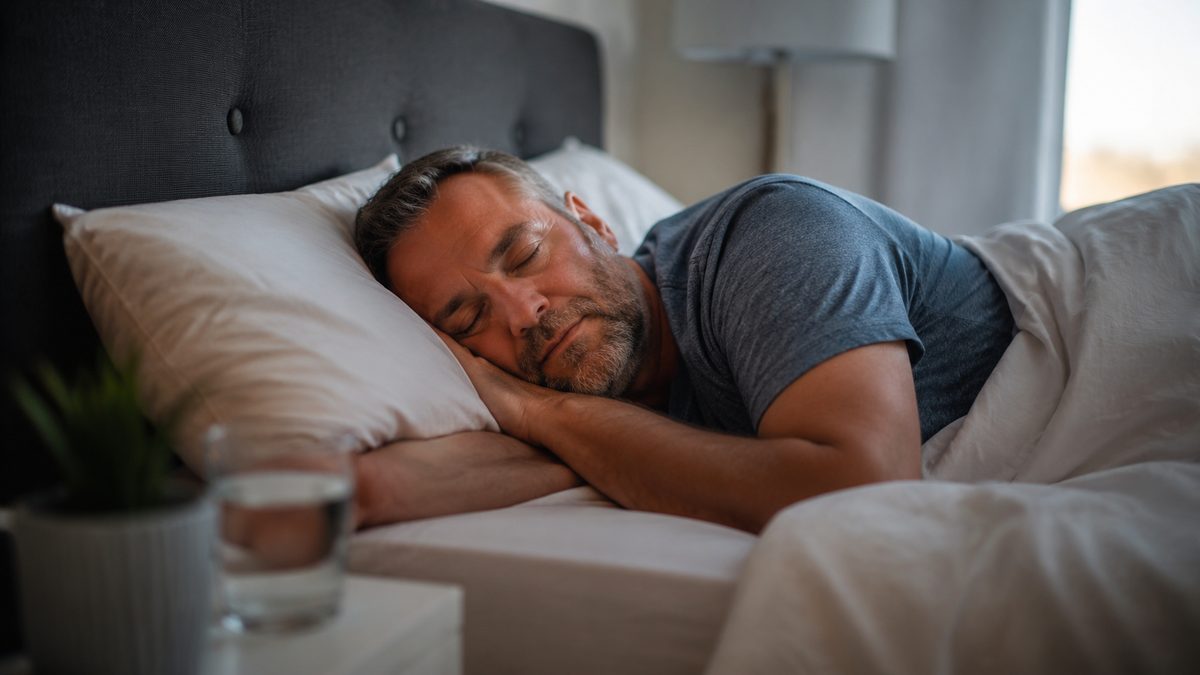
Your airway collapses during sleep. Not partially. It closes off completely, sometimes dozens or hundreds of times a night. Each time it does, your oxygen drops, your brain jolts you awake just enough to reopen it, and the cycle repeats.
Obstructive sleep apnea is the most common type. Excess fat around the neck and throat narrows the airway. When your muscles relax during sleep, that narrowed airway collapses under the weight.
Central sleep apnea is different. That's a signaling problem where your brain doesn't send the right message to breathe. Central apnea is less common and responds differently to treatment. Beyond CPAP, newer treatment options are emerging for managing central apnea.
The downstream effects go well beyond snoring and tiredness. Untreated sleep apnea is linked to heart problems including atrial fibrillation, elevated blood pressure, and increased risk of heart failure. Oxygen desaturation night after night puts serious strain on your cardiovascular system.
There's also a real mental health burden. Many of my clients come in describing brain fog, low mood, and what they assume is burnout. In a number of those cases, disordered breathing at night is a major contributing factor.
Can Sleep Apnea Ever Go Away on Its Own?
Rarely, and not without a reason. Sleep apnea does not just resolve by itself. Something has to change.
What I've seen in practice is that when people make genuine lifestyle changes, especially around weight, sleep position, and alcohol use, symptoms improve meaningfully. But the condition doesn't disappear because you ignored it long enough.
There are exceptions. In children, enlarged tonsils are a common cause. Removing them often resolves the apnea completely. Some people develop temporary sleep apnea during significant weight gain or after a medication change, and it clears once those factors are addressed.
But in the typical adult with established obstructive sleep apnea, it won't go away without active intervention.
How Much Weight Do You Have to Lose to Reverse Sleep Apnea?
The evidence points to 7 to 11% of your starting body weight as the threshold where real improvement begins. So if you weigh 100 kg, losing 7 to 11 kg moves the needle. That's not a huge number, and it's absolutely achievable without surgery.
What I tell clients is this: don't wait until you've lost a lot of weight to expect any benefit. The airway responds faster than most people think.
One of my clients dropped 8 kg over about three months through diet changes alone. Her partner noticed the snoring was nearly gone before she even went back for her follow-up sleep study. Her apnea-hypopnea index had dropped by more than half.
More weight loss generally means better results. In one study of 89 men with moderate to severe obstructive sleep apnea, a structured weight loss program combined with CPAP produced significant improvements across all severity markers. The combination worked better than either approach alone.
Full remission, meaning sleep apnea that meets no clinical criteria anymore, becomes more likely with larger weight loss. Bariatric surgery is where you see the most dramatic numbers.
Does Bariatric Surgery Actually Reverse Sleep Apnea?
It's the most effective single intervention we have for obesity-related sleep apnea. Across 32 studies involving 2,310 patients, bariatric surgery reduced BMI by an average of 11.9 kg/m² and cut apneic events by 19.3 per hour. Sixty-five percent of patients achieved full remission.
In direct comparisons between surgical and non-surgical weight loss, surgical patients reduced apneic events by 29 per hour compared to smaller but still real reductions in the non-surgical group. Both approaches work. Surgery produces faster and larger results.
Among teenagers with severe obesity undergoing bariatric surgery, 54% had sleep apnea at baseline, with 43% having severe disease. Early data from that group showed substantial improvement following surgery. This matters because it shows the relationship between weight and airway obstruction holds across age groups, not just middle-aged adults.
Surgery is not a casual option. It carries real risks and requires significant lifestyle commitment afterwards. But for people with severe obesity and severe sleep apnea, the evidence for remission is stronger here than anywhere else.
Can You Naturally Reverse Sleep Apnea Without Surgery?
Yes, though it takes consistent effort and the right combination of changes. Natural reversal is most realistic when excess weight is the primary driver and when the apnea is mild to moderate rather than severe.
What works without surgery:
- Weight loss through diet and exercise. The 7 to 11% threshold applies regardless of how you lose the weight. Structured programs that combine calorie reduction with increased physical activity show consistent results.
- Sleep position changes. Back sleeping makes apnea significantly worse in many people because gravity pulls tissue into the airway. Side sleeping alone can reduce events by 50% in position-dependent apnea. I know this because I've seen clients with mild apnea get it completely under control just by training themselves to sleep on their side.
- Alcohol reduction. Alcohol relaxes throat muscles and makes airway collapse more likely. Cutting it out, especially in the hours before sleep, reduces severity noticeably.
- Myofunctional therapy. Exercises that strengthen the tongue, throat, and jaw muscles have real evidence behind them. They're not a standalone cure for severe apnea, but they contribute meaningfully as part of a broader approach.
- Treating nasal congestion. If chronic nasal blockage is forcing mouth breathing, addressing that with saline rinses, allergy treatment, or a nasal corticosteroid can reduce the severity of nighttime obstruction.
What I've found is that most people underestimate how much a few simultaneous changes add up. One of my clients tried each thing separately and saw minimal results. When she combined side sleeping, reduced alcohol, and a 6 kg weight loss over four months, her follow-up study showed she no longer met the clinical criteria for sleep apnea.
She had severe apnea to begin with. That surprised even her doctor.
What Is the 4% Rule for Sleep Apnea?
The 4% rule refers to how oxygen desaturation is measured in sleep studies. A standard sleep study records how often your blood oxygen level drops by 4% or more from baseline during sleep. Each of these drops is called a desaturation event, and the frequency of them helps classify severity.
This matters clinically because the 4% threshold is the most commonly used cutoff for defining a meaningful oxygen dip. Studies use it to count how severe the breathing disruption is. When researchers compare treatments, the reduction in 4% desaturation events is one of the key numbers they report.
Tirzepatide, a newer weight-loss drug, showed early improvements in these desaturation events within weeks of starting treatment, with effects directly tied to the degree of weight loss achieved.
You may hear it referred to as the oxygen desaturation index or ODI-4. If you've had a sleep study, your report likely includes this number. A higher ODI-4 means more frequent oxygen drops and more strain on your heart and brain through the night.
What About CPAP? Does It Reverse Sleep Apnea or Just Manage It?
CPAP manages sleep apnea. It doesn't reverse it. Continuous positive airway pressure keeps your airway open by delivering a constant stream of pressurized air through a mask while you sleep. It works extremely well while you use it. The moment you stop, the apnea returns.
CPAP is the gold standard treatment for moderate to severe obstructive sleep apnea because it reliably eliminates apneic events and protects your cardiovascular system while you work on root-cause changes like weight loss. Using CPAP and losing weight at the same time is a sound strategy. The CPAP protects you now. The weight loss works toward actual reversal. A comprehensive approach to sleep apnea management combines CPAP with lifestyle interventions.
Where I see problems is when CPAP becomes a reason not to address the underlying cause. I've spoken to people who have been on CPAP for ten years and never been told that losing weight could change their situation. That's a significant gap in how this condition is often managed.
Three Things Most Articles Get Wrong About Reversing Sleep Apnea
1. They treat CPAP as the endpoint. CPAP is a management tool, not a cure. It's the right first step for many people, but it shouldn't be the final destination if weight loss is a realistic option for you. The goal of treatment should be remission, not just controlled symptoms.
2. They ignore the structural causes. Not all sleep apnea is weight-driven. A narrow jaw, a low-hanging soft palate, or a large tongue relative to airway size can cause apnea in people who aren't overweight at all. In those cases, weight loss won't produce remission. Surgical correction of the airway structure may be necessary. Misidentifying the cause leads to years of ineffective treatment.
3. They underestimate how fast improvement can happen. Most people assume sleep apnea reversal is a long, slow process requiring massive weight loss. The evidence says otherwise. Meaningful clinical improvement begins at 7% weight loss. New pharmaceutical options like tirzepatide showed measurable reductions in apneic events and oxygen desaturation within weeks of starting, not months. The timeline for improvement is often faster than expected when the right intervention is matched to the right cause.
Frequently Asked Questions
Can sleep apnea come back after it has been reversed?
Yes. If you lost weight and the apnea resolved, regaining that weight will typically bring the apnea back. Reversal is not permanent unless the underlying cause is permanently addressed. For people who maintained weight loss over years, remission tends to hold. For structural corrections via surgery, results are generally more durable.
Is mild sleep apnea easier to reverse than severe?
Generally, yes. Mild apnea responds well to lifestyle changes alone. Severe apnea often requires a combination of approaches and may need CPAP or surgery as part of the picture.
That said, even severe apnea reaches full remission in 65% of cases after bariatric surgery, so severity doesn't make reversal impossible.
Can children reverse sleep apnea?
Often yes, and more completely than adults. Enlarged tonsils and adenoids are the most common cause in children. Removing them resolves the apnea in the majority of cases. Weight is also a factor in children, and the data from adolescent bariatric surgery shows significant improvement following weight loss.
Does sleep apnea cause permanent damage if left untreated?
Over time, yes. Repeated oxygen drops put chronic stress on the heart and blood vessels. Long-term untreated sleep apnea is associated with higher rates of atrial fibrillation, hypertension, and increased cardiovascular risk.
There's also real cognitive impact from years of fragmented sleep. Earlier treatment means better outcomes.
Are there homeopathic or natural approaches that support sleep apnea recovery?
Supportive natural approaches can play a role alongside the main interventions. Reducing inflammation, supporting healthy metabolism, addressing underlying fatigue, and improving sleep quality through constitutional care are areas where a holistic approach adds value.
These work best as part of a broader plan that includes weight management and any necessary medical treatment, rather than as a replacement for evidence-based interventions.
What to Do Now
If you have sleep apnea and excess weight is part of the picture, start with a realistic weight loss target of 7 to 10% of your current body weight. That's the point where clinical improvement begins, and it's achievable within a few months through consistent dietary change and increased movement.
Track your symptoms as you lose weight. Many people notice changes in snoring, daytime energy, and morning headaches well before a follow-up sleep study confirms improvement. Use those changes as motivation.
If your apnea is severe, use CPAP while you work on the underlying cause. Don't use it as a reason to stop working on root causes.
Get a proper diagnosis before assuming the type and cause of your apnea. The right treatment depends on knowing what's actually driving it. A sleep study gives you that information.
Sources

What Are 10 Signs That My Body Is Healthy?
Read article →
How to Tell if Your Body Is Unhealthy?
Read article →
What Are Signs of Poor Function Health?
Read article →
What Are Some Weird Signs That My Body Is Healthy?
Read article →
What Are Five Signs That I Might Not Be Healthy?
Read article →