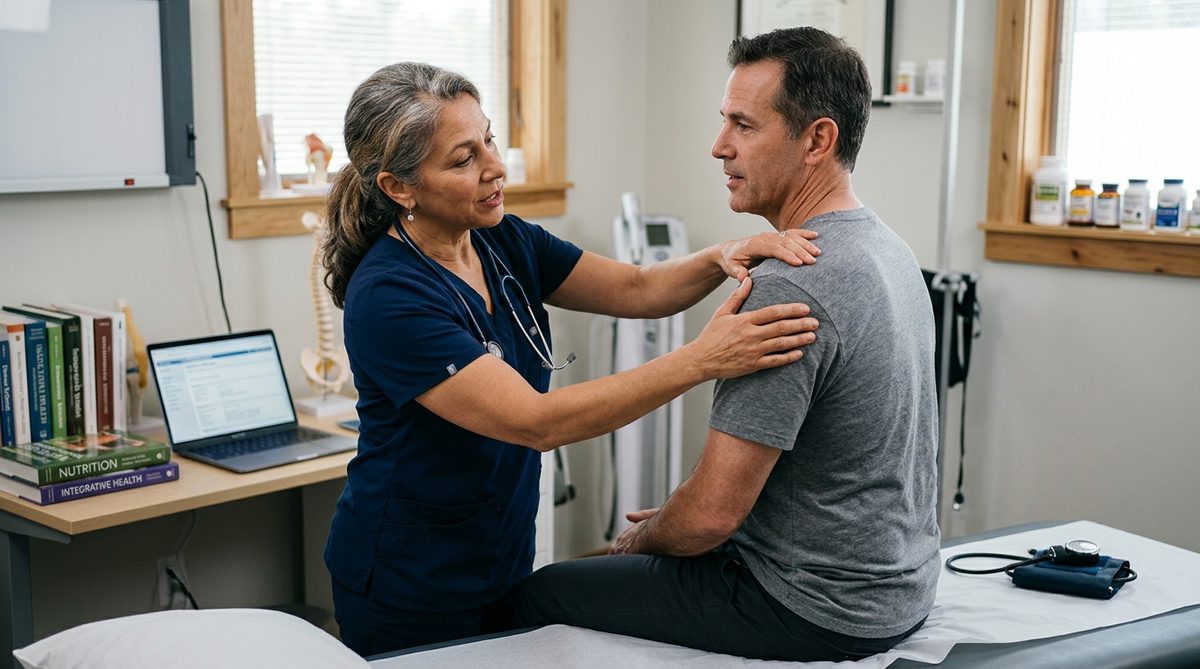
Does Naturopathy Really Work?
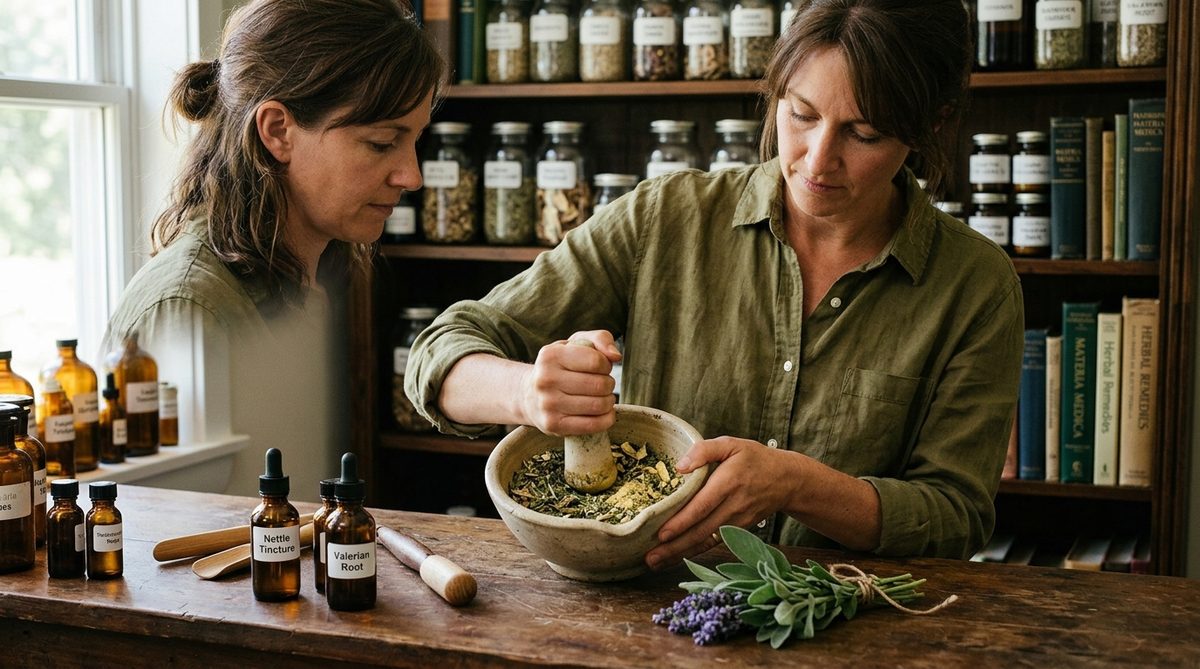
Naturopathy can help with some health goals, but it is not one proven treatment for every illness. Its value depends on the method, the health problem, the practitioner’s skill, and the strength of the evidence.
Advice on food, sleep, movement, or stress may help when it fits the person. Some forms of Herbal medicine may ease certain symptoms. Other claims have weak evidence or no sound proof. qualified practitioner qualified practitioner qualified practitioner
The useful question isn’t whether all naturopathy works. It’s whether a specific Therapy has been shown to help a specific condition at a safe dose. That question guards against sweeping promises while leaving room for treatments with real value.
What does naturopathy include?
Naturopathy is a broad approach to health. A visit may cover food choices, sleep, exercise, stress, daily habits, herbs, and a Dietary supplement. Some practitioners also offer forms of Alternative medicine such as homeopathy, flower essences, massage, or hydrotherapy.
These methods don’t work in the same way. A nutrition plan changes food intake. A herb contains active chemicals.
Massage affects tissue and the nervous system. A homeopathic product is made under a different system. Judging them as one treatment makes little sense.
This is where many public debates go off track. Supporters may see every natural method as useful because one part helped. Critics may reject the lot because another method lacks evidence. Each claim needs its own test.
A naturopathic consultation may still help even when no product is needed. A detailed talk can uncover missed meals, poor sleep, excess alcohol, or a routine that makes symptoms worse. The benefit comes from spotting a practical cause and changing it, not from the naturopathic label.
How can you tell which parts work?
Evidence-based medicine asks whether a treatment works better than a placebo, normal care, or another treatment. It also weighs risk, cost, and research quality. This method applies to drugs, herbs, diets, and other health practices.
A Randomized controlled trial gives the treatment to one group and a comparison to another. Random assignment helps limit hidden differences between the groups. A well-run Clinical trial also states which outcome it will measure before the results are known.
That matters. It lowers the chance that researchers will focus only on a favourable result.
One positive study is rarely enough. Small studies can give false or misleading results by chance. Confidence grows when several good studies find a similar effect.
The effect should matter in daily life too. A tiny change on a lab test may mean little if the person feels no better and avoids no illness.
Personal stories can point researchers toward useful questions, but they can’t prove cause. Symptoms often rise and fall. People may also start several treatments at once.
Belief and extra attention can change pain, sleep, nausea, and how symptoms are reported.
In my experience of assessing health claims, the missing question is often, “What else changed at the same time?” If someone starts a supplement, sleeps an extra hour, and cuts back on alcohol, the supplement can’t claim all the credit.
Which naturopathic methods have the strongest support?
Lifestyle care has the clearest role when it follows known health guidance and suits the person. Better food quality can improve nutrient intake. Regular movement can support heart health and blood sugar control.
A sound sleep plan can improve daytime function. These steps are also part of standard medical care because their effects have been studied.
Some Herbal medicine products have evidence for narrow uses. Results depend on the plant species, preparation, dose, and condition. Evidence for one extract doesn’t prove that every product made from the same plant will work.
Quality counts. The amount of an active compound can vary between products.
A Dietary supplement is most likely to help when it fixes a known shortage or meets a clear need. Iron may help iron deficiency, but taking it without testing can cause harm or hide the cause of blood loss. Vitamin B12 may be needed with some diets or absorption problems.
More isn’t always better. And “natural” doesn’t mean harmless.
Hands-on care and relaxation methods may help some people handle short-term pain or stress. The goal should be clear and easy to measure. A person might track sleep time, headache days, bowel symptoms, or how far they can walk.
Without a measure, a vague feeling of progress can keep a useless plan going for months.
Why do some people report strong results?
A good result can be real even when the first explanation is wrong. Symptoms may improve due to a useful lifestyle change, the natural course of the illness, normal care received at the same time, or the attention given during a long visit.
Imagine a client who seeks care for low energy. The practitioner asks detailed questions and learns that the client skips lunch, sleeps five hours, and drinks several coffees late in the day. Six weeks after changing that routine, the client feels much better.
Naturopathic care helped. But the result doesn’t prove that an added herbal blend treated a hidden disease.
Expectation can also change how someone feels. That doesn’t mean the symptoms were fake. Pain, fatigue, nausea, and stress are shaped by the brain as well as the body.
A caring visit and a clear plan can change those experiences. Trouble starts when that improvement is used as proof that an untested product cures the cause of a serious illness.
People also recall striking recoveries more easily than failed attempts. Someone who improves may post a review. Someone who notices no change often stops treatment and says nothing.
So testimonials give a skewed view of the success rate.
Where does naturopathy fall short?
Naturopathy falls short when a practitioner promises to cure many unrelated conditions with the same product, rejects proper testing, or presents a theory as fact. Claims about “detoxing,” vague imbalances, or hidden sensitivities need the same proof as any other health claim.
It also fails when it delays a Medical diagnosis. Tiredness may come from poor sleep, but it can also be linked to anaemia, thyroid disease, infection, or another condition. Ongoing bleeding, unexplained weight loss, a new lump, severe pain, or worsening weakness needs medical assessment.
A wellness plan can’t replace that step.
Homeopathy is sometimes offered within naturopathic practice, but it should be judged on its own. Its products and theory differ from nutrition and herbal care. Evidence for a food change or plant extract doesn’t carry over to homeopathy.
Each claimed use needs its own sound evidence.
Another missed point is opportunity cost. A product may cause no direct injury yet still cost money, delay useful care, or pull attention from a change that would help. “No known harm” is too low a bar.
Can natural treatments cause harm?
Yes. Any active treatment can have an Adverse effect. Herbs may cause nausea, allergic reactions, liver injury, blood pressure changes, or other unwanted effects. cause harm
Supplements can also cause harm when the dose is too high or the product contains an undeclared ingredient.
A Drug interaction can happen when a herb or supplement changes how a medicine works. It may raise the medicine level, lower it, or add to the same effect. This matters with blood thinners, seizure medicines, immune-suppressing drugs, and treatments with a narrow safe dose.
Tell both your naturopath and your Medical doctor about every product you take. Include teas, powders, drops, vitamins, and products you use only now and then. Bring the bottles or clear photos of the labels.
The exact ingredients and doses matter more than the brand story.
Pregnancy, breastfeeding, childhood, liver disease, and kidney disease call for extra care. A product used safely by a healthy adult may be unsafe in these cases. Stop and seek prompt advice if a new treatment causes swelling, trouble breathing, yellow skin, fainting, severe vomiting, or a fast decline.
What should a safe naturopathic plan look like?
A safe plan starts with a clear goal. “Improve health” is too vague. “Reduce migraine days from eight a month to four” gives you something to track.
The practitioner should explain what is offered, why it might work, how long a fair trial will take, and which risks apply.
The plan should also respect normal medical care. A responsible practitioner won’t tell you to stop a prescription without speaking with the prescriber. They refer you for tests or urgent care when symptoms fall outside their scope.
Ask how progress will be judged. Set a review date before treatment starts. If the target isn’t met, don’t keep adding products without a fresh assessment.
A longer list can raise costs and interaction risks. It also makes it harder to know what caused any change.
In a practical trial, change one main factor when possible. Record the symptom before starting, keep other care steady, and check the result at the agreed time. This simple method can’t replace research, but it can cut confusion in personal care.
What should you ask before booking?
Ask about training, registration, and experience with your concern. Rules for naturopaths differ by place, so a title alone may not show their level of education. Find out whether the practitioner works with medical clinicians and how they handle warning signs.
Useful questions include:
- What exact outcome is this treatment meant to improve?
- What evidence supports this use and dose?
- What side effects or interactions should I watch for?
- How much will the full plan cost?
- When should I stop or seek medical care?
- Will you give me the ingredient list and dose in writing?
Be wary if the answers rest on secret formulas, sales pressure, or claims that one test explains nearly every symptom. Package deals and large supplement orders can create a financial reason to keep treatment going. A sound practitioner should welcome questions and second opinions.
How should you decide if naturopathy is right for you?
Use naturopathy as added care when the goal is clear, the method has reasonable evidence, and the risk is low. Keep standard care involved if you have a diagnosed condition, take prescription medicine, or have symptoms that need investigation.
Don’t judge the whole field by its best or weakest method. Judge the exact claim. Ask whether people like you were studied, whether the result mattered, and whether the product matches the one tested.
Then weigh the likely gain against cost, side effects, and the risk of delay.
Naturopathy works best as a careful process for choosing useful habits and selected treatments. It works poorly when belief replaces testing or natural products get a free pass from safety checks.
Your next step: choose one clear health goal, take your full product list to a qualified practitioner and your medical clinician, then agree on a safe treatment, a way to measure progress, and a firm review date before you begin.

What Are 10 Signs That My Body Is Healthy?
Read article →
How to Tell if Your Body Is Unhealthy?
Read article →
What Are Signs of Poor Function Health?
Read article →
What Are Some Weird Signs That My Body Is Healthy?
Read article →
What Are Five Signs That I Might Not Be Healthy?
Read article →