Does Wiggling Your Toes Help Neuropathy? What the Evidence Actually Says
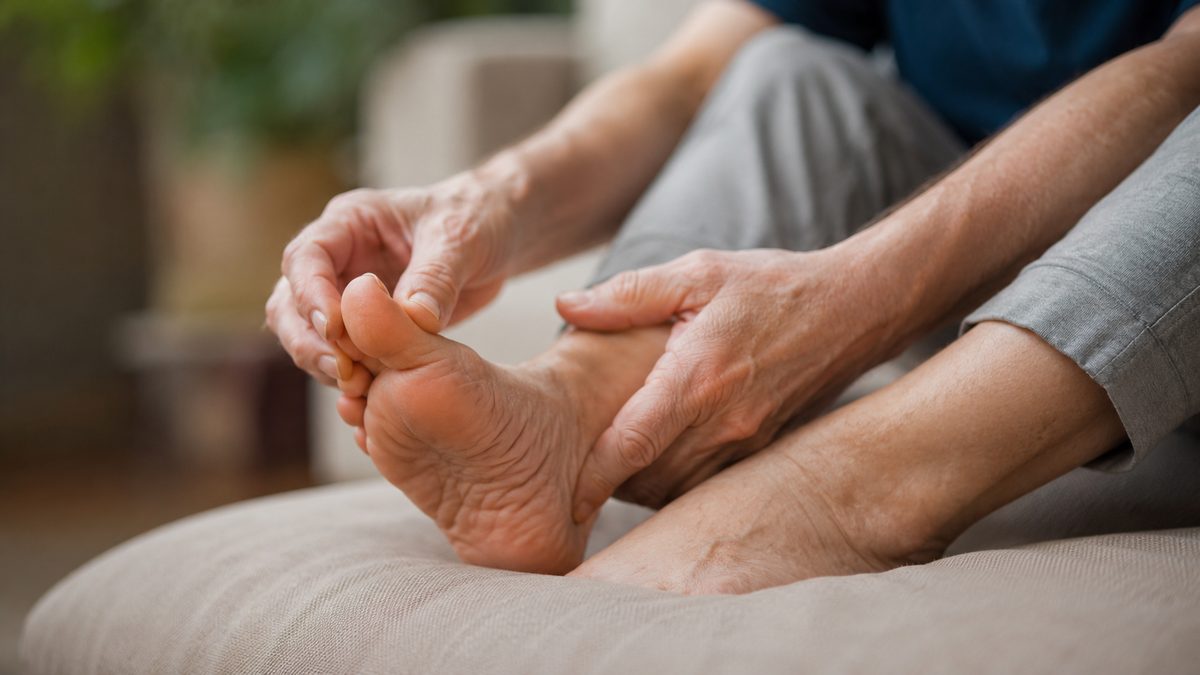
Wiggling your toes can help with neuropathy as part of a broader routine. It keeps joints mobile, stimulates nerve pathways, and nudges blood flow to the feet.
Do 10 to 15 toe wiggles two or three times a day. It's low-risk and easy to do anywhere. It won't reverse serious nerve damage on its own, but it helps maintain the connection between your brain and your feet, and that matters more than most people realize.
The honest answer is that no study has tested toe wiggling for neuropathy directly. But clinical consensus and adjacent research on movement, nerve stimulation, and sensory feedback all point the same way: regular, intentional movement of affected limbs supports nerve health and slows functional decline.
Can You Wiggle Your Toes With Neuropathy?
It depends on how far the neuropathy has progressed. In early to moderate peripheral neuropathy, most people can still move their toes, even if they feel numb or tingly. The motor nerves that control movement and the sensory nerves that carry feeling are different nerve fibers.
Sensory loss often comes before motor loss. You might feel nothing but still be able to wiggle.
In severe neuropathy, motor function can drop too. If you genuinely cannot move your toes, that signals significant nerve damage and you need a physical therapist, not a self-help routine.
In my experience, people with mild to moderate neuropathy are often surprised they can still move their toes. They stopped trying because the numbness made them assume movement was gone. It usually isn't.
What Does Toe Wiggling Actually Do for Your Nerves?
When you wiggle your toes, a few things happen at once.
- Nerve activation. Movement sends signals along motor and sensory nerve pathways. Research on nerve injury recovery shows that movement combined with sensory feedback helps the nervous system maintain and rebuild functional connections. Your brain needs regular input from the feet to keep those pathways active.
- Blood flow. Small muscle contractions in the toes and feet pump blood through the capillaries. Peripheral neuropathy is often tied to poor circulation, especially in diabetic neuropathy. Anything that moves blood to the extremities helps deliver oxygen and nutrients to damaged nerves.
- Proprioception practice. Proprioception is your body's sense of where it is in space. Neuropathy disrupts this, which is why people with foot neuropathy fall more often. Intentional movement, even small movements, gives the nervous system practice at sensing position.
- Joint mobility. Neuropathy can lead to stiffness because people stop using affected areas. Toe wiggling keeps the small joints of the foot moving and prevents that stiffness from compounding the problem.
None of this is magic. But none of it is trivial either.
Has Anyone Ever Reversed Peripheral Neuropathy?
Yes. Reversal is possible, but it depends entirely on the cause.
Neuropathy caused by a correctable problem, like vitamin B12 deficiency, alcohol use, or poorly controlled blood sugar, can improve significantly when you fix the root cause. Diabetic peripheral neuropathy shows measurable improvement in nerve function when blood glucose is tightly controlled over time. The nerves don't fully regenerate overnight, but function comes back.
Neuropathy from chemotherapy, autoimmune disease, or genetic conditions is harder to reverse. In those cases, the goal shifts from reversal to slowing progression and managing symptoms.
Here's the key point: reversal requires treating the cause, not just the symptoms. Toe wiggling, supplements, and physical therapy all support recovery, but they can't reverse neuropathy if the underlying driver is still active.
How to Get Rid of Neuropathy in Your Toes
There's no single answer because neuropathy has many causes. But here's what the evidence and clinical practice consistently support.
1. Control the Root Cause
This is the most important step and the one most people skip because it's harder than taking a supplement.
- Diabetic neuropathy responds to tight blood sugar control. HbA1c targets matter.
- Alcohol-related neuropathy improves with abstinence and B vitamin repletion.
- B12 deficiency neuropathy responds to B12 supplementation or injections.
- Thyroid-related neuropathy improves with thyroid treatment.
2. Move Every Day
Regular aerobic exercise, walking, cycling, swimming, improves nerve conduction velocity and reduces neuropathy symptoms in multiple studies. Movement drives blood flow, reduces inflammation, and keeps nerve pathways active.
Toe wiggling fits here as a low-barrier starting point, especially for people who can't walk comfortably yet.
3. Sensory Stimulation
Research on sensory nerve stimulation in diabetic neuropathy found measurable effects on nerve function after targeted stimulation. This isn't the same as toe wiggling, but it supports the broader principle that stimulating affected nerves, rather than resting them, tends to produce better outcomes.
Walking barefoot on safe, varied surfaces, using foot massage, or doing balance exercises on unstable surfaces all give the nervous system sensory input it needs to maintain function.
4. Nutrition
B vitamins, especially B1, B6, and B12, are directly involved in nerve health. Alpha-lipoic acid has the most evidence for diabetic neuropathy specifically, with multiple trials showing symptom reduction. Magnesium and omega-3 fatty acids also appear in the research as supportive.
5. Footwear and Protection
Numb feet can't feel injury. A small cut or blister can become a serious wound before you notice it. Well-fitted shoes with cushioning and no pressure points aren't optional for people with foot neuropathy. They're essential.
6. Balance and Strength Training
Neuropathy increases fall risk significantly. Targeted balance work, standing on one leg, heel-to-toe walking, calf raises, rebuilds the proprioceptive feedback loop that neuropathy disrupts. This is where physical therapy earns its place.
What Do the Japanese Do for Neuropathy?
Japanese clinical and traditional practice for neuropathy leans on a few approaches that are worth knowing about.
Acupuncture is widely used in Japan for peripheral neuropathy, particularly chemotherapy-induced neuropathy. Japanese acupuncture tends to use finer needles and lighter stimulation than Chinese styles. Several trials show it reduces pain and improves sensory function in neuropathy patients.
Kampo medicine is Japan's formalized herbal medicine system. Formulas like Goshajinkigan are prescribed specifically for peripheral neuropathy, particularly in diabetic and chemotherapy patients. Clinical trials in Japan have shown it reduces numbness and cold sensitivity in the feet.
Foot baths and thermal therapy are common in Japanese wellness culture. Warm foot soaks improve peripheral circulation. For neuropathy patients, this needs to be done carefully because numb feet can't detect water that's too hot, but the circulatory benefit is real.
Walking and daily movement are deeply embedded in Japanese daily life. The average daily step count in Japan is among the highest in the world. This isn't a neuropathy-specific intervention, but consistent low-intensity movement is one of the most evidence-supported things you can do for nerve health.
Does wiggling your toes help neuropathy more than other foot exercises?
No. Toe wiggling is the easiest entry point, not the most effective exercise. It's useful because it requires no equipment, no space, and no pain tolerance. You can do it in bed, at a desk, or watching television.
But ankle circles, calf raises, towel scrunches with the toes, and marble pickups all engage more muscle and nerve tissue. Variety matters. Different movements activate different nerve pathways and muscle groups. Toe wiggling alone isn't enough, but it's a reasonable daily habit alongside more demanding exercises.
When Toe Wiggling Is Not Enough
See a doctor or neurologist if you notice any of these.
- You can't move your toes at all
- Numbness is spreading up your legs
- You have wounds on your feet that aren't healing
- You're falling or losing balance regularly
- Pain is severe or waking you at night
- Symptoms appeared suddenly rather than gradually
These are signs that neuropathy is progressing or that something else is going on. Self-management has a ceiling and these symptoms are past it.
FAQ
How many times a day should I wiggle my toes for neuropathy?
10 to 15 repetitions, two to three times a day is a reasonable starting point. Do it slowly and with intention, not just as a nervous habit. The goal is to send clear signals along the nerve pathway, so focus on the movement while you do it.
Can toe wiggling make neuropathy worse?
No. Gentle movement doesn't damage nerves. The only risk is if you have an open wound or active infection on your foot, in which case movement could aggravate the injury. Otherwise, toe wiggling is safe.
Does neuropathy ever go away on its own?
Sometimes. Neuropathy caused by a temporary trigger, like a medication, a short-term vitamin deficiency, or a single nerve compression, can resolve when the trigger is removed. Chronic neuropathy from long-term diabetes or genetic causes doesn't go away on its own, but it can be managed and sometimes improved with treatment.
Is tingling in the toes always neuropathy?
No. Tingling can come from sitting in a position that compresses a nerve temporarily, from anxiety, from poor circulation, or from a pinched nerve in the spine. Persistent tingling that doesn't resolve with position changes, or that comes with numbness, weakness, or burning, is worth investigating.
What is the fastest way to relieve neuropathy pain in the feet?
For immediate relief, warm foot soaks, gentle massage, and over-the-counter topical treatments like capsaicin or lidocaine can reduce pain short-term. For lasting relief, the fastest path is identifying and treating the cause. There's no shortcut past that step.
The Bottom Line
Wiggling your toes is worth doing. It's not a treatment, but it's a useful daily habit that keeps nerve pathways active, maintains joint mobility, and supports circulation in the feet. Combine it with real neuropathy management, controlling the root cause, daily movement, good nutrition, and proper footwear, and it earns its place in the routine.
The people who see the most improvement with neuropathy are the ones who treat it as a whole-body problem, not a foot problem. Blood sugar, diet, movement, sleep, and stress all feed into nerve health. Toe wiggling is one small piece of that picture. Small pieces add up. Continue with the Conditions in the archive collection.
Sources

What Are 10 Signs That My Body Is Healthy?
Read article →
How to Tell if Your Body Is Unhealthy?
Read article →
What Are Signs of Poor Function Health?
Read article →
What Are Some Weird Signs That My Body Is Healthy?
Read article →
What Are Five Signs That I Might Not Be Healthy?
Read article →