How Can a Doctor Tell if I Have Sleep Apnea?

A doctor tells if you have sleep apnea by evaluating your airway structure, reviewing your sleep symptoms, and analyzing data from a sleep study. They look for signs of physical blockage in your throat. They also measure how often you stop breathing during the night.
How does a doctor evaluate your airway?
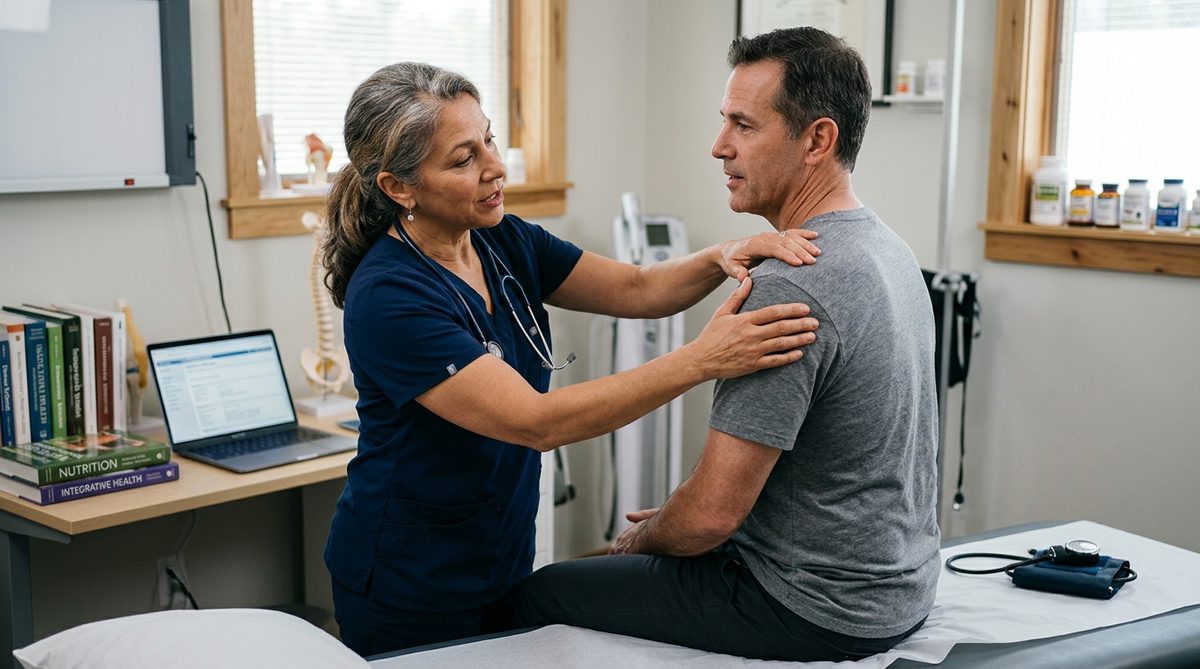
Your doctor will start with a physical exam. They inspect your mouth and throat to find structural issues that block your breathing. During the exam, they look at the size of your tonsils and the position of your tongue.
Doctors use a tool called the Mallampati score. This score ranks the space in the back of your throat from class 1 to class 4. Class 1 means your throat is wide open. Class 4 means your soft palate is hard to see because your tongue blocks the view. If you have a class 3 or class 4 airway, your risk of sleep apnea is much higher.
I remember when a client named Sarah came to see me. She was exhausted every day but did not believe she had sleep apnea because she did not snore. When I suggested she see her doctor for an exam, the doctor found she had a very high, narrow palate. This narrow structure squeezed her nasal passages. It made breathing through her nose difficult at night. Her tongue had no room to sit flat in her mouth, so it fell backward into her throat when she slept. This physical examination is the first step in identifying the issue.
Your doctor also checks your neck circumference. A neck size larger than 17 inches for men or 16 inches for women indicates extra tissue. This tissue can press down on your windpipe during deep sleep. They will also look for nasal issues. A deviated septum or swollen nasal tissues make breathing difficult and force you to mouth breathe.
What are 5 symptoms of sleep apnea?
Doctors look for specific signs that occur when you sleep and when you are awake. Here are 5 symptoms of sleep apnea that suggest your airway is collapsing during the night.
- Loud and frequent snoring: This is the most common sign. The sound occurs when air struggles to pass through a narrowed airway, causing the tissues to vibrate.
- Choking or gasping during sleep: Partners usually notice this symptom first. You may make sudden snorting sounds as your body fights for air.
- Extreme daytime sleepiness: You might fall asleep while reading or driving. This happens because your brain wakes up dozens of times to restart your breathing, which destroys your sleep quality.
- Morning headaches: When you stop breathing, carbon dioxide builds up in your blood. This gas dilates the blood vessels in your brain, causing you to wake up with a dull headache.
- Waking up with a dry mouth: People with sleep apnea often breathe through their mouths to get more air. This dries out the saliva and leaves your throat sore.
One of my clients experienced these symptoms for years. He woke up every morning with a dry mouth and a pounding headache. He assumed he was just stressed. What I found was his body was in a constant state of oxygen deprivation. Once his doctor diagnosed the issue and he started working on throat muscle strength, his morning headaches disappeared completely.
How do doctors confirm sleep apnea?
Doctors confirm sleep apnea by ordering a sleep study. A sleep study is also called a polysomnography. This test tracks your body functions while you sleep to see exactly when and why your breathing stops.
You can complete a sleep study in a specialized clinic or at home. An in-lab study provides the most detail. Technicians place sensors on your body. These sensors monitor your brain waves and your eye movements. The test also tracks your heart rate and your breathing patterns. The brain wave data helps doctors see if you are reaching deep sleep or if you are stuck in light sleep.
Home sleep apnea tests are simpler. They use fewer sensors. A home test usually includes a small monitor, a belt around your chest, and a sensor on your finger. It tracks your oxygen levels and your breathing effort. While home tests are convenient, they sometimes miss mild cases of sleep apnea. If a home test comes back normal but you still feel exhausted, your doctor will likely order an in-lab study to get a complete picture.
What is the 4% rule for sleep apnea?
The 4% rule is a guideline that sleep specialists use to count breathing events during a sleep study. It defines what qualifies as a hypopnea, which is a partial blockage of your airway.
Under this rule, a breathing event is counted if your airflow drops by at least 30% for 10 seconds or longer. The drop must also cause your blood oxygen level to fall by 4% or more from your baseline level. If your oxygen only drops by 3%, some clinics will not count it as a hypopnea under this rule.
In my experience, this strict rule can cause doctors to miss people who are suffering. I know this because my client David had a sleep study that used the 4% rule. His study showed very few events because his oxygen levels only dropped by 3%. Yet he woke up gasping twenty times an hour. His brain was waking up to save him before his oxygen could drop to 4%. We had to look at his sleep arousal index to show he had severe sleep fragmentation. Some laboratories now use a 3% rule to catch these milder cases.
What is commonly mistaken for sleep apnea?
health issues share symptoms with sleep apnea, which can lead to confusion. Doctors must rule these out to make a correct diagnosis.
Upper Airway Resistance Syndrome (UARS) is often mistaken for sleep apnea. In UARS, the airway narrows but does not close completely. Your blood oxygen levels stay normal, so standard sleep tests might not flag it. However, the effort to breathe still wakes your brain and causes extreme daytime fatigue.
Anxiety and panic attacks are also mistaken for sleep apnea. When my client Linda woke up gasping in the middle of the night, her doctor initially treated her for panic disorder. Her heart raced and she felt terrified. We eventually discovered that her throat was physically closing. The gasping was a survival reflex, not a mental health issue. Once we addressed her airway, the nighttime panic attacks stopped.
Insomnia and chronic fatigue syndrome are other common misdiagnoses. People with sleep apnea may wake up frequently and think they simply have trouble staying asleep. Taking sleeping pills for insomnia can actually make sleep apnea worse by relaxing the throat muscles even further.
How can you address the root cause of sleep apnea?
Conventional treatments like CPAP machines and surgical procedures help keep the airway open. They act as a support system. However, they do not always fix the underlying reasons your throat muscles collapse.
To address the root cause, you need to improve muscle tone in your upper airway and reduce systemic inflammation. Myofunctional therapy is one option. This therapy involves exercises for your tongue and throat muscles. When you strengthen these muscles, they are less likely to fall back into your airway when you relax at night.
Natural health practices can also support this process. Homeopathic remedies focus on reducing tissue swelling and improving overall vitality. When we look at airway health through a holistic lens, we consider how allergies and gut health contribute to nasal congestion. Clearing nasal congestion is essential because mouth breathing alters the shape of your throat and makes collapse more likely.
If you want to read more about natural health approaches, you can find resources at homeopathyplus.com.au. Using natural methods alongside your doctor's guidance can help you rebuild your airway health over time.
Frequently Asked Questions
Can a regular doctor diagnose sleep apnea?
A general practitioner can evaluate your symptoms and perform an initial throat exam. However, they cannot officially diagnose sleep apnea without a sleep study. They will refer you to a sleep specialist who reads the test results.
Will a dentist notice sleep apnea?
Yes, dentists often spot signs of sleep apnea. They notice wear on your teeth from grinding, which is a common response to a closing airway. They also see if you have a scalloped tongue or a small jaw structure.
Does sleep apnea go away if you lose weight?
Weight loss can reduce the fat tissue around your neck and improve your breathing. For some people, this resolves the issue. For others with structural jaw issues, weight loss helps but may not cure the condition completely.
Can you have sleep apnea without snoring?
Yes, you can have sleep apnea without snoring. This is especially true for central sleep apnea, where the brain forgets to send the signal to breathe. It also happens in people who have shallow breathing rather than complete blockages.
Actionable Takeaway
Schedule an appointment with your doctor to request a referral for a sleep study, and ask them to look specifically at your Mallampati score and airway structure.

What Are 10 Signs That My Body Is Healthy?
Read article →
How to Tell if Your Body Is Unhealthy?
Read article →
What Are Signs of Poor Function Health?
Read article →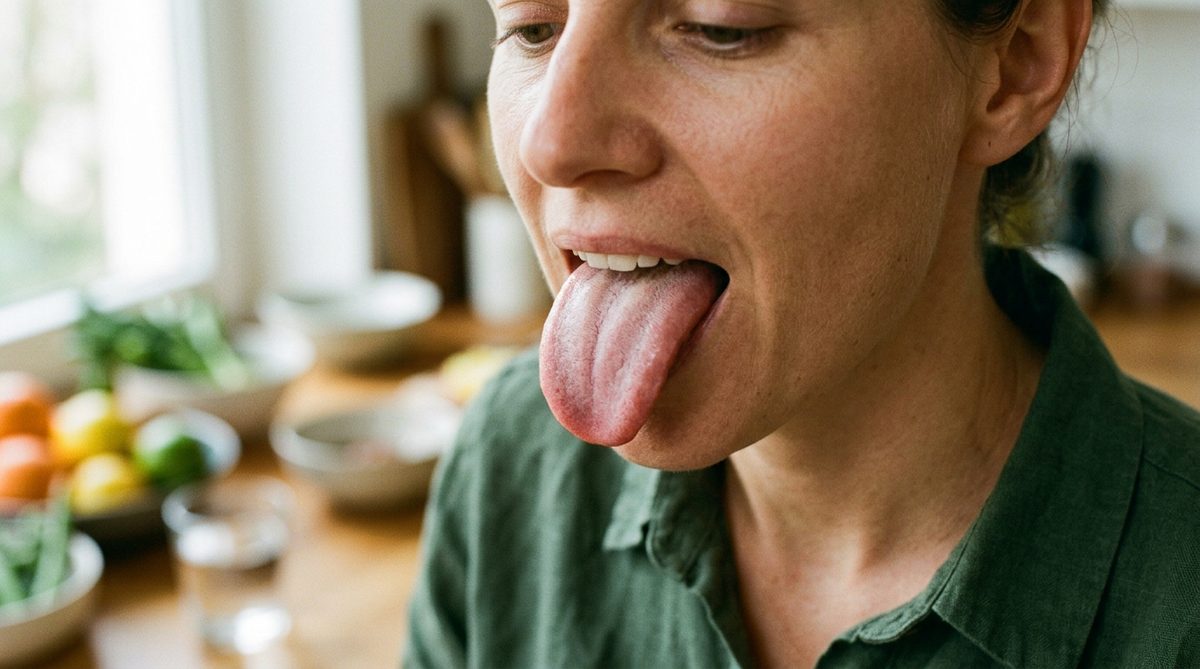
What Are Some Weird Signs That My Body Is Healthy?
Read article →
What Are Five Signs That I Might Not Be Healthy?
Read article →