How Do I Know if It's Sleep Apnea or Something Else?
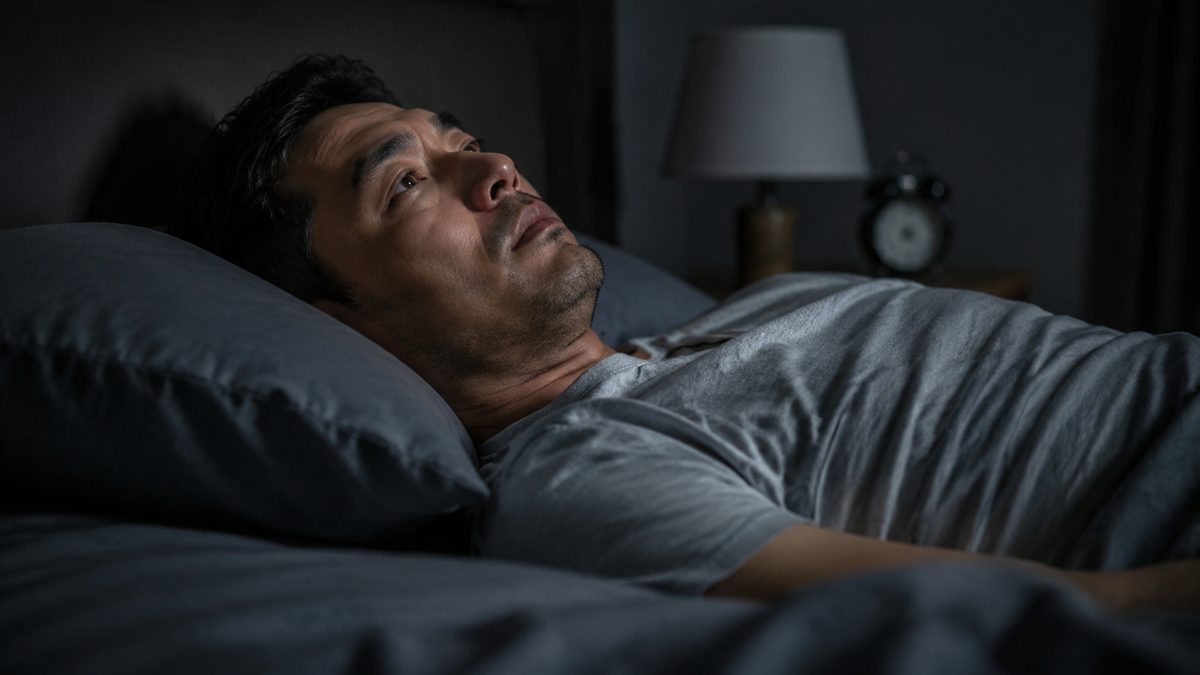
You are waking up tired because your body stops breathing at night, or your sleep is interrupted by unrelated issues like mouth breathing, anxiety, or thyroid problems. It is easy to confuse general fatigue with a serious breathing disorder. You need to know the physical markers of sleep apnea so you can seek the right treatment.
Many people assume that loud snoring always means they have sleep apnea. This is incorrect. Snoring is simply the sound of tissue vibrating in your throat. Sleep apnea is a temporary pause in breathing that starves your brain of oxygen. If you wake up gasping, suffer from morning headaches, and feel exhausted after eight hours of sleep, you are likely dealing with sleep apnea. If you simply wake up often to use the bathroom or feel restless due to racing thoughts, you probably have a different sleep issue.
In my experience, people waste months treating the wrong symptom. One of my clients, a middle-aged man named Robert, spent a year taking sleeping pills because he thought he had insomnia. He was still exhausted during the day. When we looked closer at his sleep patterns, we realized he was waking up because his airway was closing. The sleeping pills actually made his muscle relaxation worse, which made his breathing pauses longer. Once he addressed the airway blockage, his sleep improved immediately.
How do you tell the difference between sleep apnea and normal tiredness?
You tell the difference by looking at how your body behaves when you wake up. Normal tiredness disappears after a good night of sleep. Sleep apnea tiredness does not go away with more hours in bed. It leaves you feeling drugged and exhausted the moment you open your eyes.
When you have sleep apnea, your breathing stops. Your brain detects a rise in carbon dioxide. It sends a panic signal to wake you up so you can breathe. This panic signal floods your body with cortisol and adrenaline. You might not remember these quick awakenings, but they ruin your sleep quality. You wake up with a racing heart, a dry mouth, or a dull headache. If you wake up feeling peaceful but just need a cup of coffee, you are likely just tired from a short night of sleep.
What I found in my practice is that tracking your morning mood is a simple way to screen yourself. If you wake up with a feeling of dread or a mild headache that fades after an hour, your oxygen levels probably dropped during the night. Carbon dioxide dilates the blood vessels in your brain, which causes that specific morning headache.
What gets mistaken for sleep apnea?
Several physical conditions mimic the symptoms of sleep apnea. Chronic fatigue syndrome, underactive thyroid glands, nasal blockages, and severe anxiety are the most common mimics.
Let we look at these conditions in detail to see how they confuse the diagnosis:
- Hypothyroidism: An underactive thyroid slows your metabolism. This causes extreme daytime sleepiness, weight gain, and brain fog. Because these match sleep apnea symptoms, doctors often confuse the two.
- Deviated Septum: A crooked wall inside your nose blocks airflow. This forces you to breathe through your mouth. Mouth breathing causes loud snoring and dry mouth, but it does not involve the brain panic responses of sleep apnea. Otorhinolaryngology specialists often check this first to rule out physical nasal blocks.
- Nocturnal Panic Attacks: Anxiety can trigger sudden waking events where you gasp for air. This feels like an apnea event, but it stems from a nervous system surge rather than a closed throat.
- Acid Reflux: Stomach acid can travel up your throat at night. This causes you to wake up choking or coughing, which looks identical to an apnea episode.
I remember when one of my clients named Sarah came to me convinced she had severe sleep apnea. She was gasping for air at midnight. After we tracked her symptoms, we found she had silent acid reflux. When she ate dinner earlier and used natural throat-soothing remedies, the midnight choking stopped completely. Her airway was never actually collapsing.
What are 5 symptoms of sleep apnea?
You should watch for five primary signs that point directly to sleep apnea. These symptoms are physical responses to oxygen deprivation and airway blockage during sleep.
First, loud and irregular snoring is a major indicator. This is not the quiet, steady snore of a tired sleeper. It is a loud rumble followed by periods of complete silence. The silence is when the breathing stops.
Second, choking or gasping for air wakes you up. You might make a snorting sound as your brain forces your airway to reopen.
Third, morning headaches occur regularly. As mentioned, these are caused by carbon dioxide building up in your blood when you stop breathing.
Fourth, severe daytime sleepiness affects your safety. You might find yourself falling asleep while reading, watching television, or stopping at a red light.
Fifth, waking up with an extremely dry mouth or a sore throat is common. This happens because you are forced to breathe through your mouth to get enough air past the blockage.
When we observe these five signs together, the probability of obstructive sleep apnea is very high. It is a sign that your respiratory system is struggling to maintain basic physiology during rest.
What is the 4% rule for sleep apnea?
The 4% rule is a clinical standard used during sleep studies to measure the severity of your breathing drops. When you sleep, a monitor tracks the oxygen levels in your blood. If your oxygen level drops by 4% or more from your baseline, and this drop is tied to a pause in your breathing, it is counted as a hypopnea or apnea event.
Clinical medicine relies on this percentage to calculate your Apnea-Hypopnea Index (AHI). The AHI is the average number of times your breathing stops or slows down per hour. Here is how the index ranks the severity of your condition:
- Mild: 5 to 15 events per hour.
- Moderate: 15 to 30 events per hour.
- Severe: More than 30 events per hour.
If you drop by 4% oxygen thirty times an hour, your brain is starved of oxygen every two minutes. This constant deprivation causes long-term strain on your heart and blood vessels.
What is the pillow trick against sleep apnea?
The pillow trick is a simple positional therapy method to keep you from sleeping on your back. Sleeping on your back allows gravity to pull your tongue and soft palate down to the back of your throat, which closes your airway.
To use this trick, you place a long body pillow behind your back to prevent yourself from rolling over. Another variation is sewing a tennis ball into the back of your pajama shirt. When you roll onto your back, the discomfort forces you to roll back onto your side without waking you up fully.
I know this works because one of my clients tried the tennis ball trick after struggling with a CPAP machine. His sleep study showed that his apnea only happened when he was flat on his back. By training himself to sleep on his side using the pillow barrier, his nighttime gasping dropped by eighty percent. It is a mechanical solution to a physical blockage problem.
How does body weight alter your breathing at night?
Excess body weight changes the structure of your neck and airway. In clinical terms, obesity is one of the most common causes of obstructive sleep apnea. When you gain weight, fat deposits build up around your upper airway. These are called pharyngeal fat pads.
When you lie down, your muscles relax. The extra weight of these fat pads presses down on your windpipe. This pressure makes the airway collapse easily. The classification of obesity and its relation to bariatrics shows that even a ten percent weight gain can increase your risk of sleep apnea by six times. If you reduce the weight around your neck, you reduce the physical pressure on your airway, which allows you to breathe normally again.
How do you address chronic sleep issues naturally?
You can improve your sleep quality by using natural therapies that strengthen your nervous system and reduce inflammation in your throat tissues. Homeopathy looks at your symptoms as a whole. Instead of just treating the airway blockage, a homeopath looks at your stress levels, your digestion, and your sleep patterns.
When I work with clients who have sleep issues, we focus on reducing mucosal swelling in the nasal passages. We use natural remedies to calm the nervous system so the transition from light sleep to deep sleep is smooth. This helps prevent the sudden panic awakenings that mimic apnea. Combining these natural remedies with lifestyle changes, like avoiding alcohol before bed, gives your body the best chance to heal itself.
Frequently Asked Questions
Can I have sleep apnea if I do not snore?
Yes. You can have sleep apnea without making a sound. This is especially true in central sleep apnea, where the brain forgets to send the signal to breathe. It also happens in people who sleep on their sides but still experience airway closure.
How do I know if my fatigue is from stress or sleep apnea?
Stress fatigue usually gets better when you take a vacation or resolve a problem. Sleep apnea fatigue persists regardless of your stress levels. If you are sleeping eight hours in a quiet room and still feel like you have a flu-like exhaustion, it is likely physical.
Can children get sleep apnea?
Yes. Children often develop sleep apnea due to enlarged tonsils or adenoids. If your child snores loudly, breathes through their mouth, or bed-wets frequently, have an ENT doctor check their throat.
Does drinking alcohol make sleep apnea worse?
Yes. Alcohol relaxes the muscles in your throat. This relaxation makes it much easier for your airway to collapse during the night. Avoid alcohol for at least four hours before you go to sleep.
Your Action Step for Better Sleep
Record your sleep sounds tonight using a free sleep-tracking application on your phone. Listen to the recording tomorrow morning specifically for silent pauses followed by loud gasps, then use these recordings to consult with a professional about targeted natural remedies or a formal sleep study.

What Are 10 Signs That My Body Is Healthy?
Read article →
How to Tell if Your Body Is Unhealthy?
Read article →
What Are Signs of Poor Function Health?
Read article →
What Are Some Weird Signs That My Body Is Healthy?
Read article →
What Are Five Signs That I Might Not Be Healthy?
Read article →