How Do People Survive With Sleep Apnea? What Your Body Does Every Night
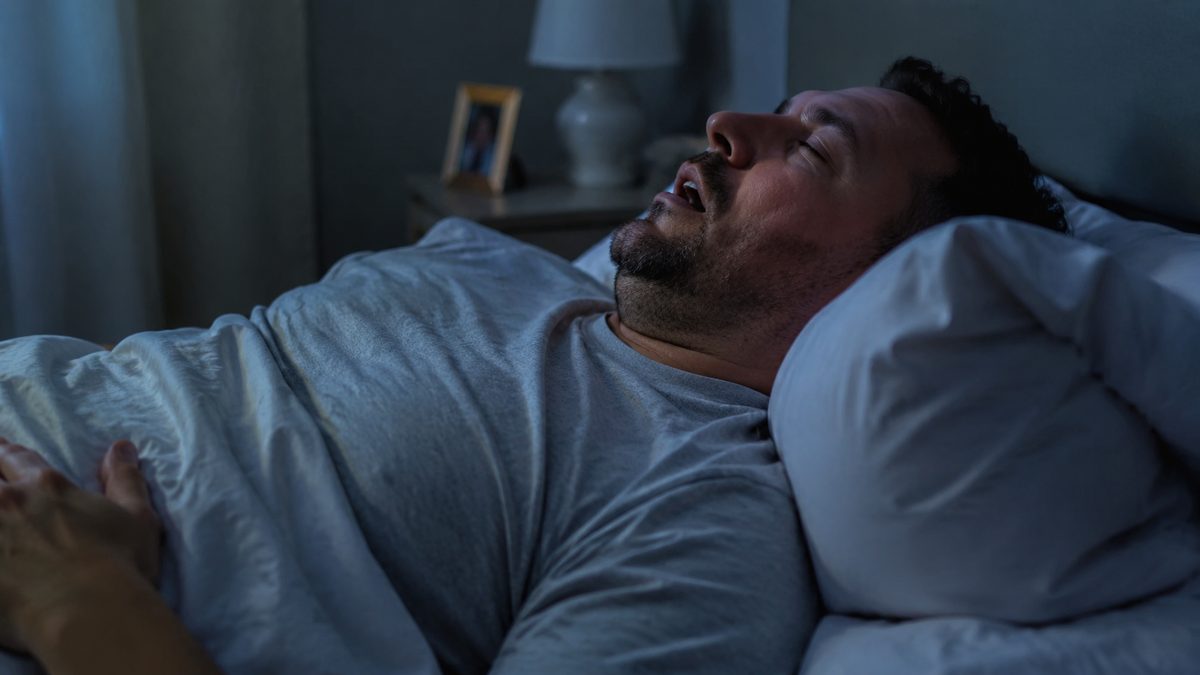
Your body saves your life dozens of times every night. When breathing stops, your brain triggers an automatic reflex that jolts you just awake enough to reopen the airway and restore oxygen. You never remember it.
But it happens, night after night, for years. That survival mechanism works. The problem is what it costs.
Untreated moderate to severe sleep apnea roughly doubles your risk of dying from a cardiovascular event. Your body compensates. It doesn't escape the damage. Understanding that difference is what changes how people manage this condition.
What Is Actually Happening When You Stop Breathing?
During an apnea event, soft tissue at the back of your throat collapses and blocks the airway. Oxygen drops. Carbon dioxide builds. Within seconds, your brain registers the threat and sends a distress signal.
Your heart rate spikes. Your muscles tense. You rouse just enough to breathe again, then fall back into light sleep.
This cycle can repeat 5 to 100 times per hour. Someone with severe sleep apnea may stop breathing hundreds of times in a single night without ever knowing it.
Each event triggers what researchers describe as hemodynamic, autonomic, chemical, and inflammatory disturbances. Blood pressure surges. Stress hormones flood the system. The heart works harder than it should at 2 a.m. Multiply that by every night for a decade, and the cumulative damage becomes significant.
Why Does Sleep Apnea Cause So Much Damage Over Time?
Sleep apnea disrupts the normal synchronization of your body's circadian rhythms at a molecular level. Your heart, metabolism, and nervous system all follow internal clocks designed to slow down at night. Sleep apnea overrides that rest cycle and keeps your cardiovascular system in a state of repeated stress.
The oxygen drops that happen during each apnea event are called hypoxemia. Over time, repeated hypoxemia damages blood vessel walls, promotes inflammation, and increases the risk of plaque buildup in arteries. Observational research consistently links obstructive sleep apnea with higher rates of coronary heart disease, heart failure, stroke, and atrial fibrillation.
A 2013 meta-analysis of six prospective studies involving nearly 12,000 patients found that severe sleep apnea was associated with a hazard ratio of 1.90 for all-cause mortality and 2.65 for cardiovascular mortality. That's a dose-response relationship. The more apnea events per hour, the higher the risk.
One of my clients described it well: she had no idea anything was wrong. She was just tired all the time. Her doctor kept adjusting her blood pressure medication. It wasn't until her partner described watching her stop breathing that she got tested. Her result was 47 apnea events per hour. She'd been living like that for years.
Is Sleep Apnea Permanent?
Not always. It depends on what's driving it. In many cases, it's largely structural. The anatomy of the jaw, neck, and throat creates a narrow airway that collapses under the relaxed muscle tone of sleep. That structural factor doesn't change on its own.
But sleep apnea also has physiological drivers that can shift with the right interventions. Obesity is a major one. Excess fat tissue around the neck and upper airway physically narrows the passage and makes collapse more likely. When people lose significant weight, apnea events often decrease substantially. Some people with mild to moderate sleep apnea have eliminated it through weight loss alone.
Fluid retention is another driver that's often missed. In people with heart failure or kidney disease, fluid that accumulates in the legs during the day shifts to the upper body when lying down at night, compressing the airway. Managing the underlying condition can reduce apnea severity meaningfully.
Alcohol, sedatives, and sleep position also affect severity. Side sleeping reduces apnea events for many people compared to sleeping on their back. These are modifiable factors. So no, sleep apnea isn't automatically permanent. But it won't resolve without deliberate action.
How Do You Reverse Sleep Apnea?
Reversal is possible for some people, and meaningful reduction is possible for most. These are the approaches with real evidence behind them.
Weight Loss
Fat tissue around the neck increases the pressure on the upper airway. Even a 10 percent reduction in body weight can reduce apnea events by up to 30 percent in some people. For those with obesity-related sleep apnea, this is the most powerful long-term intervention available.
I know this because one of my clients who lost 18 kilograms over eight months went from severe sleep apnea to mild, reducing his apnea-hypopnea index from 38 events per hour to 9. He still uses his CPAP machine, but he sleeps better and wakes up feeling different.
Positional Therapy
For people whose apnea is significantly worse when sleeping on their back, positional devices or simply changing sleep habits can reduce event frequency. This is most effective for mild to moderate positional apnea and less so for severe cases.
Managing Contributing Conditions
Treating nasal congestion, correcting hypothyroidism, managing heart failure, and reducing fluid retention can all reduce apnea severity. Sleep apnea doesn't exist in isolation. It interacts with every other chronic condition a person has.
Oral Appliances
Mandibular advancement devices reposition the jaw forward during sleep, which physically opens the airway. They work best for mild to moderate obstructive sleep apnea and for people who can't tolerate CPAP. Fit and adjustment matter enormously. A well-fitted device from a trained dentist or specialist produces very different results than an over-the-counter version.
Surgery
For structural issues like enlarged tonsils, a deviated septum, or jaw anatomy that creates a very narrow airway, surgical options exist. Results vary widely. Surgery works best when there's a clear, correctable anatomical cause. It's rarely a first-line option for most adults.
What Are the Lifestyle Changes That Actually Help Sleep Apnea?
Lifestyle changes work. They're rarely enough on their own for severe sleep apnea, but they make a measurable difference at every severity level.
- Cut alcohol, especially within 3 hours of sleep. Alcohol relaxes the muscles of the throat and makes airway collapse significantly more likely. In my experience, this single change reduces snoring and improves sleep quality faster than almost anything else.
- Stop smoking. Smoking causes inflammation and fluid retention in the upper airway, making it narrower and more irritated.
- Establish consistent sleep timing. Irregular sleep schedules worsen the sleep architecture disruption that sleep apnea already causes.
- Exercise regularly. Even without weight loss, regular aerobic exercise has been shown to reduce apnea severity. It improves muscle tone throughout the body, including the upper airway muscles.
- Sleep on your side. Back sleeping allows the tongue and soft palate to fall backward more easily. Side sleeping keeps the airway more open. A body pillow or a tennis ball sewn into the back of a sleep shirt are low-tech solutions that actually work for a lot of people.
- Manage nasal congestion. Breathing through the nose is more protective than mouth breathing during sleep. Treating allergies, using saline rinses, or addressing a deviated septum can improve airway function.
How Do You Treat Severe Sleep Apnea?
Severe sleep apnea requires active treatment, not just lifestyle modification. The threshold for treatment is typically 15 or more apnea events per hour, or 5 or more events per hour when there are cardiovascular symptoms like high blood pressure, irregular heart rhythm, or daytime sleepiness that affects daily function.
CPAP Therapy
Continuous positive airway pressure therapy is the most widely prescribed treatment for moderate to severe obstructive sleep apnea. The machine delivers a steady stream of pressurized air through a mask that physically holds the airway open during sleep. It eliminates apnea events almost entirely when used correctly.
With consistent use of at least 4 hours per night, CPAP reduces blood pressure, improves daytime alertness, reduces accident risk, and significantly improves quality of life. What it hasn't reliably done in large randomized controlled trials is reduce cardiovascular events at the population level. Researchers believe this is partly because CPAP adherence in trials is typically low, and partly because sleep apnea isn't one single condition but a cluster of subtypes with different underlying drivers.
The commonly used apnea-hypopnea index, which counts events per hour, is increasingly recognized as a limited measure. Newer markers like total hypoxic burden and cardiac autonomic response appear to predict cardiovascular risk more accurately. The field is moving toward more individualized treatment based on which physiological pathway is dominant for each person.
For my clients who struggle with CPAP, the biggest barriers are mask fit, pressure settings, and the psychological adjustment to sleeping with equipment. These are solvable problems. A proper mask fitting, a trial period with auto-adjusting pressure settings, and sometimes a short course of desensitization practice during waking hours make a significant difference in who sticks with it.
BiPAP and ASV Therapy
Bilevel positive airway pressure delivers different pressures for inhalation and exhalation, making it easier for some people to breathe against the pressure. Adaptive servo-ventilation is used for central sleep apnea and Cheyne-Stokes breathing patterns, which are associated with heart failure. Central sleep apnea with Cheyne-Stokes respiration is a strong predictor of mortality in people with existing heart failure and requires different management than obstructive apnea.
What Happens If Sleep Apnea Goes Untreated?
The body keeps compensating. For a long time, that looks like just being tired. Then it looks like high blood pressure that doesn't respond well to medication. Then arrhythmia.
Then, for some people, it contributes to a heart attack, a stroke, or the gradual development of cognitive decline.
The link between sleep apnea and dementia is worth understanding. The repeated drops in oxygen that happen during apnea events are the same mechanism thought to accelerate brain aging and increase the risk of neurodegenerative disease. Sleep is also when the brain clears metabolic waste products. Fragmented, poor-quality sleep disrupts that cleaning process.
Diabetes risk also rises with untreated sleep apnea. The repeated cortisol and adrenaline surges that accompany each apnea event impair insulin sensitivity over time. People with both conditions often find that improving sleep quality improves their blood glucose control, even without changes to diet or medication.
Untreated sleep apnea is also a serious road safety issue. Driving while chronically sleep-deprived carries a risk comparable to driving with a blood alcohol limit at or above the legal limit in many jurisdictions.
Frequently Asked Questions
Can you live a normal life with sleep apnea?
Yes, with treatment. People with well-managed sleep apnea report normal energy levels, normal cardiovascular risk profiles, and no meaningful limitation on daily life. The condition becomes a problem when it goes unmanaged for years. Professional guidance through evidence-based sleep apnea management ensures sustained control and quality of life.
How do I know if my sleep apnea is getting worse?
Increasing daytime sleepiness, morning headaches that are getting more frequent, waking up gasping more often, and rising blood pressure that's harder to control are all signals. A follow-up sleep study gives you objective data. If your apnea-hypopnea index has increased significantly from a previous test, your treatment plan needs reviewing.
Is sleep apnea hereditary?
Partly. Jaw structure, airway anatomy, and obesity tendency all have genetic components. Having a parent or sibling with sleep apnea meaningfully increases your risk. It's not a guarantee, but it's a reason to get screened if you have symptoms.
Can children have sleep apnea?
Yes. Enlarged tonsils and adenoids are the most common cause in children. It presents differently, often as behavioral problems, difficulty concentrating, and hyperactivity rather than obvious sleepiness. If a child snores heavily and stops breathing during sleep, evaluation is warranted.
Does CPAP cure sleep apnea or just manage it?
It manages it. CPAP prevents apnea events while you use it. Stop using it, and the events return. The underlying anatomy or physiology that causes airway collapse doesn't change with CPAP alone. weight loss and structural interventions are the routes to actual reduction or resolution.
Can homeopathy or natural approaches support sleep apnea treatment?
Complementary approaches are best used alongside, not instead of, medically supervised treatment for sleep apnea. Supporting the body's overall resilience, reducing inflammation, improving sleep quality, and addressing contributing factors like stress and metabolic health are areas where a broader treatment approach can add value. Anyone using complementary care for sleep apnea should do so with a practitioner who understands the cardiovascular stakes involved.
What to Do Now
If you snore heavily, wake up unrefreshed, or have been told you stop breathing during sleep, get a sleep study. Home sleep testing is now widely available and removes the barrier of an overnight clinic stay. A diagnosis gives you a number. That number tells you exactly what level of intervention your body needs.
If you already have a diagnosis, the single most important action is consistent CPAP use if that's what's been prescribed. Four hours a night is the minimum threshold for benefit. Seven or eight hours is the goal. If the equipment isn't comfortable, that's a fixable problem, not a reason to stop.
And regardless of severity, reduce alcohol before bed, move to side sleeping, and if weight is a factor, treat it as the direct medical intervention it is. These changes reduce the burden on your airway every single night.
Sources
Continue with the Sleep article archive collection.

What Are 10 Signs That My Body Is Healthy?
Read article →
How to Tell if Your Body Is Unhealthy?
Read article →
What Are Signs of Poor Function Health?
Read article →
What Are Some Weird Signs That My Body Is Healthy?
Read article →
What Are Five Signs That I Might Not Be Healthy?
Read article →