How Do You Know If You Have Silent Sleep Apnea? Signs, Tests, and What to Do
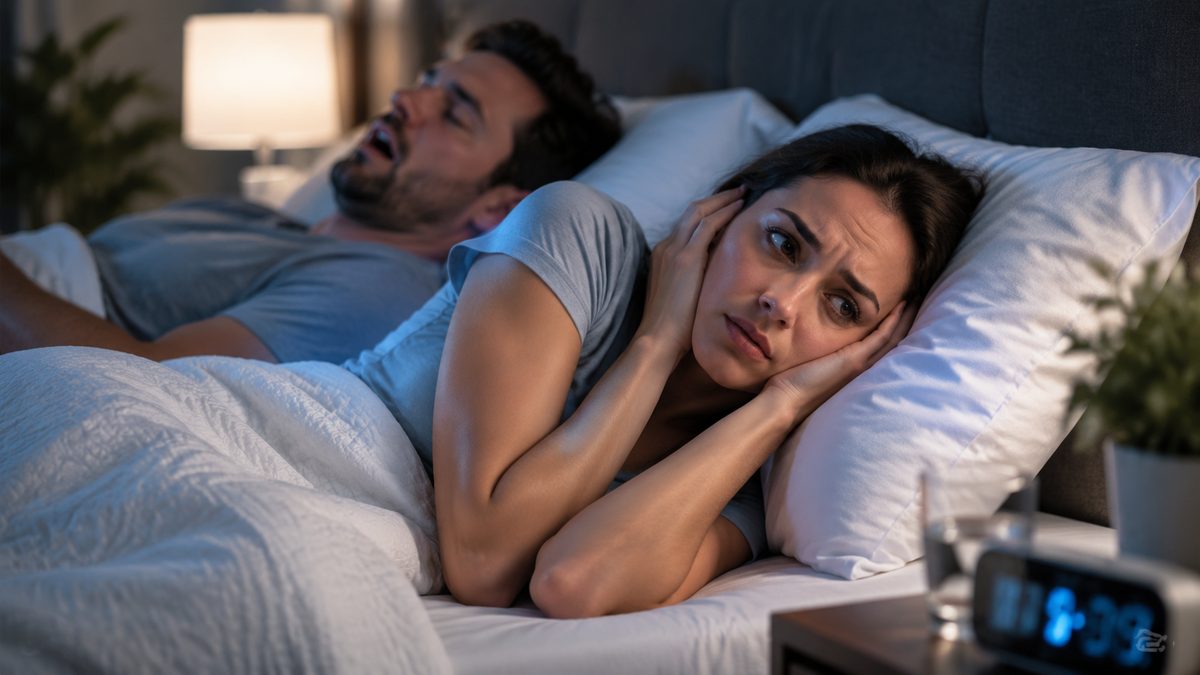
You can have sleep apnea and feel completely fine. No crushing tiredness. No waking up gasping. Nothing that makes you think something is wrong at night.
Yet your airway is still collapsing dozens of times an hour, your oxygen is dropping, and the strain on your heart is building up quietly. This is what people mean by silent sleep apnea.
The way you know you have it is through testing, not symptoms, because most people with obstructive sleep apnea (OSA) never feel sleepy enough to raise the alarm. If you snore loudly, have high blood pressure that won't budge, or tick several risk factors, get a sleep study. That's the answer.
Why Does Sleep Apnea Go Unnoticed?
Most people picture sleep apnea as someone who snorts awake, gasps, and drags themselves through the day half-asleep. That version exists.
But studies show that only 15% to 50% of people with OSA in the general population actually report excessive daytime sleepiness. The rest either adapt to the fragmented sleep, blame stress or age, or simply have no conscious awareness that anything is wrong.
Here's what happens mechanically. When you fall asleep, the muscles in your throat relax. In OSA, the airway narrows or closes completely. Your brain detects the drop in oxygen and briefly wakes you, just enough to restore muscle tone and reopen the airway.
These micro-arousals happen in seconds. You almost never remember them. But each one fragments your sleep architecture, and each cycle of low oxygen puts mechanical stress on your cardiovascular system.
The damage accumulates whether you feel it or not. untreated OSA, even when asymptomatic, is linked to increased risk of cardiovascular disease, stroke, type 2 diabetes, cognitive decline, and all-cause mortality. That's why waiting for symptoms is the wrong strategy.
What Are the Red Flags That Warrant a Sleep Study?
You don't need to feel exhausted to have a reason to test. These are the signals that clinical guidelines treat as indicators for investigation:
- Loud, persistent snoring, especially if a partner has noticed it stopping and starting
- Witnessed breathing pauses, someone has seen you stop breathing during sleep
- Waking up gasping or choking, even if it only happens occasionally
- Morning headaches that clear within an hour or two of waking
- Waking frequently during the night without obvious cause
- Hypertension that resists treatment, if your blood pressure stays high despite two or more medications, sleep apnea is a known driver
- Waking unrefreshed even after a full night
- Poor concentration or memory issues you can't explain
One of my clients came in managing what he thought was work-related stress. He was sleeping seven to eight hours, never felt sleepy during the day, and had no idea anything was happening at night. His partner mentioned the snoring almost as an afterthought.
His sleep study came back with an AHI of 22, moderate OSA, and his blood pressure had been creeping up for two years. He had zero classic symptoms. The snoring comment is what caught it.
Who Is Most at Risk for Undetected Sleep Apnea?
Risk factors don't cause silent apnea directly, but they tell you whether testing makes sense even without symptoms.
- Obesity, excess tissue around the neck and throat narrows the airway
- Male sex, men have significantly higher OSA prevalence; moderate to severe OSA affects around 13% of men compared to 6% of women
- Age over 50, muscle tone in the airway decreases with age
- Large neck circumference, above 40 cm in women, above 43 cm in men is commonly flagged
- Craniofacial structure, a recessed jaw (retrognathia), a narrow palate, or a crowded throat raise risk substantially
- Family history of OSA
- Postmenopause, hormonal changes reduce the protective effect women carry pre-menopause
More recent population data puts OSA prevalence at 34% in men and 17% in women in the US, largely due to rising obesity rates and improved diagnostic methods. That means roughly one in three men may have the condition.
Silent cases make up a substantial portion of that number.
What Gets Mistaken for Sleep Apnea?
Several conditions overlap with OSA in symptoms, which cuts both ways. Sometimes OSA gets misdiagnosed as something else. Sometimes other conditions get labeled as apnea.
The most common mix-ups include:
- Insomnia, frequent waking is common in both, but the mechanism is different. Apnea-driven waking comes from oxygen drops; insomnia waking comes from hyperarousal.
- Depression and anxiety, fatigue, poor concentration, and mood changes occur in both. I've seen clients who spent a year treating depression before a sleep study revealed the underlying driver was OSA.
- Hypothyroidism, sluggishness, weight gain, and cognitive fog overlap heavily with OSA symptoms
- Periodic limb movement disorder (PLMD), leg movements during sleep also fragment sleep architecture and can mimic or coexist with OSA
- Upper airway resistance syndrome (UARS), breathing effort increases without meeting the technical threshold for apnea, so standard home testing may miss it
- Central sleep apnea, the brain fails to signal the breathing muscles rather than the airway collapsing physically; it requires different testing and treatment
This is why a negative home test with ongoing symptoms warrants in-lab polysomnography. It catches what home devices miss.
How Is Silent Sleep Apnea Diagnosed?
Two tools get used in practice.
Home Sleep Apnea Testing (HSAT)
A portable device worn at home overnight measures breathing effort, airflow, blood oxygen, and heart rate. It's widely accessible, costs less than in-lab testing, and carries around 80% sensitivity compared to full polysomnography.
For people with straightforward OSA risk and no other sleep disorders suspected, it's a solid first step.
The limitation is what it misses. HSAT doesn't track brain wave activity or limb movements. If your test comes back negative but you still have symptoms or strong risk factors, that result doesn't rule OSA out. It rules in the need for better testing.
In-Lab Polysomnography (PSG)
This is the gold standard. You sleep in a clinic while sensors track brain activity, eye movements, muscle tone, breathing, oxygen, and heart rhythm simultaneously. It captures the full picture, including sleep stages and periodic limb movements, and it catches cases that home testing misses.
PSG is the right call when HSAT is negative but clinical suspicion remains high, when other sleep disorders are possible, or when the person has significant cardiac or respiratory conditions.
What the Numbers Mean
Both tests produce an apnea-hypopnea index (AHI), the average number of breathing disruptions per hour of sleep. Mild OSA is an AHI of 5 to 14. Moderate is 15 to 29. Severe is 30 or above.
Even mild OSA carries risk if cardiovascular factors are present. Clinical guidance supports treatment at AHI 5 to 14 when hypertension, heart disease, or other risk factors are in the picture.
Three Things Most Articles Get Wrong About Silent Sleep Apnea
1. Snoring is not the main clue
Everyone focuses on snoring as the giveaway sign. But around 40% of people with confirmed OSA don't snore loudly, and plenty of heavy snorers have no apnea at all.
Snoring matters as a prompt to investigate. It's not a diagnosis, and its absence doesn't clear you.
2. Feeling rested does not mean you are sleeping well
I worked with a client who had an AHI of 31 and slept nine hours a night. She was convinced her sleep was fine because she never felt tired. What was actually happening is that her body had adapted to chronically fragmented sleep and recalibrated what "normal" felt like.
She had stopped comparing her energy to what she felt in her twenties. After treatment, she described it as getting her brain back. The baseline had shifted so gradually she never noticed.
3. Treatment-resistant hypertension is one of the strongest silent signals
Most articles lead with sleepiness, snoring, and gasping. The cardiovascular signal gets buried. If your blood pressure stays elevated despite two or more medications, sleep apnea is a documented and treatable cause.
Treating OSA with positive airway pressure demonstrably lowers blood pressure in resistant cases. This is one of the clearest reasons to test people who feel completely fine.
Can Silent Sleep Apnea Be Cured?
Cured is a strong word, but for many people, yes, the apnea can be resolved rather than just managed.
Significant weight loss reduces OSA severity and in some cases eliminates it entirely, because it reduces the tissue bulk compressing the airway. Positional changes help people whose apnea only occurs when sleeping on their back. Oral appliances that advance the jaw forward work well for mild to moderate OSA.
Surgery, including procedures to remove excess tissue or reposition the jaw, can produce lasting resolution in selected patients.
CPAP (continuous positive airway pressure) doesn't cure OSA but controls it effectively while in use. It's the most evidence-backed treatment for moderate to severe cases and the one most likely to reverse cardiovascular consequences.
For mild cases, especially in people who are good candidates for weight management or positional therapy, genuine resolution is achievable.
How Rare Is Silent Sleep Apnea?
It's not rare at all. Given that only 15% to 50% of OSA sufferers report excessive sleepiness, and that moderate to severe OSA alone affects 13% of men and 6% of women in the general adult population, unrecognized or minimally symptomatic OSA is almost certainly the most common form of the condition.
The people who walk into sleep clinics already suspecting a problem are a minority. The larger group has no idea.
This is part of why the condition carries such a large undiagnosed burden. Most people with OSA have never had a sleep study.
Frequently Asked Questions
Can I screen myself at home before seeing a doctor?
Yes. The STOP-BANG questionnaire is a validated screening tool that takes two minutes to complete. It scores you on snoring, tiredness, observed apnea, blood pressure, BMI, age, neck size, and sex.
A score of three or above puts you in the moderate-to-high risk category and supports the case for formal testing. It's a starting point, not a diagnosis.
Can sleep apnea cause anxiety or depression?
Yes. Chronic oxygen dips and sleep fragmentation affect mood regulation, stress hormones, and cognitive function. OSA is associated with increased rates of both anxiety and depression.
In some cases, treating the apnea reduces psychological symptoms significantly.
Do I need a referral to get a sleep study?
In most healthcare systems, a GP referral is the standard route. Some private providers offer direct-access home sleep testing without a referral, though having a clinician involved in interpreting results and managing treatment is important.
Is a home sleep test accurate enough to trust?
For straightforward suspected OSA in otherwise healthy adults, home testing is around 80% accurate and is appropriate as an initial test. A negative result with ongoing symptoms or high clinical suspicion should be followed up with in-lab testing.
What if my test comes back borderline?
Borderline results, typically AHI 5 to 14, require clinical judgment. Treatment is recommended at this range when cardiovascular risk factors like hypertension or heart disease are present.
Discuss the result with a doctor who specializes in sleep medicine rather than treating a borderline number in isolation. A sleep medicine specialist can help interpret borderline results and guide treatment decisions.
What to Do Now
If you tick two or more risk factors, obesity, male sex, age over 50, large neck, resistant high blood pressure, or a partner who mentions your snoring, don't wait for daytime sleepiness to show up. It may never come. The damage doesn't wait for symptoms.
Take the STOP-BANG questionnaire this week. If you score three or above, talk to your GP about a home sleep study. If that comes back negative but the picture still doesn't add up, push for in-lab polysomnography.
And if your AHI comes back at 15 or above, treat it, whether you feel it or not.Sources
Continue with the Sleep article archive collection.

What Are 10 Signs That My Body Is Healthy?
Read article →
How to Tell if Your Body Is Unhealthy?
Read article →
What Are Signs of Poor Function Health?
Read article →
What Are Some Weird Signs That My Body Is Healthy?
Read article →
What Are Five Signs That I Might Not Be Healthy?
Read article →