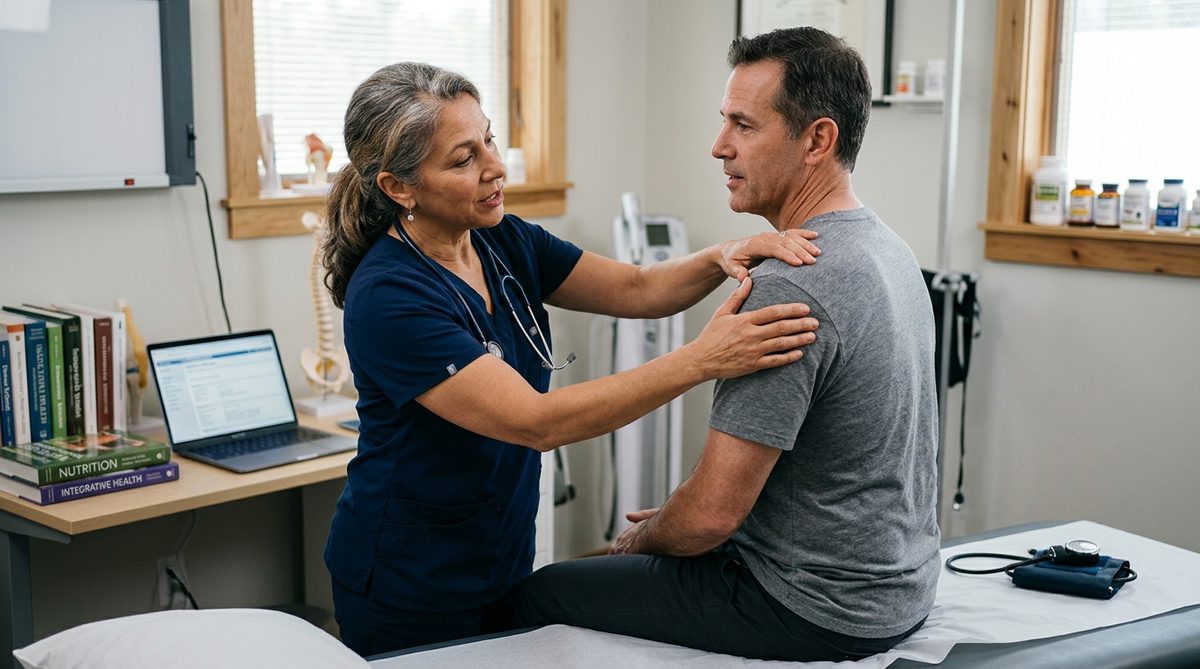
How Long Can You Go With Untreated Sleep Apnea? What the Research Actually Shows
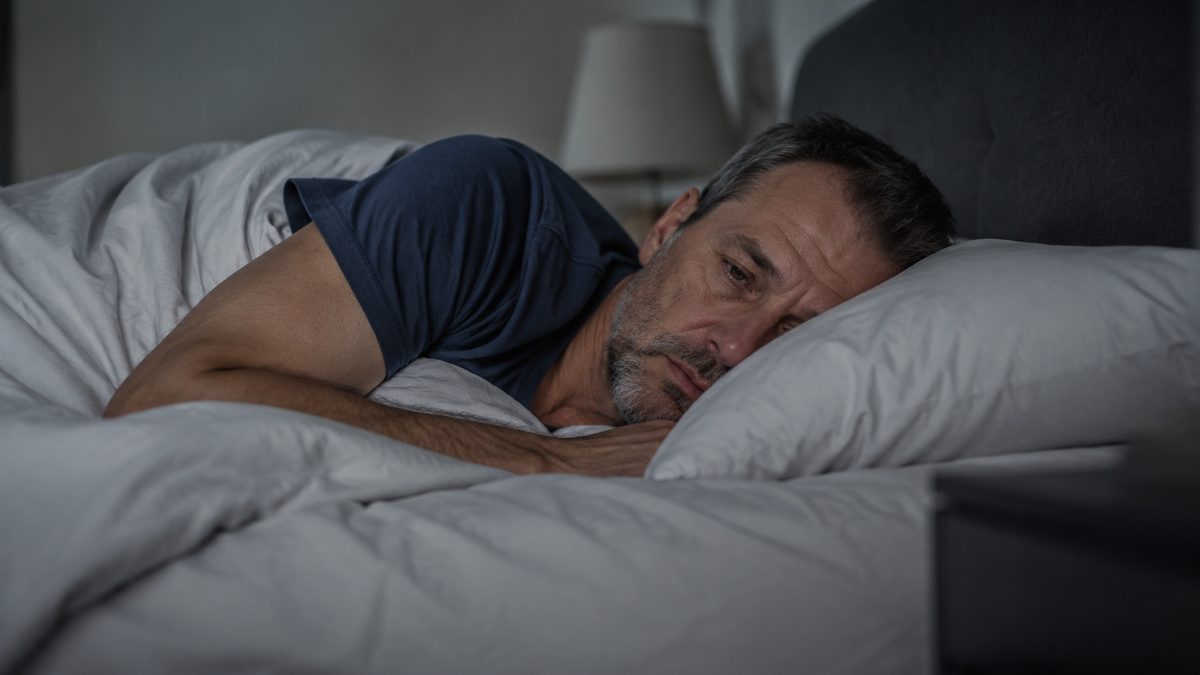
You can live with untreated sleep apnea for years or even decades. But damage starts from the very first night.
Mild sleep apnea may take a decade or more to show clear harm. Severe sleep apnea, more than 30 breathing stops per hour, can raise your risk of heart attack, stroke, or sudden cardiac death within 5 to 10 years.
Every year without treatment makes the heart and brain changes harder to reverse.
The condition often goes undetected for a long time because the person sleeping has no memory of waking. Their partner might notice the gasping. A doctor might clock the fatigue. But the person themselves usually just feels tired and puts it down to stress or age. risk factors
Meanwhile, the damage compounds quietly.
What Actually Happens to Your Body Each Night?
Each time your airway collapses during sleep, your blood oxygen drops. Your brain sends an emergency signal to wake you just enough to reopen the airway. You may not remember any of this. But your body does.
That cycle of oxygen drop, stress response, and partial waking can happen hundreds of times a night in severe cases. Every episode triggers a spike in blood pressure and releases stress hormones.
Over time, that repeated stress inflames blood vessels, stiffens arterial walls, and puts sustained load on the heart.
Think of it like repeatedly bending a metal rod. Each bend seems small. After thousands of bends, the metal cracks.
The same slow wear happens inside your cardiovascular system when sleep apnea goes untreated for years.
One of my clients described it well. He said he thought he was just a bad sleeper. He'd been waking up tired for about six years before anyone checked him for sleep apnea.
By then, he already had high blood pressure and early signs of heart strain. He had no idea the two were connected.
How Long Can People Actually Live With Untreated Sleep Apnea?
There's no single answer that covers every person. But the research gives a clear picture of what untreated severe sleep apnea does over time.
A landmark study tracked 1,651 men over 10 years. Men with severe untreated obstructive sleep apnea had significantly more fatal and non-fatal cardiovascular events than healthy controls, simple snorers, and men who used CPAP treatment.
The untreated severe group faced measurably higher risk across the full decade.
Mild sleep apnea carries lower short-term risk, but "lower" doesn't mean zero. The insidious part is that symptoms build slowly.
Chronic heavy snoring alone, even without a formal apnea diagnosis, has been linked to long-term cardiovascular and neurological harm. The mechanism that causes damage in full sleep apnea is active at a lower level even in simple snoring.
So the honest answer depends on severity. Mild cases might run 10 or more years before measurable organ damage shows up clearly. Severe untreated cases can produce dangerous cardiovascular events much sooner, often within 5 to 10 years.
What Is the 4% Rule for Sleep Apnea?
The 4% rule refers to how sleep apnea is measured during a sleep study. Specifically, it counts breathing events where your blood oxygen drops by at least 4% from your baseline.
These events are called hypopneas when airflow is partially blocked, and apneas when airflow stops completely.
The number of these events per hour gives you the apnea-hypopnea index, or AHI. Mild sleep apnea is 5 to 15 events per hour, moderate is 15 to 30, and severe is above 30.
The 4% threshold matters because it represents a meaningful oxygen drop that stresses your cardiovascular system. Some sleep labs use a 3% threshold, which picks up more events and tends to produce higher AHI scores.
When someone gets two different diagnoses from two different sleep studies, the oxygen drop threshold used is often the reason why.
For context, a healthy person sleeping normally should have fewer than 5 of these events per hour. Someone with an AHI of 40 is having their blood oxygen drop significantly, on average, every 90 seconds across a full night's sleep.
That is the level where heart risk escalates quickly.
How Long Can Sleep Apnea Go Undetected?
Years. Sometimes a decade or more.
The reason is that the main symptom, waking up gasping or stopping breathing, happens while you're unconscious. You don't experience it directly.
What you experience are the downstream effects: morning headaches, daytime fatigue, poor concentration, mood changes, and a tendency to fall asleep in quiet moments. Most people chalk those up to stress, screen time, or getting older.
I know this because it happened to a client of mine who worked long hours in a demanding job. She'd been dragging herself through days for years, using caffeine to cope, and assuming it was just her lifestyle.
Her husband had mentioned the snoring, but she brushed it off. It wasn't until a routine check flagged high blood pressure at age 44 that her doctor started asking questions about sleep.
Her AHI came back at 28. Moderate, nearly severe, and completely undetected for what she estimated was at least seven or eight years.
This isn't unusual. Research confirms that sleep apnea develops gradually over years, and the condition is frequently underdiagnosed because patients don't report the right symptoms and doctors don't always screen for it systematically.
What Happens If Sleep Apnea Goes Untreated for Years?
The consequences stack up over time and affect multiple systems in the body.
Heart and Blood Vessels
Untreated moderate to severe sleep apnea is linked to hypertension, atrial fibrillation, coronary artery disease, and congestive heart failure. The repeated overnight oxygen drops cause inflammation in blood vessel walls.
That inflammation speeds up atherosclerosis, the buildup of plaque inside arteries. Over years, narrowed arteries raise the risk of heart attack and cardiac arrest.
Atrial fibrillation is particularly common in people with untreated sleep apnea. The repeated stress on the heart's electrical system, combined with the physical strain of breathing against a closed airway hundreds of times a night, disrupts normal heart rhythm.
Arrhythmias including ventricular fibrillation are more common in this group.
Brain and Stroke Risk
The stroke connection is one of the most serious long-term risks of untreated sleep apnea. Obstructive sleep apnea is an independent risk factor for ischemic stroke.
More than half of stroke survivors are found to have sleep apnea when tested right after their stroke. In the chronic recovery phase, moderate to severe sleep apnea persists in up to one third of survivors.
If you have other stroke risk factors such as high blood pressure, diabetes, or smoking, untreated sleep apnea can contribute to an ischemic stroke within 3 to 7 years.
And if you've already had a stroke, untreated sleep apnea makes recovery significantly worse. It increases recurrence risk, slows neurological recovery, and extends hospital stays.
Surgical Risk
One risk most articles never mention: untreated sleep apnea dramatically increases the danger of having surgery. A study found that patients with untreated sleep apnea undergoing general or vascular surgery had significantly higher rates of cardiopulmonary complications compared to patients without the condition.
Anesthesia and sedation relax the upper airway further. For someone with sleep apnea, that can tip a manageable situation into a serious one.
If you're heading into any kind of surgery and you have undiagnosed or untreated sleep apnea, this is urgent information your surgical team needs before you go under.
What Most Articles Get Wrong About Long-Term Risk
Most articles focus only on whether you'll die sooner from sleep apnea. That framing misses the bigger picture.
The more common outcome over years isn't sudden death. It's slow deterioration. Brain fog that gets worse each year. Blood pressure that creeps up and becomes harder to control. Energy that drops steadily.
Relationships strain under chronic irritability and fatigue. Cognitive decline arrives years earlier than it should. These are the typical long-term costs, and they're rarely dramatic enough to trigger action.
Which is exactly why people live with untreated sleep apnea for so long.
Another thing most articles get wrong: they treat CPAP as the obvious solution and frame the conversation around compliance. In reality, many people find CPAP difficult to tolerate long-term.
Understanding why and looking for other approaches, including addressing upper airway muscle tone, nervous system regulation, and the physiological triggers of airway collapse, is legitimate and important. The conversation shouldn't end with a CPAP prescription.
Warning Signs That Sleep Apnea Has Already Been Doing Damage
These signs suggest the condition has been active long enough to have systemic effects:
- Blood pressure that's hard to control even on medication
- Morning headaches that clear within an hour of waking
- Waking with a dry mouth or sore throat regularly
- Frequent nighttime urination without a clear urological cause
- Cognitive changes such as word-finding difficulty or memory lapses
- New or worsening atrial fibrillation with no other clear trigger
- Unexplained weight gain, particularly around the neck and abdomen
None of these symptoms alone confirms sleep apnea has caused damage. But several of them together, especially in someone who snores or has been told they stop breathing at night, is a strong signal to get tested and assessed seriously.
Frequently Asked Questions
Can you suddenly die from untreated sleep apnea?
Sudden cardiac death during sleep is a real risk in severe untreated sleep apnea, primarily through dangerous arrhythmias such as ventricular fibrillation. It's not the most common outcome, but it's a documented one.
Most harm from untreated sleep apnea accumulates gradually rather than striking suddenly.
Does mild sleep apnea need treatment?
Mild sleep apnea carries lower short-term risk, but it often progresses to moderate or severe over time, particularly with weight gain, alcohol use, or aging. Most clinicians recommend treatment or at minimum active monitoring with lifestyle changes, not indefinite watchful waiting.
Can sleep apnea reverse itself without treatment?
In some cases, significant weight loss or positional changes reduce apnea severity. But spontaneous resolution of established moderate to severe sleep apnea without any intervention is uncommon.
Structural factors in the upper airway, jaw anatomy, and muscle tone all contribute to the condition beyond body weight alone.
Is central sleep apnea different from obstructive sleep apnea in terms of long-term risk?
Central sleep apnea, where the brain fails to send the correct signal to breathe rather than the airway physically collapsing, carries its own set of risks. It's more commonly associated with heart failure and neurological conditions.
The long-term cardiovascular risk is significant, though the mechanisms differ from obstructive sleep apnea.
How quickly does treatment start reversing the damage?
Blood pressure can start to respond within weeks of consistent treatment. Some cognitive improvements appear within months. Structural cardiovascular changes built up over years take longer and may not fully reverse.
Starting treatment earlier means there's less to undo. That's the core argument for acting quickly after diagnosis.
What is a normal sleep apnea AHI?
Under 5 events per hour is considered normal in adults. Between 5 and 15 is mild. Between 15 and 30 is moderate. Above 30 is severe.
The higher the AHI, the faster cardiovascular and neurological consequences tend to develop.
What to Do Now
If you suspect sleep apnea, whether from your own symptoms, a partner's observations, or a doctor flagging your blood pressure, get a sleep study done. Home sleep tests are accessible and give enough information to diagnose obstructive sleep apnea in most cases. A comprehensive assessment can help determine whether you need a full sleep study or home testing.
Don't wait for symptoms to get worse. The condition is slow enough that it's easy to delay, and that's exactly what makes it dangerous.
Once you have a diagnosis, explore the full range of options. CPAP is effective when tolerated. But also look at the underlying factors driving your airway to collapse at night.
Upper airway muscle tone, nervous system state, inflammation, and body composition all play a role. A treatment approach that addresses those root factors, whether through targeted therapies, lifestyle changes, or complementary support, gives you the best long-term outcome.
The one action worth taking today: if you snore loudly, wake up tired regardless of how long you sleep, or have been told you stop breathing at night, book a sleep assessment this week. Not next month.
The damage doesn't wait for a convenient time.
Sources

What Are 10 Signs That My Body Is Healthy?
Read article →
How to Tell if Your Body Is Unhealthy?
Read article →
What Are Signs of Poor Function Health?
Read article →
What Are Some Weird Signs That My Body Is Healthy?
Read article →
What Are Five Signs That I Might Not Be Healthy?
Read article →