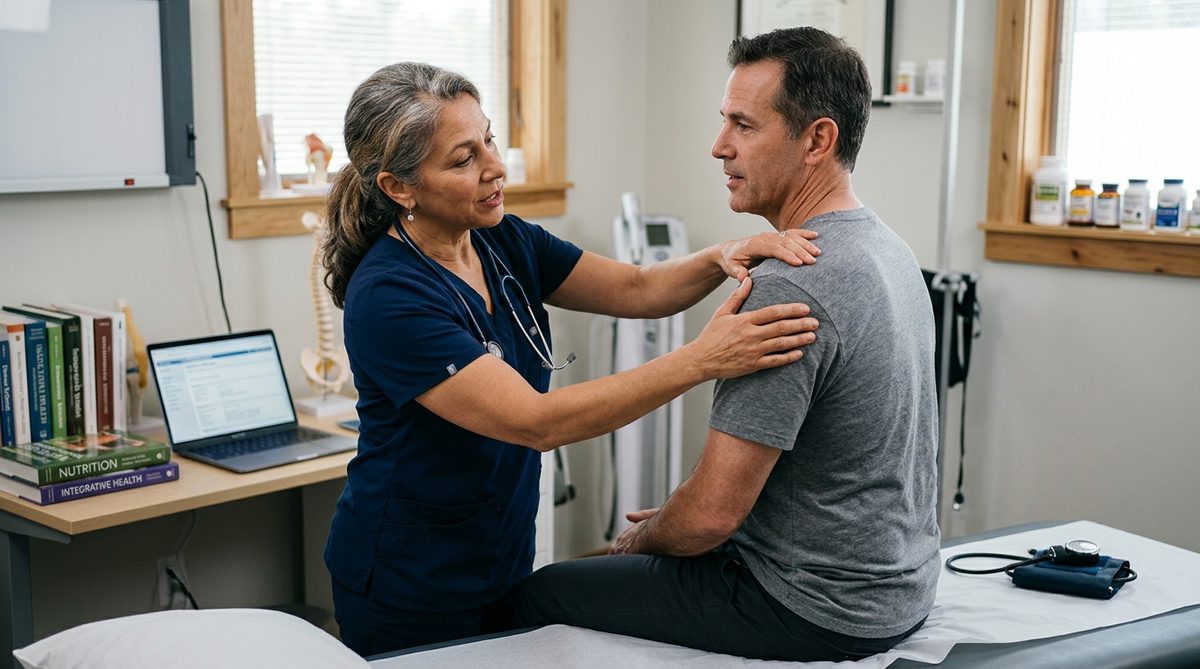
How Long Can You Live with Untreated Severe Sleep Apnea?
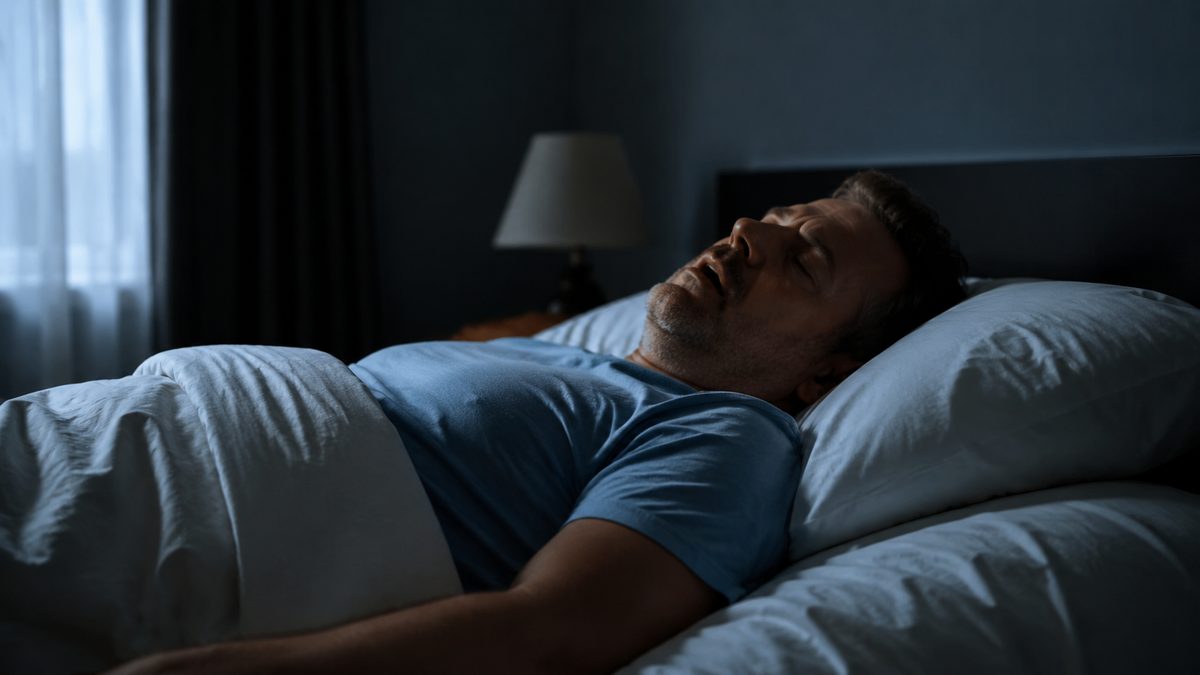
Untreated severe sleep apnea reduces your life expectancy by up to 15 years. People with this condition face a 30 percent higher risk of dying from heart attacks, stroke, or heart failure over a ten-year period. Your body stops breathing dozens of times every hour. This starves your brain, heart, kidneys, and lungs of vital oxygen.
Can you live with sleep apnea?
You can live with sleep apnea, but your life will be shorter and much harder. Sleep medicine experts classify sleep apnea as a serious respiratory disease. When you sleep, your throat muscles relax too much. Your airway closes. Your lungs cannot get air. This is a severe breathing abnormality that triggers a survival response. Your brain wakes you up just enough to gasp for air, though you might not remember it. This cycle repeats all night long.
I worked with a client named David who lived with severe sleep apnea for eight years without knowing it. He woke up tired every morning. He thought he was just getting older or working too hard. When we measured his sleep physiology, we found he woke up 40 times every hour. His body was in a constant state of panic. He was alive, but his vital organs were wearing out fast.
Living with this condition without treatment puts your body under constant stress. The damage builds up slowly. You might feel fine during the day, but your blood vessels and heart muscle are taking a beating every single night.
How does untreated severe sleep apnea shorten your life?
Untreated severe sleep apnea kills by putting extreme stress on your cardiovascular system. Every time your airway closes, your blood oxygen level drops. This drop is called hypoxia. Your brain senses the lack of oxygen and floods your body with stress hormones. Your blood vessels tighten and your heart rate spikes. This happens over and over, all night long. puts extreme stress on your cardiovascular system
In my experience, this constant stress damages your blood vessels. It leads to chronic high blood pressure. When I look at clients who ignore their snoring, I see a clear pattern of heart strain.
My client Robert experienced this. He was a truck driver in his late 40s. He struggled with weight, which sleep specialists classify using the body mass index. The extra tissue around his neck made his airway collapse even faster. His pulmonology reports showed that his blood oxygen levels dropped to 70 percent during sleep. Normal levels are above 95 percent. Robert suffered a stroke at age 51 because his brain did not get enough oxygen during the night. The damage to his heart and brain was a direct result of ignoring his snoring for years.
When respiration stops so frequently, you also risk developing neurological disorders. The brain needs deep sleep to clear out cellular waste. Without it, you develop cognitive decline, severe memory issues, and brain fog. Your mental states suffer. You feel irritable, depressed, and anxious.
What are the long term effects of untreated sleep apnea?
The long term effects of untreated sleep apnea damage almost every system in your body. This is not just a snoring problem. It is a systemic disease. The damage spreads to your heart, brain, liver, and metabolic systems.
The most common long term effects include:
- Chronic heart failure: The constant pressure changes in your chest stretch your heart muscle and change its shape.
- Stroke: Low oxygen levels cause blood clots to form in the brain.
- Type 2 diabetes: Sleep deprivation changes how your body uses insulin, raising your blood sugar.
- Fatty liver disease: Lack of oxygen causes inflammation and fat buildup in the liver.
One of my clients, a woman named Janice, came to me with severe exhaustion. She had high blood pressure and pre-diabetes. Her doctor could not get her blood pressure down even with three different medications. After we looked at her sleep habits, we realized she had severe sleep apnea. Once we addressed her airway issues, her blood pressure dropped, and her blood sugar stabilized. Her body was finally able to heal because it was no longer fighting for air every night.
Over time, the lack of oxygen also damages your kidneys. It ruins your immune system. You become more susceptible to infections and recover slowly from illnesses.
What is the pillow trick for sleep apnea?
The pillow trick is a simple way to force yourself to sleep on your side. Sleeping on your back worsens sleep apnea. Gravity pulls your tongue and soft tissues to the back of your throat. This blocks your airway. Side sleeping keeps the airway open.
To do the pillow trick, you use a special body pillow or a wedge pillow. Place the wedge pillow behind your back to prevent you from rolling onto your spine. You want to stay tilted at a 30 to 60 degree angle.
Another variation is the tennis ball trick. You sew a tennis ball into the back of a tight pajama shirt. If you try to roll onto your back during the night, the discomfort forces you to roll back to your side. This keeps you off your back without waking you up completely.
When I suggested this to my client Marcus, he found it uncomfortable for the first three nights. But within a week, he got used to sleeping on his side. His wife reported that his loud snoring stopped, and he woke up with much more energy. Positional therapy is a proven clinical medicine tool for mild to moderate cases, and it helps reduce the severity of severe cases.
How to cure sleep apnea naturally at home without CPAP?
You can treat and sometimes reverse sleep apnea naturally by targeting the root causes of airway collapse. While severe cases require medical supervision, these home steps make a major difference.
First, address weight issues. Even a small weight loss reduces the fat deposits around your neck, throat, and tongue. This opens up your airway. Clinical medicine shows that losing ten percent of your body weight can reduce sleep apnea severity by half.
Second, perform throat exercises. This is called myofunctional therapy. You strengthen the muscles of your tongue, soft palate, and throat so they do not collapse during sleep. One simple exercise is to press your tongue flat against the roof of your mouth and hold it for three minutes daily. Another is to slide your tongue backward along your hard palate as far as possible.
Third, use homeopathic remedies. Homeopathy helps by reducing swelling in the nasal passages and throat tissues. Many people suffer from enlarged tonsils, chronic allergies, or sinus congestion that blocks their airway. A homeopath can select remedies like Nux Vomica, Lachesis, or Spongia Tosta to help ease throat constriction and improve respiration.
Fourth, avoid alcohol, sleeping pills, and muscle relaxants. These substances relax your throat muscles. When these muscles relax, they block your airway and make apnea events last longer.
My client Sarah did not want to use a CPAP machine because it felt too restrictive. She committed to a natural plan. She lost ten percent of her body weight. She did throat exercises every day. She also used specific homeopathic remedies to reduce her sinus congestion. Within six months, her sleep study showed her apnea events dropped from 32 per hour to 8 per hour. She no longer had severe sleep apnea.
Frequently Asked Questions
Is sleep apnea fatal on its own?
Sleep apnea rarely kills you instantly in your sleep. Instead, it kills you slowly by causing heart attacks, strokes, accidents, and sudden cardiac arrest during the night.
Can sleep apnea go away on its own?
No. Sleep apnea does not go away without intervention. It usually gets worse as you age, lose muscle tone, or gain weight.
Does drinking water help sleep apnea?
Drinking water does not cure sleep apnea. However, staying hydrated keeps your airways moist, thins out mucus, and reduces throat irritation.
Can children get sleep apnea?
Yes. Children can get sleep apnea. It is often caused by enlarged tonsils or adenoids. Otorhinolaryngology specialists can treat this by removing the swollen tissue.
Does sleeping on your stomach help?
Sleeping on your stomach can keep your airway open, but it often strains your neck and back. Side sleeping is much safer and more comfortable for long-term use.
Actionable Takeaway
If you suspect you have sleep apnea, schedule a professional sleep study to measure your oxygen levels, and switch to side sleeping tonight using the pillow trick to protect your heart while you wait for your results.

What Are 10 Signs That My Body Is Healthy?
Read article →
How to Tell if Your Body Is Unhealthy?
Read article →
What Are Signs of Poor Function Health?
Read article →
What Are Some Weird Signs That My Body Is Healthy?
Read article →
What Are Five Signs That I Might Not Be Healthy?
Read article →