How Many Apneas Per Night Are Severe?
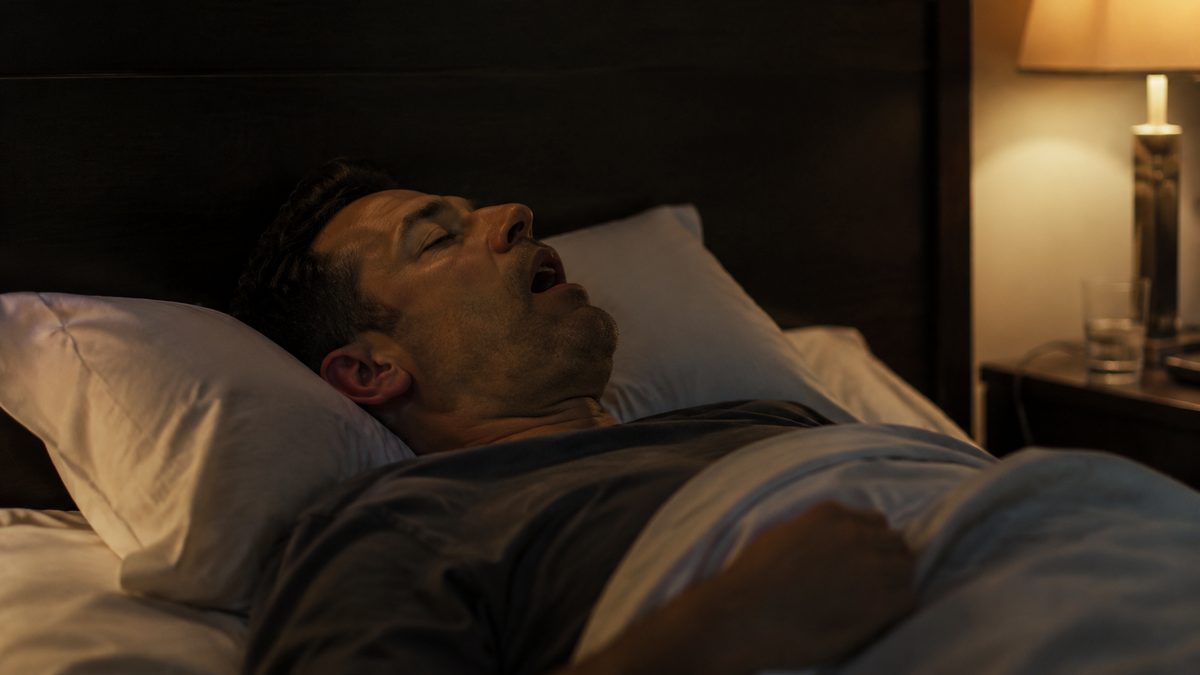
Severe sleep apnea means you stop breathing 30 or more times every hour. If you sleep for seven hours, this equals 210 or more breathing pauses in a single night. These pauses strain your heart and starve your brain of oxygen.
Many people suffer from this condition without knowing it. They wake up tired and weak. When my client Robert first came to see me, he did not believe he was waking up at night. He thought his constant daytime fatigue was just a sign of aging. His sleep study proved otherwise. He stopped breathing 45 times per hour, which added up to over 300 times a night. Understanding these numbers is the first step to reclaiming your health.
How many apneas for severe sleep apnea?
Doctors use the Apnea-Hypopnea Index to measure the severity of your sleep apnea. This index tracks how many times your airway blocks per hour of sleep. A block must last for at least ten seconds to count as an event. The severity scale breaks down into clear categories:
- Normal sleep: fewer than 5 events per hour.
- Mild sleep apnea: 5 to 15 events per hour.
- Moderate sleep apnea: 15 to 30 events per hour.
- Severe sleep apnea: more than 30 events per hour.
To find the total number of events per night, you multiply the hourly rate by your sleep hours. If you have severe sleep apnea and sleep for eight hours, you will experience at least 240 events. In my experience, some clients with severe cases stop breathing up to 80 times an hour. This means their body fights for air every 45 seconds.
This constant struggle keeps your body in a state of high alert. Your heart rate rises. Your blood pressure spikes. Your brain never enters deep sleep. When we look at these numbers, we see why severe sleep apnea causes such daytime exhaustion. When I worked with a client named David, he had an index score of 60. He was stopping breathing once every minute. He felt like he had run a marathon every morning.
What is considered severe sleep apnea?
Severe sleep apnea is more than just a high number of breathing pauses. It is a condition where your body suffers from oxygen starvation during the night. During a severe event, your throat muscles relax completely. They block your airway. Your chest moves, but no air enters your lungs.
Your blood oxygen levels drop fast during these blocks. A healthy person has an oxygen level between 95 percent and 100 percent. In severe cases, this level can drop below 80 percent. When I reviewed a client's sleep report last year, his oxygen levels had plummeted to 74 percent. This level of oxygen loss triggers a survival reflex in your brain. Your brain sends a shock of adrenaline to wake you up. This shock forces your throat muscles to tighten so you can gasp for air.
This cycle repeats all night long. You may not remember these gasping episodes, but they destroy your sleep quality. You wake up with a dry mouth or a morning headache. Over time, this daily strain damages your blood vessels. It increases the risk of heart attacks and strokes. The constant stress on your heart causes the heart walls to thicken. This leads to a condition called atrial fibrillation.
What is the 4% rule for sleep apnea?
The 4% rule is a guideline that sleep clinics use to score breathing events during a sleep test. It helps technicians identify hypopneas. A hypopnea is a partial block of the airway, whereas an apnea is a complete block. Under this rule, a partial block only counts as an event if it causes your blood oxygen level to drop by 4 percent or more.
For example, if your baseline oxygen level is 96 percent, your level must drop to 92 percent during a shallow breathing episode. If it drops by only 2 percent, the clinic might not count it as a hypopnea under this specific rule. Insurance companies often look at this metric to decide if they will pay for your treatment.
What I found was that this rule can sometimes overlook milder breathing struggles that still ruin your sleep. Some clinics use a 3 percent rule instead. The 3 percent rule is more sensitive. If you have symptoms but your test comes back normal under the 4% rule, you might need a second look. Your body still feels the stress of partial blockages, even if the oxygen drop does not reach that 4 percent cutoff. I remember when a client named Sarah struggled with severe fatigue. Her clinic used the strict 4% rule and labeled her case as mild. When we looked at her actual micro-arousals, her brain was waking up constantly. The strict rule had hidden her true distress.
How many times do you wake up with severe sleep apnea?
You might wake up hundreds of times a night without realizing it. These are called micro-arousals. They last only a few seconds, which is too short for your conscious memory to register. If you have severe sleep apnea, you might have 300 to 500 micro-arousals every single night.
One of my clients insisted she slept like a log. She said she never woke up during the night. However, she was always exhausted during the day and fell asleep at her desk. Her sleep study showed she woke up 40 times every hour. Her brain was waking up to save her life, but her conscious mind remained asleep. This is why you can feel exhausted even after spending nine hours in bed.
Sometimes you do wake up fully. You might wake up gasping or feeling a sudden panic. You might also wake up frequently to use the bathroom. When your airway blocks, your heart works harder to pump blood against the pressure. This extra strain releases a hormone that signals your kidneys to produce more urine. Waking up four or five times a night to urinate is a common sign of severe sleep apnea.
How can you manage severe sleep apnea naturally?
Medical devices like CPAP machines are the standard care for severe sleep apnea. However, many people struggle to use them. They find the masks uncomfortable, noisy, or restrictive. In my practice, I focus on natural airway support to help reduce the severity of symptoms and improve overall sleep health.
Weight management is one of the most effective natural steps. Excess tissue around the neck presses down on your airway when you sleep. Losing weight can open the airway and reduce the number of nightly pauses. Sleeping on your side instead of your back also helps. Gravity is less likely to pull your tongue and throat tissues downward when you sleep on your side.
I also look at holistic support options. Homeopathy focuses on restoring balance to the body and strengthening the airway tissues. For instance, when we work with clients who struggle with chronic nasal congestion or throat muscle weakness, we select remedies tailored to their specific symptoms. A clear nasal passage makes side sleeping much easier and reduces mouth breathing. constitutional homeopathy
When I worked with a client named Mark, he could not tolerate his CPAP mask. He decided to combine positional therapy with constitutional homeopathy. He used a special pillow to stay on his side. He took remedies to address his chronic sinus inflammation. Within three months, his snoring decreased. His morning headaches disappeared. His daytime energy returned. Combining these natural methods with lifestyle changes can help support your body alongside standard medical care.
Frequently Asked Questions
Can mild sleep apnea become severe?
Yes. Sleep apnea can worsen over time. Throat muscle weakness and weight gain can cause mild apnea to progress. Alcohol use and sleeping on your back also worsen the condition.
Is severe sleep apnea life-threatening?
Yes, it carries serious risks if left untreated. The constant lack of oxygen strains your cardiovascular system. This increases your risk of high blood pressure, abnormal heart rates, heart attacks, and strokes.
What happens if I ignore my sleep apnea?
Ignoring the condition leads to chronic daytime fatigue, memory issues, and mood changes. The physical strain on your organs continues to build, which can shorten your lifespan.
Can lifestyle changes cure severe sleep apnea?
Lifestyle changes can significantly reduce the severity of the condition. While they may not completely cure severe cases, weight loss, avoiding alcohol, changing sleep positions, and clearing nasal congestion can lower your hourly apnea score.
How do I know if I have apneas during the night?
The most common signs are loud snoring, waking up gasping for air, daytime sleepiness, and morning headaches. A sleep study is the only way to get an accurate diagnosis.
Action Plan
Book an overnight sleep study to determine your exact hourly apnea rate, then combine your medical care with natural airway support, weight management, and constitutional homeopathic remedies to strengthen your throat tissues and restore deep sleep.

What Are 10 Signs That My Body Is Healthy?
Read article →
How to Tell if Your Body Is Unhealthy?
Read article →
What Are Signs of Poor Function Health?
Read article →
What Are Some Weird Signs That My Body Is Healthy?
Read article →
What Are Five Signs That I Might Not Be Healthy?
Read article →