How Much Does a Sleep Apnea Test Cost in Australia?
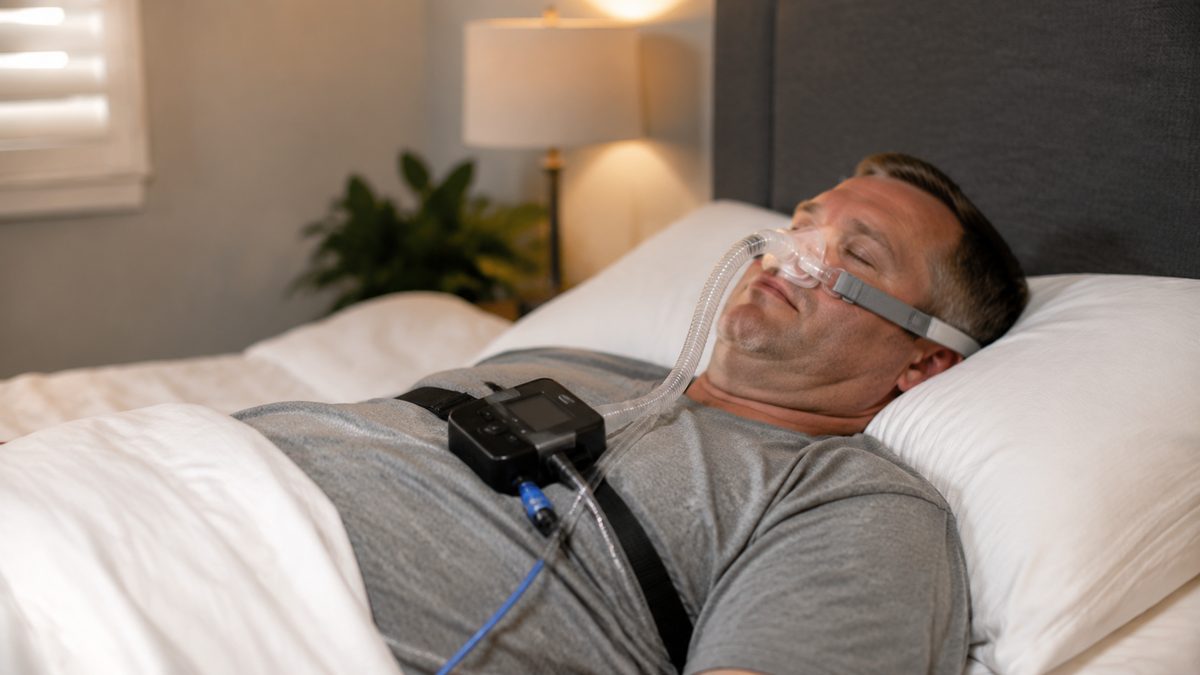
A sleep apnea test in Australia costs between $0 and $1,200. The exact price you pay depends on where you take the test and whether you qualify for Medicare rebates. Many Australians can get their sleep test done with no out-of-pocket costs at all.
sleep apnea is a common sleep disorder. When you have this condition, your breathing stops and starts while you sleep. The muscles in your throat relax too much and block your airway. Sleep medicine specialist clinics use diagnostic tests to find out if you have this issue. The test monitors your brain activity, heart rate, and oxygen levels during the night.
How much does a sleep apnea test cost in Australia?
You will pay different prices depending on whether you choose a home sleep test or an overnight lab study. A home sleep test, which is also called a Level 2 sleep study, is the cheapest option. If you pay for this test privately without any Medicare help, it will cost you between $150 and $350. Many pharmacies and online clinics offer these tests at this price point. diagnostic tests
An in-laboratory sleep test, which is a Level 1 sleep study, is more expensive. This test takes place in a hospital or a specialized sleep clinic. You sleep in a private room while a technician monitors you. If you pay for this test yourself, it can cost between $600 and $1,200. Private health insurance may cover some of these fees, but you must check your policy details.
In my experience, many people choose the home test first because it is cheaper and more comfortable. One of my clients, Robert, spent $180 on a home sleep test kit. The kit arrived in the mail with clear instructions. He wore the sensors to bed and sent the device back the next day. The results showed he had moderate obstructive sleep apnea. This path saved him from spending hundreds of dollars on a hospital stay.
Are sleep apnea tests covered by Medicare?
Yes, Medicare covers sleep apnea tests if you meet their strict eligibility rules. To get a Medicare rebate, you cannot simply order a test yourself. You must follow a specific process through your general practitioner.
First, you must see a doctor to get a referral. The doctor will assess your symptoms using standard screening tools. These tools include the Epworth Sleepiness Scale and the STOP-BANG questionnaire. If your scores show a high risk of moderate to severe sleep apnea, the doctor will write a referral for a sleep study. Medicare will then cover the cost of the test. Many clinics will bulk-bill the service, which means you pay nothing. If the clinic does not bulk-bill, you will pay a gap fee. This gap fee is usually between $100 and $250.
What I found was that some clinics charge extra fees for the consultation after the test. When I helped my client Sarah get her testing set up, we had to look closely at the clinic fees. The test itself was bulk-billed, but the clinic charged a $120 fee to discuss the results. Always ask the sleep clinic if there are any extra fees for reporting or follow-up visits before you book your appointment.
What are 5 symptoms of sleep apnea?
You should watch for the major physical signs that show your breathing is interrupted during the night. These symptoms affect your daily life and your physical health.
- Loud and regular snoring: This is the most common sign. The snoring is often loud enough to wake other people in the house.
- Gasping or choking during sleep: You might wake up suddenly feeling like you cannot breathe. Partners often notice long pauses in your breathing.
- Extreme daytime sleepiness: You feel exhausted even after sleeping for eight hours. You might fall asleep while reading, watching television, or driving.
- Morning headaches: You wake up with a dull ache in your head. This happens because of low oxygen levels and high carbon dioxide levels in your blood during the night.
- Waking up with a dry mouth: You breathe through your mouth because your nasal passage is blocked or your throat is closed.
I remember when one of my clients, David, came to see me. He felt constantly exhausted. He had morning headaches and struggled to focus at work. His wife had moved to a spare bedroom because of his loud snoring. David thought he was just stressed. After learning about these five symptoms, he realized his body was struggling to get oxygen at night. A sleep test confirmed he stopped breathing forty times every hour.
What is the 4% rule for sleep apnea?
The 4% rule is a clinical measurement standard used to define an oxygen desaturation event during a sleep study. Sleep scientists use this rule to score your test results and determine the severity of your sleep disorder.
During your sleep, the sensors track the amount of oxygen in your blood. If your breathing stops or slows down, your oxygen levels drop. Under the 4% rule, a drop in your blood oxygen levels is only counted as a significant event if it falls by at least 4% compared to your baseline level. This drop must last for at least ten seconds. The total number of these events per hour is calculated to give you an score. This score helps doctors diagnose mild, moderate, or severe sleep apnea.
I know this because my client John showed me his medical report. The clinic used the 4% rule to analyze his data. His report showed he had an oxygen desaturation index of eighteen. This meant his oxygen levels dropped by 4% or more eighteen times every hour. Because his score was above fifteen, Medicare approved funding for his treatment options.
Can I get tirzepatide if I have sleep apnea?
Yes, you can get tirzepatide in Australia if you have sleep apnea, but you must meet the prescribing criteria. Tirzepatide is a prescription medication used to manage weight and treat type 2 diabetes.
Excess body weight is a major determinant of health. It is also a leading cause of obstructive sleep apnea. Fat deposits around the neck can compress the airway. Medical studies show that losing weight can reduce the severity of sleep apnea. A doctor can prescribe tirzepatide to help you lose weight. If you lose weight, the pressure on your airway decreases. This can improve your breathing and reduce the number of times you wake up at night.
One of my clients tried this approach last year. She was diagnosed with severe sleep apnea and struggled to use a CPAP machine. Her doctor prescribed tirzepatide to help manage her weight. She lost eighteen kilograms over six months. When she did a follow-up sleep study, her sleep apnea score had dropped from thirty-two events per hour down to twelve. Her sleep improved dramatically without the need for heavy breathing machinery.
How do physical health factors affect your sleep?
Sleep disorders are linked to the general state of your nervous system and your daily habits. Clinical medicine shows that stress, diet, and physical posture change how you breathe at night. When we look at health from a holistic perspective, we see that simple lifestyle adjustments can support your recovery.
For example, drinking alcohol before bed relaxes the throat muscles. This increases the risk of airway collapse. Sleeping on your back also makes the tongue fall backward, which blocks the throat. Changing your sleeping position to your side can keep the airway open. Using natural remedies to support nervous system health can also help you achieve deeper sleep cycles.
At Homeopathy Plus, we look at the physical and emotional patterns that disrupt your sleep. When we address stress, nasal congestion, and muscle tension naturally, the body can rest more comfortably. These natural approaches work alongside medical treatments to help you achieve better sleep quality.
Frequently Asked Questions
Do I need a doctor's referral for a sleep apnea test?
You do not need a referral if you pay for a home sleep test privately. You can buy these tests directly from pharmacies or private companies. However, you must have a referral from a general practitioner if you want Medicare to cover the cost of the test.
How long does it take to get the results of a sleep test?
It usually takes between one and two weeks to get your results. A sleep scientist must read the raw data from the machine. After that, a sleep specialist doctor reviews the findings and writes a report for your general practitioner.
What is the difference between obstructive and central sleep apnea?
Obstructive sleep apnea happens when your throat muscles physically block your airway. Central sleep apnea occurs when your brain fails to send the correct signals to your breathing muscles. Obstructive sleep apnea is far more common.
Will private health insurance cover the cost of a CPAP machine?
Many private health insurance policies cover part of the cost of a CPAP machine. You usually need to have a high level of extras cover. You will also need to provide the insurer with your official sleep study diagnostic report.
Your Action Steps
If you suspect you have sleep apnea, you need to take action to protect your health. Follow these steps to get tested:
- Book an appointment with your general practitioner to discuss your sleep issues.
- Ask your doctor to complete the Epworth Sleepiness Scale assessment to see if you qualify for a bulk-billed Medicare referral.
- Contact a local sleep clinic to find out if they offer bulk-billed home sleep tests.
- Avoid sleeping on your back and limit alcohol use in the evening while you wait for your test date.


What Are 10 Signs That My Body Is Healthy?
Read article →
How to Tell if Your Body Is Unhealthy?
Read article →
What Are Signs of Poor Function Health?
Read article →
What Are Some Weird Signs That My Body Is Healthy?
Read article →
What Are Five Signs That I Might Not Be Healthy?
Read article →