How Rare Is Dying From Sleep Apnea? What the Research Actually Shows
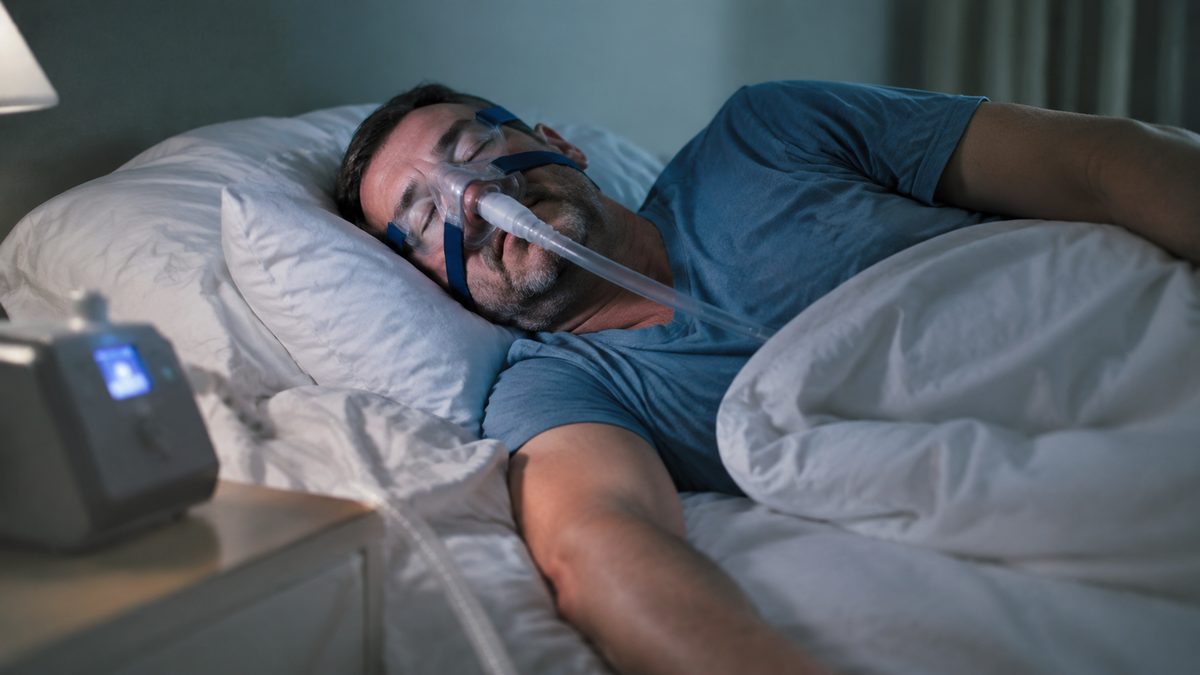
Dying directly from sleep apnea is uncommon. But untreated obstructive sleep apnea (OSA) raises your overall risk of death by around 61% and triples your risk of dying from a cardiac event compared to people without it.
That gap matters. Most people with mild to moderate sleep apnea who get treated do fine. The real danger sits in a smaller group: severe untreated OSA, OSA on top of existing heart disease, and people who can't or won't use treatment consistently.
Does Sleep Apnea Actually Affect Your Life Expectancy?
Yes. A meta-analysis covering 13,394 participants found untreated sleep apnea increased all-cause mortality by 61% and cardiac mortality by more than two and a half times.
The mechanism isn't that you stop breathing and never start again. It's more gradual. Every time an apnea event happens, your oxygen drops, your body jolts into a stress response, and your heart takes a hit. Do that hundreds of times a night for years, and the cumulative damage is real.
Here's what most articles miss: the risk isn't evenly spread. A 2008 longitudinal study of 10,701 adults found that people with OSA were most likely to experience sudden cardiac death between midnight and 6 a.m., which is exactly when apneic episodes cluster. In the general population, cardiac deaths peak in the morning. In people with sleep apnea, that peak shifts to overnight. That shift signals the apnea itself is triggering the event, not just coinciding with it.
What Actually Kills People With Sleep Apnea?
The short path to death from sleep apnea runs through the heart. Specifically, through arrhythmias.
Here's how it works. During an obstructive apnea, your airway collapses. You keep trying to breathe against a closed airway, which creates massive negative pressure swings in your chest. Oxygen drops. Carbon dioxide rises. Your sympathetic nervous system fires hard, flooding your body with catecholamines like adrenaline. Your heart rate spikes. Blood pressure surges.
Repeated night after night, this pattern makes the heart electrically unstable. Ventricular arrhythmias (the kind that can stop the heart) become more likely. Systematic reviews confirm a direct relationship between OSA, oxygen drops, and sudden cardiac death risk, with autonomic dysregulation as the key driver.
I know this because one of my clients with severe untreated OSA described waking up with a pounding heart, drenched in sweat, several nights a week. He thought it was anxiety. When we looked at his sleep study, his oxygen was dropping below 80% dozens of times a night. His heart was responding to a physiological emergency he slept through. That's not anxiety. That's his cardiovascular system under sustained attack.
Who Is Actually at Risk of Dying From Sleep Apnea?
The absolute risk of dying from sleep apnea in the general OSA population is low. But it concentrates heavily in specific groups.
Severe untreated OSA. There's a clear dose-response relationship between apnea severity and mortality risk. Higher apnea-hypopnea index (AHI) scores mean more events per hour, deeper oxygen drops, and more strain on the heart. People with an AHI above 30 carry meaningfully more risk than those with mild OSA.
OSA plus cardiovascular disease. If someone already has coronary artery disease, hypertension, or a history of arrhythmia, adding OSA to that picture multiplies the risk. The heart that's already compromised has less tolerance for repeated overnight hypoxemia and catecholamine surges.
People who don't treat it. This sounds obvious, but it's the group most people forget to mention. Research on positive airway pressure therapy shows it reduces both all-cause and cardiovascular mortality in OSA patients. That means the risk is modifiable. Not treating it is a choice that carries a measurable cost.
Men over 60. The longitudinal data shows this group has the steepest increase in overnight sudden cardiac death risk when OSA is present.
What Are the Long-Term Effects of Untreated Sleep Apnea?
Untreated sleep apnea doesn't just raise your death risk. It reshapes your body over time.
Hypertension is almost universal in severe OSA. The overnight surges in sympathetic activity reset your blood pressure system upward. Over years, this accelerates arterial stiffness and puts strain on the heart muscle itself.
Stroke risk climbs. OSA causes changes in cerebral blood flow, increases clotting tendencies, and drives the kind of atrial fibrillation that throws clots to the brain. The connection between OSA and stroke is well established, and it runs in both directions: stroke can worsen OSA, and OSA increases stroke risk.
Metabolic problems compound over time. Poor sleep drives insulin resistance, weight gain, and inflammation. Those factors then worsen the OSA. It's a cycle that feeds itself.
Cognitive decline happens too. Repeated hypoxemia at night damages the brain's white matter. Over years, this shows up as memory problems, slower processing, and mood changes. When I tried to explain this to a client who was resistant to CPAP, I asked him to think of each apnea event as a brief interruption in blood supply to his brain. He'd been having those interruptions forty times an hour for three years. That framing landed differently than just saying "it affects your thinking."
What Are the Risks If Sleep Apnea Is Not Controlled?
Uncontrolled sleep apnea runs a predictable course. The overnight hypoxia drives up blood pressure. Elevated blood pressure strains the heart. The heart's electrical system becomes less stable. The risk of arrhythmia, myocardial infarction, and sudden cardiac death all rise together.
One angle most articles skip: uncontrolled OSA is particularly dangerous during general anesthesia and in hospital settings. The sedation and muscle relaxants used in surgery dramatically worsen airway collapse. Patients with undiagnosed or uncontrolled OSA have higher rates of post-operative complications, including cardiac events, than patients whose OSA is treated and documented before surgery. This happened to a client of mine who had an elective procedure without disclosing his sleep apnea. He spent two extra days in recovery with an arrhythmia that his anesthesiologist later said was almost certainly driven by overnight hypoxia in the post-op ward.
The other risk that goes underreported is driving. Daytime sleepiness from uncontrolled OSA causes a crash rate comparable to drunk driving. The fatality here isn't from the apnea directly. But it's still a life-threatening consequence of not treating it.
How Does Your Body Change After Starting CPAP?
CPAP works fast for some things and slower for others.
Within weeks, most people notice their daytime sleepiness drops sharply. Blood pressure often comes down, sometimes by enough to reduce or eliminate medication. The overnight heart rate spikes and catecholamine surges stop. The arrhythmogenic conditions that OSA creates start to resolve.
Over months, the sustained reduction in sympathetic nervous system activity lets blood pressure normalize more fully. Metabolic markers often improve. Energy and cognitive function tend to recover as deep sleep becomes possible again.
What I found was that clients who used CPAP consistently, more than four hours a night, got most of the cardiovascular benefit. Those who used it sporadically got some of the subjective benefits but less of the mortality reduction. The four-hour threshold comes up repeatedly in the literature as the minimum effective dose for cardiovascular protection.
One thing that surprises people: the cardiac risk doesn't always drop to the level of someone who never had OSA, especially in people with established cardiovascular disease. CPAP reduces the excess risk substantially, but it doesn't always erase the years of accumulated damage. Starting treatment earlier produces better long-term outcomes.
What About Central Sleep Apnea?
Central sleep apnea, where the brain fails to send the breathing signal rather than the airway collapsing, carries a different risk profile. It's more common in people with heart failure, stroke, or opioid use. In those contexts, central sleep apnea is often a sign that the underlying condition is severe, and the mortality risk reflects the primary condition as much as the apnea itself.
It's worth distinguishing because CPAP alone doesn't adequately treat central apnea, and the treatment approach differs.
Frequently Asked Questions
Can you die in your sleep from sleep apnea?
It's possible but uncommon. The more realistic risk is that repeated overnight oxygen drops and cardiac stress over years lead to arrhythmia or cardiac death, most often between midnight and 6 a.m. in people with severe untreated OSA.
How do I know if my sleep apnea is severe enough to be dangerous?
A sleep study gives you an AHI score. Mild is 5 to 14 events per hour. Moderate is 15 to 29. Severe is 30 or above. The higher your AHI, the deeper your oxygen drops, and the more cardiovascular risk you carry.
If your oxygen is regularly falling below 90% during sleep, that warrants urgent treatment.
Does treating sleep apnea reduce the risk of dying?
Yes. A 2025 meta-analysis found that positive airway pressure therapy is associated with reduced all-cause and cardiovascular mortality in OSA patients. The benefit is clearest in people who use it consistently.
Is sleep apnea dangerous if I feel fine during the day?
Feeling fine doesn't mean the damage isn't happening. Many people with severe OSA have adapted to poor sleep quality and no longer recognize how impaired their function is. The cardiovascular changes happen regardless of whether you notice the sleepiness.
Does weight loss cure sleep apnea?
It can reduce severity significantly, especially in people whose OSA is primarily driven by excess weight around the neck and airway. Some people achieve remission. Most reduce their AHI enough to lower their risk profile.
Weight loss alone rarely eliminates moderate-to-severe OSA completely, and it doesn't replace treatment in the meantime.
Can homeopathy or natural approaches support sleep apnea treatment?
Natural and integrative approaches can support overall sleep quality, stress reduction, and respiratory health alongside conventional treatment. They work best as complements to evidence-based care like CPAP, weight management, and cardiovascular monitoring, not replacements for it.
What You Should Actually Do
If you have diagnosed sleep apnea, use your CPAP for at least four hours a night. Get your blood pressure checked and treated if it's elevated. Reduce or eliminate alcohol in the hours before bed as it worsens airway collapse.
If you're overweight, even modest weight loss reduces OSA severity. If you haven't been diagnosed but you snore loudly, wake up with headaches, or feel unrested every morning, ask your doctor for a sleep study.
The risk from sleep apnea is real and measurable. It's also largely modifiable. Acting on it now is the straightforward move.
Sources

What Are 10 Signs That My Body Is Healthy?
Read article →
How to Tell if Your Body Is Unhealthy?
Read article →
What Are Signs of Poor Function Health?
Read article →
What Are Some Weird Signs That My Body Is Healthy?
Read article →
What Are Five Signs That I Might Not Be Healthy?
Read article →