How Serious Can Sleep Apnea Be? What the Research Actually Shows
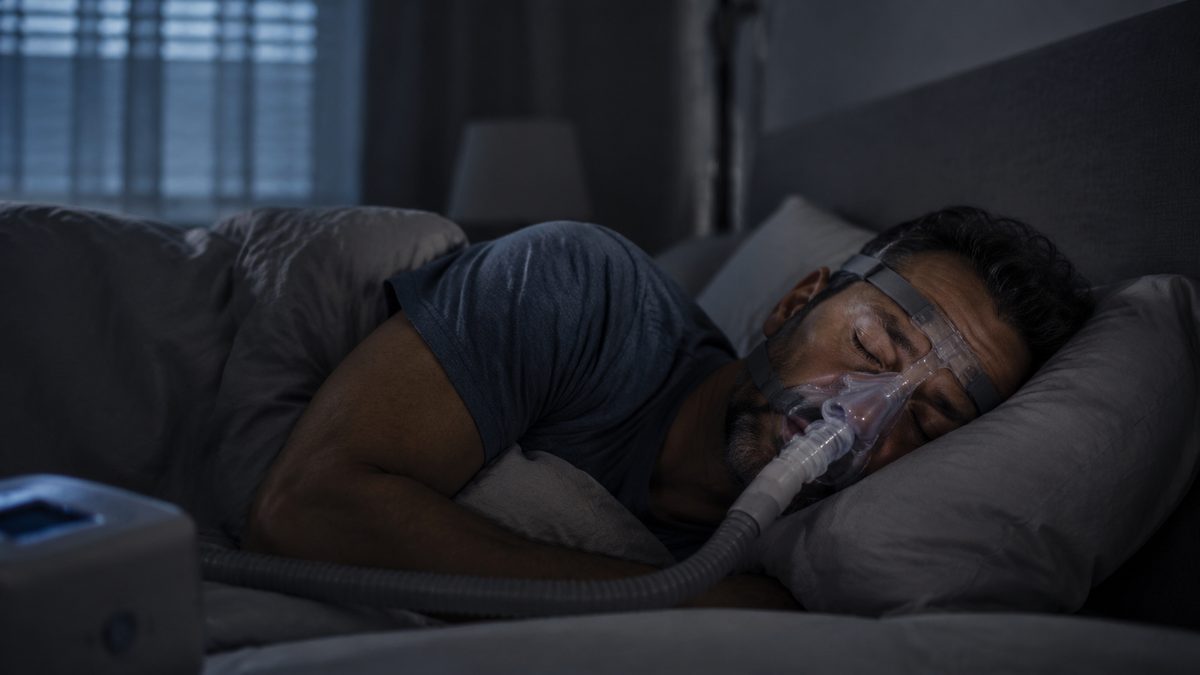
Sleep apnea can kill you. That's the honest answer. It independently raises your risk of stroke, heart failure, and early death. Younger people with severe sleep apnea face the highest mortality risk.
Untreated moderate-to-severe sleep apnea is a slow-motion medical emergency that most people ignore because the damage happens while they sleep.
Nearly one billion people worldwide have it. Most don't know. And the ones who do often underestimate what it's doing to their body every single night.
What Is Sleep Apnea Actually Doing to Your Body?
Every time you stop breathing, your blood oxygen drops. Your brain jolts you awake just enough to restart breathing. This can happen hundreds of times a night. You don't remember it. But your heart does.
The key mechanism is called intermittent hypoxia. Repeated oxygen drops trigger stress pathways throughout your cardiovascular system. Your blood pressure spikes. Your blood vessels inflame. Over months and years, this causes real, measurable damage to your heart and arteries.
Obstructive sleep apnea, the most common form, happens when the muscles in your throat relax and your airway collapses. Your lungs keep trying to breathe but nothing gets through. Central sleep apnea is different: your brainstem simply stops sending the signal to breathe at all. Both types starve your organs of oxygen, just through different mechanisms.
From 1999 to 2020, 71,495 deaths in the United States were attributed to sleep apnea combined with hypertension, and that mortality rate has been rising. These are not outliers. This is a pattern.
At What Point Is Sleep Apnea Considered Severe?
Severity is measured by the Apnea-Hypopnea Index, or AHI. This counts how many times per hour you stop breathing or have significantly reduced airflow during sleep.
- Mild: 5 to 14 events per hour
- Moderate: 15 to 29 events per hour
- Severe: 30 or more events per hour
Severe sleep apnea means your breathing is disrupted at least every two minutes throughout the night. A large study of 146,148 patients found that severe sleep apnea carries the highest burden of cardiovascular risk and mortality, particularly in younger adults.
The 4% rule in sleep apnea refers to hypopnea scoring. A hypopnea is a partial airway obstruction. The 4% rule means clinicians count a hypopnea event only when blood oxygen drops by 4% or more. Some labs use a 3% threshold, which captures more events and often produces a higher AHI score.
This matters because the threshold used can change whether you're classified as having mild, moderate, or severe sleep apnea. If you've been tested and your results feel off, ask which threshold was applied.
What Happens If You Don't Fix Your Sleep Apnea?
The damage accumulates. Sleep apnea is an independent risk factor for high blood pressure, atrial fibrillation, stroke, coronary artery disease, insulin resistance, and heart failure. Independent means it causes these problems even after accounting for obesity, age, and other health factors.
One of my clients came to me convinced his high blood pressure was just genetic. He was 44, fit, and had no family history of heart disease. What he did have was a partner who kept telling him he stopped breathing at night. He'd ignored it for six years.
When he finally did a sleep study, his AHI was 38. Severe. His cardiologist told him directly that his hypertension was almost certainly driven by the sleep apnea. Six years of damage he didn't have to accumulate.
Central sleep apnea carries its own risks. When it involves a breathing pattern called Cheyne-Stokes respiration, it strongly predicts heart failure, atrial fibrillation, and death among people who already have heart disease. This form is often a sign that serious cardiovascular disease is already present.
If you leave moderate-to-severe sleep apnea untreated, you're essentially letting your cardiovascular system take repeated hits every night with no recovery. The body can compensate for a while. Then it can't.
What Is the Life Expectancy of Someone Who Has Sleep Apnea?
This depends heavily on age and severity. The research here is more complex than most articles tell you.
A large Veterans Health Administration study found that severe sleep apnea was associated with lower all-cause mortality in the overall cohort compared to those without sleep apnea. That sounds counterintuitive. The reason is likely that people with diagnosed severe sleep apnea are being monitored, treated, and regularly seen by doctors, which catches other health problems earlier.
But here's what that same study found when they broke it down by age: young patients under 40 with severe sleep apnea had higher mortality than their peers without sleep apnea. For a young person, severe untreated sleep apnea is a genuine mortality risk.
Even in non-obese patients, which many people assume are lower risk, OSA severity correlates with cardiovascular risk scores and mortality indices. Being lean doesn't protect you from the cardiovascular damage sleep apnea causes.
The honest answer on life expectancy: untreated severe sleep apnea shortens it, particularly if you're young or already have cardiovascular disease. The exact reduction varies by individual. What doesn't vary is the mechanism. Repeated oxygen deprivation harms the heart and blood vessels over time.
What Are the Warning Signs You Should Not Ignore?
Most people with sleep apnea don't know they have it. The signs often get explained away.
- Loud snoring that wakes your partner or gets commented on
- Gasping, choking, or snorting sounds during sleep
- Waking up with a headache
- Feeling exhausted after a full night of sleep
- Falling asleep during the day without meaning to
- Difficulty concentrating or remembering things
- High blood pressure that's hard to control with medication
- Waking repeatedly to urinate at night
If you have high blood pressure or any heart condition alongside these symptoms, get tested immediately. The cardiovascular connection is not theoretical.
I remember one of my clients, a woman in her early fifties, who'd been managing what she thought was chronic fatigue for years. She'd tried everything. When she finally agreed to do a polysomnography (the overnight sleep study that measures breathing, oxygen levels, and brain activity), she came back with an AHI of 22. Moderate sleep apnea.
Her fatigue wasn't a mystery anymore. It had a name and a mechanism. That clarity alone changed how she approached treatment.
Does CPAP Actually Fix the Problem?
Continuous positive airway pressure therapy, commonly called CPAP, is the first-line treatment for obstructive sleep apnea. It works by pushing a constant stream of pressurized air through a mask, keeping the airway open while you sleep. For most people, it eliminates apnea events entirely and improves daytime symptoms significantly.
Here's what most articles get wrong about CPAP: it doesn't fully reverse the cardiovascular damage. Clinical trials show CPAP improves symptoms and quality of life but has limited effect on reducing cardiovascular problems once they're established. This doesn't mean CPAP isn't worth using. It absolutely is.
But it means the argument for early treatment is even stronger than people realize. The longer you wait, the more permanent cardiovascular changes occur that CPAP can't undo.
Other treatment options include oral appliances that reposition the jaw, positional therapy for people whose apnea is worse on their back, weight loss for those where excess weight is a primary driver, and surgery in specific structural cases. The right option depends on severity, cause, and individual anatomy.
What Most Articles Miss About Sleep Apnea
Three things consistently get ignored or misrepresented.
First: thin people get it too. Sleep apnea prevalence is rising partly because of obesity, but OSA occurs across all body types. Jaw structure, neck anatomy, and airway shape all contribute. A lean person with a recessed jaw can have severe sleep apnea. Assuming you're safe because you're not overweight is a mistake the research is clear on.
Second: the cardiovascular damage from central sleep apnea is often missed entirely. Most public information focuses on obstructive sleep apnea. Central sleep apnea, where the brain fails to signal breathing, carries a distinct cardiovascular risk profile. Its association with heart failure and atrial fibrillation is strong enough that it's considered a predictor of mortality in heart failure patients.
If you've been diagnosed with heart failure or AFib and you snore or feel exhausted, central sleep apnea should be ruled out.
Third: diagnosis thresholds shape your result. Whether the lab uses a 3% or 4% oxygen desaturation rule to score hypopneas changes your AHI number. Two people with identical breathing patterns can receive different severity classifications depending on where they were tested. If your symptoms are severe but your AHI looks mild, the scoring threshold is worth asking about.
Frequently Asked Questions
What is the 4% rule for sleep apnea?
It's a scoring rule used during sleep studies. A hypopnea, meaning partial airway obstruction, is only counted as an event if your blood oxygen drops by 4% or more. Some labs use 3%. The threshold affects your AHI score and therefore your severity classification.
A higher threshold means fewer events are counted, which can result in a lower AHI and a milder diagnosis, even if your symptoms are significant.
What is the life expectancy of someone with sleep apnea?
Untreated severe sleep apnea reduces life expectancy, especially in younger adults. Research shows that people under 40 with severe OSA have measurably higher mortality than their peers. Older adults with diagnosed and treated sleep apnea often show better outcomes, likely because they're receiving regular medical care.
The key variable is whether the condition is treated early, before permanent cardiovascular damage occurs.
What happens if you don't fix your sleep apnea?
You accumulate cardiovascular damage. Untreated sleep apnea independently raises your risk of high blood pressure, stroke, atrial fibrillation, heart failure, and coronary artery disease. It also worsens insulin resistance and contributes to metabolic dysfunction.
The damage is slow and mostly invisible until it isn't.
At what point is sleep apnea considered severe?
An AHI of 30 or more events per hour classifies as severe. At that level, your breathing is disrupted every two minutes or more throughout the night. Severe sleep apnea carries the highest cardiovascular risk and, in younger patients, the highest mortality risk.
Can sleep apnea cause cardiac arrest?
Yes, indirectly. The irregular heartbeats and cardiovascular stress caused by repeated oxygen drops during sleep increase the risk of serious cardiac events. Atrial fibrillation linked to sleep apnea increases stroke risk.
Severe, untreated sleep apnea stresses the heart chronically in ways that can contribute to fatal cardiac events over time.
Is a sleep study the only way to diagnose it?
Polysomnography, an overnight sleep study, is the gold standard. It measures breathing, oxygen levels, brain activity, and heart rate simultaneously. Home sleep testing is also available and appropriate for many people with a high likelihood of obstructive sleep apnea.
Your doctor can advise which is right for your situation.
What to Do Now
If you snore loudly, wake exhausted, have high blood pressure, or have been told you stop breathing at night, treat this as urgent. Ask your doctor for a sleep study referral. Don't wait until a cardiac event makes the decision for you.
If you've already been diagnosed and aren't using your CPAP consistently, know that partial adherence produces partial protection. The cardiovascular damage from missed nights adds up just as the damage from untreated sleep apnea does.
And if standard treatments haven't worked for you, or if you're looking for complementary support alongside conventional care, exploring all available options is worth your time. Early, consistent treatment is the single most important variable in how this condition affects your long-term health.
Sources
Continue with the Sleep article archive collection.

What Are 10 Signs That My Body Is Healthy?
Read article →
How to Tell if Your Body Is Unhealthy?
Read article →
What Are Signs of Poor Function Health?
Read article →
What Are Some Weird Signs That My Body Is Healthy?
Read article →
What Are Five Signs That I Might Not Be Healthy?
Read article →