How Serious Is Mild Sleep Apnea? Risks, Symptoms, and Treatments
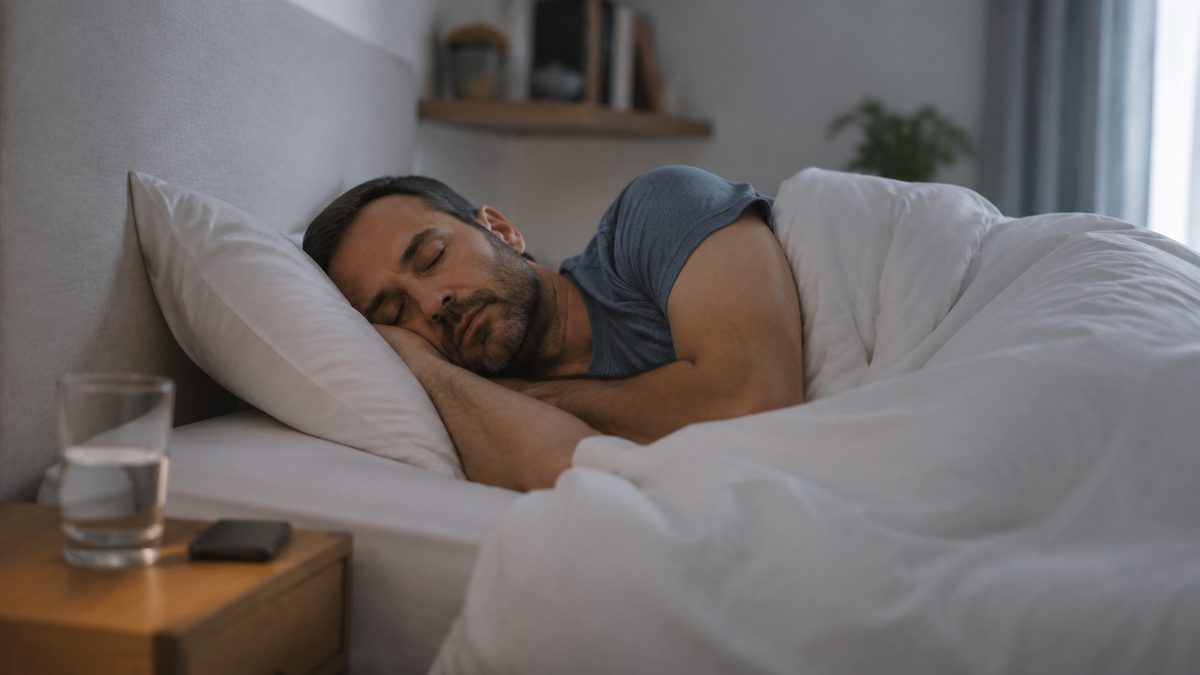
Mild sleep apnea is a serious health risk that damages your brain and heart over time. Many people ignore a mild diagnosis because the name sounds harmless. This is a mistake. Even a mild case disrupts your sleep cycle and strains your cardiovascular system.
Should I be worried about mild sleep apnea?
Yes, you should worry about mild sleep apnea. Even if your breathing pauses are infrequent, they force your body out of deep sleep. This constant disruption triggers a fight-or-flight response. Your adrenal glands release cortisol. Your blood pressure rises. Over months and years, this strain weakens your heart muscle.
When I analyzed sleep study reports for my clients, I noticed a clear pattern. One of my clients, Sarah, came to me with severe exhaustion. Her doctor told her she had mild sleep apnea with an Apnea-Hypopnea Index of eight. This meant she only stopped breathing eight times per hour. Her doctor said she did not need to worry. But Sarah felt terrible. She had brain fog and could not focus at work. What I found was that those eight pauses per hour completely destroyed her sleep architecture. She never reached the deep, healing stages of sleep. Her brain remained in a state of high alert all night. Once we addressed her airway issues, her energy returned.
Mild sleep apnea also affects your mental states. It causes anxiety and irritability. People often blamed stress or aging for these feelings. In reality, their brains are starving for oxygen during the night. The physiology of sleep requires continuous respiration. When you stop breathing, even for ten seconds, your brain panics. This panic damages your nervous system over time. You wake up feeling tired and grumpy.
This disorder also affects how your body manages inflammation. When your breathing stops, it creates oxidative stress. This stress damages the lining of your blood vessels. Over time, this damage leads to plaque buildup in your arteries. This is why sleep medicine doctors take even mild breathing abnormalities seriously.
Can mild sleep apnea be left untreated?
No, mild sleep apnea should not be left untreated. If you ignore it, the condition usually gets worse. The tissue in your throat sags as you age. What starts as mild sleep apnea in your thirties can easily become severe sleep apnea in your fifties. Leaving it untreated exposes you to long-term health hazards.
People with untreated mild sleep apnea have a higher rate of motor vehicle accidents. The daytime sleepiness impairs your reaction time. In clinical medicine, doctors link untreated sleep disorders to insulin resistance. Your body struggles to process sugar when you do not sleep well. This increases your risk of type 2 diabetes. The constant stress on your body also weakens your immune system. You become more susceptible to common colds and viruses.
I remember when one of my clients named David decided to ignore his mild sleep apnea diagnosis. He did not like the idea of using a breathing machine. Three years later, his blood pressure was dangerously high. His doctor had to put him on blood pressure medication. When David finally addressed his sleep breathing abnormalities, his blood pressure dropped back to normal. We used custom oral appliances and natural support to keep his airway open. This shows that treating the condition early protects your arteries.
I know this because my client James ignored his mild apnea for ten years. He developed atrial fibrillation. His doctor said the constant nighttime oxygen drops caused the irregular heartbeat.
Untreated mild sleep apnea also impacts your relationships. Constant snoring keeps your partner awake. This leads to sleep deprivation for both of you. It can cause tension and arguments during the day. Treating your sleep issues helps everyone in your household sleep better.
What is the 4% rule for sleep apnea?
The 4% rule is a diagnostic standard used during a sleep study to count a breathing event as a hypopnea. A hypopnea is a partial blockage of your airway. Under this rule, a technician only counts the event if your blood oxygen level drops by 4% or more. The drop must occur alongside a significant reduction in your breathing for at least ten seconds.
This rule is controversial in sleep medicine. Some clinics use a 3% rule instead. The difference between these two rules determines whether you get a diagnosis. If a clinic uses the strict 4% rule, they might tell you that your sleep is normal. Yet, a 3% drop in oxygen still ruins your sleep quality and causes micro-arousals. This means you could have all the symptoms of sleep apnea but fail to qualify for treatment under the 4% guideline. This can prevent you from getting insurance coverage for oral appliances or CPAP machines.
I know this because this happened to my client, John. He took a sleep study at a clinic that used the strict 4% rule. His results came back negative for sleep apnea. He still woke up gasping for air. We looked at his raw data and saw his oxygen levels dropped by 3% dozens of times. He had clear breathing abnormalities. He obtained a second opinion from a clinic using the 3% rule. They diagnosed him with mild sleep apnea. He finally got the treatment he needed. His energy levels improved dramatically once we addressed the issue.
The 4% rule can exclude people who suffer from upper airway resistance syndrome. These patients have narrow airways but do not show large oxygen drops. They still wake up constantly throughout the night. If you suspect your test was scored too strictly, ask your doctor for the raw data.
What is the new pill for sleep apnea?
The new pill for sleep apnea is a combination of two drugs, atomoxetine and oxybutynin. This pill targets the nervous system to keep the upper airway muscles from collapsing during sleep. Atomoxetine is a selective norepinephrine reuptake inhibitor. Oxybutynin is an antimuscarinic agent. Together, they stimulate the muscles that pull the tongue forward and open the throat.
While this pill shows promise in clinical trials, it is not a perfect fix. It has side effects like dry mouth or difficulty urinating. Some patients also experience an increased heart rate. The pill does not repair the physical structure of your throat. It relies on daily chemical stimulation to keep the airway open. Many people prefer to avoid taking daily pharmaceuticals for the rest of their lives.
In my experience, natural alternatives can strengthen these throat tissues without side effects. Homeopathic remedies focus on the health of the mucous membranes and throat muscles. For example, when we use remedies like Lachesis or Baryta carbonica, we target the swelling and laxity in the throat. One of my clients tried these natural remedies after refusing to take prescription pills. Within two months, his snoring decreased. He woke up feeling refreshed. Homeopathy looks at the body as a whole system to improve your respiration naturally.
You can also use myofunctional therapy alongside natural remedies. This therapy involves simple exercises for your tongue and throat muscles. These exercises improve muscle tone and prevent the airway from collapsing. Combining these exercises with homeopathic support provides a long-term solution without drug dependencies.
How does mild sleep apnea damage your body?
The damage from mild sleep apnea happens quietly. Each time your airway closes, your body enters a state of panic. This is an episodic and paroxysmal disorder. Your heart must pump harder to force oxygen through your constricted blood vessels. This action strains your cardiovascular system. Over time, the blood vessels lose their elasticity. This leads to chronic high blood pressure.
Your brain also suffers. Deep sleep is when your brain flushes out toxins. When your airway collapses, your brain wakes up briefly to resume breathing. You might not remember waking up. These events are called micro-arousals. They prevent you from entering stage three sleep and rapid eye movement sleep. Without these stages, your brain cannot repair itself. This leads to memory loss and depression.
I worked with a client named Lisa who suffered from chronic morning headaches. She also had trouble remembering simple tasks. Her doctor suggested she had early signs of depression. When we investigated her sleep patterns, we found she had mild sleep apnea. Her brain was waking up thirty times a night. Once we helped her resolve her breathing issues, her memory cleared. Her headaches stopped. This proves that mild breathing obstructions have a massive impact on your daily brain function.
The digestive system also suffers. Sleep apnea is linked to gastroesophageal reflux disease. When you struggle to breathe, the pressure in your chest changes. This pressure pulls stomach acid up into your throat. This causes chronic throat irritation and heartburn. Treating your airway issues often resolves your acid reflux.
What are the best treatments for mild sleep apnea?
You have several options to treat mild sleep apnea. You do not have to use a loud CPAP machine. Many people find success with consult with a professional that fit easily into their daily lives.
Positional therapy is a simple method. Many people only experience airway blockage when they sleep on their backs. Gravity pulls the tongue and soft palate to the back of the throat. Sleeping on your side keeps the airway open. You can use special pillows or shirts with tennis balls sewn into the back to prevent rolling over.
Oral appliances are another choice. A dentist makes a custom device that you wear during sleep. This device holds your lower jaw forward. Moving the jaw forward pulls the tongue away from the back of the throat. This increases the space in your airway and stops the snoring.
My client Mark tried a custom oral appliance. He found it comfortable. What I found was that his breathing pauses dropped from nine times an hour to just one. He no longer felt tired in the afternoon. His wife also slept better because his snoring stopped. This simple device solved his problem without medication.
Homeopathic treatment offers a natural way to address the root causes of the blockage. It targets the physical tissues in your throat and nasal passages. Homeopathy works by stimulating the body to heal itself. If you have chronic nasal congestion or swollen tonsils, specific remedies can reduce this inflammation. This restores normal airflow during sleep.
Weight management can also help. Losing a small amount of weight reduces the fat deposits around your neck. This decreases the pressure on your airway. Combining weight loss with natural remedies often resolves mild sleep apnea completely.
How do lifestyle factors influence mild sleep apnea?
Your daily habits play a major role in your breathing quality at night. Weight is a primary factor. Extra tissue around the neck presses down on your airway when your muscles relax during sleep. Even a small weight loss can reduce the pressure on your throat.
Alcohol consumption also worsens sleep apnea. Alcohol relaxes the throat muscles more than usual. This makes airway collapse much more likely. If you drink alcohol close to bedtime, your mild sleep apnea can temporarily become severe sleep apnea for that night.
Smoking irritates the upper airway. This leads to swelling and fluid retention in the throat tissues. The narrowed passage makes it harder to breathe. Quitting smoking reduces this inflammation and improves your nightly respiration.
Your sleeping environment matters too. Dry air can irritate your nasal passages and throat. This irritation causes swelling, which restricts your airway. Using a humidifier in your bedroom keeps the tissues moist. This simple change can reduce snoring and improve your breathing quality.
Stress also plays a role. High stress levels during the day lead to muscle tension. This tension can affect your breathing patterns at night. Incorporating relaxation techniques before bed can help calm your nervous system. This promotes steadier breathing throughout the night.
Frequently Asked Questions
Does mild sleep apnea require a CPAP machine?
No, you do not always need a CPAP machine for mild sleep apnea. Many patients succeed with oral appliances or side-sleeping. Others use natural remedies. Your doctor will help you choose the best option based on your throat anatomy.
Can you cure mild sleep apnea by losing weight?
Yes, losing weight can resolve mild sleep apnea for many people. Reducing body fat decreases the tissue mass around your neck. This keeps your airway open. However, if your apnea is caused by a narrow jaw structure, weight loss alone may not cure it.
Can sleep apnea go away on its own?
No, sleep apnea does not go away on its own. It is a physical structural issue. You must actively change your lifestyle or use an appliance. Treating the tissue laxity is also necessary to fix it.
What happens if I ignore my snoring?
If you ignore your snoring, your airway tissues can become more stretched and damaged over time. Snoring is a sign of resistance in your airway. It can lead to more frequent breathing pauses as you age.
How do I know if my sleep apnea is getting worse?
You will notice increased daytime fatigue or morning headaches. You might also wake up gasping for air. If your partner reports that your snoring has grown louder or that you pause during breathing, your condition is likely progressing.
Can nasal sprays help with mild sleep apnea?
Yes, if your sleep apnea is caused by nasal congestion. Clearing your nasal passages allows you to breathe through your nose instead of your mouth. Mouth breathing makes airway collapse more likely. Natural saline sprays or homeopathic nasal remedies can reduce congestion without side effects.
Your Next Step
If you suspect you have mild sleep apnea, do not wait for it to worsen. Schedule a consultation with a professional to discuss natural treatment options and oral appliances to protect your health today.

What Are 10 Signs That My Body Is Healthy?
Read article →
How to Tell if Your Body Is Unhealthy?
Read article →
What Are Signs of Poor Function Health?
Read article →
What Are Some Weird Signs That My Body Is Healthy?
Read article →
What Are Five Signs That I Might Not Be Healthy?
Read article →