How to Increase Estrogen in Naturopath: A Research-Based Guide
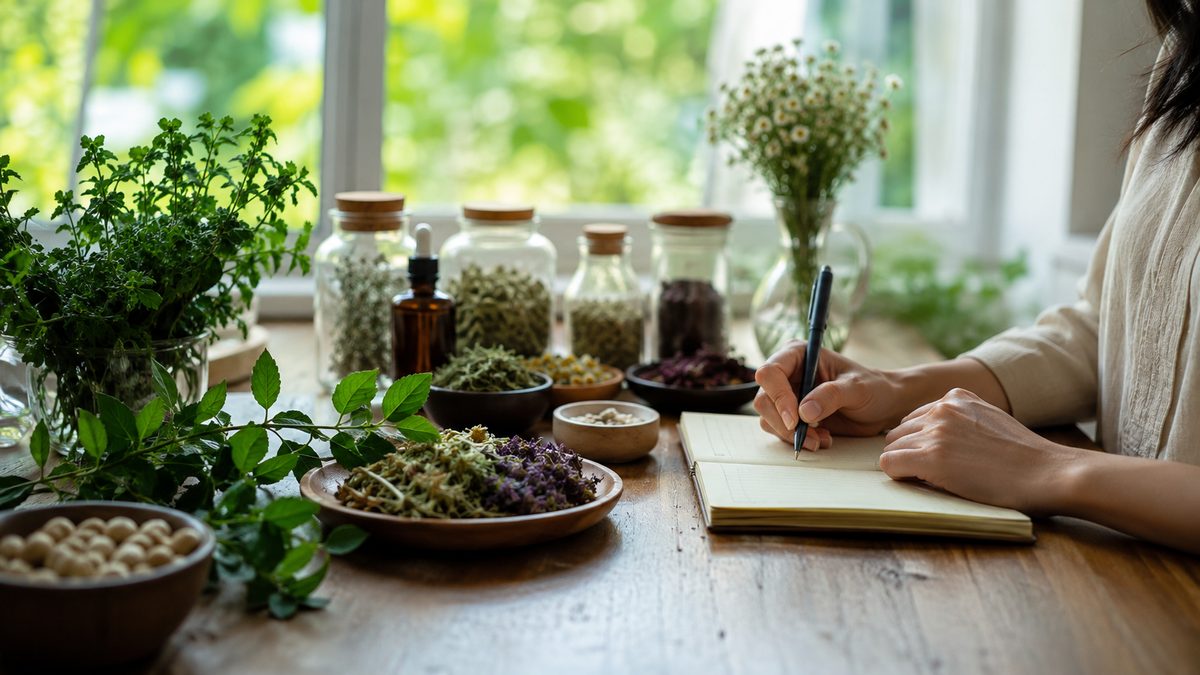
Eating 1-2 servings of soy foods daily, providing 40-80 mg of isoflavones, can reduce hot flashes and ease low estrogen symptoms over 8-12 weeks. Ground flaxseed, 1-2 tablespoons daily, adds extra support.
Here's the catch: these plant compounds don't raise your estrogen blood levels. They work by activating estrogen receptors in your body, which produces similar effects. Give it 3 months.
If symptoms are severe or your bone density is dropping, these strategies should work alongside medical care, not replace it.
Can a Naturopath Help With Low Estrogen?
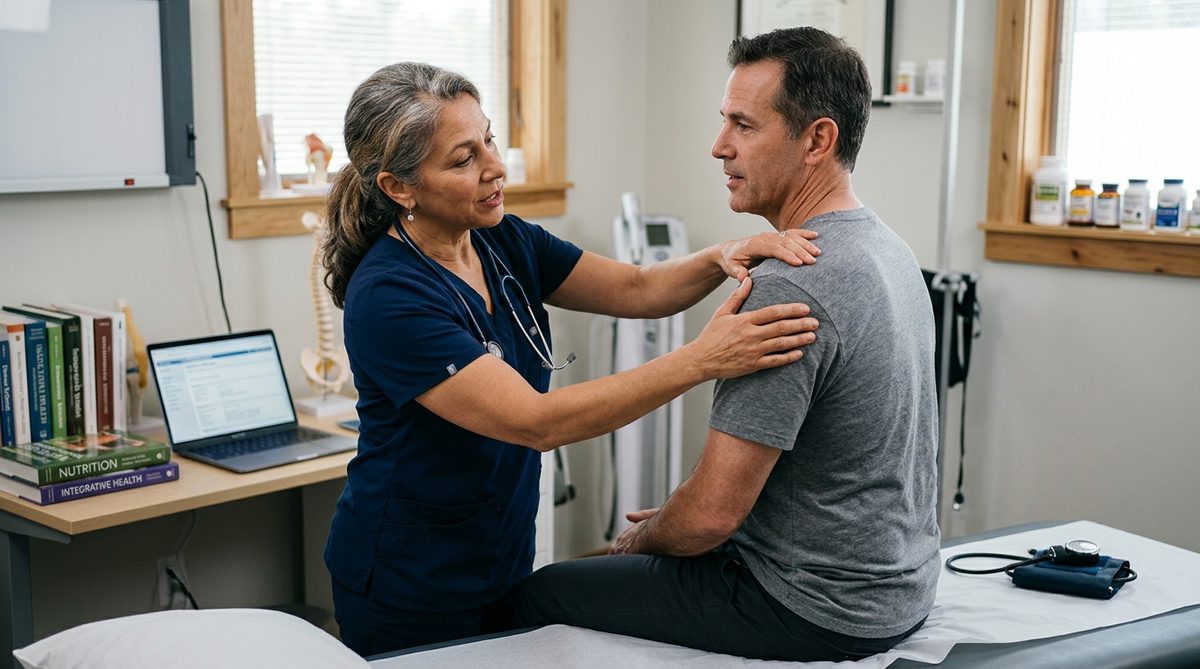
Yes. A naturopath can assess your symptoms, review your diet, check your gut health, and guide you through plant-based estrogen support. What they can't do is prescribe hormone replacement therapy. That requires a medical doctor.
In my experience, the most useful thing a naturopath does is look at the full picture. Low estrogen rarely happens in isolation. Stress, poor sleep, low body fat, thyroid issues, and gut problems all affect how your body produces and uses estrogen.
A naturopath addresses those root causes alongside dietary changes.
What I saw consistently is that women who came in focused only on boosting estrogen got slower results than those who also fixed their sleep and gut health. The hormonal system is connected. Pull one lever and others shift too.
What Does Low Estrogen Actually Feel Like?
Low estrogen shows up in your body in specific ways. Knowing the signs helps you track whether your approach is working.
- Hot flashes and night sweats
- Irregular or absent periods
- Vaginal dryness
- Mood changes, anxiety, or low mood
- Brain fog and poor concentration
- Disrupted sleep
- Joint pain
- Low libido
- Dry skin and thinning hair
What Does a Low Estrogen Face Look Like?
Low estrogen changes your face in visible ways. Estrogen supports collagen production, skin thickness, and moisture retention. When levels drop, the skin loses structure and hydration faster than normal aging explains.
Women with low estrogen often notice these facial changes first:
- Skin looks thinner and more papery
- Fine lines appear around the mouth and eyes faster than expected
- Cheeks look slightly hollow or deflated
- Skin feels dry even with moisturiser
- Jawline definition reduces as collagen breaks down
These changes happen because estrogen directly stimulates fibroblasts, the cells that produce collagen and elastin. When estrogen drops, collagen production slows.
Research shows skin collagen content drops roughly 2% per year in the first years after menopause. That's a measurable, structural change, not just cosmetic.
How Do Phytoestrogens Actually Work?
This is where most articles get it wrong. Phytoestrogens don't increase your estrogen. They mimic estrogen by binding to estrogen receptors in your cells.
Your body has two main estrogen receptors, ERα and ERβ. Endogenous estradiol, the estrogen your body makes, binds both equally. Genistein, the main isoflavone in soy, binds ERβ with roughly 30 times more affinity than ERα.
This selective binding is why phytoestrogens produce different effects than your own estrogen, and why they're considered selective estrogen receptor modulators, or SERMs.
The practical result is this. In postmenopausal women with low estrogen, phytoestrogens activate receptors that would otherwise sit idle, producing a weak estrogenic effect. In premenopausal women with normal estrogen levels, phytoestrogens can actually compete with stronger endogenous estradiol for receptor binding, producing a mild anti-estrogenic effect.
The same compound does different things depending on your hormonal context.
How to Increase Estrogen Holistically: The Food-First Approach
Soy Foods
Soy is the most studied phytoestrogen source. Tofu, tempeh, edamame, and soy milk all contain genistein and daidzein, the two isoflavones with the strongest clinical evidence.
The target dose from clinical trials is 40-80 mg of isoflavones daily. That translates to roughly:
- 100g of firm tofu provides approximately 25-35 mg of isoflavones
- Half a cup of edamame provides approximately 15-20 mg
- One cup of soy milk provides approximately 15-30 mg depending on brand
- 100g of tempeh provides approximately 40-60 mg
Two servings of whole soy foods daily gets most people into the therapeutic range. Whole foods are safer and better absorbed than isolated supplements.
Flaxseed
Flaxseed contains lignans, a different class of phytoestrogen. Lignans are weaker than isoflavones but still activate ERβ. Ground flaxseed is better absorbed than whole seeds because the hull is hard to digest.
One to two tablespoons of ground flaxseed daily is a practical starting point. Add it to smoothies, oatmeal, or yogurt. When I tried this consistently for 8 weeks, the effect on cycle regularity was noticeable, though individual results vary significantly based on gut bacteria composition.
Other Phytoestrogen Sources
- Sesame seeds and tahini
- Chickpeas and lentils
- Dried apricots and dates
- Oats
- Berries, especially strawberries and raspberries
These contain lower concentrations of phytoestrogens than soy but contribute to overall intake and support gut microbiome diversity, which matters more than most people realise.
Why Your Gut Microbiome Determines How Well This Works
Here's the part most naturopathic articles skip. Your gut bacteria control how much benefit you get from phytoestrogens.
Specific gut bacteria convert daidzein from soy into equol, a metabolite with higher estrogenic potency than daidzein itself. Only 30-50% of people have the gut bacteria needed to produce equol.
If you're not an equol producer, your response to soy isoflavones will be weaker.
Gut bacteria also reactivate estrogen through a process called enterohepatic circulation. Your liver conjugates estrogen for excretion, sends it to the gut, and bacterial enzymes deconjugate it so it can be reabsorbed. When gut bacteria are disrupted, more estrogen gets excreted rather than recirculated.
This is one reason gut health directly affects estrogen levels.
What this means practically:
- Eat fermented foods daily, sauerkraut, kimchi, kefir, yogurt, to support bacterial diversity
- Eat 30 different plant foods per week to feed diverse gut bacteria
- Avoid unnecessary antibiotics, which wipe out equol-producing bacteria
- Consider a probiotic with Lactobacillus and Bifidobacterium strains if your gut health is poor
In my experience, women who improved their gut health alongside adding soy foods got better results than those who only changed their diet without addressing gut bacteria. The gut connection is not optional, it's central.
Lifestyle Factors That Support Estrogen Balance
Body Fat
Adipose tissue, body fat, converts androgens into estrogen through a process called aromatisation. Very low body fat, common in athletes and women with eating disorders, reduces this conversion and lowers estrogen.
Maintaining a healthy body weight supports baseline estrogen production.
Stress and Cortisol
Chronic stress elevates cortisol. High cortisol competes with progesterone for receptor binding and disrupts the hypothalamic-pituitary-ovarian axis, the hormonal signalling chain that drives estrogen production.
Managing stress isn't optional for hormonal health.
What I found was that women with high stress loads got minimal benefit from dietary changes alone. The cortisol load was too high. Addressing sleep, reducing workload, and adding stress management practices like breathwork or walking produced faster hormonal improvements than any supplement.
Sleep
Growth hormone and sex hormones are released during deep sleep. Chronic poor sleep disrupts this cycle. Seven to nine hours of quality sleep is a non-negotiable foundation for hormonal health.
Exercise
Moderate exercise supports estrogen balance. Excessive endurance training, particularly in women with low body fat, suppresses estrogen production. Strength training supports bone density, which estrogen normally protects.
Does DIM Reduce Estrogen in Men?
DIM, diindolylmethane, is a compound found in cruciferous vegetables like broccoli, cauliflower, and Brussels sprouts. It forms when you digest indole-3-carbinol from these foods.
DIM doesn't directly reduce estrogen in men. What it does is shift estrogen metabolism toward less potent estrogen metabolites. Specifically, it promotes the 2-hydroxy pathway over the 16-hydroxy pathway, producing metabolites with weaker estrogenic activity.
In men with elevated estrogen, often associated with higher body fat and aromatase activity, DIM may help shift the balance toward a more favourable estrogen metabolite ratio. But it doesn't block estrogen production or significantly lower serum estradiol in men with normal levels.
High-dose DIM supplements, above 300 mg daily, can cause side effects including headaches, nausea, and in some cases, paradoxical hormonal effects. Eating cruciferous vegetables daily is a safer approach than isolated DIM supplements for most people.
What About Herbal Supplements?
Several herbs are used in naturopathic practice for low estrogen symptoms. The evidence varies.
Black Cohosh
Black cohosh is the most studied herb for menopausal symptoms. It doesn't appear to act through estrogen receptors directly, which makes it different from phytoestrogens. The mechanism isn't fully understood but may involve serotonin pathways.
Clinical trials show modest reductions in hot flash frequency and severity.
Red Clover
Red clover contains isoflavones including formononetin and biochanin A, which convert to daidzein and genistein in the body. The evidence for hot flash reduction is similar to soy isoflavones.
Maca Root
Maca doesn't contain phytoestrogens. It appears to work through the hypothalamic-pituitary axis rather than estrogen receptors. Some trials show improvements in menopausal symptoms and libido, but the evidence base is smaller than for soy isoflavones.
Who Should Be Careful With Phytoestrogens?
Phytoestrogens aren't appropriate for everyone at high doses.
- Women with estrogen-receptor-positive breast cancer history should avoid high-dose isoflavone supplements above 100 mg daily and discuss whole soy food intake with their oncologist
- People with hypothyroidism should be aware that high phytoestrogen intake may have mild goitrogenic effects, particularly in those with iodine deficiency
- Children and adolescents should not take phytoestrogen supplements, as high intake during development has been associated with sex hormone alterations
- Pregnant women should avoid high-dose supplements and stick to normal food amounts
Whole soy foods at 1-2 servings daily are considered safe for most healthy adults. Isolated supplements at high doses carry more risk and less evidence of benefit than whole foods.
A Practical 12-Week Protocol
- Weeks 1-4: Add 1-2 servings of whole soy foods daily. Start with tofu or edamame. Add 1 tablespoon of ground flaxseed to breakfast.
- Weeks 1-4: Add one serving of fermented food daily to support gut bacteria and equol production.
- Weeks 5-8: Assess sleep quality and stress load. Address these if they're poor. Add strength training 2-3 times per week if not already doing it.
- Weeks 9-12: Review symptoms. Hot flash frequency, sleep quality, mood, and skin hydration are the clearest markers of response.
If symptoms haven't improved after 12 weeks of consistent effort, get blood work done. Check estradiol, FSH, LH, thyroid function, and cortisol. Naturopathic strategies work best when you know what you're actually dealing with. A naturopathic consultation can help identify underlying causes and track your progress.
FAQ
How long does it take for phytoestrogens to work?
Most clinical trials showing benefit ran for 8-12 weeks. Give it at least 3 months of consistent daily intake before deciding whether it's working.
Is soy safe to eat every day?
Yes, for most healthy adults. Asian populations have eaten soy daily for centuries with no evidence of harm. One to two servings of whole soy foods daily is well within safe ranges.
Can phytoestrogens cause breast cancer?
Current evidence doesn't support this for whole soy foods at normal dietary amounts. The selective binding to ERβ over ERα may actually be protective in some contexts. High-dose isolated supplements in women with estrogen-receptor-positive breast cancer history are a different situation and require medical guidance.
Do I need a blood test before starting?
Not strictly necessary for dietary changes. But if symptoms are significant, a baseline blood test helps you track progress and rules out other causes like thyroid dysfunction or premature ovarian insufficiency.
Can men use phytoestrogens?
Normal dietary amounts from whole foods are safe for men. High-dose isoflavone supplements in men are less studied and not recommended without clinical guidance.
What is the difference between phytoestrogens and bioidentical hormones?
Bioidentical hormones are chemically identical to the hormones your body produces and require a prescription. Phytoestrogens are plant compounds that activate estrogen receptors but are structurally different from human estrogen.
They produce weaker, receptor-selective effects and don't raise serum estradiol levels. Continue with the Homeopathy, naturopathy and related approaches collection.
Sources
What Are 10 Signs That My Body Is Healthy?
Read article →
How to Tell if Your Body Is Unhealthy?
Read article →
What Are Signs of Poor Function Health?
Read article →
What Are Some Weird Signs That My Body Is Healthy?
Read article →
What Are Five Signs That I Might Not Be Healthy?
Read article →