How to Tell if Your Body Is Unhealthy?

Your body may be unhealthy when a new symptom persists, several small changes appear together, or normal tasks become harder without a clear reason. One bad day rarely proves that something is wrong. The pattern matters more. Watch what changed, how long it lasts, and how much it affects daily life.
No home check can give a full diagnosis. Some illnesses cause clear symptoms, while high Blood pressure, a raised Blood sugar level, and early liver problems may cause none. The best approach combines careful observation with a medical history, a Physical examination, and selected tests.
Which changes deserve your attention first?
Start with changes from your own normal state. A person who has always needed nine hours of sleep differs from someone who suddenly sleeps nine hours and still wakes exhausted. The second pattern deserves attention because it is new and persistent.
Useful signs include:
- Fatigue that continues despite enough rest
- Unexpected weight loss or gain
- A lasting change in appetite, thirst, bowel habits, or urination
- Shortness of breath during tasks that were once easy
- Frequent infections or slow Wound healing
- Pain, swelling, weakness, dizziness, or numbness that keeps returning
- A major change in sleep, mood, focus, or physical ability
A symptom becomes more concerning when it lasts for weeks, grows worse, wakes you from sleep, or limits work and basic care. Keep context in mind. A hard workout can explain sore muscles for a few days. It does not explain steady weakness that continues for a month.
When does a symptom need urgent care?
Some signs should never wait for a routine appointment. Call emergency services for Chest pain that feels heavy, tight, crushing, or spreads to the arm, back, neck, or jaw. Treat sudden severe Shortness of breath, fainting, blue lips, confusion, facial droop, one-sided weakness, or trouble speaking as an emergency.
Seek urgent help for uncontrolled bleeding, vomiting blood, black stools, a sudden severe headache, or a serious allergic reaction. Severe abdominal pain with a rigid belly also needs prompt assessment. If symptoms feel life-threatening, do not drive yourself.
Chest pain can come from muscles, reflux, anxiety, the lungs, or Cardiovascular disease. You cannot safely sort out every cause by sensation alone. A person can also have heart trouble without classic pain. Breathlessness, sweating, nausea, or sudden weakness may be the main sign.
What does low energy reveal about health?
Low energy becomes useful health information when it changes your routine. Notice whether you now need breaks while showering, walking to the shops, or climbing stairs. These limits are more useful than saying, “I feel tired.”
Fatigue may come from poor sleep, low food intake, stress, medicine effects, anaemia, thyroid disease, infection, or problems involving the heart, lungs, liver, or kidneys. A Complete blood count can help detect anaemia and changes in blood cells. Other tests may assess iron, vitamin levels, thyroid function, kidney function, or inflammation when the history supports them.
A Blood test should answer a clear question. Ordering every available test can find harmless changes that lead to worry and more testing. A clinician should match each test to your symptoms, risks, medicines, and examination findings.
What can breathing and circulation tell you?
Your heart, lungs, blood, and Circulatory system work together to move oxygen through the body. Trouble in one part can show up as poor stamina, cold feet, swelling, dizziness, or breathlessness.
Shortness of breath deserves assessment when it starts suddenly, occurs at rest, or keeps getting worse. It also matters when you cannot lie flat without struggling to breathe or when your ankles swell. Asthma, infection, anaemia, blood clots, heart problems, low fitness, and anxiety can produce similar feelings, so the full pattern is needed.
Blood pressure gives another useful clue. High readings often cause no warning signs, yet they can damage arteries and raise the risk of stroke, kidney disease, and Cardiovascular disease. One reading taken while stressed does not confirm a problem. Use a validated upper-arm monitor, sit quietly for five minutes, keep both feet on the floor, and take readings on several days. Bring the record to a clinician rather than changing treatment yourself.
Poor circulation should not be diagnosed from cold hands alone. Seek care for a leg that becomes suddenly swollen, painful, warm, or discoloured. A foot wound that does not close also needs review, especially if you have diabetes or reduced feeling.
Can weight and body shape expose hidden risk?
Weight is one clue, not a health score. Body composition gives more detail because it considers the amount and location of fat, muscle, and other tissue. A person can remain at the same weight while losing muscle and gaining fat. That shift may reduce strength and affect how the body handles glucose.
Waist size, strength, activity level, family history, and test results often reveal more than appearance. Fat stored around the abdomen is linked with a higher chance of insulin resistance and Metabolic syndrome. This syndrome refers to a cluster of findings such as a large waist, raised Blood pressure, abnormal blood fats, and a high Blood sugar level.
Do not judge health by body shape alone. Thin people can have poor metabolic health, while a larger person may have good fitness and normal test results. Sudden weight change without a planned change in food or activity deserves medical review.
What do skin, mouth, and healing changes mean?
Skin can reflect local irritation, infection, medicine effects, poor nutrition, hormone changes, or wider illness. Look for a new rash that persists, yellow skin or eyes, unusual bruising, changing moles, or swelling. Yellow colouring may lead a clinician to order Liver function tests, but these results must be read with symptoms, medicines, alcohol use, and other findings.
Wound healing offers another clue. A small cut should slowly become less painful and smaller. Spreading redness, pus, heat, fever, or worsening pain can signal infection. Slow healing may relate to poor blood flow, smoking, inadequate nutrition, steroid medicine, or diabetes.
Bleeding gums, mouth ulcers, dry mouth, and loose teeth also matter when they persist. Dental disease can cause pain and infection that affect eating and sleep. A dentist is often the right first professional for mouth symptoms.
Do frequent infections mean your defences are weak?
The Immune system is a network of cells, tissues, and organs. Frequent illness does not automatically mean it has failed. Exposure to young children, poor sleep, smoking, chronic stress, and some medicines can increase infections.
Keep track of the type and severity of each infection. Repeated deep infections, unusual infections, ongoing fever, unexplained swollen glands, or infections that need frequent hospital care warrant medical assessment. The pattern is more useful than the raw number of colds.
Sleep, enough food, vaccination, movement, and control of existing illness support normal immune function. Supplements cannot correct every cause of repeated infection. High doses may also interact with medicines or distort test results.
When is pain a sign of a wider problem?
Pain protects you after injury, but Chronic pain lasts beyond expected healing or returns for months. It may continue even when scans show little damage because the nervous system has become more sensitive. That does not make the pain imaginary.
Record where the pain starts, what makes it worse, whether it spreads, and which tasks it stops you doing. Joint swelling, fever, unexplained weight loss, night pain, new weakness, or loss of bladder or bowel control needs prompt assessment.
Repeatedly pushing through severe pain can reduce sleep and movement, which may worsen the problem. Total rest can also reduce strength. A clinician can help set a safe activity level and check for causes that need direct treatment.
How can you check your health without misreading normal changes?
Use a simple record for two weeks. Write down the symptom, time, duration, possible trigger, and effect on daily tasks. Add medicines, menstrual changes, sleep, and recent illness when relevant. This creates a clear picture for an appointment.
Avoid checking your pulse, oxygen level, or Blood pressure every few minutes. Repeated checking can raise anxiety and produce misleading readings. Consumer devices also have limits. A normal watch reading cannot rule out heart disease, and one low reading may come from movement, cold fingers, or poor sensor contact.
Online symptom lists often treat every sign as equal. They are not. Severity, speed of onset, age, pregnancy, family history, medicine use, and existing disease change what a symptom means.
What happens during a proper health assessment?
A clinician starts with your story. They ask when the change began, what makes it better or worse, and whether other symptoms appeared at the same time. Bring a current medicine list, including supplements and non-prescription products.
The Physical examination may include temperature, pulse, Blood pressure, breathing rate, oxygen level, heart and lung sounds, skin, abdomen, joints, strength, or nerve function. The focus should match your concern.
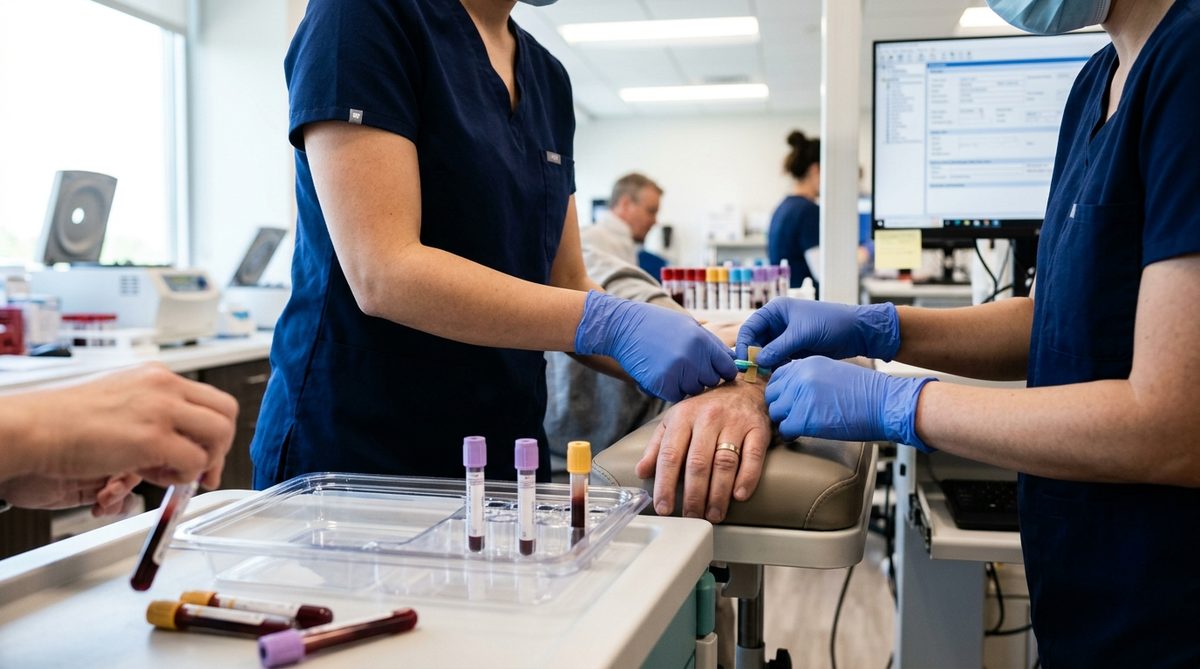
Tests then narrow the possibilities. A Complete blood count may assess red cells, white cells, and platelets. A Blood test can also measure a Blood sugar level, kidney markers, cholesterol, thyroid hormones, or inflammation. Liver function tests measure substances linked with liver cells and bile flow. An abnormal result is a clue, not a diagnosis on its own.
Preventive checks matter even when you feel well. Screening can find high Blood pressure, diabetes risk, and some cancers before symptoms appear. The right schedule depends on age, sex, family history, past results, and local medical guidance.
What should you do when several mild signs appear together?
Several small changes can carry more meaning than one dramatic complaint. Fatigue with thirst, frequent urination, blurred vision, and slow Wound healing may point toward a high Blood sugar level. Breathlessness with pale skin and a racing heart may lead to a check for anaemia. A growing waist with raised Blood pressure and abnormal glucose may suggest Metabolic syndrome.
These patterns guide assessment, but they do not prove a cause. Write down when each sign began and book an appointment if the cluster persists. Ask what the likely causes are, which serious causes need exclusion, and what change should trigger urgent care.
Do not wait for every sign to become severe. Early review may reveal a simple cause such as a medicine effect or poor sleep. It may also find a condition that responds better when treated early.
What is the clearest next step?
Choose the most persistent change in your body, record it for two weeks, and book a medical assessment sooner if it worsens or affects normal daily tasks.

What Are 10 Signs That My Body Is Healthy?
Read article →
What Are Signs of Poor Function Health?
Read article →
What Are Some Weird Signs That My Body Is Healthy?
Read article →
What Are Five Signs That I Might Not Be Healthy?
Read article →
What Are the Typical Components of a Functional Health Assessment?
Read article →