Is Homeopathy Accepted Worldwide? What the Global Picture Actually Shows
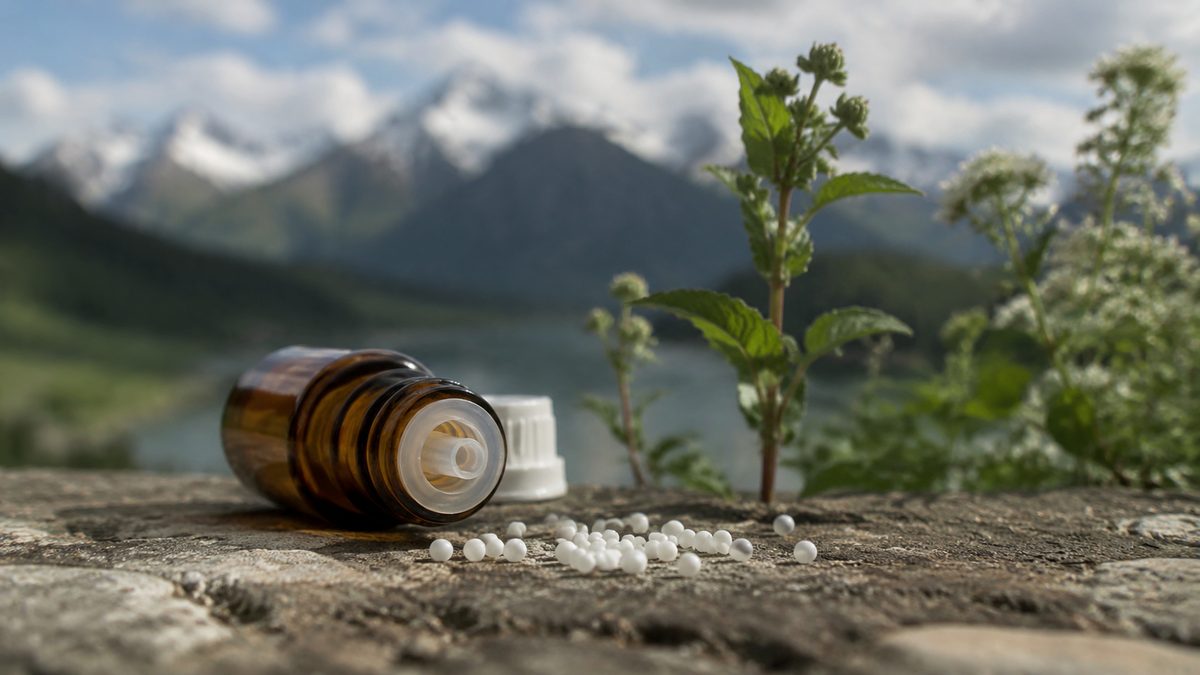
Homeopathy is used by an estimated 500 million people across the world. That makes it one of the most widely used forms of medicine outside of conventional healthcare.
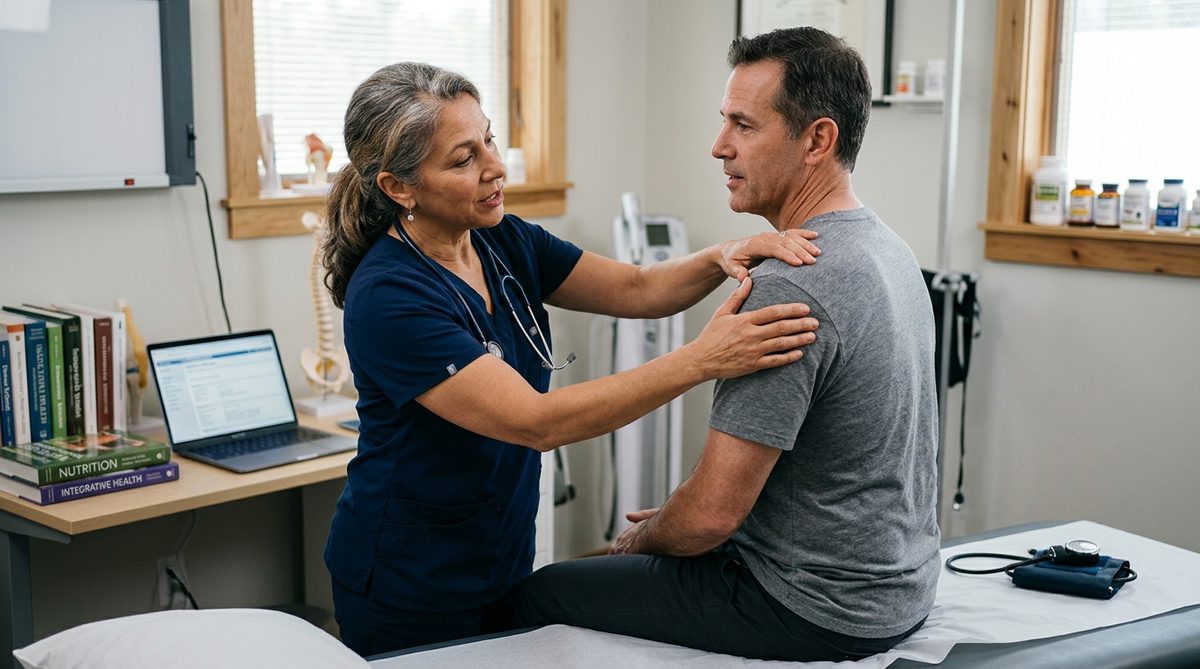
Yet it remains one of the most argued-about. qualified homeopathic practitioner
The honest answer to whether homeopathy is accepted worldwide is: yes, in most of it. Not universally. Not without debate. But the map of countries where homeopathy is practiced, regulated, and integrated into health systems is much larger than most people expect.
Here is what that actually looks like.
Which Countries Allow and Regulate Homeopathy?
Homeopathy is legal and practiced in the majority of countries. The differences come down to how each country regulates it.
In India, homeopathy is formally integrated into the national health system. It sits under the AYUSH ministry alongside Ayurveda and Unani medicine. There are over 200,000 registered homeopathic practitioners and more than 180 homeopathic medical colleges. This isn't fringe medicine in India. It's mainstream.
In Germany, homeopathy has been part of healthcare culture for over 200 years. Samuel Hahnemann developed it there in the late 1700s. German health insurance funds have historically reimbursed homeopathic treatments, though coverage has been reviewed in recent years. Germany
In France, homeopathic products were sold through pharmacies and covered by the national health system for decades. Reimbursement dropped in 2019 following a government review, but homeopathy remains legal, widely available, and used by millions.
Brazil recognizes homeopathy as a medical specialty. Brazilian doctors can complete postgraduate training and officially practice as homeopathic physicians. The Brazilian Federal Medical Council approved it back in 1980.
Mexico, Switzerland, the United Kingdom, Australia, South Korea, Pakistan, Sri Lanka and dozens of other countries all permit homeopathic practice with varying degrees of formal regulation.
In Australia, where HomeopathyPlus is based, homeopathy is practiced by registered natural health practitioners. Homeopathic medicines are regulated by the Therapeutic Goods Administration (TGA) and must meet labeling and manufacturing standards before sale.
Where in the World Is Homeopathy Most Popular?
India is the clear answer. The scale is hard to match anywhere else.
When I've spoken with clients who have family in India, the picture they describe isn't one of people using homeopathy as a last resort. It's often their first choice. One client told me her grandmother in Mumbai had seen a homeopath for routine health concerns her entire adult life and never questioned whether it was real medicine. To her, it simply was medicine.
Beyond India, Europe carries significant homeopathic use. A European Commission survey found that around 29% of EU citizens had used homeopathy. In countries like France, Germany, Italy, and the Netherlands, use rates are particularly high.
Latin America, especially Brazil and Argentina, also shows strong uptake. In parts of South America, homeopathy is integrated with conventional medical practice in ways that would surprise many people in English-speaking countries.
How Many People Worldwide Use Homeopathy?
The World Health Organization has cited figures suggesting homeopathy is the second most widely used medical system in the world, with around 500 million users. Some more recent estimates put the number higher.
To put that in perspective: that's roughly the population of the entire European Union using homeopathy as part of their healthcare.
The growth trend matters too. Markets in Asia, Africa, and Latin America have expanded steadily. The global homeopathic products market was valued at over USD 1.5 billion and continues to grow. That kind of sustained market growth doesn't happen with a product that delivers zero value to users.
Is Homeopathy Valid in the USA?
This is where the answer requires more nuance. But it still has a clear answer.
Homeopathy is legal in the United States. It's practiced by licensed healthcare providers including naturopathic doctors, some medical doctors, and other credentialed practitioners. Homeopathic products have been sold commercially in the US since the 1930s under the Federal Food, Drug, and Cosmetic Act, which explicitly recognized homeopathic preparations.
The FDA updated its regulatory approach in 2019 to apply more scrutiny to homeopathic products making specific health claims, particularly for serious conditions. This brought the regulatory framework more in line with other health products. It didn't ban homeopathy.
What the US doesn't have is public health system integration. There's no Medicare or Medicaid reimbursement for homeopathic treatment. The mainstream medical and scientific institutions in the US are skeptical, and professional bodies like the American Medical Association don't endorse it.
So: legal, available, practiced, but not officially endorsed or publicly funded. That's the accurate picture in the US.
What the Debate Is Actually About
Most articles on this topic frame the controversy as settled science versus irrational belief. That framing misses something important.
The evidence picture for homeopathy is genuinely mixed. There are systematic reviews that find no effect beyond placebo. There are also clinical trials and practitioner-level outcome studies that show positive results. The disagreement is real, and it happens among researchers, not just between researchers and practitioners.
What I find more interesting, and what most articles skip, is this: the placebo argument has a ceiling. A treatment used consistently by hundreds of millions of people across vastly different cultures, income levels, and healthcare systems, over more than 200 years, isn't sustained purely by expectation. Something about the clinical encounter, the individualized approach, or the remedies themselves is producing value that keeps people coming back.
In my experience working with clients who've tried homeopathy after conventional medicine left them without answers, the response isn't imaginary. One client came to me after years of medically unexplained symptoms that multiple GPs hadn't resolved. Within weeks of working with a homeopath, she had shifts in her sleep and energy that she hadn't experienced in years. Is that proof homeopathy works? No. But it's also not nothing.
Three Things Most Articles Get Wrong About Global Homeopathy Acceptance
1. Rejection in one country does not equal global rejection
When the UK's National Health Service stopped funding homeopathy in 2017, many headlines declared homeopathy dead. What they didn't say is that the NHS decision was a funding decision, not a legal ban. Homeopathy remained legal and available in the UK. It also had zero effect on usage in India, Brazil, or Germany. Treating one government's budget decision as a verdict on global medicine is a mistake.
2. Regulation is not the same as endorsement
Countries that regulate homeopathic products aren't necessarily saying those products work. They're saying: if these products exist in our market, they need to meet safety and labeling standards. Australia's TGA regulating homeopathic remedies is quality control, not a scientific stamp of approval. These are different things, and mixing them up misleads in both directions.
3. The people using homeopathy are not mostly uninformed
This one gets under my skin the most. The assumption that homeopathy users are credulous or poorly educated doesn't hold up against the data. European surveys consistently show that homeopathy use is often higher among more educated and higher-income groups. People who use homeopathy in developed countries are often doing so as a deliberate choice alongside, not instead of, conventional care. They've usually researched their options.
How Different Countries Handle the Evidence Question
Switzerland conducted one of the most thorough government-level reviews of homeopathy in history. The Swiss Federal Office of Public Health commissioned a comprehensive health technology assessment. The 2011 report concluded that homeopathy had sufficient evidence of effectiveness and safety to warrant inclusion in the national health insurance scheme. Switzerland's voters also backed that inclusion by referendum.
That doesn't mean the science is settled. It means one country ran a serious evaluation process and reached a different conclusion than the UK or Australia's NHMRC. Reasonable people can look at the same evidence and weigh it differently. That's what's actually happening globally.
FAQ
Is homeopathy banned anywhere?
A full legal ban is rare. Some countries restrict specific products or health claims. The UK removed NHS funding but didn't ban practice. Most countries permit homeopathy with varying degrees of regulation.
Does the WHO support homeopathy?
The WHO has acknowledged traditional medicine systems including homeopathy as part of global health practice and called for their proper regulation. It hasn't endorsed homeopathy as proven effective for specific conditions. Its Traditional Medicine Strategy does recognize the need to integrate and regulate these systems responsibly.
Can you use homeopathy alongside conventional medicine?
Yes, and most people who use homeopathy do exactly that. It's most commonly used as a complement to conventional treatment, not a replacement. If you're managing a serious health condition, always keep your conventional medical team informed about everything you're taking or doing.
Are homeopathic remedies safe?
Homeopathic remedies at standard dilutions are generally considered safe. The main risk isn't the remedies themselves but delaying necessary conventional treatment for serious conditions. In countries with TGA or equivalent oversight, products must meet manufacturing and labeling standards.
Why do some doctors oppose homeopathy?
The primary argument is that the proposed mechanism, extreme dilution retaining a biological effect, isn't consistent with current chemistry and physics. Many doctors also point to systematic reviews finding no effect beyond placebo. These are legitimate scientific concerns. They explain the skepticism without explaining away the global usage data.
What This Means If You Are Considering Homeopathy
Homeopathy isn't a fringe practice used by a handful of believers. It's a globally used health system with regulatory frameworks, trained practitioners, and hundreds of millions of regular users. It's also genuinely debated in scientific and medical communities, and that debate isn't over.
The most useful thing you can do is treat it the same way you'd evaluate any health approach: look at what people with your specific situation have experienced, work with a qualified practitioner, stay connected to your conventional medical care, and pay attention to your own results.
Action point: If you want to explore homeopathy, start by booking a consultation with a qualified homeopathic practitioner who takes a full case history. One session will tell you more about whether the approach suits you than any debate article will.

What Are 10 Signs That My Body Is Healthy?
Read article →
How to Tell if Your Body Is Unhealthy?
Read article →
What Are Signs of Poor Function Health?
Read article →
What Are Some Weird Signs That My Body Is Healthy?
Read article →
What Are Five Signs That I Might Not Be Healthy?
Read article →