Is Homeopathy Recognised in Australia? What You Actually Need to Know
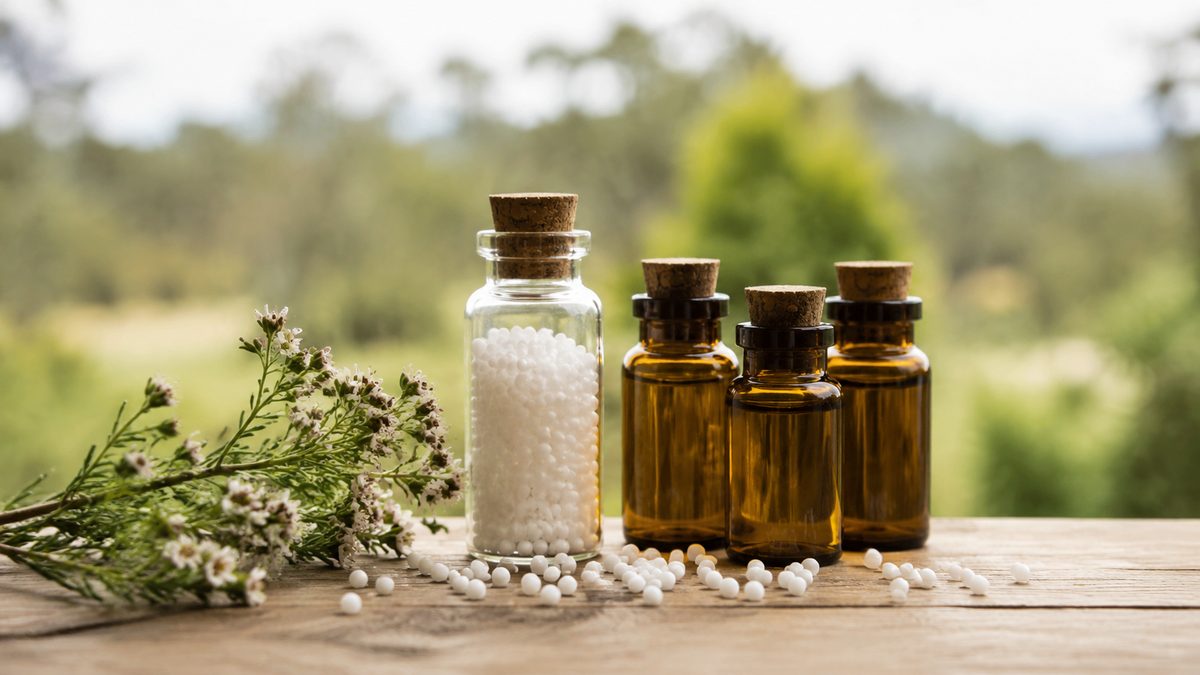
Homeopathy is legal in Australia. Practitioners work here. Products sit in pharmacies and health food stores. Patients use it every day. But the government doesn't endorse it the way it endorses conventional medicine, and that distinction matters.
This article breaks down what recognition actually means in Australia, what the law says, how practitioners operate, and what patients report.
What Does "Recognised" Actually Mean Here?
Recognition can mean different things. Legal permission to practise. Government endorsement or funding. A profession with its own registration board. Homeopathy in Australia has the first. It doesn't have the second. It only partially has the third.
Homeopathy isn't listed on the Australian Health Practitioner Regulation Agency (AHPRA) register. Homeopaths aren't regulated the same way doctors, nurses, or physiotherapists are. But that doesn't make it illegal. Many health professions in Australia operate outside AHPRA: nutritionists, counsellors, myotherapists.
Homeopathic products are regulated by the Therapeutic Goods Administration (TGA). They must be listed or registered on the Australian Register of Therapeutic Goods before they can legally be sold. The TGA checks their safety and labelling. They go through a real process before hitting shelves.
Is Homeopathic Medicine Allowed in Australia?
Yes. Homeopathic medicines can be legally manufactured, imported, and sold in Australia if they're listed with the TGA. Most are listed under the AUST L designation. That means they've been checked for safety and quality, though not for effectiveness in the way pharmaceutical drugs are. If you're travelling and need to know about carrying homeopathic medicines in an international flight, there are specific rules to follow. carrying homeopathic medicines internationally
This is where confusion happens. People hear "TGA listed" and think the government is endorsing the product's effectiveness. That's not what listing means. It means the product cleared safety and labelling requirements. Whether it works for a specific condition is a separate question.
How Are Homeopaths Regulated in Australia?
Homeopaths self-regulate through professional associations rather than a government board. The main one is the Australian Homeopathic Association (AHA). Members must meet education standards, hold professional indemnity insurance, and follow a code of ethics.
This is different from state-based regulation and different from AHPRA regulation. It means a practitioner's standard depends on which association they join and whether they stay active. A practitioner with no association has no external accountability.
The practitioners who do the most careful work are usually deeply embedded in their professional community. The best approach: check AHA membership before booking a session.
What Did the National Health and Medical Research Council Conclude?
In 2015, the National Health and Medical Research Council (NHMRC) published a review of homeopathy and concluded there was no good quality evidence that homeopathy works for any health condition. This is the most commonly cited government commentary on homeopathy in Australia.
It sparked significant debate. Critics pointed to methodological concerns: which studies were included, how quality was assessed. Supporters pointed to it as a clear signal that public health resources shouldn't fund homeopathy.
What most articles miss: this review shaped public talk without changing the law. Homeopathy stayed legal. The TGA kept listing products. Practitioners kept working. The review was an evidence assessment, not a regulatory action.
The NHMRC saying there's no evidence isn't the same as the government banning the practice or the products.
How Much Do Homeopathy Practitioners Earn in Australia?
This varies. Location matters. Whether they run a private clinic or work within a broader natural health practice matters. How established their client base is matters.
A newly qualified homeopath building a practice might earn between $40,000 and $60,000 annually at first. An experienced practitioner with a full caseload in a metro area can earn $80,000 to over $100,000, particularly if they combine homeopathy with other modalities or run group programmes.
Homeopathy isn't covered by Medicare. Every consultation is a private fee. This limits volume compared to bulk-billed services, but practitioners set their own rates. Initial appointments typically run between $100 and $200.
Which Country Is Best for Homeopathy?
India has the most developed homeopathic system in the world. It's integrated into the national healthcare system. It's taught at dedicated universities. Hundreds of thousands of registered practitioners work there. The Central Council of Homeopathy regulates the profession at federal level. Similar regulatory questions arise when bringing ayurvedic medicine to Australia from other countries with established natural medicine traditions. bringing natural therapies into Australia
Germany and the UK have historically strong homeopathic traditions, though both have seen reduced public health funding over the past decade. Brazil also has a large practitioner base and official recognition through the Federal Council of Medicine.
Australia sits closer to the UK model. Private practice is permitted and regulated products are available. But government endorsement and public funding are limited.
What Patients in Australia Actually Experience
People often come to homeopathy after conventional treatment hasn't worked. They're not rejecting medicine. They're frustrated that their problem keeps returning or they want a different kind of consultation: one that spends time on their full history rather than a ten-minute appointment.
What stands out in patient reports is the consultation itself. Many describe the initial appointment as the first time someone listened to the whole picture. Whether the remedy drove improvement or lifestyle changes combined with that attention, they report feeling heard in a way previous healthcare didn't provide.
The therapeutic relationship and the depth of the intake process have their own value, separate from the remedy itself.
The Angle Most Articles Miss
Most pieces on homeopathy in Australia focus on the efficacy debate. That's real, but it's not the only question worth asking.
First: the structure of a homeopathic consultation (long, detailed, focused on the individual rather than diagnosis) is itself uncommon in Australian healthcare. Even if you're sceptical about remedies, the case-taking model is worth understanding.
Second: "no evidence of effect" is different from "evidence of no effect." The NHMRC review found insufficient quality evidence. That's about what research exists, not a definitive statement that the mechanisms are impossible. Those are different claims.
Third: patients using homeopathy in Australia are often using it alongside conventional treatment, not instead of it. The either/or framing in media doesn't match how most people actually use it.
Frequently Asked Questions
Is homeopathy banned in Australia?
No. Homeopathy is legal in Australia. Practitioners can operate. Products can be sold. Patients can access consultations freely. It's not government-funded through Medicare, but it's not prohibited.
Can homeopaths call themselves doctors in Australia?
Only if they hold a registered medical degree. Using "doctor" without registration is controlled under state-based law. A homeopath without a medical degree can't legally call themselves a doctor in a clinical context.
Does private health insurance cover homeopathy in Australia?
It did until 2019, when the Australian government removed homeopathy from the list of natural therapies eligible for private health insurance rebates. That rebate no longer applies.
Is homeopathy the same as naturopathy?
No. Naturopathy is broader and may include herbal medicine, nutrition, lifestyle advice, and sometimes homeopathy as one tool. Homeopathy is specific: highly diluted substances. A naturopath may use homeopathic remedies. A homeopath focuses specifically on that system.
Where can I find a qualified homeopath in Australia?
The Australian Homeopathic Association directory lists practitioners who meet membership standards. Homeopathy Plus at homeopathyplus.com.au is also a well-established Australian resource for information and connecting with practitioners.
What to Do Now
If you're curious about homeopathy in Australia, start with the Australian Homeopathic Association directory for a practitioner in your area. Book an initial consultation. Bring a clear description of your issue: how long it's been present, what makes it better or worse, what you've already tried. That preparation helps the practitioner and gets you more out of the appointment.
If you're researching products, check the TGA register to confirm any homeopathic remedy you're considering is listed before purchasing.
For deeper reading on how homeopathy works and what conditions people use it for, Homeopathy Plus is one of the most detailed Australian resources available.
Continue with the Homeopathic remedies and practice collection.

What Are 10 Signs That My Body Is Healthy?
Read article →
How to Tell if Your Body Is Unhealthy?
Read article →
What Are Signs of Poor Function Health?
Read article →
What Are Some Weird Signs That My Body Is Healthy?
Read article →
What Are Five Signs That I Might Not Be Healthy?
Read article →