Is Homoeopathy Valid in Australia? What You Actually Need to Know

Homoeopathy is legal, widely available, and used by hundreds of thousands of Australians every year. Whether it belongs in your health plan depends on what you want from it and what the evidence actually shows.
This article cuts through the noise. It covers what the law says, what research shows, what practitioners can and cannot do, and what real people experience when they try it.
Are Homoeopathic Medicines Allowed in Australia?
Yes. Homoeopathic medicines are legal in Australia and regulated by the Therapeutic Goods Administration (TGA). They sit in the same regulatory framework as vitamins, herbal supplements, and other complementary medicines.
Most carry an AUST L number on the label, meaning the TGA assessed the ingredients as low risk. A smaller number are registered (AUST R), which requires evidence they work for a specific condition.
Practically: you can walk into a health food store, pharmacy, or order online from a supplier like HomeopathyPlus and legally buy homoeopathic remedies. No prescription needed.
Where it gets complicated is claims. Australian law restricts what manufacturers and practitioners can say about these products. You cannot legally claim a homoeopathic product treats cancer or replaces a vaccine. Reputable practitioners follow these rules.
Can You Legally Practice Homoeopathy in Australia?
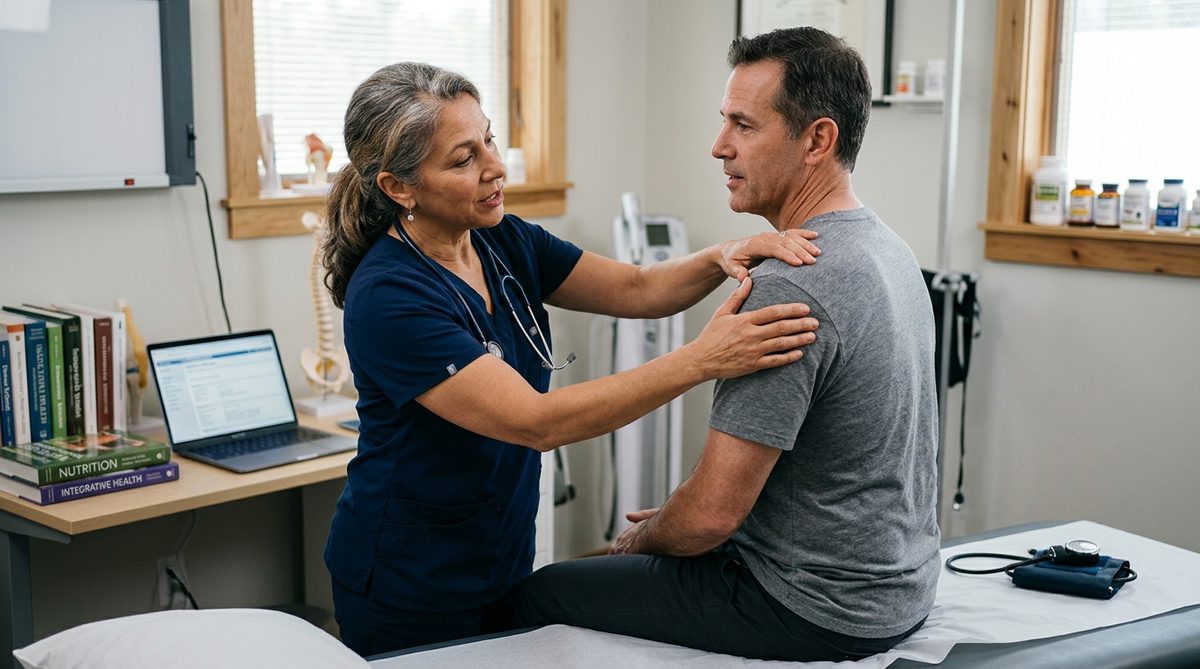
Yes, with an important distinction. Homoeopathy is an unregistered health profession in Australia. Practitioners aren't registered with AHPRA (the Australian Health Practitioner Regulation Agency), the body that registers doctors, nurses, and physiotherapists.
That doesn't mean anyone can hang a shingle without training. professional homoeopaths like the Australian Homoeopathic Association (AHA) set standards for education and conduct. Many practitioners hold degrees or advanced diplomas from recognised colleges.
The best practitioners I've seen are deeply trained and genuinely cautious about scope of practice. They know when to refer. They don't claim to cure things they can't.
The risk sits with fringe operators who lack proper training and make irresponsible claims. That problem isn't unique to homoeopathy. It exists across all unregistered health fields.
Using the title "homoeopath" isn't protected the way "physiotherapist" or "psychologist" is. The profession is actively working to change this through better self-regulation and public accountability.
What Does the Medical Establishment Actually Say?
The Australian Medical Association (AMA) doesn't support homoeopathy as a medical treatment. The National Health and Medical Research Council (NHMRC) published a review in 2015 concluding there was no reliable evidence homoeopathy was more effective than placebo for any health condition.
That review has been heavily criticised, including by researchers who argue it applied stricter evidence standards to homoeopathy than to many accepted medical treatments. Some of those criticisms have merit. The methodology was contested enough that the NHMRC itself acknowledged limitations.
Most articles treat the NHMRC review as the final word. It wasn't. One review with acknowledged limitations on a body of research that remains genuinely contested.
Here's what the evidence picture actually looks like: thousands of homoeopathy studies exist. Many are low quality. Some show positive results. The honest summary is mixed evidence, an unexplained mechanism, and an unsettled debate.
Dismissing homoeopathy entirely means ignoring a lot of clinical reports, practitioner observations, and patient outcomes that don't fit neatly into randomised controlled trial frameworks. That doesn't make it proven. It makes it complex.
Is Homoeopathy Covered by Medicare?
No. Medicare doesn't cover homoeopathy consultations or remedies. It's a publicly funded system that covers treatments recognised under the conventional medical model.
Private health insurance is different. Some extras cover policies in Australia do include homoeopathy under natural therapies. This changed in 2019 when the federal government removed rebates for several natural therapies, based on the NHMRC evidence review.
Some funds still offer it as optional, but the rebate is smaller than before 2019. Check your specific policy. BUPA, Medibank, and others handle it differently.
A homoeopathy consultation in Australia typically costs between $80 and $180 for an initial session. Remedies are generally inexpensive. For many people, the out-of-pocket cost is manageable, which is why they continue using it regardless of insurance status.
Is Homoeopathy Accepted Worldwide?
It's used worldwide. Whether it's accepted depends on the country.
In India, homoeopathy is part of the official national health system. Government-funded homoeopathic hospitals exist alongside a statutory board that regulates the profession. Millions receive homoeopathic treatment through the public system.
In Germany and Switzerland, homoeopathy has a long clinical tradition and is used by a significant portion of the medical profession alongside conventional medicine. Switzerland included homoeopathy in its national health insurance after a lengthy government review.
In the UK, the NHS largely stopped funding homoeopathy by 2017 to 2018 following pressure from medical groups. Private practice continues.
In France, the national insurer stopped reimbursing homoeopathy in 2021 after a government report found insufficient evidence.
The global picture isn't uniform rejection or acceptance. It reflects genuine disagreement between countries that weigh evidence, tradition, patient demand, and health system priorities differently.
What Most Articles Miss About the Homoeopathy Debate
The placebo argument cuts both ways
Critics say homoeopathy works only as placebo. Even if that were entirely true, it wouldn't settle whether it has value. Placebo responses are real physiological responses. In chronic conditions where stress and psychology play a strong role, a reliable placebo with no side effects and a caring consultation is not nothing.
One of my clients came to homoeopathy after years managing anxiety with medication that left her flat and tired. She didn't care why it worked. She slept better, her gut settled, and she felt more herself. Whether that was placebo, the consultation, or the remedy, she said it was the first thing that hadn't made her feel worse.
That's not proof homoeopathy is effective. It's a real outcome in a real person's life that the placebo dismissal doesn't fully account for.
The safety profile is genuinely strong
Homoeopathic remedies at standard potencies have an exceptionally low risk of direct harm. The remedies contain no pharmacologically active molecules at high dilutions. That's precisely what critics use to argue they can't work. But it's also what makes them very safe for sensitive populations like infants, pregnant women, and the elderly.
When I tried to find documented cases of direct toxicity from standard homoeopathic remedies, I found almost none. The safety record over more than two centuries is hard to ignore, even for sceptics.
The risk isn't the remedy. The risk is delay of necessary treatment, or a practitioner overstepping into conditions that need medical care. A well-trained practitioner avoids both.
The evidence standards applied are inconsistently enforced
Many widely used medical procedures and drugs have weaker evidence bases than the medical mainstream acknowledges. Antidepressants for mild depression, arthroscopic knee surgery, and long-term proton pump inhibitor use are three examples where the evidence is messier than the standard of care suggests.
Homoeopathy is held to a strict evidence standard that much of conventional medicine doesn't meet either. That inconsistency matters when you're trying to make an honest assessment.
Who Uses Homoeopathy in Australia and Why
Australian Bureau of Statistics data consistently shows a significant proportion of Australians use complementary medicine, including homoeopathy, each year. Most aren't rejecting conventional medicine. They're adding to it.
I remember one client managing a child with recurrent ear infections. Three rounds of antibiotics in six months. The GP was reluctant to keep prescribing. The parents wanted something to break the cycle without more antibiotics. They came to homoeopathy not out of ideology but exhaustion with a recurring problem.
That's the typical user. Not someone who distrusts medicine. Someone with a specific problem conventional approaches haven't fully resolved, looking for an additional option.
People also use homoeopathy for stress, sleep, skin conditions, hormonal issues, and chronic low-grade complaints that rarely get prioritised in a ten-minute GP appointment.
FAQ
Is homoeopathy safe to use alongside conventional medicine?
Generally yes. At standard potencies, homoeopathic remedies don't interact with pharmaceutical drugs the way herbal medicines can. Always tell your GP what you're taking, including any complementary therapies.
Can homoeopaths diagnose conditions in Australia?
Legally, diagnosis is restricted to registered medical practitioners. Homoeopaths assess and work within their scope. A good homoeopath will refer you to a GP when a condition needs medical diagnosis or treatment.
Are homoeopathic remedies sold at pharmacies in Australia?
Yes. Many pharmacies stock homoeopathic products alongside vitamins and herbal medicines. Specialist suppliers like HomeopathyPlus offer a broader range online with practitioner-grade options.
Why did the government remove health fund rebates for homoeopathy?
The 2019 change followed a government review that concluded the evidence for several natural therapies, including homoeopathy, didn't meet the threshold required for taxpayer-subsidised rebates. The products remain legal. It was a funding decision, not a ban.
Can a GP in Australia refer me to a homoeopath?
There's no formal referral pathway under Medicare, but some integrative GPs work alongside homoeopaths or can point you toward one. A referral doesn't unlock Medicare rebates for the homoeopathy consultation.
Is homoeopathy the same as herbal medicine?
No. Herbal medicine uses plant extracts at doses with measurable pharmacological activity. Homoeopathy uses highly diluted substances and operates on a different theoretical basis entirely. They're separate disciplines with separate practitioners and training pathways.
What to Actually Do
If you're curious about homoeopathy, consult a qualified practitioner with verified training. Don't just buy a product off a shelf and hope for the best. A proper case-taking consultation is where homoeopathy either earns its place or doesn't.
Don't stop prescribed medication without speaking to your doctor. Don't use homoeopathy for conditions that need urgent medical attention. And don't let either the true believers or the committed sceptics make this decision for you before you've tried it properly.
The question of whether homoeopathy is valid is one you're most likely to answer for yourself through direct experience, not through reading reviews of a debate that's been running for two hundred years without resolution.
Your action point: Book a single initial consultation with a qualified homoeopath. Bring your most persistent, low-stakes complaint. See what happens. One consult gives you more real information than any article, including this one.

What Are 10 Signs That My Body Is Healthy?
Read article →
How to Tell if Your Body Is Unhealthy?
Read article →
What Are Signs of Poor Function Health?
Read article →
What Are Some Weird Signs That My Body Is Healthy?
Read article →
What Are Five Signs That I Might Not Be Healthy?
Read article →