Warning Signs of Sleep Apnea You Should Not Ignore
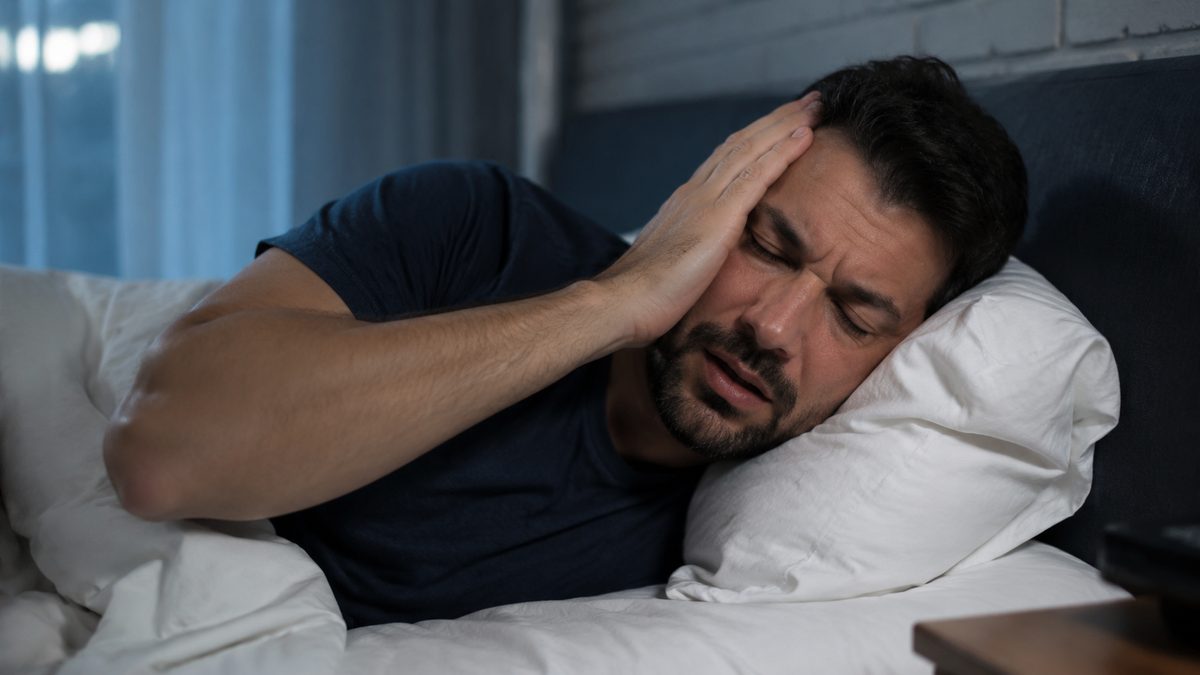
Loud snoring. Waking up exhausted no matter how long you slept. Someone watching you stop breathing at night. Those are the core warning signs of sleep apnea.
About 1 in 4 adults have it. The most telling symptom is excessive daytime sleepiness, the kind that hits you even after 8 hours in bed. Breathing pauses, choking awakenings, and hard-to-control high blood pressure are red flags that mean you need evaluation now, not later. thyroid problem
What Is the Most Telling Symptom of Sleep Apnea?
Excessive daytime sleepiness is the single most revealing symptom. Not regular tiredness. The kind where you fall asleep at your desk, in the car at red lights, or mid-conversation.
Your brain never gets the deep, restorative sleep it needs because your breathing keeps cutting out through the night.
When I talk to clients about this, they often say the same thing: "I thought I was just getting older" or "I figured I was stressed." One of my clients came in after years of dragging herself through mornings, convinced she had a thyroid problem. Every blood test came back normal. What she actually had was obstructive sleep apnea, her airway was collapsing dozens of times per hour while she slept.
The reason daytime sleepiness is so significant is that it reflects cumulative oxygen deprivation. Each time your airway closes, your brain briefly wakes you to restart breathing. You may not remember these arousals, some people have 30 or more per hour, but your body pays the price every day.
What Are the Red Flags for Sleep Apnea?
Some symptoms are easy to miss. Others are hard to ignore once you know what to look for.
Nighttime Red Flags
- Loud, chronic snoring. This is the most common nighttime sign, reported by 89% of patients referred for sleep testing.
- Gasping, snorting, or choking during sleep. Your body forcing the airway back open.
- Witnessed breathing pauses. A partner watching you stop breathing is one of the strongest clinical indicators.
- Sudden awakenings with a feeling of breathlessness.
- Waking frequently to urinate. Nocturia is an overlooked sleep apnea symptom.
- Mouth breathing. This signals nasal obstruction and can drive worsening of sleep-disordered breathing over time.
Daytime Red Flags
- Morning headaches. From low overnight oxygen levels.
- Difficulty concentrating or memory problems.
- Irritability or mood changes.
- Falling asleep during passive activities like reading or watching TV.
- High blood pressure that is hard to control. 78% of sleep apnea patients in one study had hypertension.
Physical Risk Factors That Raise the Stakes
- BMI over 30, especially over 35. 44% of patients in one cohort had BMI above 35.
- Large neck circumference (over 40cm in women, 43cm in men).
- Age over 50.
- Family history of sleep apnea.
- Erectile dysfunction or testosterone deficiency.
When I first learned that erectile dysfunction and nocturia were linked to sleep apnea, it reframed how I think about these complaints. They're not separate problems. They're the same body struggling to manage the fallout from chronic overnight oxygen drops.
Obstructive vs Central Sleep Apnea: Does the Type Change the Warning Signs?
Mostly, yes. Obstructive sleep apnea (OSA) is by far the more common type. 26 to 32% of adults are estimated to be at risk.
The airway physically collapses, which is why snoring is so dominant in OSA. The soft tissue at the back of the throat blocks airflow, and the body has to fight to reopen it.
Central sleep apnea is different. The airway stays open, but the brain simply stops sending the signal to breathe. Snoring is less prominent. What you see instead is a smoother pause in breathing without the gasping and choking that marks obstructive apnea. Central sleep apnea is more often linked to heart failure, stroke, or opioid use.
For most people reading this, obstructive sleep apnea is the relevant concern. But if you have heart failure or a neurological condition and you or a partner notices calm breathing pauses without loud snoring, central sleep apnea is worth raising with your doctor.
How Do I Test Myself for Sleep Apnea?
You can't diagnose sleep apnea yourself, but you can build a strong enough case to push for formal testing.
Start with the STOP-BANG questionnaire. It asks eight yes/no questions:
- Do you Snore loudly?
- Do you often feel Tired or fatigued during the day?
- Has anyone Observed you stop breathing during sleep?
- Do you have or are you being treated for high blood Pressure?
- Is your BMI over 35?
- Age over 50?
- Neck circumference over 40cm (women) or 43cm (men)?
- Gender male?
Three or more yes answers puts you in the high-risk category. Five or more means the risk is very high.
From there, formal testing options include:
- Home sleep apnea testing (HSAT). A portable device you wear at home that tracks breathing patterns, oxygen levels, and heart rate. It's increasingly used as a first-line diagnostic tool. In one urology cohort study, 100% of patients who completed home testing were diagnosed with OSA.
- Polysomnography. The gold-standard in-lab sleep study that monitors brain activity, eye movement, muscle activity, heart rate, and oxygen levels overnight. More comprehensive, but not always necessary as a first step.
One thing I've seen clients struggle with is waiting. They score high on STOP-BANG, their partner describes apnea episodes, they feel terrible daily, and they still delay booking the test. The mental barrier is usually "what if it's nothing." In my experience, by the time someone is asking the question seriously, it's rarely nothing.
What Is the Pillow Trick for Sleep Apnea?
The pillow trick refers to sleeping on your side with a pillow positioned behind your back to stop you from rolling onto it. Positional sleep apnea is real, for some people, apnea episodes are far worse when sleeping on the back because gravity pulls the tongue and soft tissue backward, narrowing the airway further.
In my experience, the pillow trick works best for mild to moderate positional OSA. Some people sew a tennis ball into the back of a sleep shirt to the same effect. It's a low-cost, zero-risk thing to try while you're waiting for formal assessment.
What it's not: a treatment for moderate to severe sleep apnea. If your apnea index is high across all sleep positions, repositioning helps only marginally. CPAP therapy or other interventions will still be needed.
Three Things Most Articles Get Wrong About Sleep Apnea Warning Signs
1. You Don't Have to Be Overweight to Have Sleep Apnea
Weight is a major risk factor, but thin people get sleep apnea too. Anatomical factors, a narrow jaw, large tonsils, a long soft palate, can obstruct the airway regardless of body size. I've worked with clients in the healthy BMI range who were genuinely shocked by their diagnosis.
Snoring and daytime sleepiness in a lean person still warrants evaluation.
2. Women Are Significantly Under-Diagnosed
Most of the research and clinical imagery around sleep apnea centres on middle-aged, overweight men. Women have sleep apnea too, they just present differently. Insomnia, fatigue, depression, and headaches are more common presenting complaints in women than the classic snoring-gasping picture.
This leads to misdiagnosis and years of unnecessary suffering. If you're a woman reading this and nothing else fits, sleep apnea may still be the answer.
3. Snoring Alone Is Not Sleep Apnea, But It Is Still a Problem
Snoring and sleep apnea overlap heavily but aren't the same. You can snore without apnea. But snoring is the most consistent early signal, and loud, chronic snoring without any other symptoms still warrants a conversation with a doctor because it often precedes the development of full obstructive sleep apnea.
Why Untreated Sleep Apnea Is More Dangerous Than Most People Think
Repeated oxygen drops through the night do more than make you tired. Over time, untreated sleep apnea raises blood pressure, strains the heart, and significantly increases the risk of stroke, arrhythmia, and chronic respiratory failure.
In severe cases it becomes life-threatening.
I remember one of my clients describing what it felt like before his diagnosis: "I thought I was just ageing badly." He was 47. He had high blood pressure on three medications. He had morning headaches every day. He snored so loudly his wife had moved to the spare room three years earlier.
Once he started CPAP, his blood pressure came down enough to reduce medication within six months. That's not unusual. That's what treating the root cause looks like.
The daytime risk is also real. Excessive sleepiness from untreated apnea is a significant factor in motor vehicle accidents and workplace errors.
Frequently Asked Questions
Can sleep apnea go away on its own?
Rarely, without intervention. Weight loss can significantly reduce or resolve OSA in people where excess weight is the primary driver. But most people need treatment, lifestyle changes, positional therapy, oral appliances, or CPAP, to manage it effectively.
Is sleep apnea hereditary?
Family history does increase your risk, likely through inherited anatomical traits like jaw shape, airway size, and obesity tendency. If a parent has sleep apnea, it's worth screening yourself earlier rather than waiting for symptoms to worsen.
Can children have sleep apnea?
Yes. In children, enlarged tonsils and adenoids are the most common cause. Signs include snoring, mouth breathing, restless sleep, and behavioural problems or poor concentration during the day. Paediatric sleep apnea is often treatable with tonsillectomy.
Does CPAP actually work?
For most people, yes, quickly and significantly. Many people report dramatically better sleep quality within the first week of consistent CPAP use. Blood pressure improvements, reduced daytime sleepiness, and better mood typically follow within weeks to months.
What if I Cannot Tolerate CPAP?
Alternatives exist. Mandibular advancement devices (oral appliances) work well for mild to moderate OSA. Positional therapy helps for positional apnea. Surgical options are available for anatomical obstruction. Your sleep physician can guide which option fits your specific presentation.
Your Next Step
If you snore loudly, wake up exhausted, or someone has seen you stop breathing in your sleep, book a sleep evaluation. Do the STOP-BANG questionnaire tonight.
Tell your doctor your score at your next appointment. Ask about home sleep apnea testing as a first step.
The gap between suspecting sleep apnea and doing something about it is where most of the damage happens. Close that gap.
Sources
Continue with the Sleep article archive collection.

What Are 10 Signs That My Body Is Healthy?
Read article →
How to Tell if Your Body Is Unhealthy?
Read article →
What Are Signs of Poor Function Health?
Read article →
What Are Some Weird Signs That My Body Is Healthy?
Read article →
What Are Five Signs That I Might Not Be Healthy?
Read article →