What Are Five Signs That I Might Not Be Healthy?
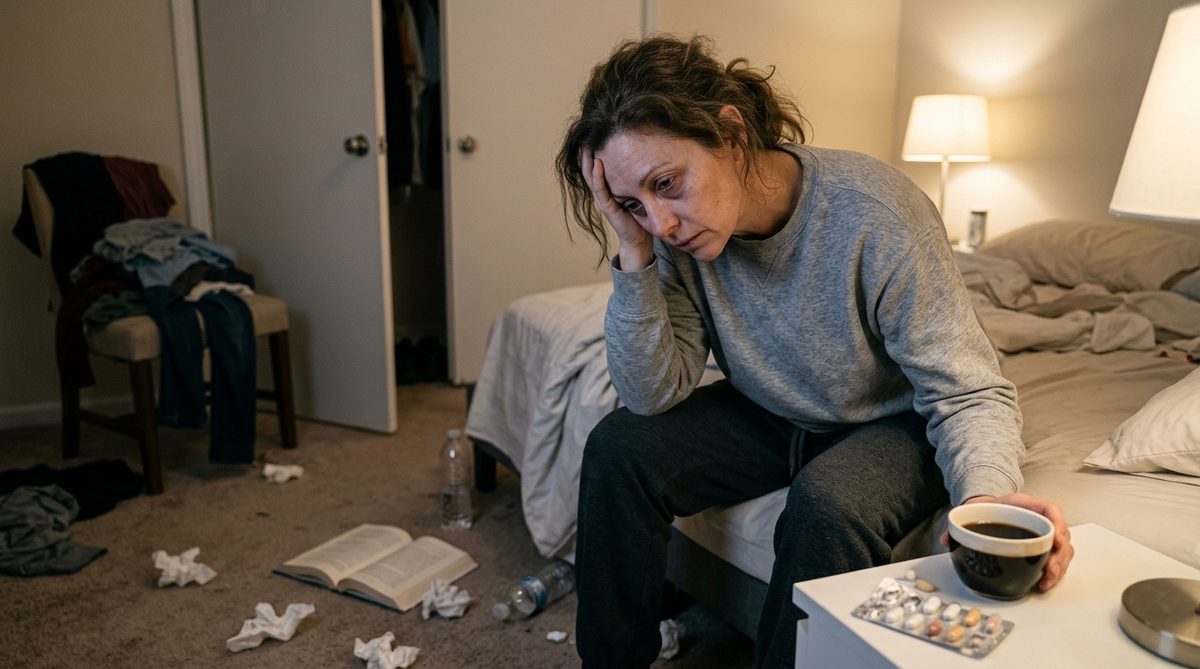
Five signs that you might not be healthy are lasting fatigue, trouble breathing, ongoing pain, unexplained bowel changes, and a clear decline in your mood or thinking. These changes do not prove that you have a disease. They mean your body may need more attention, especially when a symptom is new, getting worse, or limiting normal life.
Look for a change from your usual state rather than one bad day. A poor night of sleep can leave anyone tired. A hard workout can cause sore muscles. Concern rises when the problem has no clear cause, keeps returning, or appears with other signs that your body may need more attention.
signs and symptoms are clues, not a diagnosis. Some serious illnesses cause few early symptoms, while minor problems can feel severe. A clinician uses your Medical history, a Physical examination, and selected tests to work out what the clues mean.
1. When does low energy suggest more than ordinary tiredness?
Fatigue deserves a medical check when it lasts for weeks, does not improve with rest, or makes basic tasks feel hard. You may struggle to shower, prepare food, focus at work, or take a short walk. This is different from feeling sleepy after a late night.
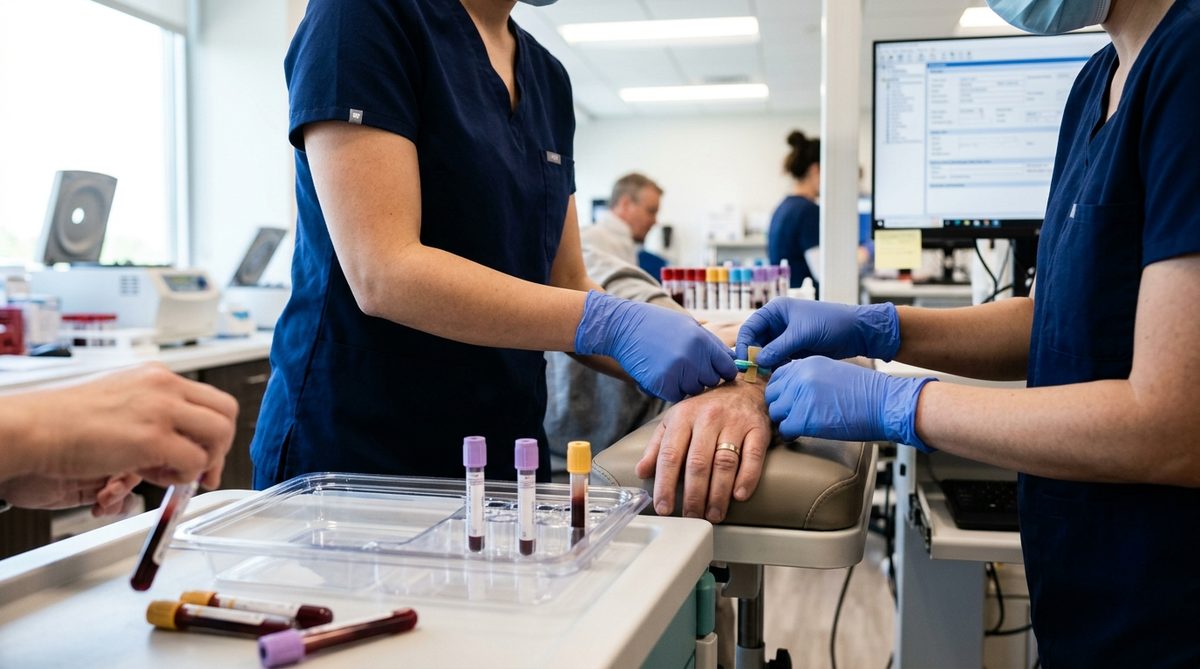
Watch for changes that occur with the fatigue. Unplanned weight loss, unusual weight gain, strong thirst, frequent urination, pale skin, fever, or weakness can help point to a cause. A Blood test may check for anaemia, infection, blood sugar problems, or changes in organ function.
An Endocrine disease can affect the hormones that guide energy use, growth, stress responses, and body temperature. An underactive thyroid, for example, may cause fatigue with feeling cold, dry skin, slowed thinking, or constipation. Diabetes is a Metabolic disorder that may first appear as thirst, frequent urination, blurred sight, or low energy.
People often blame constant fatigue on being busy. That can delay care. A useful test is to ask whether your usual routine has become harder without a clear rise in effort. If it has, record when the fatigue began and what makes it better or worse.
Fatigue can also follow poor sleep, low food intake, medicine changes, heavy menstrual bleeding, or a recent infection. The cause cannot be judged from energy levels alone. Your pattern and related symptoms matter more than the label “tired.”
2. Which breathing or circulation changes need attention?
New Shortness of breath is a warning sign when it occurs during light activity, while lying flat, or at rest. You might notice that one flight of stairs now forces you to stop. You may wake gasping, breathe faster than usual, or feel unable to take a full breath.
Seek urgent medical help for sudden or severe breathing trouble. Call emergency services if it comes with Chest pain, fainting, blue lips, confusion, coughing blood, or a heavy pressure in the chest. Do not drive yourself if you feel faint or cannot breathe normally.
Breathing trouble can come from asthma, infection, anaemia, heart problems, a blood clot, or other causes. Anxiety can also change breathing, but it should not be assumed to be the cause of a new symptom before physical problems have been considered.
Circulation problems may have no obvious feeling. High Blood pressure often causes no warning at all. That is why a proper Blood pressure measurement can reveal risk that symptoms miss. One high reading does not confirm ongoing hypertension, since pain, stress, caffeine, and poor technique can raise a reading for a short time.
Use a validated upper-arm monitor if you check at home. Sit quietly first, keep your feet on the floor, support your arm, and use the right cuff size. Record the result and time rather than relying on memory. A clinician can judge whether repeated readings need further review.
Do not use fitness as proof that your heart and lungs are healthy. A person can remain active while a problem develops. A drop in what you can do is often more useful than comparing yourself with someone else.
3. When is pain a sign that something needs checking?
Pain needs assessment when it is severe, keeps returning, wakes you from sleep, or lasts beyond the expected healing time. Pain that changes how you walk, sleep, work, or care for yourself also deserves attention.
Chronic pain usually means pain that lasts or returns for more than three months. It can result from joint disease, nerve injury, migraine, inflammation, or an old injury that did not settle. Sometimes tests do not reveal one simple cause. The pain is still real and can affect sleep, movement, concentration, and mood.
Location alone cannot tell you the cause. Back pain may come from a muscle strain, yet back pain with leg weakness or loss of bladder control needs urgent care. A headache may follow dehydration, while a sudden extreme headache can be an emergency. Chest pain may come from the chest wall or reflux, but pressure with sweating, nausea, or Shortness of breath requires urgent help.
Keep a short pain record. Note where it starts, how long it lasts, what triggers it, and how it limits you. Include injuries, medicines, fever, swelling, numbness, and recent illness. This gives a clinician more useful evidence than a pain score by itself.
A Chronic condition can change over time. New pain should not be dismissed because you already have a diagnosis. It may show that the known condition has changed, a treatment is causing trouble, or a separate problem has appeared.
4. Which bowel changes may signal poor health?
A bowel change matters when it persists, has no clear cause, or comes with bleeding, strong pain, fever, or weight loss. Watch for a lasting shift in how often you pass stool, ongoing diarrhoea, repeated constipation, unusually narrow stool, or a feeling that the bowel does not empty.
Blood in stool always needs proper attention. Bright red blood may come from haemorrhoids or a small tear near the anus. Dark red blood can come from farther inside the bowel. Black, sticky stool may signal bleeding higher in the digestive tract, though iron tablets and some foods can also darken stool.
Seek urgent care for heavy bleeding, black stool with weakness, severe abdominal pain, fainting, or a fast heartbeat. Arrange a prompt medical visit for smaller amounts of blood, even when you suspect haemorrhoids. The colour and amount cannot safely rule out another cause.
Changes in digestion may result from infection, medicine, food intolerance, bowel inflammation, or other disease. A clinician may ask about stool appearance, family history, travel, diet, and recent antibiotics. Testing can include a stool sample, a Blood test, or further examination based on the pattern.
Do not rely on a “detox” or strict food plan to explain ongoing bowel trouble. Removing many foods before assessment can hide the pattern and make good nutrition harder. Record meals and symptoms for a short period, but seek care instead of running a long self-test.
5. How can changes in mood or thinking reflect your health?
A lasting change in mood, focus, memory, or behaviour can signal a health problem. You may lose interest in activities, withdraw from people, feel unable to cope, make unusual mistakes, or struggle to complete familiar tasks. The key clue is a clear change from how you normally function.
Mental health affects sleep, appetite, energy, relationships, and physical care. Depression and anxiety can cause strong physical symptoms. Physical illness can also affect mood. Thyroid problems, anaemia, infection, medicine effects, hormone changes, and persistent pain may alter how a person feels or thinks.
A Mental disorder is a health condition, not a failure of will. Assessment looks at how long the change has lasted, how much it affects daily life, and whether physical causes or substances may play a part. It can lead to counselling, practical support, medicine, treatment of an underlying condition, or a mix chosen for the person.
Sudden confusion is different from a slow period of stress. New confusion, trouble speaking, facial droop, weakness on one side, a seizure, or loss of awareness needs emergency care. These signs can point to a stroke or another urgent problem.
Get immediate help if you feel at risk of harming yourself or someone else. Contact emergency services or a crisis service, and stay with a trusted person while help is arranged. Safety comes before working out the full cause.
What makes a symptom more concerning?
Duration is one useful clue. A symptom that lasts longer than expected deserves review, even if it feels mild. A pattern that keeps returning can matter as much as one that never stops.
Change is another clue. A new symptom, a fast decline, or a clear loss of normal ability carries more weight than a familiar and stable feeling. Keep in mind that age, pregnancy, medicines, existing illness, and family risk can change how a symptom should be judged.
Several symptoms appearing together can raise concern. Fatigue with unexplained weight loss means something different from fatigue after a late night. Pain with fever needs a different response from mild soreness after lifting. The full pattern helps set the level of urgency.
Your Medical history can reveal links that a single test misses. Tell the clinician about diagnosed conditions, recent infections, supplements, medicine changes, alcohol use, and relevant family illness. Do not leave out a symptom because it feels embarrassing or unrelated.
Can you feel well and still have a health problem?
Yes. Some conditions remain quiet for years. High Blood pressure, raised cholesterol, early kidney disease, and some blood sugar problems may cause no clear symptoms. Feeling well does not replace age-appropriate screening or routine checks based on your personal risk.
A Physical examination can find clues such as an irregular pulse, swelling, skin changes, or unusual breathing sounds. Tests should then answer a real clinical question. More testing is not always safer because harmless findings can lead to worry and further procedures.
Home devices also have limits. Watches and health apps can reveal trends, but they can miss disease or give false alerts. Treat their results as information to discuss, not a final diagnosis. Symptoms that feel serious still need care even when a device reports a normal result.
What should you do if one of these signs fits you?
First, check for danger. Seek emergency help for severe breathing trouble, crushing or unexplained Chest pain, fainting, sudden confusion, signs of stroke, heavy bleeding, or thoughts of immediate self-harm.
For a non-urgent change, book a medical appointment rather than waiting until it becomes severe. Write down when it began, how often it occurs, what affects it, and how it limits daily life. Bring your medicine list and any home readings. Clear notes help the clinician choose the right questions and tests.
Supportive care may help you feel better, but it should not delay diagnosis. This applies to supplements, homeopathy, dietary changes, and other complementary care. Tell every practitioner what treatments you use so care remains safe and coordinated.
Your single next step is to book a health check for any new, lasting, worsening, or life-limiting symptom, and seek emergency help now if a danger sign is present.

What Are 10 Signs That My Body Is Healthy?
Read article →
How to Tell if Your Body Is Unhealthy?
Read article →
What Are Signs of Poor Function Health?
Read article →
What Are Some Weird Signs That My Body Is Healthy?
Read article →
What Are the Typical Components of a Functional Health Assessment?
Read article →