What Are Homeopathic Drug Products? A Complete Guide to Understanding Homeopathy
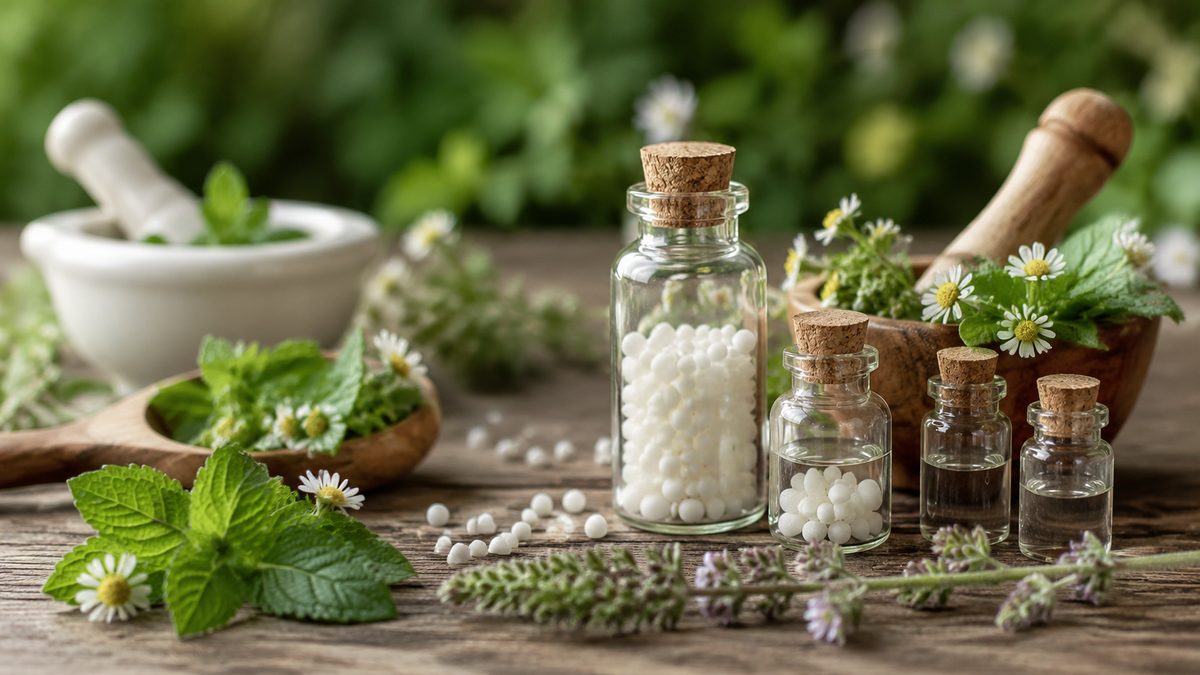
What Are Homeopathic Drug Products?
Homeopathic drug products line pharmacy shelves worldwide and attract millions seeking natural health alternatives. Yet their nature remains misunderstood. This comprehensive guide explains what homeopathic products are, how they're made, their regulatory status, and how they compare to conventional medicine.
From the foundational philosophy to practical preparation methods and real-world applications, you'll discover everything you need to understand this distinctive healthcare approach. Homeopathy Plus
The Meaning of Homeopathic Drugs
A homeopathic drug product is a medicine prepared according to homeopathy, a medical system established by German physician Samuel Hahnemann in the late 18th century. The term derives from Greek homoios (similar) and pathos (suffering), expressing the core principle: "like cures like."
The practical application involves using a substance that produces symptoms in healthy individuals, highly diluted, to treat similar symptoms in ill people. This principle, called the Law of Similars, underpins all homeopathic practice.
Many countries legally recognise homeopathic products as drugs. The FDA regulates them in the United States according to standards in the Homeopathic Pharmacopoeia of the United States (HPUS), which establishes official preparation methods and quality benchmarks. Australia's Therapeutic Goods Administration (TGA) similarly oversees homeopathic products registered on the Australian Register of Therapeutic Goods.
What Is the Main Ingredient in a Homeopathic Drug?
Homeopathic drug products contain an active ingredient sourced from remarkably diverse natural origins, organised into three categories:
- Plant-based substances: The largest category includes herbs, flowers, bark, roots, and resins, such as Arnica montana (mountain arnica), Chamomilla (chamomile), and Belladonna (deadly nightshade).
- Mineral and chemical substances: These encompass metals, salts, and inorganic compounds like Sulphur, Calcarea carbonica (calcium carbonate from oyster shells), and Natrum muriaticum (sodium chloride).
- Animal-derived substances: Some remedies use animal products including bee venom (Apis mellifica), cuttlefish ink (Sepia), or snake venom (Lachesis).
What distinguishes homeopathic active ingredients is their processing. Instead of being used at pharmacological doses, they undergo serial dilution and succussion (vigorous shaking), a process called potentisation. Homeopathic theory holds this enhances therapeutic properties while reducing toxicity risk.
Potency is expressed on a standard scale. A 6C preparation has been diluted 1:100 six times; a 30C preparation thirty times. Higher potencies (200C or 1M) involve progressively greater dilutions. These designations, appearing on product labels, guide practitioners in selecting appropriate remedies.
How Are Homeopathic Drug Products Made?
Homeopathic medicine preparation follows strict methods detailed in official pharmacopoeias, particularly the Homeopathic Pharmacopoeia of the United States and equivalent international publications. Like conventional pharmacopoeias, these define identity, purity, and preparation standards for each recognised substance.
The process typically starts with a mother tincture, a concentrated extract of raw material made with alcohol and water. This tincture is then repeatedly diluted and succussed to reach the desired potency. The final product takes several forms:
- Small lactose or sucrose pillules (most recognisable form)
- Liquid drops or tinctures
- Creams, gels, and ointments for topical application
- Tablets and granules
Insoluble substances like minerals first undergo trituration, grinding with lactose powder, before conversion into a soluble form suitable for further dilution.
Examples of Homeopathic Medicines
These well-known homeopathic medicines illustrate the range of applications:
- Arnica montana: The most recognised homeopathic remedy, widely used for bruising, muscle soreness, and trauma recovery. Available as pillules and topical creams.
- Oscillococcinum: Prepared from duck heart and liver, traditionally used at flu-like symptom onset. Among the world's best-selling homeopathic medicines.
- Belladonna: Derived from deadly nightshade, traditionally associated with sudden, intense fevers, throbbing headaches, and inflammation.
- Nux vomica: Made from poison nut, often indicated for digestive complaints, overindulgence, and irritability.
- Rhus toxicodendron: Prepared from poison ivy, traditionally used for joint and muscle stiffness worsening initially but improving with continued movement.
- Pulsatilla: Derived from windflower, frequently used for variable conditions associated with emotional sensitivity.
- Chamomilla: A common choice for teething children and pain-sensitive individuals.
This diversity of source materials reflects homeopathy's individualised approach, matching remedy to person rather than condition alone.
What's the Difference Between Homeopathic Medicine and Regular Medicine?
This frequently asked question reveals fundamental differences in philosophy, mechanism, and practice. homeopathy
Philosophy and Approach
Conventional (allopathic) medicine treats disease by counteracting symptoms. Antipyretics reduce fever, antibiotics eliminate infection, and antihypertensives manage blood pressure. The goal targets specific measurable problems.
Homeopathy views symptoms as the body's healing attempt. Rather than suppressing them, homeopathic remedies stimulate the body's own healing response through highly individualised selection, two patients with identical diagnoses may receive entirely different remedies based on their specific symptom character, emotional state, and personal factors.
Dosage and Active Ingredient Concentration
Conventional pharmacology holds that dose determines drug effects. Medications contain measurable active ingredient concentrations that interact through known biochemical pathways, binding receptors, inhibiting enzymes, altering cell function.
Homeopathic medicines, especially at higher potencies, contain dilutions so extreme that conventional chemistry cannot detect the original substance. This is homeopathy's most scientifically contested aspect, challenging standard pharmacological models. Proponents suggest water retains memory or energetic imprints of original substances, though this remains scientifically debated.
Regulation and Safety Profile
Both homeopathic and conventional products face regulatory oversight, though requirements differ. Conventional medications require rigorous clinical trials proving safety and efficacy before approval. Homeopathic products' extreme dilutions carry minimal toxicity risk, resulting in different regulatory pathways.
In Australia, homeopathic medicines are typically listed (not registered) on the Therapeutic Goods Register, requiring manufacturing and labelling compliance without efficacy proof requirements matching registered medicines.
The Role of the Practitioner
Trained homeopaths typically conduct hour-long initial consultations, exploring complete symptom pictures, personal histories, lifestyles, and emotional wellbeing. This holistic assessment identifies the single remedy (or simillimum) best matching individual states. Conventional prescribing, by contrast, typically targets specific diagnosed conditions with specific medications.
How Homeopathic Products Fit Into the Broader Health Care Landscape
Homeopathy occupies a distinctive healthcare position, neither fringe nor a replacement for evidence-based medicine, but an established complementary system with global reach estimated in hundreds of millions.
Countries including India, Germany, France, and the United Kingdom have historically integrated homeopathy into national health systems to varying degrees. In Australia, registered health professionals practise homeopathy, particularly for chronic conditions, recurrent issues, and situations where conventional options disappointed.
Many use homeopathic products alongside conventional care, making communication with all involved practitioners essential for responsible self-care. Quality homeopaths encourage maintaining necessary conventional treatments and collaborate with other providers appropriately.
Choosing and Using Homeopathic Drug Products Safely
For homeopathy newcomers, navigating available products requires consideration:
- Seek professional guidance: While some lower-potency remedies are available over-the-counter for self-prescribing, consulting qualified homeopaths proves most effective, especially for complex or long-standing concerns.
- Read labels carefully: Homeopathic labels should clearly state active ingredient, source, and potency. Australian TGA-regulated products carry AUST L or AUST L(A) numbers.
- Store remedies correctly: Homeopathic medicines require cool, dark storage away from heat, direct sunlight, and strong odours.
- Don't discontinue conventional treatment without advice: Homeopathy works best integrated into informed health strategies, not substituting for necessary medical care.
Final Thoughts
Homeopathic drug products represent a time-honoured medical approach grounded in individualised healing and the body's inherent capacity to restore balance when appropriately stimulated. From carefully sourced active ingredients to unique preparation methods and governing philosophy, these products fundamentally differ from conventional pharmaceuticals in theory and practice.
Explore homeopathy through an experienced practitioner who can guide you with expertise and care.
To learn more about homeopathy's role in supporting your health and wellbeing, visit Homeopathy Plus, a trusted Australian source for homeopathic products, education, and practitioner support.
Continue with the Homeopathic remedies and practice collection.

What Are 10 Signs That My Body Is Healthy?
Read article →
How to Tell if Your Body Is Unhealthy?
Read article →
What Are Signs of Poor Function Health?
Read article →
What Are Some Weird Signs That My Body Is Healthy?
Read article →
What Are Five Signs That I Might Not Be Healthy?
Read article →