What Are Signs of Poor Function Health?

Signs of poor function health include losing the energy, strength, focus, comfort, or physical ability needed to manage normal daily life. The clearest sign is a change from your usual level of function. You may still complete your tasks, but they take more effort, cause more pain, or leave you drained for hours.
Poor function health is not a formal diagnosis. It describes how well your body and mind work together in real life. Test results matter, but function can decline before a standard test finds a clear cause. The reverse can also happen. A test may look unusual while the person still feels and functions well.
The key question is simple: can you do what you normally need and want to do without unusual strain? A steady loss of capacity deserves attention, even when each symptom seems mild on its own. Understanding these broader indicators complements recognizing five signs that you might not be healthy. recognizing five signs that you might not be healthy five signs that you might not be healthy
What changes usually point to reduced function?
Watch for a clear shift in what your body can handle. This may appear as slower walking, poor balance, reduced grip, less stamina, or a longer recovery after basic effort. Mental changes can include poor focus, irritability, low drive, or trouble planning familiar tasks.
Signs and symptoms carry more meaning when they form a pattern. One tired afternoon after a late night is expected. Needing two days to recover from grocery shopping is different. A sore back after lifting may settle with rest. Pain that keeps stopping normal movement for several weeks needs a closer look.
A common real-life pattern starts quietly. A person stops walking to nearby shops because the trip feels tiring. They begin ordering food because cooking feels hard. They then move less, lose strength, and sleep poorly. Each change may look small, yet the combined effect shows that function is falling.
Useful warning signs include:
- Routine tasks now take much longer than before.
- You avoid movement because you expect pain or exhaustion.
- You need more help with personal care or household jobs.
- Your work, study, hobbies, or social contact have dropped.
- Minor effort causes symptoms that last into the next day.
- You feel less steady, strong, alert, or able to cope.
Why do daily tasks reveal more than a single symptom?
Activities of daily living show how health affects the whole person. These activities include bathing, dressing, using the toilet, moving around the home, and eating. More complex daily tasks include shopping, cooking, cleaning, managing medicine, using transport, and handling money.
Difficulty with one task does not prove poor overall health. Context matters. A broken wrist can make dressing hard for a short time. Concern rises when several tasks become harder, the change has no clear short-term cause, or ability keeps falling.
Daily function also reveals problems people tend to dismiss. Someone may say, “I am only tired,” while sitting down to shower, leaving washing undone, and skipping meals because preparation feels too hard. The effect on daily life shows that the issue is more than ordinary tiredness.
Track the task, the help needed, and the recovery time. “Walked for ten minutes, needed two stops, and rested for an hour” gives a clinician more useful information than “felt bad today.” It also makes gradual change easier to spot.
When does fatigue become a health warning?
Fatigue becomes a warning when rest does not restore you or when low energy limits normal activity. It can feel like physical heaviness, slow thinking, poor drive, or a sharp drop in stamina. People often push through it until work and home life start to shrink.
Persistent fatigue can have many causes. Poor sleep, low iron, infection, thyroid problems, medicine effects, low food intake, stress, and a Chronic condition can all play a part. More than one factor may be active at the same time.
The timing offers clues. Waking unrefreshed points toward poor sleep quality. Crashing after small amounts of activity suggests reduced recovery capacity. Feeling weak before meals may relate to eating patterns, medicine, or blood sugar control. These patterns do not confirm a diagnosis, but they help guide an assessment.
Do not judge fatigue by how busy another person is. Judge it against your own normal ability. If you once managed a full workday and dinner but now need to lie down after a shower, your function has changed in a meaningful way.
How can sleep reduce daytime function?
Sleep supports attention, tissue repair, immune activity, mood, and physical recovery. Poor sleep can therefore affect the whole day. Common effects include slower thinking, low patience, headaches, reduced coordination, and a stronger response to pain.
A Sleep disorder may be present when sleep problems persist despite enough time in bed. Clues include loud snoring, gasping, repeated waking, uncomfortable legs, unusual movements, or severe daytime sleepiness. Insomnia can also reduce function when trouble falling asleep or staying asleep becomes frequent.
Time in bed is not the same as good sleep. A person may sleep for eight hours yet wake often and feel exhausted. Another may underestimate how often pain, breathing changes, alcohol, or late caffeine breaks up sleep.
Keep a simple two-week record of bedtime, waking time, night waking, morning energy, and daytime sleepiness. Include snoring or gasping reported by someone else. This can expose a pattern that memory misses.
What does pain tell you about functional health?
Pain matters most when it changes behaviour and ability. Chronic pain can reduce walking, disturb sleep, make concentration harder, and cause people to avoid useful movement. Less movement can then lower fitness and strength, which makes ordinary tasks feel harder.
Pain intensity alone does not show how much function has changed. One person with strong pain may still work with suitable support. Another with moderate pain may stop driving, cooking, or meeting friends because sitting and movement trigger symptoms. Both pain and its effect need assessment.
Look for a shrinking activity range. You may stop lifting laundry, then avoid stairs, then spend more time sitting. This cycle can build slowly enough to feel normal. Recording what pain prevents you from doing gives a clearer picture than giving pain a number alone.
Pain with fever, a new loss of bladder or bowel control, sudden severe weakness, chest pressure, or a major injury needs urgent medical care. These features may signal a problem that should not wait for a routine appointment.
When is muscle weakness more than being unfit?
Muscle weakness means the muscles cannot produce their usual force. You may struggle to rise from a chair, climb steps, open jars, lift a pan, or hold your arms overhead. This differs from feeling tired while the muscles can still perform normally.
Being less active can reduce strength over time. Poor Nutrition, nerve problems, muscle disease, hormone changes, infection, medicine effects, and long periods of bed rest can also cause weakness. Sudden weakness needs faster assessment than a slow change linked to inactivity.
Notice whether weakness affects one side, one limb, or the whole body. Sudden weakness on one side, especially with facial droop, speech trouble, confusion, or loss of coordination, requires emergency help. Weakness that steadily worsens also needs medical review.
A basic function check can be useful. Note whether you can rise from a firm chair without using your hands, carry a normal shopping bag, and walk your usual route safely. Do not attempt a test that creates a fall risk.
Can nutrition problems appear as poor function?
Nutrition affects energy, muscle repair, bone health, concentration, and recovery. Low intake can develop even when food is available. Pain, nausea, low mood, dental problems, swallowing trouble, limited mobility, and medicine side effects may reduce how much a person eats.
Warning signs include unplanned weight loss, looser clothing, slow wound healing, reduced grip, frequent illness, or skipping meals because food preparation feels too hard. Restrictive diets can also create gaps when they remove major food groups without suitable replacements.
A person can carry extra body weight and still lack enough protein, iron, vitamin B12, or other nutrients. Appearance alone cannot confirm good nourishment. Food intake, symptoms, health history, and appropriate tests provide a better view.
Keep a short food and symptom record rather than starting several supplements at once. Supplements can interact with medicines, hide a diagnosis, or provide unsafe doses. A doctor or accredited practising dietitian can help identify what is actually missing.
How are mental health and physical function linked?
Mental health can change sleep, appetite, movement, concentration, motivation, and social contact. Anxiety may make ordinary tasks feel unsafe or exhausting. Depression may reduce the drive needed to cook, wash, exercise, attend appointments, or reply to people.
Physical problems can affect mood as well. Ongoing pain, poor sleep, reduced mobility, and uncertainty about symptoms can wear down a person’s ability to cope. Treating the body while ignoring mood can leave a major cause of poor function untouched.
Watch for loss of interest, withdrawal, poor self-care, frequent worry, hopelessness, or a clear decline in work and home tasks. These changes deserve care. They are not laziness or a failure of will.
If you feel at risk of harming yourself or cannot keep yourself safe, seek emergency help now. For less urgent changes, tell a health professional how your mood affects your daily actions. Specific examples make the impact clear.
Does disability always mean poor health?
No. Disability does not automatically mean poor health. Many disabled people have stable health, strong routines, meaningful work, and a high quality of life. Function should be judged against the person’s goals, usual abilities, environment, and available support.
Sometimes the barrier sits outside the body. Stairs, poor transport, rigid work rules, or a lack of suitable equipment can block activity. Changing the environment may improve function without changing the underlying condition.
A new decline still matters. Someone who normally manages well with a mobility aid may start falling, tire much sooner, or need unexpected help with personal care. That change calls for assessment rather than an assumption that it is part of the disability.
How can you tell whether the change needs medical review?
Book a medical review when a change lasts, gets worse, returns often, or limits normal life. Seek advice sooner if you have unexplained weight loss, repeated falls, persistent fever, new neurological symptoms, severe daytime sleepiness, or a major change in mood.
Before the appointment, write down:
- The date the change began and whether it was sudden or gradual.
- The tasks you can no longer do, or can only do with help.
- What makes symptoms better or worse.
- How long recovery takes after normal effort.
- Any changes in sleep, food intake, weight, medicine, pain, or mood.
- Your current medicines, supplements, diagnoses, and recent illnesses.
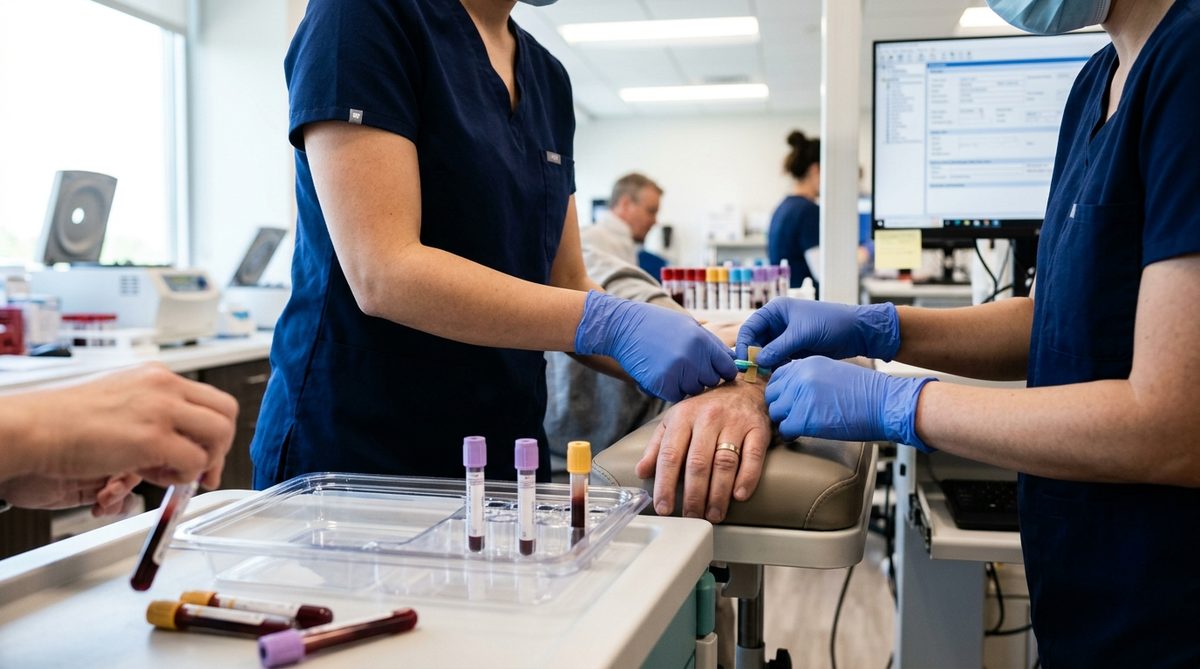
A clinician may assess strength, balance, heart and lung function, sleep, mood, medicine effects, and nutritional risk. Tests should follow the history and examination rather than replace them. The goal is to find causes that can be treated and supports that can protect daily ability. A comprehensive holistic health assessment can help identify underlying causes and personalized treatment approaches.
What should you do this week?
Choose one normal task that has become harder and record what happens for seven days. Note the effort required, symptoms during the task, help needed, and recovery time. Use the same task each day so the comparison means something.
Do not try to fix every symptom at once. Sudden changes or emergency signs need prompt care. For a gradual decline, take your record to a doctor and ask what could explain the loss of function, what needs testing, and what activity remains safe.
Your single next step is to document one clear change in daily function and arrange a health review if it persists, worsens, or limits your independence.

What Are 10 Signs That My Body Is Healthy?
Read article →
How to Tell if Your Body Is Unhealthy?
Read article →
What Are Some Weird Signs That My Body Is Healthy?
Read article →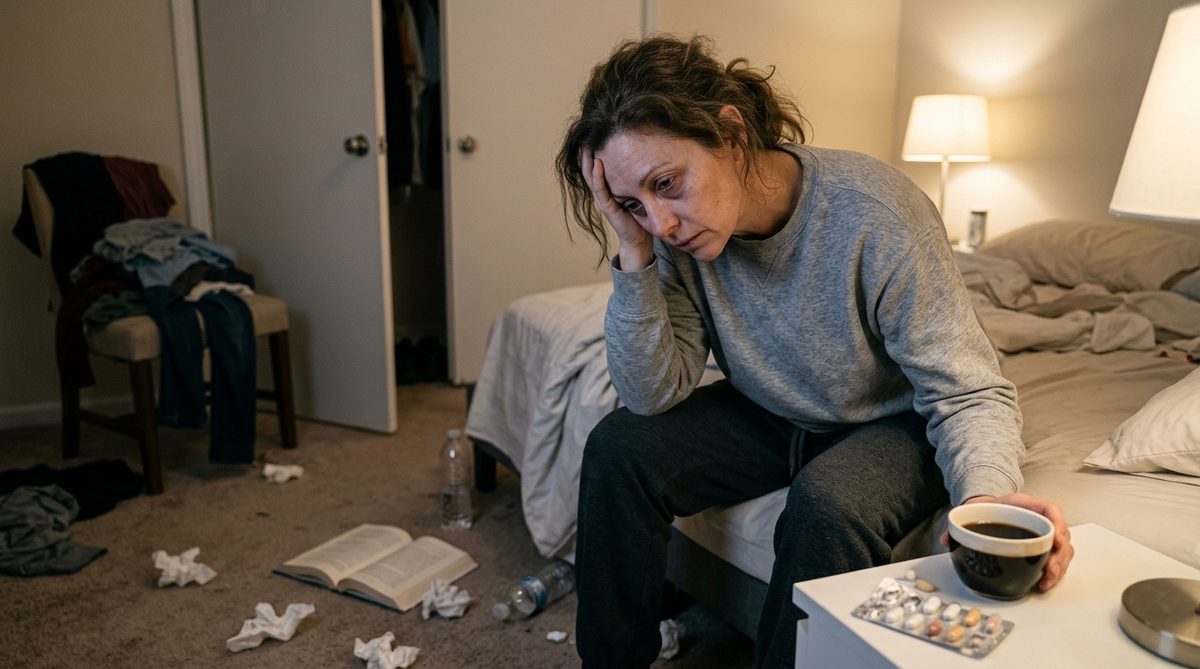
What Are Five Signs That I Might Not Be Healthy?
Read article →
What Are the Typical Components of a Functional Health Assessment?
Read article →