What Are the 5 Main Tests for Full Body Checkup?
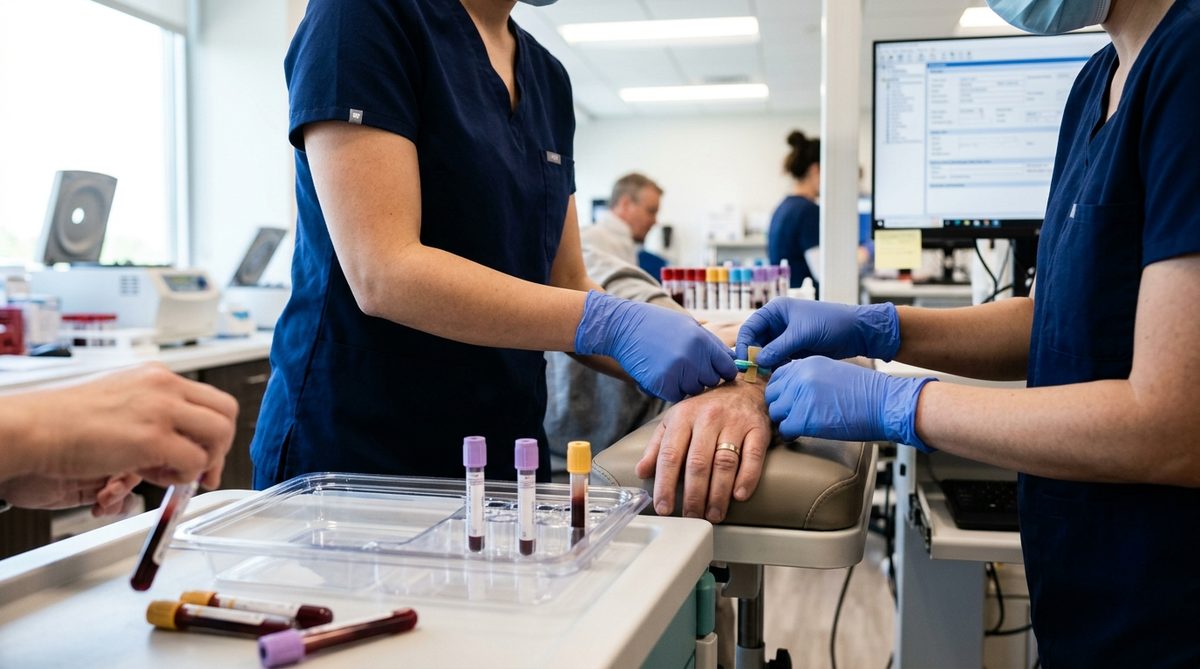
The five main tests commonly included in a full body checkup are a complete blood count, glucose test, lipid profile, assessment of kidney function, and liver function tests. These tests can find signs of anaemia, diabetes, unhealthy cholesterol, kidney problems, and liver damage. They do not examine every organ or rule out every illness. A useful checkup combines test results with your medical history, current symptoms, medicines, family risks, and a physical exam.
There is no single medical package that suits every person. A healthy 25-year-old and a 65-year-old with high blood pressure need different screening. The five tests below form a common starting point. Your doctor may add, remove, or delay a test based on what is likely to help you.
Why are these five tests commonly used?
These tests cover several body systems with a small blood and urine sample. They can reveal silent changes before clear symptoms appear. High cholesterol, raised glucose, and early kidney damage often cause no pain. A person may feel well while the results move outside a healthy range.
The tests also work together. A raised blood sugar level may increase the risk of kidney disease and cardiovascular disease. Abnormal liver results may relate to medicine use, alcohol, infection, or excess fat stored in the liver. A blood count may explain tiredness that a person had blamed on stress.
Screening still needs a clear purpose. More testing does not always produce better care. Tests can find harmless changes that lead to worry and repeat visits. A clinician should choose each test because the result could change advice, treatment, or follow-up.
What does a complete blood count reveal?
A complete blood count measures the main cells in your blood. It reports red blood cell numbers, white blood cell numbers, platelets, haemoglobin, and other details about cell size. Each blood cell type has a different role.
A red blood cell carries oxygen from the lungs to the body. Low haemoglobin or too few red cells may point to anaemia. Common causes include iron loss, low vitamin levels, long-term illness, or bleeding. The pattern in the report helps the doctor decide which cause needs further testing.
A white blood cell helps the immune system respond to infection and inflammation. A high count can occur during an infection, after some medicines, or during physical stress. A low count can occur with certain viral illnesses, medicines, or bone marrow conditions. One abnormal count does not name the cause.
Platelets help blood clot. A very low level can raise bleeding risk, while a high level may occur with inflammation or other health problems. The doctor reads the full pattern rather than judging one number alone.
Consider a person who asks for a checkup because climbing stairs has become tiring. The report shows low haemoglobin and small red cells. That result does not end the investigation. It gives the doctor a useful lead, such as checking iron stores and looking for the reason iron was lost. This is how a basic blood count can turn a vague symptom into a focused plan.
How does a glucose test check for diabetes?
A glucose test measures sugar in the blood. Depending on the test, you may need to fast first. A fasting glucose shows your blood sugar level at that moment. An HbA1c test estimates the average level over the past two to three months.
Raised glucose can signal prediabetes or diabetes. Finding it early gives a person time to change food habits, activity, sleep, and weight before damage grows. Some people will also need medicine. Diabetes screening matters because high glucose can harm nerves, eyes, blood vessels, and kidneys without causing early warning signs.
A single raised result may need confirmation. Illness, steroid medicine, and recent food can affect some glucose readings. Pregnancy also uses its own testing process. Your doctor should explain whether the result is normal, in the prediabetes range, or high enough to require another test.
Symptoms can change the urgency. Strong thirst, frequent urination, blurred vision, unexpected weight loss, or severe weakness need prompt medical review. A routine checkup is not the right setting for delaying care when these signs are present.
What does a lipid profile say about heart risk?
A lipid profile measures fats carried in the blood. It commonly reports total cholesterol, LDL cholesterol, HDL cholesterol, and triglycerides. These values help estimate the chance of future cardiovascular disease, including heart attack and stroke.
LDL can build up within artery walls over time. HDL is involved in moving cholesterol through the body, but a high HDL result does not cancel every other risk. Triglycerides may rise with diabetes, alcohol intake, excess weight, some medicines, or a recent meal.
The result makes sense only when placed beside the rest of the person’s risk. Age, smoking, blood pressure, diabetes, kidney health, and family history can change what the same LDL number means. Someone with established heart disease may need a much lower target than a young adult with few risk factors.
The circulatory system also needs checks that a blood sample cannot provide. Blood pressure, pulse, weight, and sometimes waist size add useful information. Chest pain, sudden shortness of breath, fainting, or weakness on one side of the body needs urgent assessment rather than a standard cholesterol test.
A common mistake is waiting for symptoms before checking cholesterol. High cholesterol usually has no clear symptom. Its value lies in estimating risk early enough to act through food choices, movement, smoking cessation, or medicine when prescribed.
How are the kidneys checked?
An assessment of kidney function usually combines a blood test with a urine test. The blood sample measures creatinine, a waste product filtered by the kidneys. The laboratory uses creatinine with factors such as age and sex to estimate the filtration rate, often called eGFR.
A urine test can look for protein, blood, glucose, and signs of infection. A urine albumin-to-creatinine ratio can find small amounts of albumin that may appear when kidney filters are damaged. This can be useful for people with diabetes or high blood pressure.
The urinary system includes the kidneys, ureters, bladder, and urethra. A standard urine result can provide clues about several parts of this system, but it cannot diagnose every condition. Burning during urination, urgency, lower abdominal pain, or cloudy urine may suggest a urinary tract infection. A urine culture may then be needed to confirm the germ and guide treatment.
Kidney results can shift with dehydration, a recent hard workout, muscle mass, supplements, and some medicines. One reduced eGFR does not always mean lasting kidney disease. Chronic disease usually requires evidence that the problem has remained present or that there are other signs of kidney damage.
People at higher risk may need regular checks. This includes those with diabetes, high blood pressure, heart disease, a family history of kidney failure, or medicines that can affect kidney function. Swollen legs, very little urine, blood in the urine, or severe side pain deserves direct medical review.
What can liver function tests find?
Liver function tests measure enzymes, proteins, and waste products linked to the liver and bile system. Common markers include ALT, AST, ALP, GGT, bilirubin, and albumin. Despite the name, some results show liver irritation or bile flow rather than the liver’s full working ability.
Abnormal results may occur with fatty liver, viral infection, alcohol-related harm, gallstones, or medicine effects. Hard exercise can also affect certain enzymes. The pattern, size of the change, symptoms, and earlier results guide the next step.
A slightly abnormal result does not prove serious liver disease. It may need a repeat blood test, a medicine review, infection testing, or an ultrasound. A normal result also cannot rule out every liver condition. The doctor may investigate further when symptoms or risk factors remain concerning.
Tell the clinician about prescription drugs, pain relievers, gym products, vitamins, and herbal products. People often forget to mention supplements because they do not view them as medicine. Some can affect the liver or alter a test result.
Yellow skin or eyes, dark urine, pale stools, vomiting blood, severe abdominal swelling, or confusion needs urgent care. These signs should never wait for a routine checkup appointment.
Do these tests amount to a complete health check?
No. They provide a useful lab overview, but a full health review includes more than blood and urine. The clinician should ask about symptoms, sleep, mood, alcohol, tobacco, movement, diet, sexual health, medicines, and family illness. Your answers often decide which tests have real value.
A physical check may include blood pressure, pulse, weight, skin findings, and examination of areas linked to your symptoms. Screening may also be due for bowel cancer, cervical cancer, breast cancer, bone health, or infections. Age, sex, pregnancy, past results, and personal risk guide those choices.
thyroid tests are often sold as part of large checkup packages, yet they are not automatically needed for every person. They may be useful when symptoms, pregnancy, medicine use, autoimmune disease, or past thyroid trouble gives the test a clear purpose. The same rule applies to vitamin tests, hormone panels, tumour markers, and scans.
Whole-body scans can find harmless cysts or small changes that would never cause illness. These findings may trigger more scans, cost, radiation, or invasive procedures. Testing should answer a health question, not create a search for disease without a reason.
How should you prepare for the appointment?
Ask whether fasting is required. Many modern cholesterol tests can be done without fasting, but the clinic may want a fasting sample when checking glucose or triglycerides. Follow the instructions provided for your order.
Bring a current medicine and supplement list. Note major family conditions and the age at which relatives developed them. Write down symptoms, when they began, what makes them worse, and whether they interrupt sleep or daily tasks. Accurate details help the doctor choose better tests.
Drink water unless the clinic tells you otherwise. Dehydration can make blood collection harder and may affect kidney-related results. Avoid changing prescribed medicine before the test unless the prescriber gives clear instructions.
If you have a urine test, ask whether you need a clean-catch sample. Menstrual blood can affect the result, so tell the collector if this applies. Do not take leftover antibiotics before testing for a possible urinary tract infection because they can alter culture results.
How should abnormal results be handled?
Start with the size and pattern of the change. Laboratory reference ranges cover most healthy people, so a small number of healthy people will fall outside them. A result marked high or low is a signal to interpret, not a diagnosis by itself.
Compare the finding with older results when available. A stable mild change may mean something different from a sharp new change. The clinician should also check whether illness, fasting, exercise, hydration, or medicine could explain it.
Ask what the result could mean, whether it needs confirmation, and what action follows. Some findings need a repeat test after a set period. Others call for treatment, more specific testing, or referral. Severe abnormalities may require care on the same day.
Do not start iron, glucose medicine, cholesterol medicine, or a liver cleanse based only on a report viewed online. Treatment must match the cause. Iron can be harmful when deficiency has not been confirmed, while unproven cleansing products can injure the liver they claim to support.
What should you request at your next checkup?
Use the five test groups as a discussion guide, not a fixed shopping list. Ask whether you need a complete blood count, glucose test, lipid profile, kidney blood and urine tests, and liver function tests based on your risks and previous results. Then ask which age-based screening and physical checks are due.
Action: book a health review, bring your medical history and medicine list, and ask your clinician to choose only the tests that can change your care.

What Are 10 Signs That My Body Is Healthy?
Read article →
How to Tell if Your Body Is Unhealthy?
Read article →
What Are Signs of Poor Function Health?
Read article →
What Are Some Weird Signs That My Body Is Healthy?
Read article →
What Are Five Signs That I Might Not Be Healthy?
Read article →