What Are the Biggest Signs of Sleep Apnea?
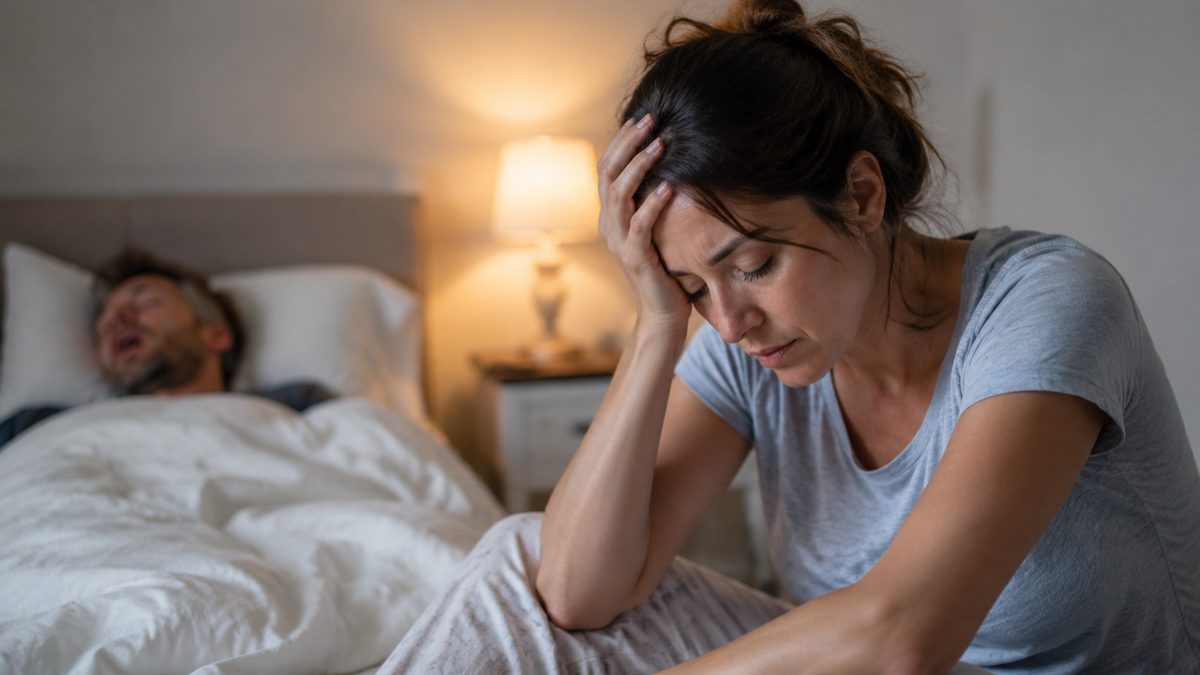
The biggest sign of sleep apnea is a pattern of loud snoring followed by silent pauses and sudden gasping sounds during the night. These pauses mean your body is struggling to get oxygen. People who experience this often wake up feeling exhausted despite spending eight hours in bed.
What is the most telling symptom of sleep apnea?
The most telling symptom is witnessed apnea. This happens when another person sees you stop breathing while you sleep.
I remember when my client Mark came to me. His wife kept track of his breathing. She noticed he stopped breathing for up to thirty seconds at a time. This pause was always followed by a loud snort. This pattern of gasping is the clearest indicator of obstructive sleep apnea. It signals that your airway has collapsed. Your brain must wake you up briefly to kickstart your breathing again.
This symptom is different from normal snoring. Normal snoring is continuous. Sleep apnea snoring is fragmented. silent symptoms is actually the most dangerous part. It means no air is entering your lungs. Your chest may move, but no air passes through the blocked airway. If you sleep alone, you might not notice these pauses. You might only notice the morning fatigue.
What are the other major signs of sleep apnea?
Morning headaches and severe daytime sleepiness are major signs. You might wake up feeling like you did not sleep at all.
When my client Sarah first complained of daily morning headaches, she thought she had sinus issues. I suggested we look at her sleep quality. Her body was fighting for air all night. This fight releases stress hormones. The hormones raise blood pressure and cause headaches upon waking.
Other common signs include waking up with a very dry mouth and waking up often to urinate during the night. The dry mouth happens because you breathe through your mouth when your nose is blocked. Waking up to urinate happens because the pressure in your chest changes when you struggle to breathe. This pressure change fools your heart into thinking your blood volume is too high. Your heart then releases a hormone that tells your kidneys to get rid of water.
What is commonly mistaken for sleep apnea?
Simple snoring and chronic insomnia are commonly mistaken for sleep apnea.
People often think simple snoring is the same as sleep apnea. Simple snoring occurs without breathing pauses or drops in blood oxygen. Insomnia is also mistaken for it. My client Dave had trouble staying asleep. He assumed he had standard insomnia. He took sleeping pills to help him rest. The pills actually relaxed his throat muscles more. This relaxation made his undiagnosed sleep apnea worse.
Depression is another common misdiagnosis. When you do not get deep sleep, your brain cannot produce the right chemicals to regulate your mood. Doctors sometimes prescribe antidepressants when the real issue is lack of oxygen at night. Chronic fatigue is also mistaken for sleep apnea because both cause extreme exhaustion.
What is the 4% rule for sleep apnea?
The 4% rule is a medical standard used during sleep studies to measure drops in blood oxygen levels.
To qualify as an hypopnea, your breathing must drop by at least thirty percent for ten seconds or more. This drop must cause your blood oxygen level to fall by at least four percent. Doctors use this rule to score the severity of your sleep apnea. If your oxygen levels drop four percent or more multiple times an hour, you have sleep apnea.
This drop shows that the breathing abnormality is affecting your sleep physiology. It tells the doctor how hard your heart is working. Every time your oxygen drops by 4%, your spleen releases extra red blood cells to carry more oxygen. This thickens your blood and cardiovascular stress. Understanding this rule helps clinical medicine specialists classify the severity of your condition.
What is the pillow trick for sleep apnea?
The pillow trick is using a specialized pillow to force yourself to sleep on your side.
Sleeping on your back causes your tongue and soft palate to collapse to the back of your throat. This blocks your airway. My client Sarah tried placing a long body pillow behind her back to prevent rolling over. It kept her on her side. Some people sew a tennis ball into the back of their pajama shirt. Both methods prevent back sleeping, which keeps the airway open and reduces breathing obstructions.
You can also raise the head of your bed by six inches. This uses gravity to keep your tongue forward. When my client Linda raised the head of her bed, her snoring decreased immediately. This trick works best for mild cases of obstructive sleep apnea.
How does sleep apnea affect your health over time?
Sleep apnea disrupts sleep physiology and puts severe stress on your cardiovascular system.
Repeated drops in oxygen trigger your sympathetic nervous system. This causes a spike in blood pressure. Over time, this stress leads to medical conditions related to obesity and heart disease. The constant sleep disruption alters your metabolism. It changes how your body handles insulin. This makes weight loss difficult and increases the risk of type 2 diabetes.
Bariatrics, the branch of medicine dealing with obesity, often focuses on sleep apnea. This is because excess weight in the neck area narrows the airway. The classification of obesity helps doctors determine the risk level. A neck circumference of over seventeen inches for men or sixteen inches for women is a major risk factor. Treating the airway blockage can actually help speed up weight loss by restoring normal metabolic function.
How does sleep physiology change during an apnea event?
During deep sleep, your body enters REM sleep. This is when your muscles relax completely.
This muscle relaxation is normal, but in people with sleep apnea, the throat muscles relax too much. The airway closes like a wet straw when you try to drink a thick milkshake. The harder you try to inhale, the tighter the airway seals.
This triggers a survival mechanism in the brain. The brain sends a jolt of adrenaline to wake you up. You do not fully wake up to consciousness, but you shift into a lighter stage of sleep. This restores muscle tone to the throat, allowing you to breathe. This cycle can happen fifty times an hour. You will not remember waking up, but you will feel exhausted the next day. This constant disruption prevents you from entering deep, restorative sleep phases.
What clinical specialties diagnose and treat sleep apnea?
Clinical medicine uses sleep specialists and ENT doctors to diagnose and treat this condition.
Otorhinolaryngology, which is the study of ear, nose, and throat diseases, plays a key role. An ENT doctor examines the physical structure of your airway. They look for large tonsils, a deviated septum, or a floppy soft palate.
If the physical structure is the problem, surgery is sometimes suggested. However, many people prefer non-invasive options first. Understanding the physical blockages helps us choose the right targeted treatment. Sleep studies, both in a lab and at home, provide the raw data needed to make these decisions.
Can homeopathic and natural options help manage sleep apnea symptoms?
Natural options can support your body and improve your breathing quality.
When we look at sleep apnea at Homeopathy Plus, we look at the whole person. Homeopathic remedies help reduce inflammation in the throat and nasal passages. When my client Robert used a personalized homeopathic protocol, his nasal congestion cleared up. This allowed him to breathe through his nose instead of his mouth. Reducing inflammation in the airway helps lessen the frequency of breathing blocks.
Homeopathy focuses on the root cause of the tissue swelling. For example, if nasal allergies cause your airway to narrow, a homeopathic remedy can help reduce your body's allergic response. This natural support works well alongside lifestyle changes like weight management and side sleeping. It helps strengthen the airway tissues naturally without side effects.
Frequently Asked Questions
Can you have sleep apnea without snoring?
Yes. You can have sleep apnea without snoring. This is especially true in central sleep apnea, where the brain fails to send the proper signals to your breathing muscles. In these cases, the main sign is waking up gasping for air or feeling exhausted during the day.
How do you test for sleep apnea at home?
You can use a home sleep apnea test prescribed by a doctor. This device measures your heart rate, blood oxygen levels, and breathing patterns. It does not measure brain waves like an in-lab study, but it easily detects moderate to severe obstructive sleep apnea.
Does losing weight cure sleep apnea?
Losing weight can cure sleep apnea in some people. Excess neck fat presses down on the airway, causing it to collapse. When my client John lost fifteen kilograms, his sleep apnea symptoms stopped completely. However, if your sleep apnea is caused by a narrow jaw or large tonsils, weight loss alone may not cure it.
Is sleep apnea a permanent condition?
Sleep apnea is not always permanent. Many people resolve their symptoms through lifestyle changes, structural corrections, or natural therapies that reduce tissue swelling. The condition can improve or disappear when you address the underlying causes of airway obstruction.
Can children get sleep apnea?
Yes, children can get sleep apnea. It is often caused by enlarged tonsils or adenoids. In children, the signs are often different from adults. Instead of daytime sleepiness, children may show hyperactivity, behavioral problems, or bedwetting. Pediatric ENT specialists usually evaluate these cases.
Action Plan to Improve Your Sleep
Record your sleep sounds using a mobile app tonight to check for pauses in your breathing, then schedule a consultation with Homeopathy Plus to explore natural options for nasal congestion and airway inflammation.

What Are 10 Signs That My Body Is Healthy?
Read article →
How to Tell if Your Body Is Unhealthy?
Read article →
What Are Signs of Poor Function Health?
Read article →
What Are Some Weird Signs That My Body Is Healthy?
Read article →
What Are Five Signs That I Might Not Be Healthy?
Read article →