What Are the Dangers of Severe Sleep Apnea?
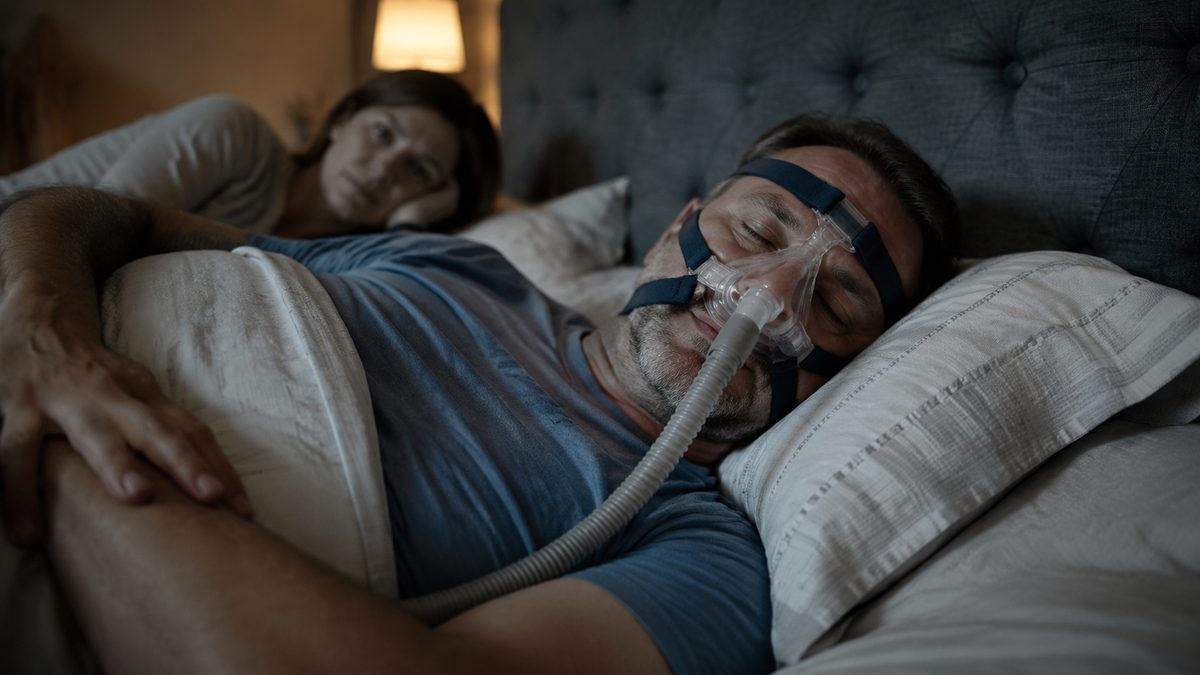
Severe sleep apnea stops your breathing repeatedly during sleep, starving your brain of oxygen and forcing your heart to pump under extreme pressure. When your breathing stops, your body enters a state of panic. Your brain must wake you up just enough to gasp for air. This loop repeats dozens of times every hour, destroying your sleep quality and putting your life at risk.
During these episodes, your blood oxygen levels drop rapidly. Your heart rate spikes to push what little oxygen remains to your brain. This constant stress damages your blood vessels and leads to long-term cardiovascular damage. Without proper treatment, the condition damages your organs and shortens your lifespan.
I remember when my client Arthur came to my office. He was constantly exhausted. He told me he fell asleep at red lights during his morning drive. His sleep partner reported that Arthur stopped breathing for up to forty seconds at a time, followed by a loud, choking gasp. Arthur felt like he was slowly dying. His body was indeed breaking down under the strain of chronic oxygen loss.
How serious is severe sleep apnoea?
Severe sleep apnoea is a medical emergency that damages your entire body. When your breathing stops, your blood oxygen level drops quickly. Your brain recognizes this drop and sends a wave of adrenaline through your body to wake you up. This adrenaline spike raises your blood pressure and speeds up your heart rate instantly.
If this happens thirty times or more every hour, your heart never gets to rest. Over years, this constant stress thickens the heart muscle and damages the inner lining of your blood vessels. This damage leads to chronic high blood pressure and congestive heart failure. The lack of oxygen also causes severe inflammation throughout your body, which makes your blood vessels stiff and brittle.
In my experience, many people dismiss sleep apnoea as simple snoring. Snoring is merely the sound of a partially blocked airway. Severe sleep apnoea is a complete blockage that starves your organs. It increases your risk of having a stroke by four times compared to someone without the condition. It also disrupts how your body processes sugar, which leads to type 2 diabetes and rapid weight gain.
What is considered life-threatening sleep apnea?
Sleep apnea becomes life-threatening when your blood oxygen levels drop below eighty percent during sleep. Doctors measure this severity using the Apnea-Hypopnea Index. An index score above thirty means you stop breathing or have shallow breathing thirty or more times per hour. This level of disruption is severe and dangerous.
The true danger lies in how low your oxygen drops and how long it stays there. If your blood oxygen levels fall below eighty percent, your brain cells begin to die. Your heart struggles to maintain a normal rhythm under these conditions. When I reviewed the sleep study of another client, Sarah, her oxygen levels fell to seventy-two percent. She was living in a state of oxygen starvation every night, which put her at immediate risk of a stroke.
Another life-threatening factor is daytime sleepiness. When you do not get deep sleep, your brain cannot function. This leads to microsleeps during the day. Driving a car or operating machinery with severe sleep apnea is highly dangerous. The risk of motor vehicle accidents increases significantly, making the condition a threat to your life and the lives of others on the road.
What is the most common cause of death in sleep apnea?
Sudden cardiac arrest during the early morning hours is the most common cause of death for people with severe sleep apnea. The combination of low oxygen and high blood pressure triggers abnormal heart rhythms. The most common of these is atrial fibrillation. This irregular rhythm can cause blood clots to form in your heart, which can travel to your brain and cause a fatal stroke.
During the early morning hours, your sleep cycles contain more rapid eye movement sleep. During this sleep stage, your muscles relax completely, making airway collapse more frequent and longer. The lack of oxygen starves the heart muscle itself. The heart needs oxygen to pump. When it runs out, the electrical signals in the heart fail, leading to sudden cardiac death.
What I found in my practice is that many people with severe sleep apnea die in their sleep, and their families assume they died peacefully. The reality is that their heart simply gave out after years of fighting for oxygen. The constant pressure changes in the chest cavity during gasping episodes also stretch the heart chambers, making them weak and prone to stopping.
What is the new pill for sleep apnea?
Researchers are testing new medications to treat sleep apnea without the need for CPAP machines. The most talked-about new pill is a combination of two drugs, atomoxetine and oxybutynin. This combination targets the nervous system to keep the airway muscles active during sleep. Atomoxetine is an ADHD medication that increases norepinephrine, while oxybutynin is used for overactive bladder.
Together, these drugs attempt to prevent the tongue and soft palate from relaxing into the throat. My clients often ask if this pill will replace their therapy. This pill is still in clinical trials. It also causes side effects like dry mouth, difficulty urinating, and increased heart rate. These side effects make it unsuitable for people who already have heart damage from their sleep apnea.
This medication does not fix the physical structure of your airway. If you have a narrow throat or large tonsils, a pill cannot change that. It also does not address the underlying inflammation in your body. It is not a magic cure, and it carries risks for people with existing heart issues.
How does severe sleep apnea alter your physiology and mental states?
Humans share basic physiology with other mammals, but we lack the survival mechanisms of diving animals. Seals and whales can survive low oxygen levels by slowing their heart rate and directing blood flow only to the brain. Humans cannot do this. When our oxygen drops, our physiology panics. This panic triggers the sympathetic nervous system, creating a state of fight-or-flight while we sleep.
This state alters your mental states during the day. People with severe sleep apnea suffer from severe brain fog, mood swings, and deep depression. The constant sleep disruption prevents the brain from entering deep REM sleep. This is where unsolved problems in neuroscience and biology intersect. We still do not fully understand how the brain cleans out metabolic waste during sleep, but we know that sleep apnea stops this cleaning process. This failure to clear waste may explain why sleep apnea increases the risk of Alzheimer's disease.
When I work with clients who have severe sleep apnea, they often complain of losing their memory and ability to focus. Their brains are physically exhausted. The lack of deep sleep prevents the brain from repairing cells and storing memories. This leads to a permanent state of cognitive fatigue that affects work and relationships.
How can you treat severe sleep apnea when CPAP fails?
Many people struggle to use the CPAP machine. They find the mask uncomfortable, loud, and restrictive. When my client Arthur tried using a CPAP, he ripped the mask off in his sleep. For people who cannot tolerate CPAP, other treatments are necessary. Oral appliances can pull the lower jaw forward to keep the airway open. Weight loss helps reduce the fatty tissue around the neck that causes the collapse.
In my experience, addressing the body's overall tissue tone and inflammation levels is also helpful. At Homeopathy Plus, we focus on matching natural remedies to the individual's symptoms to support the body's self-healing mechanisms. Some remedies help improve the tone of the throat muscles, while others address the chronic nasal congestion that forces mouth breathing. Mouth breathing makes airway collapse much more likely during sleep.
When we improve nasal breathing and strengthen the muscles of the throat naturally, the frequency of breathing pauses drops. This reduces the strain on the heart and allows the nervous system to calm down. Combining natural therapies with lifestyle changes offers a path to better sleep without relying solely on uncomfortable machinery.
Frequently Asked Questions
Why does sleep apnea cause morning headaches?
When you stop breathing, carbon dioxide builds up in your blood. This buildup causes the blood vessels in your brain to widen, which increases pressure inside your head. This pressure results in a dull, throbbing headache when you wake up. The headache usually fades after you get out of bed and begin breathing normally again.
Can you cure severe sleep apnea by sleeping on your side?
Sleeping on your side can help reduce snoring, but it cannot cure severe sleep apnea. In severe cases, the tissue in the throat collapses regardless of your sleeping position. While side sleeping might reduce the number of blockages slightly, it does not keep your oxygen levels safe.
How does severe sleep apnea affect your blood sugar?
The stress hormones released during breathing pauses cause insulin resistance. This means your body's cells cannot use insulin properly to absorb sugar from your blood. Over time, this leads to high blood sugar levels and increases your risk of developing type 2 diabetes.
Can children get severe sleep apnea?
Children can develop severe sleep apnea, usually due to enlarged tonsils or adenoids. It causes behavioral problems, bedwetting, and learning difficulties. Removing the enlarged tissues often resolves the breathing issues in children.
Actionable Takeaway
Schedule a professional sleep study immediately to measure your oxygen levels, and then consult with a practitioner to combine airway muscle training with natural remedies to restore your body's natural breathing patterns.
Continue with the Sleep article archive collection.

What Are 10 Signs That My Body Is Healthy?
Read article →
How to Tell if Your Body Is Unhealthy?
Read article →
What Are Signs of Poor Function Health?
Read article →
What Are Some Weird Signs That My Body Is Healthy?
Read article →
What Are Five Signs That I Might Not Be Healthy?
Read article →