What Are the Side Effects of Sleep Apnea?
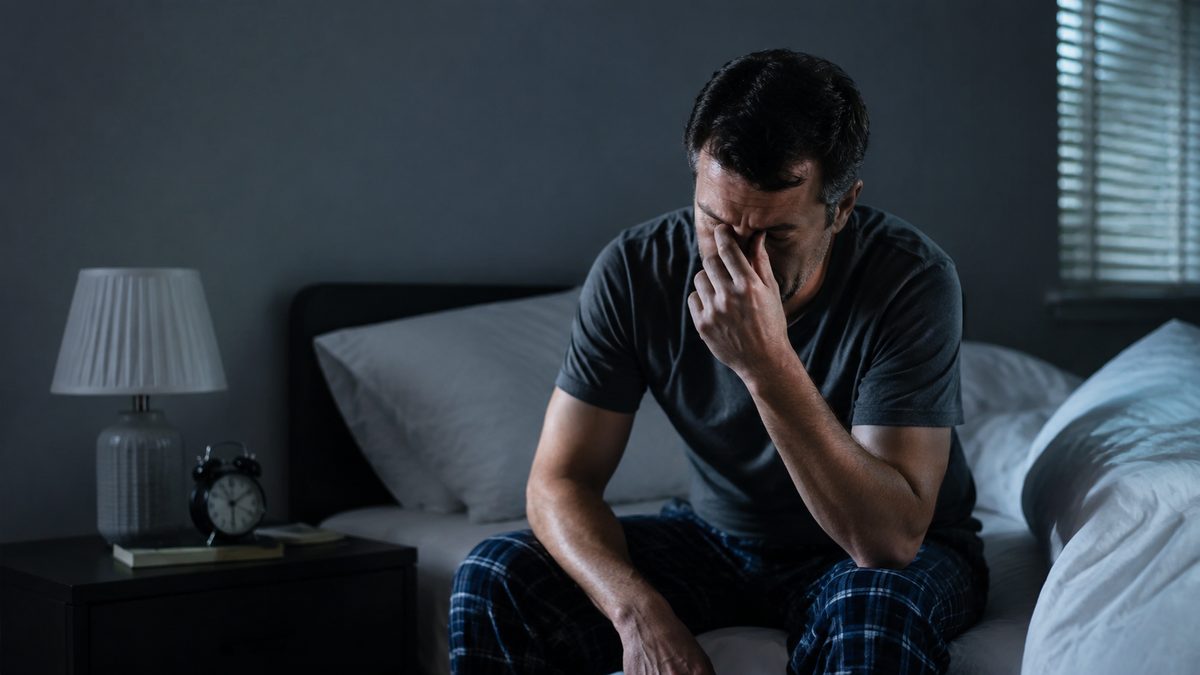
Sleep apnea starves your brain and organs of oxygen dozens of times every hour. This constant oxygen loss triggers a cascade of physical and mental health issues. When your breathing stops during sleep, your body enters a state of panic, releasing stress hormones that damage your blood vessels and strain your heart. Understanding these side effects is the first step toward reclaiming your health and getting a restful night of sleep.
What are the side effects of sleep apnea?
Sleep apnea causes morning headaches, severe daytime exhaustion, mood changes, and memory problems. When your airway collapses, your oxygen levels drop. Your brain must wake you up to take a breath. You might not remember these brief wakeups, but they ruin your sleep quality and leave you exhausted the next day.
The physiology of breathing abnormalities explains this process. During normal sleep, your throat muscles relax slightly but keep the airway open. In obstructive sleep apnea, these muscles relax too much. The tissue collapses and blocks the flow of air. Your lungs cannot get oxygen. Your brain detects this danger, triggers a burst of adrenaline, and forces you to wake up to gasp for air. This cycle can repeat fifty to one hundred times every single hour.
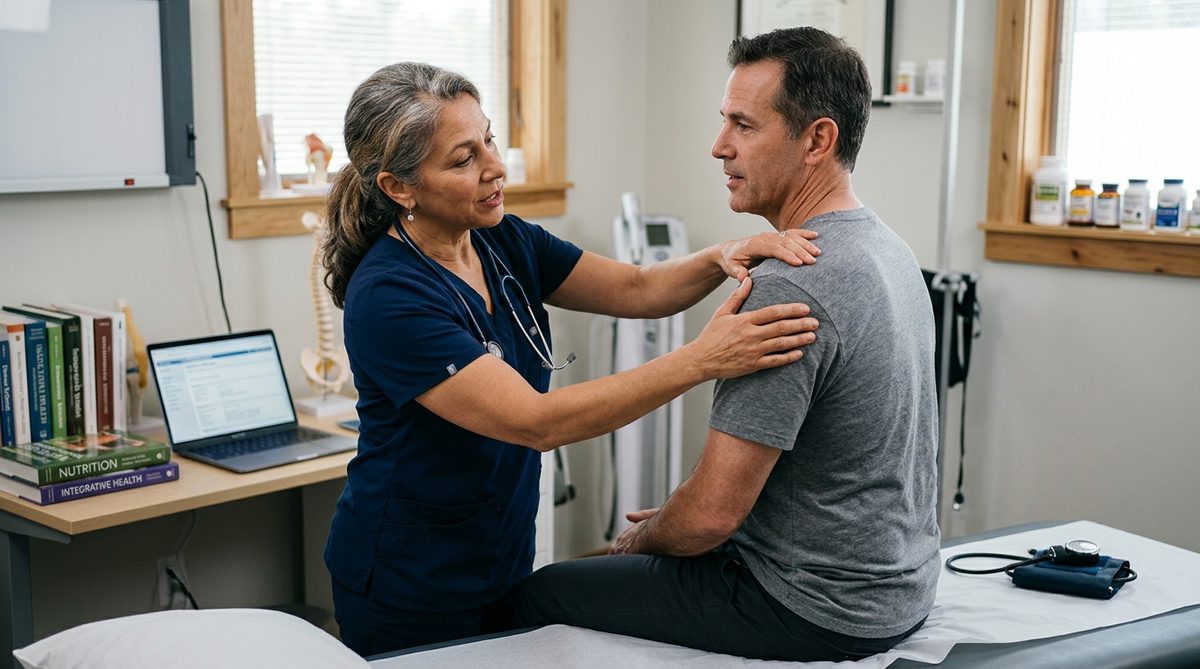
One of my clients, a manager named Arthur, suffered from severe morning headaches. He felt like his head was in a vice every morning. He had brain fog and could not focus on his work. His wife heard him gasp and choke throughout the night. When we analyzed his habits, we found his brain was waking up fifty times per hour. Once we addressed his throat tissue health with homeopathic remedies, his morning headaches stopped. What I found was that reducing the inflammation in his throat tissues helped keep his airway open naturally.
What are the worst symptoms of sleep apnea?
The worst symptoms of sleep apnea are extreme daytime drowsiness, gasping for breath at night, chronic snoring, and waking up with a dry throat. These symptoms make normal daily activities difficult and dangerous.
This condition changes your mental state. Chronic sleep loss causes brain fog, depression, anxiety, and extreme irritability. You lose your ability to focus at work. You might fall asleep while driving. Your relationships can suffer because you are constantly tired and easily angered.
I remember when one of my clients, a delivery driver, came to me because he fell asleep at red lights. He had loud, rattling snoring that forced his partner to sleep in another room. His throat was always raw in the morning. We used homeopathic remedies to help ease his throat constriction and reduce his night gasping. This treatment improved his sleep quality, and he stopped falling asleep at the wheel. Addressing the physical structure of the airway can reduce these severe symptoms without the need for uncomfortable machines.
What damage does sleep apnea do to the body?
Sleep apnea damages your blood vessels, strains your heart, changes how your body uses insulin, and alters your metabolism.
Let us look at the big picture of how this damage occurs. Your body needs a steady flow of oxygen to run its chemistry. When you stop breathing, your body enters a state of survival.
Here is the detail. When oxygen levels drop, your body releases stress hormones like cortisol and adrenaline. These hormones raise your heart rate and blood pressure. Over time, this constant night stress weakens your heart muscle and stiffens your blood vessels. This increases your risk of cardiovascular disease.
Going into greater detail, the lack of oxygen leads to cellular inflammation. This inflammation affects the liver and fat tissues. It alters how you process sugar, leading to insulin resistance. This is why sleep apnea links closely to obesity. Excess neck fat presses on the airway. The breathing stops, which slows your metabolism. This makes it easier to gain weight and harder to lose it. The body becomes trapped in a cycle of weight gain and breathing issues.
What happens if you let sleep apnea go untreated?
Untreated sleep apnea leads to heart attacks, strokes, type 2 diabetes, and liver disease. It shortens your life expectancy.
Clinical medicine shows that constant oxygen drops damage the inner lining of your arteries. Plaque builds up faster in the blood vessels. This plaque blocks blood flow to your brain and heart, which causes strokes and heart attacks. The constant strain on the heart can also lead to congestive heart failure and irregular heartbeats.
A client of mine named Sarah ignored her loud snoring for ten years. She developed high blood pressure that prescription drugs could not control. Her doctor warned her about stroke risks. We worked on her overall health using targeted homeopathics to support her cardiovascular system alongside her standard care. Her blood pressure readings finally stabilized. Ignoring sleep apnea allows silent damage to build up in your cardiovascular system every night.
What is the new pill for sleep apnea?
The new pill for sleep apnea is a drug combination called AD109, which combines aroxybutynin and atomoxetine to keep the upper airway muscles from collapsing during sleep.
This pill targets the neurophysiology of sleep. It stimulates the nerves that control the tongue and throat muscles. The goal is to keep the airway open without using a bulky CPAP mask. Clinical trials show that it can reduce the number of breathing pauses during the night.
While this drug offers hope, it has side effects like dry mouth, constipation, and difficulty urinating. Many people prefer to avoid long-term drug use. Homeopathic treatment offers an alternative by supporting the body's natural healing responses. We look at the whole person to strengthen the throat tissues and balance the nervous system without chemical side effects. You can find natural health options and learn more about these treatments at homeopathyplus.com.au.
Frequently Asked Questions
Can weight loss cure sleep apnea?
Yes, losing weight can cure sleep apnea for many people. Extra fat tissue in the neck presses down on your airway during sleep. Removing that weight keeps the airway open. However, sleep apnea makes it harder to lose weight because it slows your metabolism. You must treat the sleep issues and the metabolic issues at the same time.
How does sleep apnea affect your brain?
Sleep apnea starves your brain cells of oxygen. This kills brain cells in areas that control memory, focus, and mood. It causes brain fog, poor concentration, and emotional instability. Treating sleep apnea stops this brain cell damage and restores mental clarity.
Is sleep apnea a genetic condition?
Yes, genetics play a role. You can inherit a narrow throat, a thick neck, a recessed jaw, or a large tongue. These physical traits make airway blockage more likely. Homeopathy can help address the constitutional weakness in these tissues to improve breathing.
Why does sleep apnea cause morning headaches?
When you stop breathing, carbon dioxide builds up in your blood. This buildup dilates the blood vessels in your brain, which causes a throbbing morning headache. The headache usually fades a few hours after you wake up and start breathing normally again.
What is the difference between obstructive and central sleep apnea?
Obstructive sleep apnea happens when throat tissue physically blocks the airway. Central sleep apnea happens when the brain fails to send the signal to your breathing muscles. Obstructive sleep apnea is much more common and relates closely to weight and tissue health.
Action Plan for Sleep Apnea
If you suspect you have sleep apnea, take these steps to protect your health:
- Get a professional sleep study to measure your night oxygen levels and confirm your diagnosis.
- Consult a homeopath to find remedies that match your physical constitution and strengthen your airway tissues.
- Sleep on your side instead of your back to keep your tongue from falling backward and blocking your throat.
- Avoid alcohol in the evening because it relaxes your throat muscles and increases airway collapse.
- Maintain a healthy weight to reduce the fat tissue around your neck and throat.
Schedule a sleep study today to check your oxygen levels so you can start protecting your heart and brain.
Continue with the Sleep article archive collection.

What Are 10 Signs That My Body Is Healthy?
Read article →
How to Tell if Your Body Is Unhealthy?
Read article →
What Are Signs of Poor Function Health?
Read article →
What Are Some Weird Signs That My Body Is Healthy?
Read article →
What Are Five Signs That I Might Not Be Healthy?
Read article →