What Are the Silent Symptoms of Sleep Apnea?
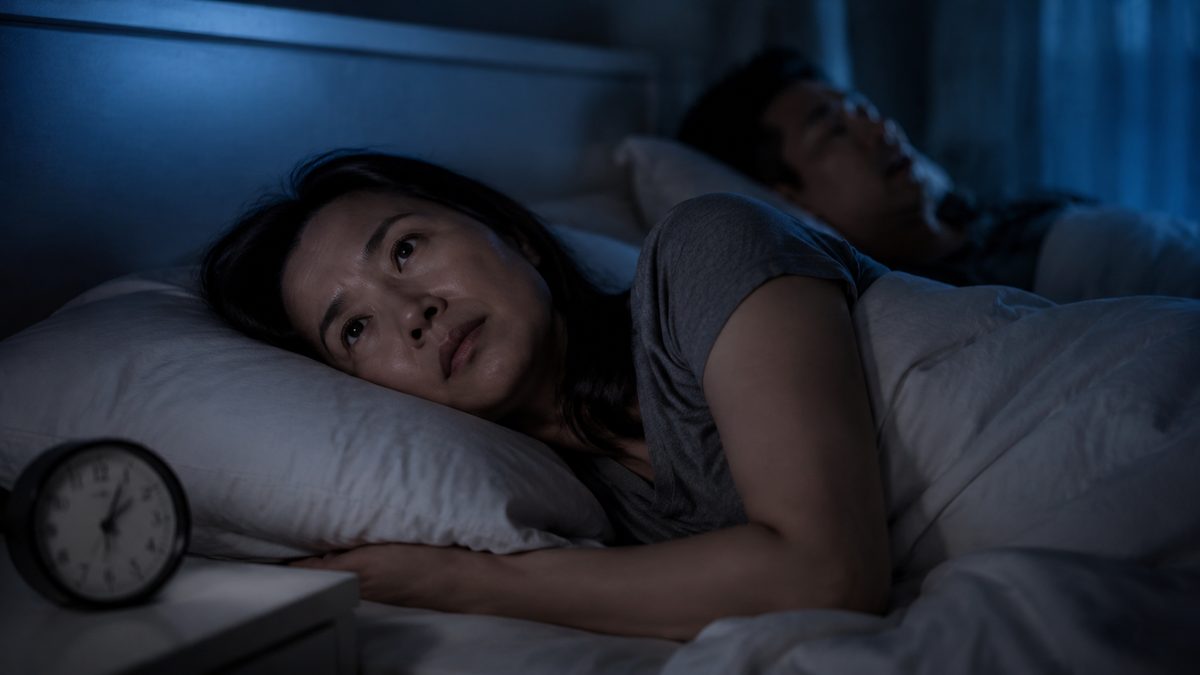
Sleep apnea can damage your heart and brain without ever causing you to snore. Many people stop breathing dozens of times every hour while sleeping silently, leaving them exhausted and sick during the day.
When my client John came to me, he complained of chronic morning headaches and constant brain fog. He swore he did not snore. His wife confirmed he slept quietly. When we tracked his oxygen levels during sleep, we found his oxygen saturation fell dangerously low multiple times a night. John had silent sleep apnea. Once we addressed his sleep breathing, his morning headaches disappeared.
Why does sleep apnea happen without loud snoring?
Sleep apnea occurs when your breathing stops and starts while you sleep. Most people associate this with loud snoring, but that only happens when airway tissues vibrate. If your airway blocks completely or if your brain forgets to signal your breathing muscles, you will not snore. This is silent sleep apnea.
In obstructive sleep apnea, throat muscles relax. Sometimes they block the airway completely. Because no air passes through, no sound is made. In central sleep apnea, the brain fails to send the signal to breathe. Your chest does not even attempt to move. Both types starve your body of oxygen in complete silence.
This lack of oxygen triggers a survival response. Your brain wakes up for a few seconds to kickstart your breathing. You do not remember these brief awakenings, but they ruin your sleep quality. Your body stays in a state of stress all night, raising your blood pressure and straining your heart.
What are the silent symptoms of sleep apnea?
You must look at your daytime health and nighttime habits to find silent sleep apnea. The signs show up when you are awake.
Waking up to urinate: Going to the bathroom multiple times a night is a classic silent sign. When your airway collapses, your chest creates intense negative pressure as you try to breathe. This pressure fools your heart into thinking you have fluid overload. Your heart releases a hormone that tells your kidneys to dump water.
Teeth grinding: Clinicians call this bruxism. When your airway starts to close, your brain sends a signal to tighten your jaw muscles. Grinding your teeth is your body's physical attempt to pull your tongue forward and reopen your airway.
Morning headaches: Lacking oxygen leads to a buildup of carbon dioxide in your blood. This dilates the blood vessels in your brain, causing a dull headache when you wake up. The headache usually fades within an hour of getting out of bed.
Severe daytime fatigue: You might feel exhausted even after spending eight hours in bed. If you need caffeine to survive the afternoon, your sleep quality is likely poor.
One of my clients struggled with intense anxiety and memory slips. She believed she had early onset dementia. We investigated her sleep and discovered she woke up thirty times an hour due to silent airway blocks. Treating her airway restored her memory and calmed her nervous system.
What is the most telling symptom of sleep apnea?
The most telling symptom of sleep apnea is witnessed gasping or choking during sleep. If a partner observes you stop breathing and then suddenly gasp for air, this points directly to sleep apnea. While silent symptoms suggest the condition, a witnessed breathing pause is the clearest physical sign before a medical test.
What is the 4% rule for sleep apnea?
The 4% rule is a diagnostic standard used during sleep studies to identify hypopnea, which is a partial blockage of the airway. To meet this rule, your airflow must drop by at least 30% for ten seconds, and your blood oxygen level must drop by at least 4% as a result. Insurance companies and Medicare use this specific measurement to decide if they will pay for your sleep apnea treatments.
What is the pillow trick against sleep apnea?
The pillow trick uses positioning to prevent you from sleeping on your back. Gravity pulls your tongue and soft palate to the back of your throat when you lie flat. You can place a long body pillow behind your back to keep you propped on your side. Alternatively, you can sew a tennis ball into the back of a tight t-shirt. If you roll onto your back, the discomfort forces you back onto your side without waking you up fully.
What is the new pill for sleep apnea?
Researchers are testing a combination drug containing atomoxetine and aroxybutynin. This pill aims to keep the airway muscles active during sleep. Atomoxetine is an ADHD drug, and aroxybutynin helps control bladder function. Together, they target the chemical receptors in the brain that keep throat muscles tense.
Clinical trials show this pill can reduce the severity of sleep apnea. However, it can cause side effects like dry mouth and elevated heart rate. Many people choose to support their airway health using natural methods. We focus on strengthening the airway muscles through throat exercises and using constitutional homeopathic remedies to reduce nasal tissue swelling.
How can you support your airway health naturally?
You can improve your breathing quality by making specific changes to your daily routine.
First, practice myofunctional therapy. These are exercises for your tongue and throat. Press your tongue flat against the roof of your mouth for three minutes daily. This strengthens the muscles that keep your airway open at night.
Second, clear your nasal passages before bed. Use a saline rinse to reduce inflammation. Breathing through your nose keeps your airway stable, whereas mouth breathing causes the throat to collapse more easily.
Third, use constitutional homeopathic remedies. These remedies work by reducing systemic inflammation and improving muscle tone in the upper respiratory tract. When we use these remedies alongside physical airway training, clients report deeper sleep and fewer nighttime awakenings.
Frequently Asked Questions
Can thin people have silent sleep apnea?
Yes. Sleep apnea is not limited to overweight individuals. A narrow jaw or a recessed chin can block your airway regardless of your weight.
How do I know if I have sleep apnea if I sleep alone?
Track your daytime symptoms. Look for a dry mouth upon waking and morning headaches. You can also use a smartphone app to record your sleep audio to check for gasping sounds.
Does alcohol make silent sleep apnea worse?
Yes. Alcohol relaxes the muscles in your throat and tongue. This relaxation makes your airway collapse more frequently and for longer periods during the night.
Take Action on Your Sleep
Your single most important action is to track your blood oxygen levels overnight to see if you are experiencing silent drops in oxygen.
- Wear an overnight pulse oximeter ring to record your oxygen levels.
- Use a body pillow to keep yourself sleeping on your side tonight.
- Perform tongue-strengthening exercises for three minutes daily.
- Consult a holistic practitioner to address nasal inflammation.

What Are 10 Signs That My Body Is Healthy?
Read article →
How to Tell if Your Body Is Unhealthy?
Read article →
What Are Signs of Poor Function Health?
Read article →
What Are Some Weird Signs That My Body Is Healthy?
Read article →
What Are Five Signs That I Might Not Be Healthy?
Read article →