What Are Two of the 10 Symptoms You Should Never Ignore?
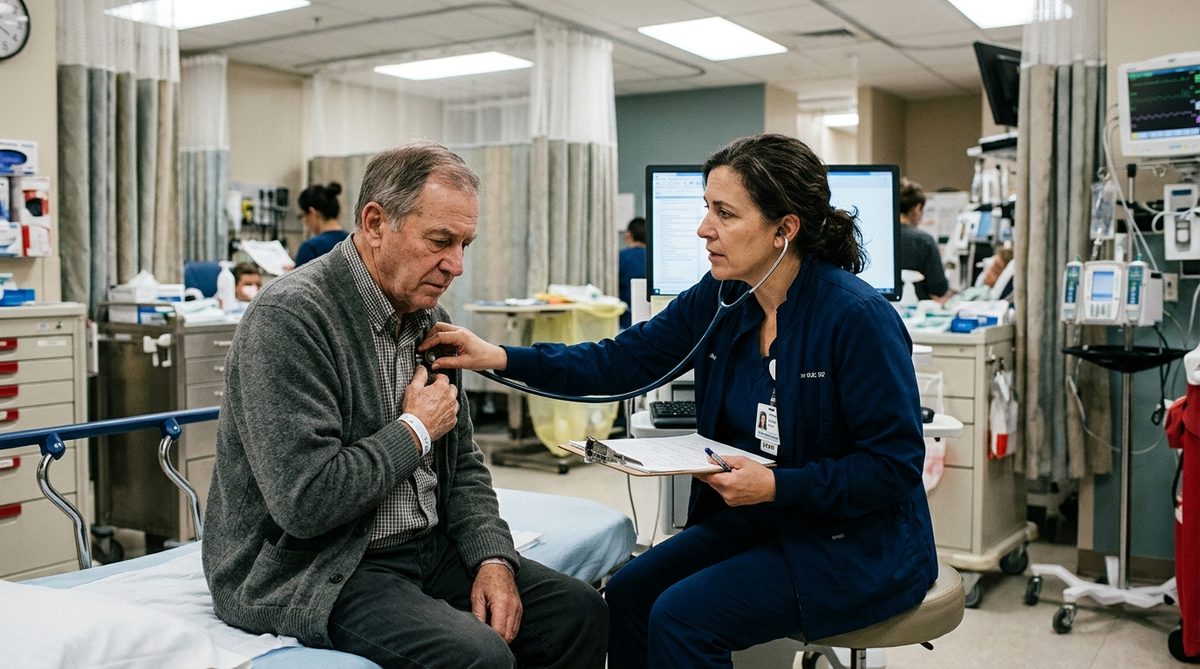
Two symptoms you should never ignore are sudden difficulty breathing and a new change in consciousness. A change in consciousness can mean severe confusion, unusual drowsiness, collapse, loss of awareness, or being difficult to wake. Treat either symptom as a possible Emergency, especially when it starts suddenly, feels severe, or gets worse.
Call emergency services immediately if a person is struggling to breathe, becomes unresponsive, or cannot be woken normally. Do not wait to see whether sleep, water, food, or fresh air fixes the problem. These symptoms can mean that the brain or other vital organs are not getting enough oxygen or blood.
There is no single universal list called “10 important body signs.” Different health articles use different lists. The evidence supplied here does not rank ten symptoms or prove that these two are always the most dangerous. It does support a clear safety rule: sudden breathing changes and neurological dysfunction are linked with critically ill people who need high-priority emergency care.
Why is sudden difficulty breathing so dangerous?
Breathing brings oxygen into the lungs and removes carbon dioxide. A sudden problem can upset this process within minutes. The heart, brain, and other organs may then stop working as they should.
Shortness of breath may feel like air hunger, chest tightness, choking, or an inability to take a full breath. A person may breathe much faster than usual. They may struggle to speak a full sentence without stopping for air. Some people become restless or frightened because their body senses that something is wrong.
Watch the person, rather than relying only on the words they use. Someone in serious distress may say they are fine because they fear hospital care or do not want to cause trouble. Their breathing effort gives better clues. Look for the skin pulling in around the ribs or neck, flared nostrils, gasping, noisy breathing, or an unusual pause between breaths.
Blue, grey, or very pale lips and skin are severe warning signs. Colour can be harder to judge on darker skin, so also check the lips, gums, tongue, palms, and nail beds. Cold, sweaty skin or a weak response adds to the concern.
What can cause breathing trouble to start suddenly?
Several urgent problems can cause sudden breathing trouble. A blocked airway can stop air from reaching the lungs. A severe allergic reaction can swell the throat. Asthma can narrow the airways. Infection, a collapsed lung, a blood clot in the lung, or fluid around the lungs may also make breathing hard.
A heart problem can cause the same symptom. Acute coronary syndrome is a term for conditions in which blood flow to the heart suddenly drops. It includes a heart attack and unstable angina. The person may have Chest pain, pressure, sweating, nausea, or Pain that spreads into an arm, the back, neck, or jaw. Some people mainly feel breathless, weak, or unwell.
The Thorax contains the heart, lungs, major blood vessels, and airways. Trouble inside this area can affect breathing even when no sharp chest pain is present. That is why the lack of pain does not make sudden breathlessness safe.
Panic can also cause rapid breathing and a feeling of suffocation. Yet it is unsafe to label a first, severe, or unusual attack as anxiety before urgent physical causes have been considered. A person can feel anxious because they cannot breathe. Anxiety may be the response to danger rather than its cause.
When does breathlessness require an immediate call?
Call emergency services when breathing trouble is sudden, severe, worsening, or unlike the person’s usual symptoms. Make the call at once if any of these Signs and symptoms appear:
- The person is gasping, choking, or fighting for each breath.
- They cannot speak a full sentence.
- Their lips, tongue, or skin look blue, grey, or very pale.
- They have chest pressure, faintness, heavy sweating, or a very fast or irregular heartbeat.
- They become confused, collapse, or grow hard to wake.
- The face, lips, or tongue begin to swell.
- Breathing trouble starts after choking, a new medicine, an insect sting, or possible exposure to an allergen.
- Their usual rescue treatment does not work as expected.
Do not ask the person to walk around to test whether the problem is serious. Physical effort raises the body’s need for oxygen and may make the condition worse. Do not drive them yourself if they are gasping, faint, confused, or declining quickly. An ambulance team can start care on the way and respond if the heart or breathing stops.
What does a change in consciousness look like?
A change in consciousness is more than feeling tired after a long day. It is a new change in awareness, alertness, behaviour, or the ability to respond. The person may seem lost, speak without making sense, stare blankly, collapse, or drift back to sleep while being questioned.
Altered consciousness was one of the warning signs often seen when critically ill patients were identified for urgent care. The practical inference is that a sudden change should be treated as a threat to brain function until emergency clinicians find the cause.
Compare the person with their normal state. A quiet person who becomes slightly quieter may be hard to assess. A normally alert person who cannot name where they are, follow a simple request, or stay awake has a clear new change.
Confusion can look less dramatic than collapse. A person may put clothes on the wrong way, repeat one sentence, fail to recognise a family member, or become agitated without a clear reason. They may insist that nothing is wrong while being unable to answer basic questions.
Do not assume that unusual behaviour comes from alcohol, drugs, age, stress, or lack of sleep. Those may be possible causes, but they do not make the symptom safe. Head injury, low blood sugar, poisoning, seizure, infection, oxygen loss, or a problem with blood flow to the brain can produce a similar change.
Could confusion or drowsiness be a stroke?
Yes. Stroke can cause sudden confusion, speech trouble, facial droop, vision loss, poor balance, numbness, or Weakness on one side. The person may struggle to lift one arm, smile evenly, or repeat a simple sentence.
A Transient ischemic attack can cause similar symptoms that clear after a short time. The improvement does not remove the danger. It can be a warning that blood flow to part of the brain was briefly blocked. Emergency assessment is still needed.
Record the time the person was last known to be normal. This is more useful than guessing when someone found them. Treatment choices can depend on timing, so pass that detail to the emergency operator and ambulance crew.
Do not give food, drink, aspirin, or other medicine unless the emergency operator directs you. A person with altered awareness may choke. Aspirin may also cause harm when bleeding in the brain is the cause.
What should you do while emergency help is coming?
Follow the emergency operator’s instructions. Put the phone on speaker if you need both hands free. Give the exact address, describe what changed, and say whether the person is awake and breathing normally.
- Keep the person still. Help them sit in the position that makes breathing easiest, often upright. Do not force a breathless person to lie flat.
- Remove immediate danger. Move smoke, fumes, traffic, or other hazards away only when you can do so safely.
- Use prescribed rescue treatment when directed. Help with the person’s own inhaler or adrenaline device if they have been told how to use it. Do not offer someone else’s medicine.
- Watch for a change. Note whether breathing becomes slower, noisier, or more laboured. Tell the operator if the person stops responding.
- Prepare useful details. Gather medicine packets, allergy details, known conditions, and the time the symptoms started. Unlock the door and arrange for someone to guide the ambulance crew in.
If the person is unconscious but breathing normally, place them on their side if the operator advises it and there is no reason to suspect a serious neck or back injury. This position can help keep the airway clear.
If the person is unresponsive and is not breathing normally, start CPR when instructed. Gasping is not normal breathing. Send another person to find an automated external defibrillator if one is nearby, but do not leave the person alone to search for it.
What common mistakes waste valuable time?
The first mistake is waiting for a second symptom. Sudden severe breathing trouble can be enough to call. A new loss of normal awareness can also be enough. You do not need Chest pain with breathlessness or one-sided weakness with confusion before acting.
The next mistake is trying home fixes for a possible emergency. A paper bag is unsafe when the cause of rapid breathing is unknown. Food and sweet drinks can cause choking in someone who is drowsy. A cold shower may lead to a fall and does not treat the cause.
Another mistake is letting embarrassment guide the decision. People often worry that an ambulance call will prove unnecessary. That concern matters less than the cost of delay when oxygen, blood flow, or brain function may be failing.
Do not spend time searching online for a diagnosis while the person declines. The goal is to recognise danger, not name the disease. Emergency teams can check oxygen levels, heart rhythm, blood sugar, and neurological function while starting care.
How can you decide when the symptoms seem mild?
Use onset, severity, and direction. Sudden onset raises concern. Severe symptoms raise concern. A symptom that keeps worsening raises concern. More than one of these features makes the need for urgent action clearer.
Mild breathlessness after expected exercise that settles quickly is different from breathlessness at rest. Normal sleepiness near bedtime is different from being unable to keep someone awake. Even so, a new symptom that remains unexplained deserves medical advice.
Contact a health professional promptly when the change is mild but new, repeated, or persistent. Use emergency services when the person struggles to breathe, collapses, becomes severely confused, cannot stay awake, or shows possible stroke signs. If you cannot judge whether they are breathing normally or responding normally, tell the emergency operator exactly what you see. Seek professional health guidance for any new or unexplained symptoms.
Can these emergencies be prevented?
Some causes cannot be predicted, but preparation can reduce delay. Keep prescribed rescue medicine within reach and check its expiry date. Make sure household members know where it is and how to follow its instructions.
Write down current medicines, allergies, major health conditions, and emergency contacts. Store the list where it can be found quickly. People with diabetes, severe allergies, asthma, seizures, or heart disease may also have a personal action plan. Review that plan with the clinician who manages the condition.
Learn basic CPR and how to use an automated external defibrillator. These skills do not replace an emergency call. They give you something useful to do while trained help travels to you.
What should you do if either symptom appears?
Do not try to prove the cause first. Treat sudden difficulty breathing or a new change in consciousness as a possible emergency, call emergency services, and follow the operator’s instructions.Sources

What Are 10 Signs That My Body Is Healthy?
Read article →
How to Tell if Your Body Is Unhealthy?
Read article →
What Are Signs of Poor Function Health?
Read article →
What Are Some Weird Signs That My Body Is Healthy?
Read article →
What Are Five Signs That I Might Not Be Healthy?
Read article →