What Can Be Mistaken for Sleep Apnoea? Common Misdiagnoses Explained
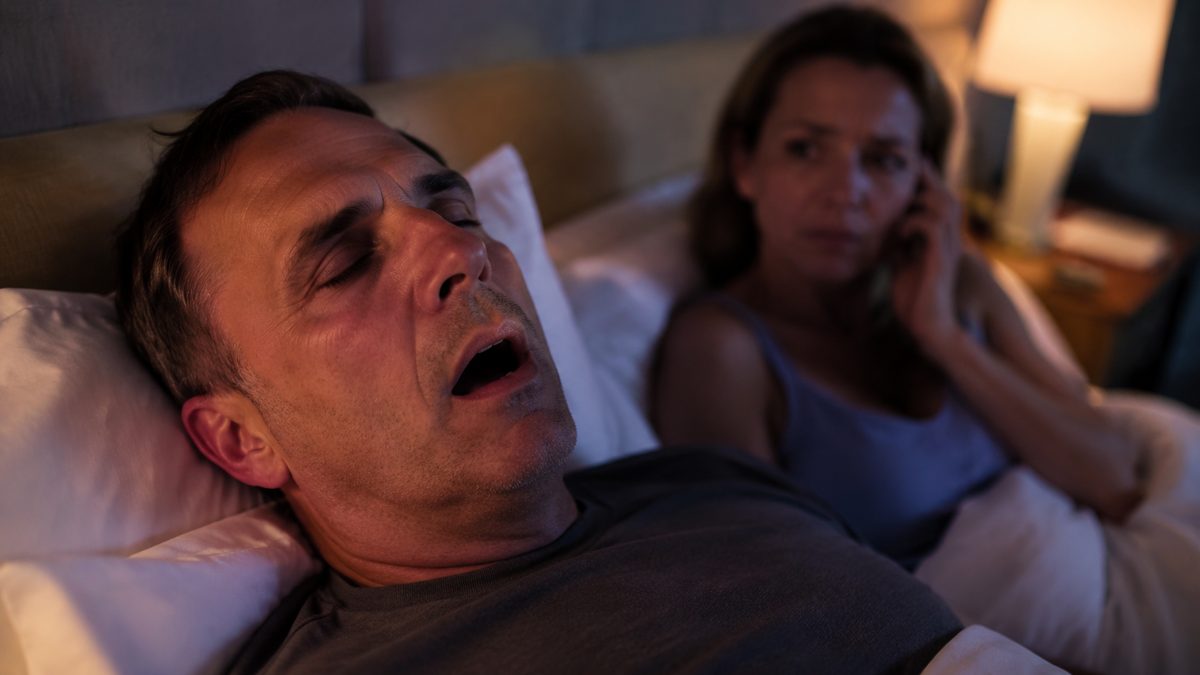
Many people who snore, gasp for breath, or wake up exhausted assume they have sleep apnoea. Several other health conditions cause these exact symptoms, leading to wrong diagnoses and incorrect treatments. Wasting money on expensive breathing machines will not solve your sleep issues if you actually suffer from acid reflux, nasal blockages, or chronic anxiety.
In my experience, identifying the true cause of your disrupted sleep is the only way to get your energy back. When we assume every nighttime breathing problem is sleep apnoea, we miss the real issues that damage our health. You must look at the whole body to find the real cause of your fatigue.
What else could it be if not sleep apnea?
It could be Upper Airway Resistance Syndrome, silent acid reflux, nocturnal panic attacks, or thyroid issues. These conditions disrupt your breathing and wake you up throughout the night. They mimic the symptoms of obstructive sleep apnoea but require different treatment approaches.
When I worked with a client named Robert, he complained of gasping for air at 3:00 AM. His doctor scheduled him for a sleep study, assuming he had sleep apnoea. The study showed no major blockages in his throat. We looked closer at his digestion. Robert had silent acid reflux. When stomach acid travelled up his throat at night, it caused his vocal cords to spasm and close. He woke up choking. Once we addressed his digestive health, his night-time choking stopped completely.
Upper Airway Resistance Syndrome (UARS)
Upper Airway Resistance Syndrome is the most common condition mistaken for sleep apnoea. In UARS, the airway narrows but does not close completely. Your body must work much harder to pull air into your lungs. This extra effort signals your brain to wake up. Unlike sleep apnoea, your blood oxygen levels do not drop significantly. Because there are no major drops in oxygen, standard sleep studies often miss this condition. You still wake up feeling exhausted, suffer from headaches, and struggle with daytime brain fog.
Gastroesophageal Reflux Disease (GERD)
GERD causes stomach acid to rise into the oesophagus. During sleep, this acid can reach the back of the throat. The delicate tissues in your throat react by tightening to protect your lungs. This reaction is a laryngospasm. It blocks your airway, causing you to wake up gasping for air with a burning throat. The sudden waking and gasping feel identical to an apnoea event. Treating the stomach acid and digestive system resolves the airway spasms.
Nocturnal Panic Attacks
I remember when one of my clients, Sarah, woke up every night with a racing heart and shortness of breath. She was convinced she had sleep apnoea. Her sleep study showed normal breathing patterns. We discovered she experienced nocturnal panic attacks. This episodic disorder mimics breathing stops. The nervous system triggers a sudden fight-or-flight response during sleep. You wake up feeling like you are suffocating, with your heart pounding. Treating her nervous system solved the problem.
Hypothyroidism
An underactive thyroid gland slows down your metabolism. This condition causes extreme fatigue, weight gain, and muscle weakness. The weakness affects the muscles in your throat, causing them to collapse easily during sleep. People with hypothyroidism often snore and feel constantly tired. They are frequently misdiagnosed with sleep apnoea when the root problem is a hormone imbalance.
How do sleep disorders mimic respiratory diseases?
Sleep disorders and respiratory diseases share the same physiological pathway: the airway. When your airway is inflamed or restricted, your body struggles to get oxygen. This struggle triggers the same physical responses regardless of the underlying cause.
What I found was that chronic nasal congestion from allergies causes the same sleep disruptions as mild sleep apnoea. When your nose is blocked, you breathe through your mouth. Mouth breathing causes the tongue to fall back, which restricts the throat. This leads to loud snoring and frequent awakenings. Patients are often referred to sleep medicine specialists when they actually need help from an allergy expert or an otorhinolaryngology specialist to clear their nasal passages.
Chronic sinusitis, nasal polyps, and a deviated septum all block airflow. They force you to use your mouth to breathe. This changes the pressure in your throat, making the airway collapse. If you treat the nasal inflammation and restore nasal breathing, the sleep issues disappear.
What is the 4% rule for sleep apnea?
The 4% rule is a clinical medicine standard used during sleep studies to count breathing pauses. To qualify as a hypopnea event, your breathing must decrease by at least 30%, and your blood oxygen levels must drop by at least 4% for ten seconds or more.
I know this because a client tried two different sleep clinics. The first clinic used the 4% rule and told him he had no sleep disorders. The second clinic used the 3% rule, which counts smaller drops in oxygen. The second clinic diagnosed him with mild sleep apnoea. This shows how diagnostic rules change your diagnosis. If your oxygen only drops by 3%, one doctor might tell you that you are healthy, while another doctor might prescribe a breathing machine.
The rule helps doctors measure the severity of your condition. However, it can ignore people with UARS. People with UARS struggle to breathe but do not experience the 4% oxygen drop. They still suffer from the same severe fatigue and health risks.
What is the new pill for sleep apnea?
The new pill is a combination of two existing drugs: atomoxetine and oxybutynin. Atomoxetine is an ADHD medication. Oxybutynin is used to treat overactive bladders. Together, they target the nervous system to keep the throat muscles active during sleep.
These drugs prevent the tongue and throat tissues from relaxing and blocking the airway. When I researched this drug trial, I found that many patients struggled with side effects. The combination causes dry mouth, difficulty urinating, and increased heart rate. Using strong pharmaceuticals to force throat muscles open does not address why the muscles became weak in the first place.
Many patients prefer natural alternatives that support muscle tone and reduce tissue swelling. Homeopathic remedies focus on strengthening the body's natural airway function. They do not cause the dry mouth or heart issues associated with chemical pills.
What is the pillow trick against sleep apnea?
The pillow trick is using a specialized wedge pillow or a side-sleeping pillow to keep your head elevated and force you to sleep on your side. This prevents gravity from pulling your tongue and throat tissues down into your airway.
When you sleep flat on your back, gravity pulls the soft palate and tongue backward. This blocks the passage of air. Elevating your head by six inches or turning onto your side keeps the airway open. This simple change can stop positional snoring entirely.
When I tried this with a client who snored loudly, we used a positional pillow that prevented him from rolling onto his back. His snoring stopped on the first night. His daytime energy returned quickly. While the pillow trick works well for positional snoring, it will not cure sleep issues caused by physical blockages in the nose or neurological conditions.
How does the nervous system affect your breathing at night?
Your brain controls your breathing muscles automatically. If the brain fails to send the correct signals to these muscles, your breathing stops. This is central sleep apnoea. It is a disorder of the nervous system, not a physical blockage in the throat.
In clinical medicine, doctors look at how the brain communicates with the diaphragm. Chronic stress, anxiety, and trauma affect this communication. When your nervous system is overactive, you remain in a light sleep state. Your body stays alert for danger. This alert state causes irregular breathing patterns, shallow breathing, and sudden awakenings. You wake up gasping because your brain is stuck in a fight-or-flight response, not because your airway collapsed.
Improving your nervous system health is vital. Natural therapies, including homeopathy, work to calm the overactive nervous system. This restores natural, rhythmic breathing patterns during the night.
Frequently Asked Questions
Can stress mimic sleep apnoea?
Yes. Stress keeps your nervous system in a state of high alert. This causes shallow breathing, hyperventilation, and sudden awakenings with a gasping sensation. These symptoms feel exactly like sleep apnoea, but they are caused by stress hormones, not physical airway blockages.
How do I know if I have UARS or sleep apnoea?
A sleep study is required to tell the difference. Sleep apnoea causes measurable drops in your blood oxygen levels, which show up on the 4% rule scale. UARS causes sleep disruption without those significant oxygen drops. UARS patients are also more likely to be thin and have low blood pressure. Understanding diagnostic standards and treatment options is essential for accurate diagnosis.
Can allergies cause sleep apnoea symptoms?
Yes. Chronic allergies swell the nasal passages and block airflow. This forces you to breathe through your mouth, which causes your throat muscles to relax and collapse. Clearing the nasal passages often stops the snoring and sleep disruptions.
Why does my throat close up right as I fall asleep?
This is often caused by a sudden drop in muscle tone as you transition from awake to asleep. It can also be caused by silent reflux triggering a throat spasm. If your throat closes instantly, it is usually a sign of muscle relaxation issues or acid irritation rather than classic sleep apnoea.
Actionable Takeaway
Track your symptoms for one week by recording your sleep with a mobile app. Note whether your wakings are accompanied by a sour taste in your mouth, a racing heart, or a dry throat. This helps you identify if acid reflux, anxiety, or nasal congestion is the true cause of your sleep issues. Once you have this data, schedule a consultation with a natural health practitioner to address the root cause of your symptoms.

What Are 10 Signs That My Body Is Healthy?
Read article →
How to Tell if Your Body Is Unhealthy?
Read article →
What Are Signs of Poor Function Health?
Read article →
What Are Some Weird Signs That My Body Is Healthy?
Read article →
What Are Five Signs That I Might Not Be Healthy?
Read article →