What Can Sleep Apnea Be Mistaken For?
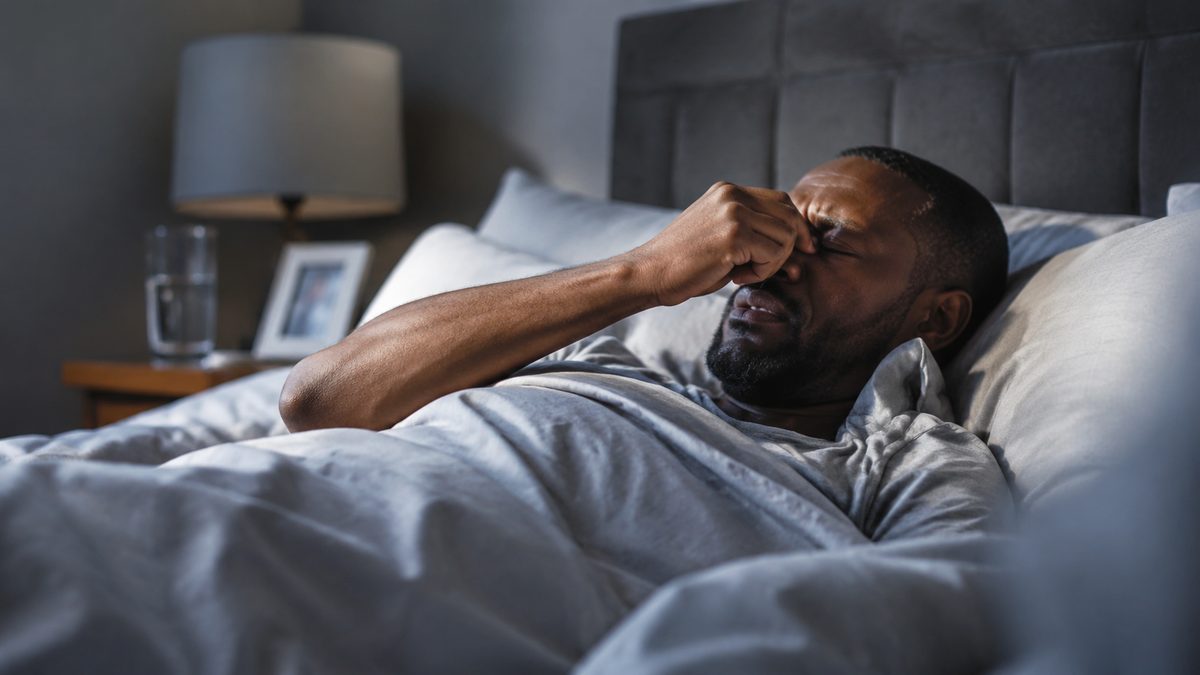
Sleep apnea mimics many common health conditions. Doctors frequently treat the wrong disease because the symptoms look identical to other issues. When this happens, patients spend years taking medications they do not need while their breathing problems remain untreated. Chronic fatigue, thyroid disorders, clinical depression, and simple nasal blockages are the most common conditions confused with this sleep disorder.
What else could it be if not sleep apnea?
If you do not have sleep apnea, your exhaustion and nighttime waking might stem from several other distinct health issues. The human body has limited ways of expressing chronic oxygen deprivation and sleep disruption. Because of this, different diseases produce the exact same symptoms.
Thyroid Disorders
An underactive thyroid gland slows down your entire metabolism. This condition, called hypothyroidism, causes extreme daytime fatigue, unexplained weight gain, and muscle weakness. When I worked with a client named Linda, she complained of waking up tired and struggling to focus at work. Her doctor initially suspected sleep apnea due to her snoring. We looked closer at her symptoms. She also had dry skin, felt cold constantly, and suffered from hair loss. A simple blood test confirmed her thyroid was underactive. Once she addressed her thyroid health, her energy returned and her snoring stopped.
Chronic Fatigue Syndrome
Chronic fatigue syndrome causes profound exhaustion that does not improve with rest. Unlike sleep apnea, this condition does not stem from a blocked airway. It involves systemic inflammation and immune system dysfunction. One of my clients had been diagnosed with mild sleep apnea and prescribed a breathing machine. Even after using the machine for six months, her fatigue did not change. She still woke up feeling like she had run a marathon. Further investigation showed her body was reacting to a chronic viral infection. Her fatigue was not a breathing issue but a systemic energy production failure.
Upper Airway Resistance Syndrome
This condition sits closely related to sleep apnea but operates differently. In this syndrome, the airway does not collapse completely. Instead, it narrows just enough to require extra effort to breathe. This extra effort wakes the brain up throughout the night. It does not cause the blood oxygen drops typical of classic sleep apnea. People with this issue are often thin and have low blood pressure. They present with fatigue, cold hands, and headaches.
What is commonly misdiagnosed as sleep apnea?
Misdiagnosis goes both ways. People with other conditions are often told they have sleep apnea, while those with sleep apnea are treated for unrelated issues. This confusion delays proper care.
Insomnia and Mental States
Insomnia is frequently confused with sleep apnea. Many patients wake up in the middle of the night and cannot fall back to sleep. A doctor might assume their airway is closing. However, hyperarousal from stress or anxiety often causes these wakings. When we look at mental states, anxiety causes panic attacks during sleep. A client of mine regularly woke up gasping for air with a racing heart. Her sleep study showed no airway blockages. Her brain was triggering a panic response during shallow sleep phases. Treating her nervous system solved the waking episodes.
Attention Deficit Hyperactivity Disorder
This misdiagnosis is especially common in children. When a child does not get quality sleep, they do not show fatigue the way adults do. Instead, they become hyperactive, impulsive, and struggle to focus. Many children receive diagnoses of ADHD and take stimulant medications. In reality, large tonsils or adenoids are blocking their airways at night. Once an otorhinolaryngology specialist removes the physical blockages, the child sleeps deeply. Their hyperactive behavior often disappears without behavioral medication.
Gastroesophageal Reflux Disease
Acid reflux frequently mimics sleep apnea. When stomach acid rises into the throat during sleep, it causes a spasm in the vocal cords. This spasm blocks the airway and causes the person to wake up choking and gasping for breath. The patient assumes their throat collapsed due to sleep apnea. In my experience, addressing the digestive tract and stomach acid levels stops these choking episodes completely.
What is the 4% rule for sleep apnea?
The 4% rule is a clinical standard used during sleep studies to measure breathing disruptions. It helps technicians decide if a drop in your breathing counts as a medical event.
During a sleep study, sensors monitor the oxygen levels in your blood. A hypopnea occurs when your breathing becomes shallow. Under the 4% rule, this shallow breathing must lead to a drop in your blood oxygen levels of at least 4% to be counted. The drop must also last for at least ten seconds.
Sleep clinics use these counts to calculate your apnea hypopnea index. If you experience five or more of these drops per hour, you receive a sleep apnea diagnosis. The rule is controversial in sleep physiology. Some laboratories use a stricter 3% rule. A client of mine scored normal under the 4% rule but showed severe disruption under the 3% rule. This shows how clinical definitions can delay help for people who fall just short of the official numbers.
How do I know if it's sleep apnea or something else?
To find the true cause of your symptoms, you must track your body's physical behavior and consult the right clinical medicine specialties. You cannot rely on fatigue alone to make the determination.
Track Your Nighttime Symptoms
Ask a partner if you gasp, choke, or stop breathing during sleep. Simple snoring is common, but silent pauses followed by loud gasps point directly to an airway issue. If you sleep alone, use a recording app to capture the sounds of your breathing. Pay attention to how you wake up. Morning headaches and a dry mouth point to sleep apnea. Waking up with a sour taste in your mouth points to acid reflux.
Evaluate Physical and Lifestyle Factors
Your physical structure plays a massive role in sleep physiology. Look at the determinants of health that affect your airway. The classification of obesity and medical conditions related to obesity are strong indicators. A thick neck circumference physically presses on the airway when muscles relax during sleep. If you carry excess weight, bariatrics and weight management are key areas to explore. However, thin individuals can still have sleep apnea due to jaw structure or enlarged tonsils.
Seek Specialist Evaluations
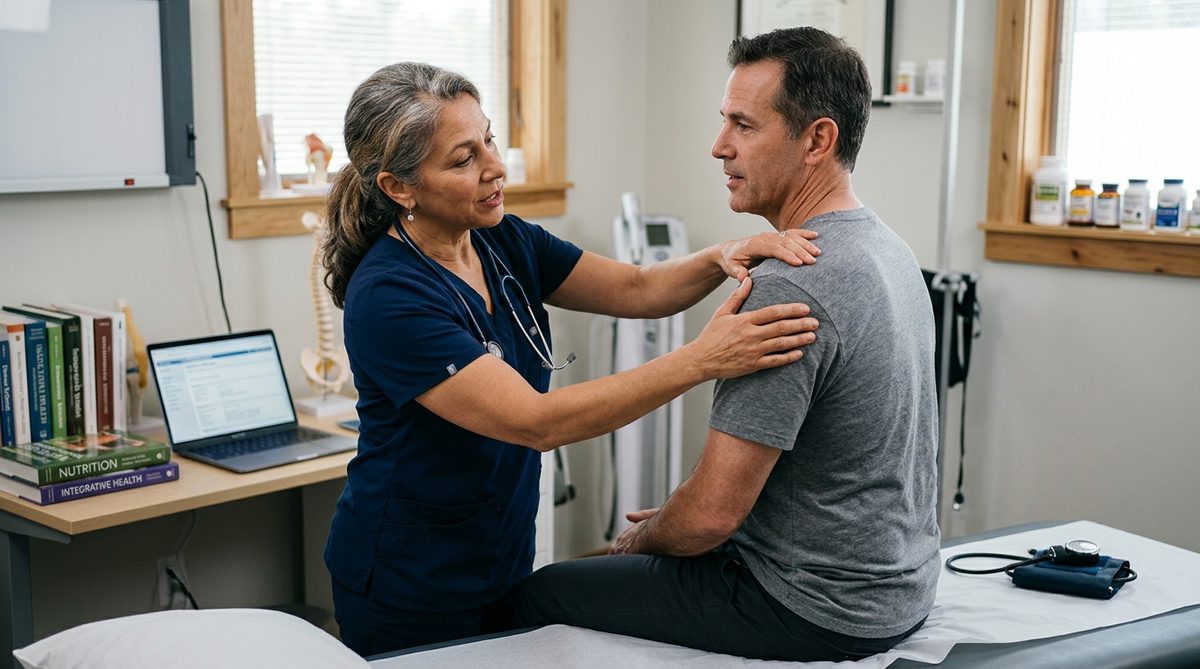
Work with specialists to rule out mimics. An otorhinolaryngology doctor can inspect your nasal passages and throat for physical blockages. A pulmonologist can check your lung function. If these checks show no physical blocks, you may need a neurological evaluation. Central sleep apnea occurs when the brain fails to send breathing signals to the diaphragm. This neurological disorder requires different care than physical airway blockages. Consult sleep physiology specialists to rule out mimics and determine the true cause.
How sleep apnea overlaps with other conditions
To understand why these issues get confused, we must look at the big picture of sleep physiology. We can break this down into three distinct areas of the body.
- The Airway: Physical blockages occur in the nose, throat, or tongue. This is the mechanical side of sleep apnea.
- The Brain: Neurological signals control the drive to breathe. When neurophysiology is disrupted, breathing stops even if the airway is clear.
- The System: Hormones and metabolism dictate energy levels. If the thyroid or cells are sluggish, you feel tired regardless of how well you breathe.
When I look at a client's health, I map out these three areas. If a client has fatigue but no airway blockages and normal thyroid levels, we look at neurological stress. By separating the mechanical, neurological, and hormonal systems, we find the true cause of the exhaustion.
Frequently Asked Questions
Can sleep apnea cause anxiety?
Yes. When your breathing stops, your brain triggers a survival response. It floods your body with adrenaline and cortisol to wake you up. This chemical surge mimics a panic attack. Over time, these nightly panic responses spill over into your daytime life, causing generalized anxiety and panic disorders.
Can a blocked nose mimic sleep apnea?
Yes. Chronic nasal congestion from allergies or a deviated septum forces you to breathe through your mouth. Mouth breathing causes the tongue to fall backward into the throat. This restricts the airway and creates snoring and mild breathing pauses. Clearing the nasal passages often resolves the sleep issue.
Can you have sleep apnea without snoring?
Yes. This is especially true for central sleep apnea. In these cases, the brain simply stops telling the body to breathe. There is no physical struggle or vibration of the throat tissues, so there is no snoring. You simply stop breathing silently and wake up exhausted.
How do natural therapies address sleep apnea mimics?
Natural therapies look at the systemic causes of fatigue and airway inflammation. Instead of using a machine to force air into the lungs, natural methods focus on reducing nasal swelling, balancing the thyroid gland, and calming the overactive nervous system that triggers nighttime waking.
Your Next Steps to Clarity
The single most important step you can take is to verify the physical structure of your airway before starting any treatment for chronic fatigue or mental health issues. Do not accept a diagnosis based on fatigue alone without looking inside your throat and nose.
- Schedule an appointment with an ear, nose, and throat specialist to check for physical airway blockages.
- Request a copy of your sleep study to see if they used the 3% or 4% oxygen desaturation rule.
- Track your morning symptoms for two weeks, noting dry mouth, headaches, or a sour taste in your throat.
- Test your thyroid hormone levels to rule out metabolic sluggishness.


What Are 10 Signs That My Body Is Healthy?
Read article →
How to Tell if Your Body Is Unhealthy?
Read article →
What Are Signs of Poor Function Health?
Read article →
What Are Some Weird Signs That My Body Is Healthy?
Read article →
What Are Five Signs That I Might Not Be Healthy?
Read article →