What Does Sleep Apnea Do to Your Body Long Term? The Real Damage Explained
Untreated sleep apnea systematically damages your heart, accelerates metabolic disease, and raises your risk of dying early. Your heart and blood vessels take the worst of it.
High blood pressure develops or worsens in most untreated cases, and your risk of heart attack and stroke climbs to roughly two to three times that of someone without the condition. The damage is progressive. Each year without treatment compounds the injury.
If you snore loudly, wake gasping, or feel exhausted no matter how long you sleep, get tested now. This is not a condition you can safely put off.
Why Does Sleep Apnea Cause So Much Damage?
Every time your airway collapses during sleep, your oxygen levels drop. Your brain detects the drop and fires off a stress response to wake you just enough to restart breathing. This happens dozens, sometimes hundreds, of times per night.
That repeated oxygen loss is called intermittent hypoxemia. It triggers oxidative stress and systemic inflammation throughout your body. Think of oxidative stress like rust forming on metal. Over months and years, it corrodes the lining of your blood vessels, a layer called the endothelium.
Once the endothelium is damaged, your blood vessels stiffen, blood pressure rises, and plaque builds faster in your arteries.
Most people think of sleep apnea as a nuisance, a snoring problem. But each apnea event is a small cardiovascular injury. Multiply that by 30 events an hour, eight hours a night, 365 nights a year, and you start to see why the long-term numbers are serious.
Sleep apnea is now classified as an independent cardiovascular risk factor, which means it drives heart disease on its own, separate from your weight, your diet, or your family history.
Can Sleep Apnea Cause Long-Term Damage?
Yes. The damage spans multiple organ systems.
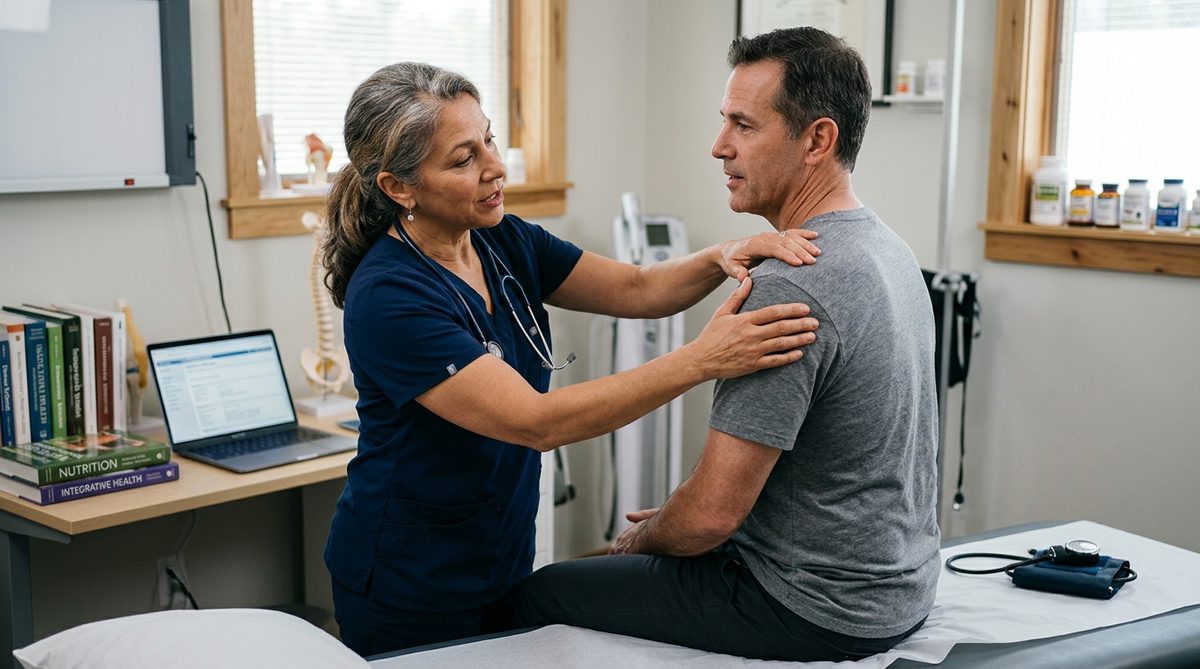
Heart and blood vessels: Chronic intermittent oxygen drops push your nervous system into a state of constant low-level emergency. Your sympathetic nervous system stays activated, keeping blood pressure elevated even during the day. This sustained pressure damages arterial walls, stiffens the heart muscle, and sets the stage for heart failure. In patients who already have heart failure, sleep apnea worsens cardiac remodeling and significantly worsens prognosis.
Metabolism: Sleep apnea is causally linked to insulin resistance and type 2 diabetes. The repeated stress responses through the night raise cortisol and disrupt glucose metabolism. One of my clients came in convinced her weight gain and blood sugar problems were purely dietary. What we found was that she had moderate sleep apnea and her cortisol was elevated every morning before she ate a single meal. The metabolic disruption was happening while she slept.
Brain: Oxygen is what the brain runs on. Repeated nightly drops in oxygen saturation damage cognitive function over time. Long-term untreated sleep apnea is associated with memory problems, reduced concentration, and higher rates of depression. Some research links it to increased dementia risk in older adults.
Atrial fibrillation: Irregular heartbeat is significantly more common in people with sleep apnea. The pressure swings inside the chest during apnea events stretch the walls of the heart's upper chambers, creating the conditions for electrical misfires.
Can Sleep Apnea Get Worse Over the Years?
Yes. Sleep apnea tends to worsen with age, weight gain, and declining muscle tone in the upper airway. What starts as mild apnea in your forties can become moderate or severe by your fifties or sixties.
And the cardiovascular consequences accelerate in step with the severity. In elderly patients, particularly those with metabolic syndrome, rates of major cardiac events and all-cause mortality are significantly elevated compared to those without sleep apnea.
The condition does not plateau. Without treatment, it gets harder on your body the older you get. I see clinically people who were told years ago they had mild sleep apnea and decided to wait and see. By the time they come back, they have developed high blood pressure, their sleep quality is far worse, and in some cases they have already had a cardiac event. Mild apnea left alone rarely stays mild.
What Happens If Sleep Apnea Goes Untreated for Years?
The serious consequences typically emerge after five to ten years of moderate-to-severe untreated sleep apnea. Here is the general progression:
- Years one to three: Blood pressure rises. Daytime fatigue worsens. Mood and concentration suffer. Many people attribute this to stress or aging.
- Years three to seven: Endothelial dysfunction becomes measurable. Metabolic disruption deepens. Insulin resistance may develop. Heart structure begins to change under sustained pressure.
- Beyond seven to ten years: Risk of stroke, heart attack, and heart failure rises significantly. Cognitive decline can become noticeable. For those with existing cardiac disease, the risk of serious cardiac events and death is materially higher.
One of my clients had ignored his diagnosis for eight years. He came in with stage two hypertension, pre-diabetes, and complained of memory problems at age 54. He had attributed everything to his job stress. His sleep apnea had been doing the slow work the entire time.
Can You Live for Years With Sleep Apnea?
Many people do live for years with sleep apnea, often without knowing they have it. Nearly one billion people worldwide are estimated to have the condition. A large portion are undiagnosed.
The more honest question is: can you live for years with sleep apnea without accumulating serious damage? The evidence says that depends almost entirely on severity and whether it gets treated. Mild, untreated sleep apnea carries lower risk than severe untreated apnea, but neither is harmless over time.
And since most people's apnea worsens with age, what seems manageable now tends to become more damaging later. Survival is not the same as good health. People live for years with untreated high blood pressure too. That does not make it safe.
The One Thing Most Articles Get Wrong
Most articles frame CPAP therapy as the definitive solution and leave it there. The picture is more complicated.
CPAP reliably improves blood pressure, daytime alertness, and quality of life. But recent randomized trials have not consistently shown that CPAP reduces the rate of heart attacks and strokes in patients who already have established cardiac disease. This surprised a lot of clinicians.
The likely explanation is that by the time cardiovascular disease is already present, some structural damage is permanent. The window for prevention had already closed. This is the argument for treating early, not waiting until symptoms are bad enough to demand action.
The cardiovascular benefit of treatment is largest before the damage is done. treating sleep apnea at 42 is far more protective than treating it at 62 after a decade of arterial injury.
A second thing most people miss: Sleep apnea and obesity reinforce each other in both directions. Excess weight worsens sleep apnea by narrowing the airway. Sleep apnea then drives cortisol-driven weight gain and insulin resistance, which worsens the apnea further. Breaking that loop requires addressing both, not just one.
A third angle almost nobody talks about: the impact on your partner's health. The sleep disruption caused by a partner's apnea and snoring consistently reduces the partner's sleep quality. This is a real, measurable health burden that falls on households, not just individuals.
What Are the Warning Signs You Should Act On Now?
The classic signs most people know are loud snoring and waking up gasping. But the daytime signs are just as important and more often ignored:
- Waking up with a headache
- Feeling unrefreshed no matter how long you slept
- Falling asleep during quiet activities like reading or watching television
- Difficulty concentrating or frequent memory lapses
- Mood changes, irritability, or low motivation that arrived without a clear cause
- Blood pressure that is difficult to control despite medication
High blood pressure that does not respond well to medication is a particularly strong clinical signal. One of my clients had been on two blood pressure medications for three years with poor control. His doctor suspected the real driver was undiagnosed sleep apnea. The sleep study confirmed severe apnea. Within three months of treatment, his blood pressure was better controlled than it had been in years.
How Is Sleep Apnea Treated?
CPAP therapy remains the standard treatment. It delivers continuous air pressure through a mask to keep the airway open during sleep. It reliably reduces blood pressure, improves oxygen saturation, and resolves daytime sleepiness in most people who use it consistently.
For people who cannot tolerate CPAP, alternatives include oral appliances that reposition the jaw, positional therapy for apnea that only occurs on the back, and in some cases surgical options. Weight loss meaningfully reduces apnea severity in people who are overweight, though it rarely eliminates it entirely in moderate-to-severe cases.
From a broader health perspective, addressing systemic inflammation and supporting cardiovascular function alongside CPAP makes clinical sense. Sleep apnea creates a chronic inflammatory state, and recovery is not just about keeping the airway open at night.
Frequently Asked Questions
How long does it take for sleep apnea to damage your heart?
Measurable cardiovascular changes can begin within the first few years of untreated moderate-to-severe apnea. Serious events like heart attack and stroke typically emerge after five to ten years of untreated disease. The process starts earlier than most people expect.
Does sleep apnea shorten your life?
Severe untreated sleep apnea is associated with higher all-cause mortality, particularly in older adults and those with existing cardiovascular disease. The risk is real and dose-dependent: more severe apnea, longer untreated, means higher risk.
Can the damage from sleep apnea be reversed?
Some damage is reversible with treatment. Blood pressure typically improves. Endothelial function can partially recover. But structural heart changes and arterial damage from years of untreated apnea may be permanent. This is why early treatment matters more than late treatment.
Is sleep apnea always serious?
Mild sleep apnea carries lower immediate risk than severe apnea, but it can progress over time. And even mild apnea disrupts sleep quality and contributes to daytime impairment. Taking it seriously early is the smarter position.
Does everyone with sleep apnea develop heart disease?
No. But the risk is substantially elevated compared to people without sleep apnea, especially for high blood pressure, atrial fibrillation, and stroke. Other factors like overall health, severity, and duration of apnea all influence individual risk.
What to Do Right Now
If you recognize the symptoms described above, the single most important action you can take is to get a sleep study. A home sleep test is relatively straightforward to arrange through your doctor. You cannot manage a condition you have not confirmed.
If you already have a diagnosis and have been putting off treatment, stop delaying. The cardiovascular protection from treating sleep apnea is greatest before the damage accumulates. Every year without treatment is a year of compounding injury to your heart, blood vessels, and metabolism.
If you are exploring all your options for supporting your health alongside conventional treatment, the team at HomeopathyPlus works with people managing chronic conditions and sleep-related health issues. addressing the systemic inflammation and stress load that sleep apnea creates is a legitimate part of comprehensive care.
Act on this now: Book a sleep study if you have not been tested. If you have been tested and diagnosed, start treatment this week. And if your blood pressure, weight, or energy levels have been hard to manage, consider whether sleep apnea is the driver nobody has addressed yet.Sources
Continue with the Sleep article archive collection.

What Are 10 Signs That My Body Is Healthy?
Read article →
How to Tell if Your Body Is Unhealthy?
Read article →
What Are Signs of Poor Function Health?
Read article →
What Are Some Weird Signs That My Body Is Healthy?
Read article →
What Are Five Signs That I Might Not Be Healthy?
Read article →