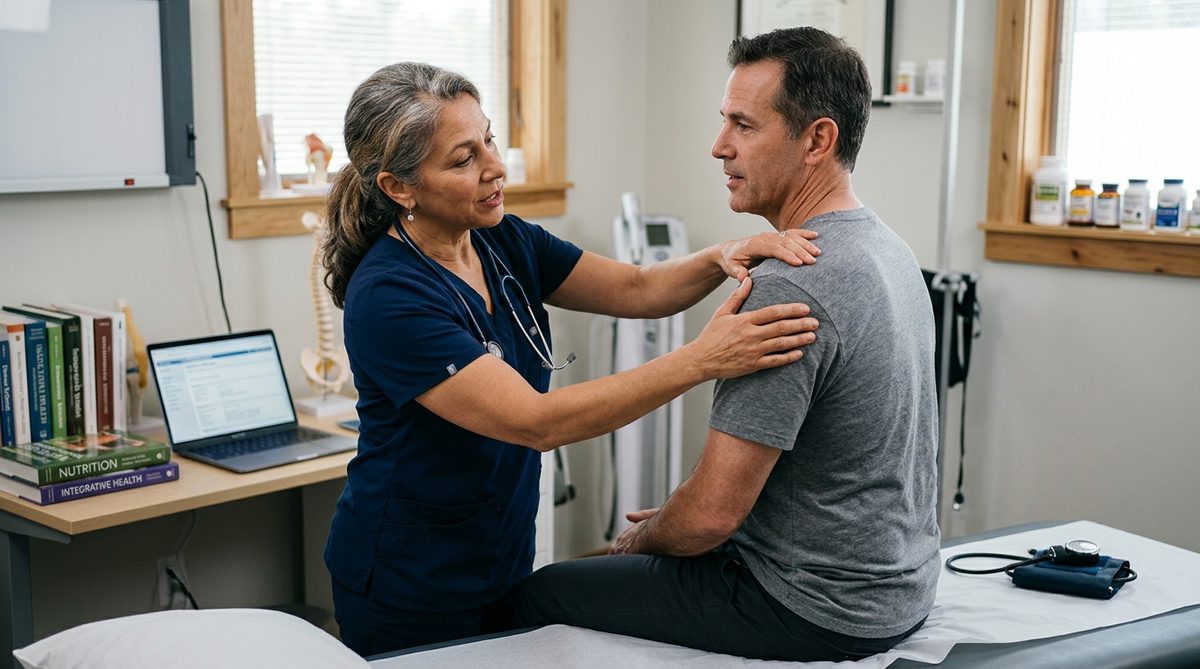
What Does Sleep Apnea Feel Like? Real Symptoms and Warning Signs
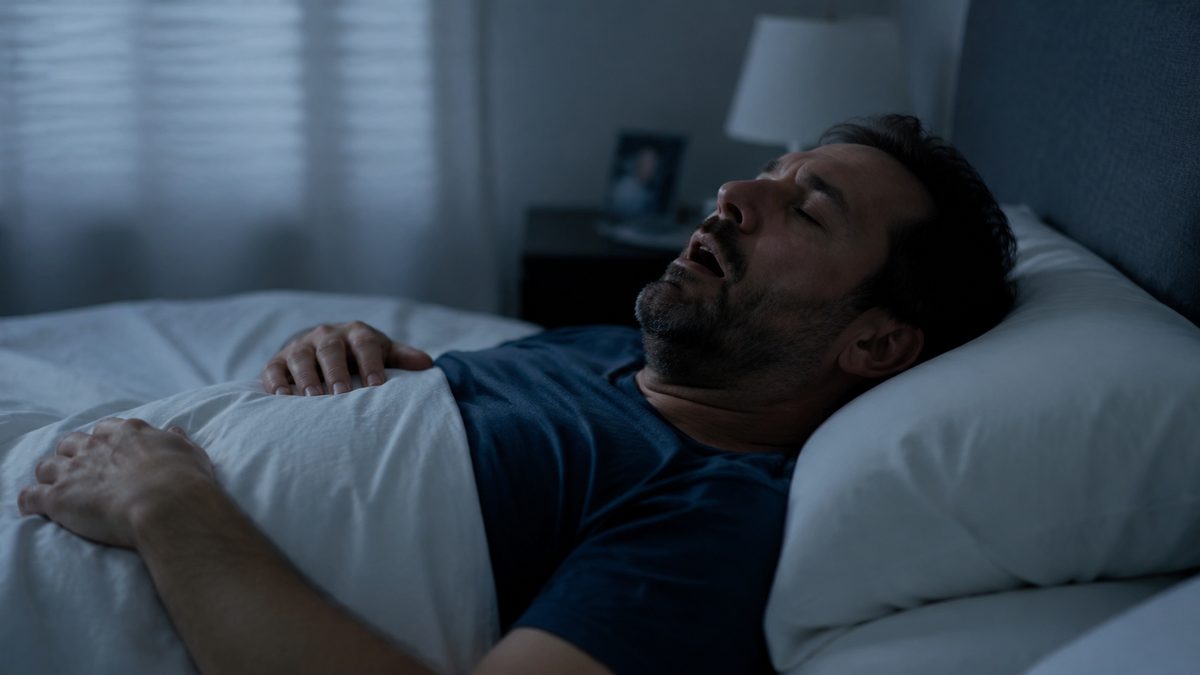
Sleep apnea feels like you are slowly suffocating throughout the night, leaving you exhausted, irritable, and physically weak during the day. You do not sleep. Your body fights for air while you remain unaware of the struggle. When you wake up, you feel as if you never slept at all.
This condition disrupts your breathing repeatedly during the night. Your airway collapses, blocking oxygen from reaching your lungs and brain. Your nervous system must trigger a survival response to force you to breathe. This constant cycle of suffocation and survival shocks your body, leaving you depleted when the morning comes.
What does it feel like to wake up with sleep apnea?
Waking up with sleep apnea feels like waking up in a state of panic. You do not wake up slowly or peacefully. Instead, you jerk awake with a racing heart. Your chest feels tight. You gasp for air as if you just surfaced from deep water. Many people experience a dry, scratchy throat or a choking sensation.
I remember when one of my clients, Robert, described his mornings to me. He said he felt like he had run a marathon in his sleep. His sheets were damp from sweat. His mouth felt dry, like sand. He had a dull headache behind his eyes that took hours to fade. This happened because his body starved for oxygen dozens of times every hour. His brain had to trigger a survival panic response to wake him up so he would breathe again.
sleep apnea. Your body stays in a constant state of fight-or-flight. You do not get the deep, restorative sleep stages your brain needs to clean out toxins and repair tissue. You wake up feeling physically sore and mentally exhausted.
What does sleep apnea feel like during the day?
During the day, sleep apnea feels like a heavy fog that settles over your brain. You struggle to focus on simple tasks. Reading a page in a book requires reading the same sentence three or four times. Your memory fails you. You forget where you put your keys or why you walked into a room.
When I worked with a client named Sarah, she believed she had early-onset dementia. She could not track conversations at work. She felt irritable and snapped at her family. She experienced intense afternoon fatigue that no amount of coffee could fix. After we looked at her sleep habits, we discovered her daytime fog was the direct result of her airway closing at night. Once she addressed her breathing abnormalities, her memory returned and her mood lifted.
Physically, your body feels heavy and weak. Your muscles ache. You feel a constant urge to nap, yet napping does not make you feel better. You feel sleepy while driving, which is a dangerous sign of severe sleep deprivation. You may also experience sudden changes in your mood, feeling anxious or sad without a clear reason.
What are the warning signs of sleep apnea?
Warning signs of sleep apnea show up both when you sleep and when you are awake. Loud, frequent snoring is the most common sign. This snoring often stops suddenly with a silent pause, followed by a loud gasp or snort. People who sleep in the same room notice these pauses long before the sleeper does.
Other warning signs include waking up to urinate multiple times during the night. People often blame their bladder, but the actual cause is the strain on your heart. When your airway closes, your chest wall expands against a closed throat. This action creates pressure in your chest. Your heart senses this pressure and releases a hormone that tells your kidneys to get rid of water. You wake up needing to use the bathroom because your heart is struggling to pump blood against the blocked airway.
You may also wake up with a sour taste in your mouth. Sleep apnea causes acid reflux because the gasping forces stomach acid up into your throat. Morning headaches and waking up with a dry mouth or sore throat are also key signs. If you find yourself waking up multiple times to drink water, your body is trying to soothe the irritation caused by heavy mouth breathing.
What can be mistaken for sleep apnea?
Insomnia is frequently mistaken for sleep apnea. People who wake up repeatedly during the night think they simply have trouble staying asleep. They focus on their racing thoughts. They do not realize they woke up because their brain needed oxygen. They treat the issue with sleeping pills, which can worsen sleep apnea by relaxing the throat muscles even further.
Chronic fatigue syndrome and clinical depression are also common misdiagnoses. When I saw my client Marcus, he had spent two years taking antidepressants. He still felt exhausted, sad, and unmotivated. His doctor had classified his condition as treatment-resistant depression. When we analyzed his airway health and his physical symptoms, we found he had severe obstructive sleep apnea. His low mood was a physical result of chronic oxygen starvation during sleep. When his breathing improved, his depressive symptoms faded.
Other conditions like thyroid disorders, asthma, and simple daytime stress can mimic the fatigue of sleep apnea. Medical specialists in otorhinolaryngology often have to rule out physical blockages in the nose and throat before making a final determination. When we look at these issues, we must separate the root breathing cause from the secondary mental states.
What is the 4% rule for sleep apnea?
The 4% rule is a standard that sleep clinics use to measure the severity of your breathing issues. During a sleep study, sensors track the oxygen level in your blood. A normal oxygen level sits between 95% and 100%. The 4% rule states that an abnormal breathing event occurs when your blood oxygen level drops by 4% or more from your baseline, lasting for at least ten seconds.
These drops are called desaturations. For example, if your oxygen level starts at 98% and drops to 94%, this counts as a significant event. The sleep study counts how many of these drops happen per hour. This number forms your Apnea-Hypopnea Index score. A higher score means your brain and organs are repeatedly deprived of vital oxygen throughout the night.
This drop in oxygen triggers your neurophysiology to sound an alarm. Your blood pressure spikes, your heart beats faster, and your stress hormones surge. This process damages your blood vessels over time, leading to cardiovascular issues. Understanding this rule helps you realize that sleep apnea is not just about snoring. It is about how much oxygen your brain is missing.
How do I check myself for sleep apnea?
You cannot diagnose yourself at home, but you can check for signs that point to the condition. Start by assessing your daytime sleepiness using a simple scale. Ask yourself if you nod off while reading, watching television, or sitting in traffic. Constant daytime sleepiness is a strong indicator.
Next, record your sleep. Use a voice-activated audio recorder or a sleep tracking app on your phone. Listen to the recording for loud snoring, long silences, and sudden gasps. If you hear pauses where your breathing stops for several seconds, you likely have sleep apnea.
Check your physical measurements. Measure your neck circumference. A neck size larger than 17 inches for men or 16 inches for women increases the risk. Look at your throat in the mirror. If you have a low-hanging soft palate or large tonsils, your airway has less room to stay open. You can also track your morning heart rate. If your heart rate is high immediately upon waking, your body is likely struggling through the night. This physical stress is a clear indicator that your respiratory system is working too hard.
How does airway block affect your body?
When your airway blocks, your respiratory system fails to exchange carbon dioxide for oxygen. Carbon dioxide builds up in your blood, making it acidic. Your brain detects this acid rise and forces a sudden breath. This cycle repeats hundreds of times a night.
This constant cycle strains the cardiovascular system. It raises your blood pressure and increases your risk of stroke. It also affects how your body processes sugar. Sleep apnea changes how your body uses insulin, which can lead to weight gain and type 2 diabetes. Obesity and sleep apnea form a loop. Extra tissue around the neck compresses the airway, which worsens the apnea. The lack of sleep then slows your metabolism, making it harder to lose weight. Addressing the breathing issue is essential to breaking this cycle.
Frequently Asked Questions
Can you have sleep apnea without snoring?
Yes. You can have sleep apnea without loud snoring. This is common in silent sleep apnea, where the airway blocks but does not vibrate the throat tissues. You may only experience shallow breathing or quiet pauses. You will still feel exhausted during the day.
Does sleep apnea cause panic attacks?
Yes. The drop in oxygen levels triggers your brain's survival center. This releases adrenaline and cortisol, causing you to wake up with a racing heart and a sense of doom. This physical response can feel exactly like a daytime panic attack.
How does weight affect sleep apnea?
Weight directly affects the size of your airway. Excess fat deposits around the upper airway can compress the throat, making it collapse more easily when your muscles relax during sleep. However, thin people can also have sleep apnea due to jaw structure or large tonsils.
Can natural remedies help with sleep apnea symptoms?
Natural approaches focus on improving your overall health and airway muscle tone. Homeopathy Plus. We select remedies that match your specific physical symptoms, sleep patterns, and energy levels to support your body's natural healing processes and improve sleep quality.
Take Action Today
If you experience morning headaches, daytime brain fog, or wake up gasping for air, record your sleep tonight using a phone app to check for breathing pauses, then schedule a consultation with a health professional to discuss your airway health.
Continue with the Sleep article archive collection.

What Are 10 Signs That My Body Is Healthy?
Read article →
How to Tell if Your Body Is Unhealthy?
Read article →
What Are Signs of Poor Function Health?
Read article →
What Are Some Weird Signs That My Body Is Healthy?
Read article →
What Are Five Signs That I Might Not Be Healthy?
Read article →