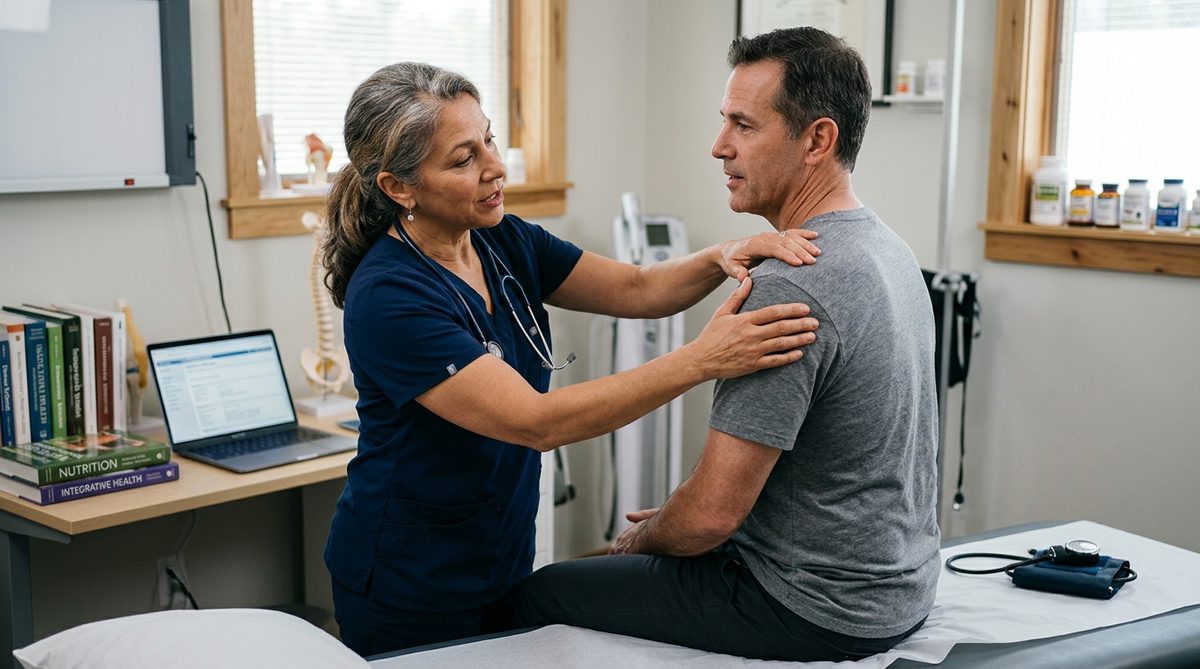
What Feels Like Sleep Apnea But Isn't? The Conditions Most Doctors Miss
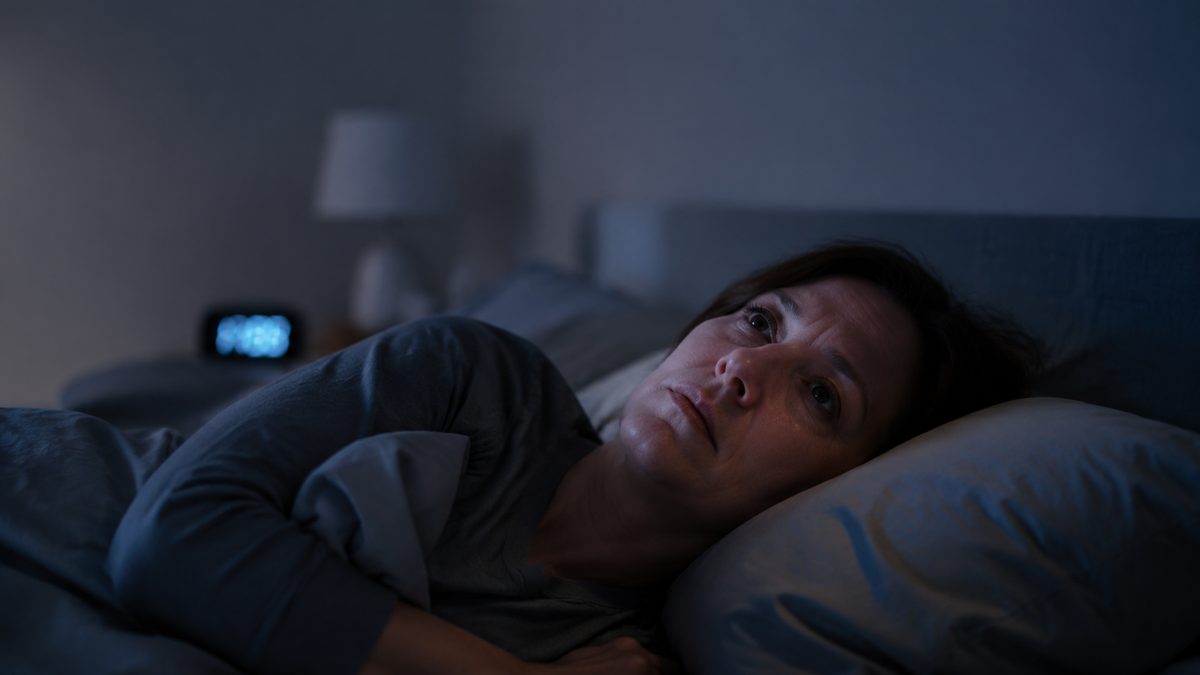
Upper airway resistance syndrome is the most common culprit. It causes the same exhaustion, gasping, and broken sleep as apnea, but it won't show up on a standard sleep test.
Beyond that, sleep-related hypoventilation, panic disorder, laryngospasm, and even lung disease can all produce symptoms that feel identical to apnea. The difference matters because the treatment for each one is completely different.
If your sleep study came back negative but you still feel wrecked every morning, you're not imagining it. Something real is happening. You just need the right test to find it. standard sleep test
What Can Be Mistaken for Sleep Apnoea?
Several conditions produce the same cluster of symptoms: waking up gasping, witnessed breathing pauses, morning headaches, and crushing daytime fatigue. Most people assume that means apnea. Often it doesn't.
The conditions most commonly confused with sleep apnea include:
- Upper airway resistance syndrome (UARS), breathing effort spikes repeatedly through the night, waking you up just enough to fragment sleep, but the events don't meet the technical threshold for apnea or hypopnea
- Sleep-related hypoventilation, oxygen drops and CO2 builds up during sleep without actual breathing pauses, common in obesity, neuromuscular disease, and restrictive lung conditions
- Central sleep apnea, the brain fails to send the right signal to breathe rather than the airway collapsing; it looks similar on the surface but needs different treatment
- Sleep-related laryngospasm, the vocal cords briefly clamp shut, causing a sudden gasping wake-up that feels exactly like an apnea event
- Panic disorder with nocturnal attacks, waking in terror with racing heart and breathlessness, often mistaken for apnea-related gasping
- Interstitial lung disease, restrictive lung mechanics cause oxygen drops and fragmented sleep without apneic events
- Rare neuromuscular conditions, some genetic syndromes produce REM-specific breathing problems that mimic the timing of apnea but come from muscle weakness rather than airway obstruction
What Is Commonly Misdiagnosed as Sleep Apnea?
Upper airway resistance syndrome gets misdiagnosed more than anything else. In my experience reading through patient histories, UARS is either missed entirely or dismissed because the apnea-hypopnea index (AHI) comes back low. The problem is that standard home sleep tests don't measure respiratory effort arousals. You need esophageal pressure monitoring to catch them, and most labs don't run that test unless you specifically ask.
What happens in UARS is this: your airway narrows repeatedly during sleep. You work harder and harder to breathe through the resistance. That effort triggers a micro-arousal before you ever stop breathing completely. So the AHI stays low, the test looks normal, and you go home with no answers. But your sleep is shattered dozens of times a night.
Central sleep apnea is another frequent misdiagnosis. Post-stroke patients often show a mix of obstructive and central features that need careful sorting before treatment begins. Treating obstructive apnea with CPAP in someone who actually has central apnea can make things worse.
Children are also frequently misclassified. Research found central apnea events in 89.5% of 712 children with sleep-disordered breathing, with 44.2% meeting full central sleep apnea criteria. That's a significant number of kids who could end up on the wrong treatment path.
Pregnant women develop central apnea patterns from hormonal changes rather than obstruction. If a pregnant woman is screened with a standard obstructive apnea protocol, the central component gets missed.
How Do I Know If It's Sleep Apnea or Something Else?
The symptom overlap is real, but a few patterns point away from classic obstructive sleep apnea.
Consider something other than obstructive apnea if:
- Your home sleep test AHI came back below 5, but symptoms are severe
- You wake gasping but your bed partner says your airway sounds clear, not snoring or choking
- Daytime sleepiness is extreme even after a full night in bed
- You have known lung disease, neuromuscular weakness, or a history of stroke
- Gasping episodes feel more like panic than struggling to breathe
- Symptoms are worse during REM sleep specifically
- You are pregnant or recently postpartum
- You are older and symptoms are present even with a borderline AHI
Older adults deserve a specific mention here. Research shows apnea-like symptoms can be significant even when the apnea index stays below standard diagnostic cutoffs. Age changes how the brain regulates breathing during sleep, and the usual thresholds don't always apply.
What Is the 4% Rule for Sleep Apnea?
The 4% rule refers to how oxygen desaturations are counted during a sleep study. An apnea or hypopnea event is only scored if it causes oxygen saturation to drop by at least 4% from baseline. This is the standard used in most home sleep tests and many lab studies.
Here's where it creates problems. Someone with UARS or mild hypoventilation might have dozens of arousals and partial oxygen drops of 2-3% that never get counted. Their AHI looks fine. Their oxygen trace looks fine. But they're waking up repeatedly and their sleep quality is poor.
Some sleep labs use a 3% desaturation threshold instead, which catches more events. The difference between a 3% and 4% rule can change whether someone gets diagnosed or sent home without answers. If you've had a home sleep test and it came back negative, ask whether the lab used a 3% or 4% threshold. It's a simple question that can change everything.
The Conditions That Most Articles Get Wrong
Sleep-Related Hypoventilation Is Underdiagnosed
Most articles about apnea mimics focus on UARS and stop there. Sleep-related hypoventilation barely gets mentioned, even though it's common in people with obesity, COPD, or any condition that restricts lung expansion.
Here's what I found: hypoventilation causes CO2 to build up during sleep. That CO2 rise fragments sleep, causes morning headaches, and produces the same foggy exhaustion as apnea. But there are no breathing pauses. A standard sleep test won't catch it. You need transcutaneous CO2 monitoring or arterial blood gas testing to confirm it. Patients with interstitial lung disease are particularly vulnerable to this pattern.
Hemoglobin Anomalies Can Mimic Apnea
This one almost never appears in mainstream articles. Rare hemoglobin variants can affect how oxygen is carried and released in the blood, producing oxygen saturation readings that look like apnea-related desaturations when they aren't. Research has documented hemoglobin anomalies as a differential diagnosis in sleep apnea syndrome. If you have unexplained oxygen drops on a sleep study but no breathing events, this is worth ruling out with a blood test.
Laryngospasm Gets Dismissed as Anxiety
Sleep-related laryngospasm causes sudden, terrifying gasping awakenings. The vocal cords clamp shut for a few seconds. You wake up convinced you stopped breathing. It's often written off as anxiety or a bad dream. It's not.
It's a distinct physiological event with its own triggers, including acid reflux, and its own treatment path. If your gasping episodes are sudden and brief rather than a gradual struggle to breathe, laryngospasm is worth investigating.
What Tests Actually Catch These Conditions?
A home sleep apnea test is a starting point, not a complete answer. Here's what different conditions actually require:
- UARS: In-lab polysomnography with esophageal pressure monitoring (Pes). This is the gold standard. Without it, UARS is invisible.
- Sleep-related hypoventilation: Transcutaneous CO2 monitoring during the sleep study, or end-tidal CO2 measurement. Standard pulse oximetry alone misses it.
- Central sleep apnea: In-lab polysomnography with respiratory effort belts to distinguish central from obstructive events. Home tests often can't make this distinction reliably.
- Laryngospasm: Clinical history is the main tool. A sleep study during an episode would show the event, but catching one is difficult. Reflux testing may also be relevant.
- Neuromuscular causes: Pulmonary function testing, nerve conduction studies, and specialist review.
- Hemoglobin anomalies: Blood test for hemoglobin variants.
When Should You Push for More Testing?
See a sleep specialist if your initial test is negative but symptoms persist. Push harder if:
- Your Epworth Sleepiness Scale score is above 10
- A bed partner witnesses irregular breathing even when the test was clear
- You have a condition that affects breathing mechanics (lung disease, neuromuscular weakness, obesity)
- Symptoms started after a stroke or neurological event
- You are pregnant and developing new sleep symptoms
A borderline AHI of 5 to 10 events per hour with severe symptoms is also worth treating. Clinical practice supports a trial of CPAP in this range when UARS is suspected and quality of life is significantly affected. The test result is one data point. Your symptoms are another. Both matter.
FAQ
Can anxiety cause symptoms that feel like sleep apnea?
Yes. Nocturnal panic attacks cause sudden gasping awakenings with racing heart and breathlessness. They feel identical to apnea events from the inside. The difference is that panic attacks tend to involve intense fear and heart pounding, while apnea events are more about struggling to breathe. A sleep study during a panic episode would show normal breathing with a sudden arousal.
Can acid reflux cause apnea-like symptoms?
Reflux can trigger laryngospasm during sleep, which causes gasping awakenings. It can also cause micro-arousals from acid irritation without any breathing event. Treating reflux sometimes resolves what looked like a breathing problem.
Is UARS a real diagnosis?
Yes, though it's not universally recognised in all sleep medicine guidelines. The mechanism is well-documented: repetitive increases in respiratory effort cause arousals that fragment sleep without meeting the threshold for apnea or hypopnea. The debate is about diagnostic criteria, not whether the condition exists.
Can children have conditions that mimic sleep apnea?
Yes. Central sleep apnea is more common in children with sleep-disordered breathing than most people realise. Research found central events in nearly 90% of children studied, with 44% meeting full central apnea criteria. Children with neuromuscular conditions can also have REM-specific breathing problems that look like apnea but come from muscle weakness.
Does a negative home sleep test mean I definitely don't have apnea?
No. Home tests miss UARS, hypoventilation, and central apnea patterns. They also use the 4% desaturation rule, which misses milder events. A negative home test with ongoing symptoms is a reason to request an in-lab study, not a reason to stop investigating.
Can homeopathy help with sleep-related breathing symptoms?
Homeopathic care takes a whole-person approach, looking at the full pattern of symptoms rather than a single diagnosis. For people whose sleep symptoms don't fit a clear apnea diagnosis, or who want to support their health alongside conventional investigation, a consultation with a qualified homeopathth can be a useful step. The focus is on the individual's complete symptom picture, which is exactly what these complex, hard-to-diagnose cases often need.
What to Do Right Now
If you wake up exhausted, gasp during sleep, and your standard test came back clear, take these steps:
- Ask your doctor specifically about UARS and whether an in-lab polysomnography with esophageal pressure monitoring is appropriate for your case.
- Request CO2 monitoring if you have any lung condition, obesity, or neuromuscular weakness.
- Track your symptoms for two weeks: note when gasping happens, whether it feels like panic or breathlessness, and how you feel in the morning. This pattern helps specialists narrow the diagnosis.
- Ask whether your sleep test used a 3% or 4% desaturation threshold, and whether retesting with the lower threshold is warranted.
- If symptoms are severe and AHI is borderline (5 to 10), discuss a CPAP trial with your doctor. A therapeutic response is itself diagnostic information.
The right diagnosis changes everything. Don't accept "your test was normal" as a final answer when your body is telling you otherwise.
Sources
Continue with the Sleep article archive collection.

What Are 10 Signs That My Body Is Healthy?
Read article →
How to Tell if Your Body Is Unhealthy?
Read article →
What Are Signs of Poor Function Health?
Read article →
What Are Some Weird Signs That My Body Is Healthy?
Read article →
What Are Five Signs That I Might Not Be Healthy?
Read article →