What Food to Avoid With Homeopathic Medication (And Why It Actually Matters)
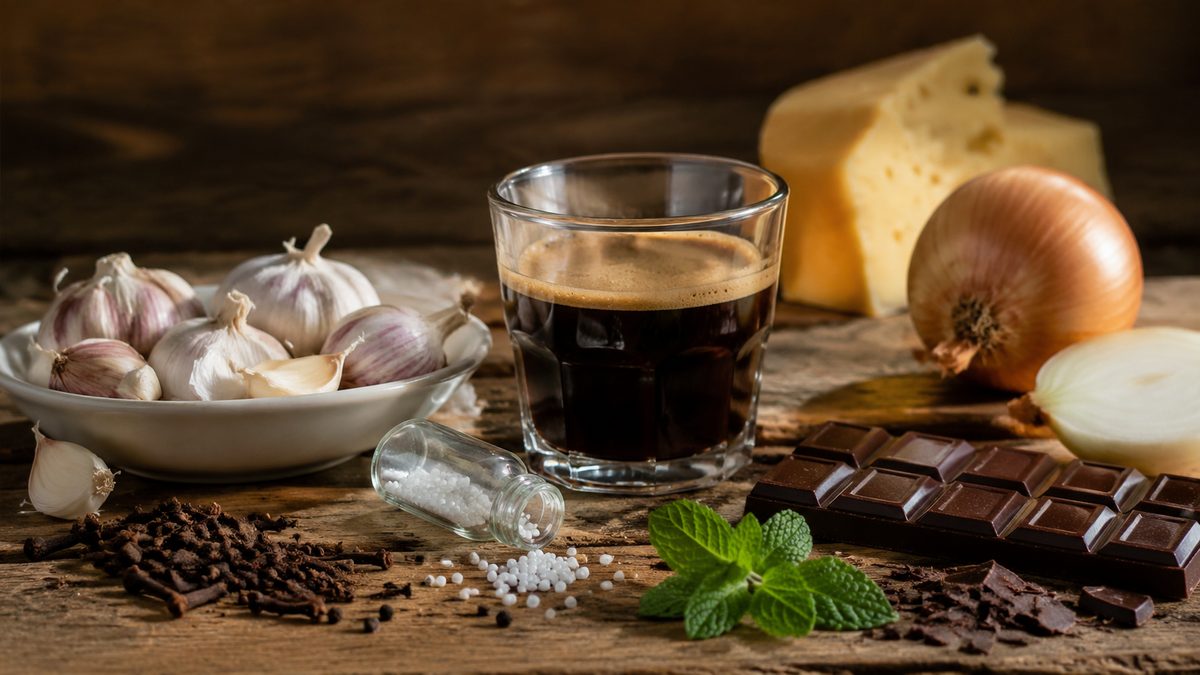
The remedy is only half the equation. What you eat and drink around it determines whether it works.
Most people start homeopathic treatment and never get this briefing. Then they wonder why their results are inconsistent. In my experience, diet interference is one of the most common reasons a well-chosen remedy underperforms. HomeopathyPlus
Here's what to avoid, why it matters, and eating around your remedy that let the remedy do its job.
Why Does Food Interfere With Homeopathic Remedies at All?
Homeopathic remedies work through a highly diluted energetic signal. That signal is subtle by design. Certain strong substances compete with or overwhelm it before it can act.
Think of it like trying to hear a quiet conversation in a loud room. The remedy is the conversation. Strong foods, chemicals, and stimulants are the noise.
The remedies themselves are usually delivered on small lactose or sucrose globules that absorb under the tongue. That absorption window, roughly 15 to 30 minutes before and after taking the remedy, is when your mouth needs to be as neutral as possible.
But some substances create longer-term interference. Camphor is the most well-known example. Coffee is another. These don't just affect the absorption window. They can antidote a remedy that's already working in your system.
What Foods Should You Avoid When Taking Homeopathic Medicine?
The most important rule: nothing strong in the 30 minutes before or after taking your remedy. That means no food, no drink except plain water, no toothpaste, no mints.
Beyond that window, certain categories deserve ongoing attention.
Coffee
This is the one most homeopaths agree on. Coffee is a known antidote to many remedies. It doesn't just interfere at the moment of dosing. Regular coffee consumption can gradually neutralise a remedy over days.
I know this because one of my clients came back after two weeks saying her anxiety remedy had stopped working. Nothing else had changed in her life. When we talked through her routine, she'd started a new habit of a strong espresso every morning. We paused coffee for a week, re-dosed, and she was back on track within days.
Decaf is debated. Some practitioners say the antidoting comes from the coffee alkaloids, not caffeine alone. To be safe, most homeopaths recommend avoiding all coffee during active treatment.
Mint and Menthol
Peppermint tea, mentholated sweets, mint-flavoured chewing gum, and some mouthwashes all carry menthol. Menthol is one of the strongest known antidotes to homeopathic remedies.
This catches people off guard. You wouldn't think twice about a peppermint tea before bed. But if you're taking a remedy for sleep, that tea can undo the dose you just took.
Switch to chamomile, ginger, or plain hot water during treatment. Check your mouthwash label. Many natural mouthwashes use menthol as the active antibacterial ingredient.
Camphor
Camphor is found in some topical creams, chest rubs, and liniments. It's not typically eaten, but it absorbs through the skin and has a strong antidoting effect on many remedies.
If you're using a vapour rub or muscle cream containing camphor while on a homeopathic treatment plan, tell your practitioner. This is a common source of unexplained remedy failure.
Strongly Spiced Foods
Raw garlic, chilli, and very pungent spices in large quantities can interfere, particularly around dosing time. This doesn't mean you need to eat bland food for months. It means avoid a heavily spiced meal in the 30 minutes around your dose.
A light meal an hour before dosing is fine. A bowl of vindaloo right before you take your remedy isn't ideal timing.
Alcohol
Alcohol is a suppressant and can blunt the action of remedies. An occasional glass of wine with dinner is unlikely to derail a treatment plan for most people. Regular or heavy drinking is a different story.
When I work with clients managing chronic conditions through homeopathy, alcohol is one of the first lifestyle factors we look at. It doesn't just interact with the remedy. It often maintains the very conditions the remedy is trying to address.
Artificial Sweeteners and Highly Processed Foods
This one gets less attention in the classical literature but matters in practice. Diets high in processed food, artificial sweeteners, and chemical additives create a body environment that's harder for subtle remedies to work in.
This is less about antidoting and more about signal-to-noise. The cleaner the overall system, the more responsive it tends to be.
Can You Take Homeopathy With Food?
Yes, with one clear condition. Don't take the remedy while eating or immediately after. Wait at least 30 minutes after a meal before dosing, and hold off on eating for 30 minutes after you take the remedy.
The remedy needs to sit under your tongue and absorb through the mucous membrane. Food, drink, and even residual flavours in your mouth disrupt that process.
Plain water is the one exception. You can take a small sip of water with your remedy if needed. But coffee, juice, flavoured drinks, and anything else should wait.
Can You Eat Eggs While Taking Homeopathic Medicine?
Yes. Eggs aren't on any standard list of homeopathic antidotes. They have no known interference with remedy action.
The concern some people raise comes from older traditions that recommended very plain diets during treatment. That level of restriction isn't necessary for most people or most remedies.
Eggs for breakfast, well away from your dosing time, is completely fine.
What Precautions Should You Take While on Homeopathic Treatment?
Diet is one part of it. Here are the others that matter.
Store Your Remedies Properly
Homeopathic remedies are sensitive to heat, light, and strong electromagnetic fields. Keep them away from your microwave, direct sunlight, and strong-smelling substances like perfume or essential oils in the medicine cabinet.
A cool, dark drawer away from the kitchen is ideal. Don't leave them in a hot car.
Handle Them Carefully
Tip the globules into the cap of the bottle rather than touching them with your fingers. Skin oils and residues from your hands can contaminate the dose.
Tell Your Practitioner About Other Treatments
Some conventional medications and some essential oils can interfere with remedy action. This doesn't mean you need to stop your medication. It means your homeopath needs the full picture to select and dose appropriately.
One of my clients was using a eucalyptus inhaler daily for sinus issues and also trying a homeopathic remedy for the same problem. The eucalyptus was directly antidoting the remedy. Once we found an alternative for the inhaler, the remedy started producing results within a week.
Avoid Strong Essential Oils Around Dosing
Eucalyptus, tea tree, peppermint, and camphor-based essential oils used heavily or close to dosing time can interfere. Diffusing lavender in the evening is different from inhaling straight eucalyptus minutes before your remedy.
Be Consistent With Timing
Taking your remedy at roughly the same time each day, with the same before and after food window, builds consistency into your results. Irregular dosing with variable conditions makes it hard to tell what's working and what isn't.
The Angle Most Articles Get Wrong
Most diet advice for homeopathy focuses entirely on what antidotes remedies. That matters. But there are two other angles that rarely get discussed.
First: The same foods that antidote remedies are often the same foods that drive the symptoms homeopathy is being used to treat. Coffee worsens anxiety, disrupts sleep, and aggravates digestive issues. Alcohol suppresses the immune response and clouds emotional clarity. Removing these isn't just about protecting the remedy. It removes a maintaining cause that would slow recovery regardless of treatment.
Second: Many people think the dietary rules apply only to the dose itself. They take the remedy on an empty mouth, follow the 30-minute rule, then drink three coffees and assume they're fine. The window around dosing matters most, but ongoing coffee and heavy menthol use can gradually erode a remedy's action over a treatment course.
Third: Remedies chosen at very high potencies are generally more sensitive to antidoting than lower potencies used for acute conditions. If your practitioner prescribed a 200C or 1M potency for a chronic constitutional issue, the dietary precautions matter more than if you're using a 6C for a mild acute complaint.
FAQ
How long before taking a homeopathic remedy should I avoid food?
Thirty minutes is the standard. If you've eaten something strongly flavoured like garlic or coffee, wait a full hour to be safe.
Does tea interfere with homeopathic remedies?
Peppermint tea and any mint-based herbal tea can antidote remedies. Non-mint herbal teas like chamomile, rooibos, or ginger are generally fine if consumed well outside the dosing window. Plain black or green tea in moderate amounts is lower risk than coffee, but still best avoided right around dosing time.
Can I brush my teeth before taking my remedy?
Yes, but brush at least 30 minutes before your dose, not right before. Most toothpastes contain mint or menthol. Rinsing your mouth with plain water after brushing and then waiting before dosing is the practical approach.
Will one cup of coffee ruin my entire treatment?
A single cup is unlikely to completely antidote a well-established remedy in most people. The risk increases with regular daily coffee drinking, especially if the remedy is a higher potency for a chronic condition. The safest approach is to avoid it during treatment. If you can't, discuss it honestly with your practitioner so they can adjust potency or dosing frequency accordingly.
Do these rules apply to homeopathic creams and topical remedies?
The food rules are less relevant for topical preparations since they work through skin absorption rather than mucous membrane absorption. The antidoting concern still applies to camphor-based products used nearby or at the same time.
Is it safe to take homeopathic medicine during pregnancy?
Homeopathy is widely used during pregnancy and is generally considered safe, but always work with a qualified homeopath and keep your midwife or obstetrician informed. The dietary precautions above still apply.
What to Do From Here
Clear your dosing window. Nothing in your mouth for 30 minutes either side except plain water. Cut coffee and mint for the duration of active treatment. Store your remedies away from heat, light, and strong smells. Tell your practitioner about every other product you use, including topical creams and essential oils.
These aren't complicated steps. Done consistently, they make a real difference in what you get from treatment.
If you're working with a homeopath or looking to start, HomeopathyPlus provides professional guidance, quality remedies, and support for both acute and chronic conditions.

What Are 10 Signs That My Body Is Healthy?
Read article →
How to Tell if Your Body Is Unhealthy?
Read article →
What Are Signs of Poor Function Health?
Read article →
What Are Some Weird Signs That My Body Is Healthy?
Read article →
What Are Five Signs That I Might Not Be Healthy?
Read article →