What Foods Are Bad for Sleep Apnea? The Diet Changes That Actually Help
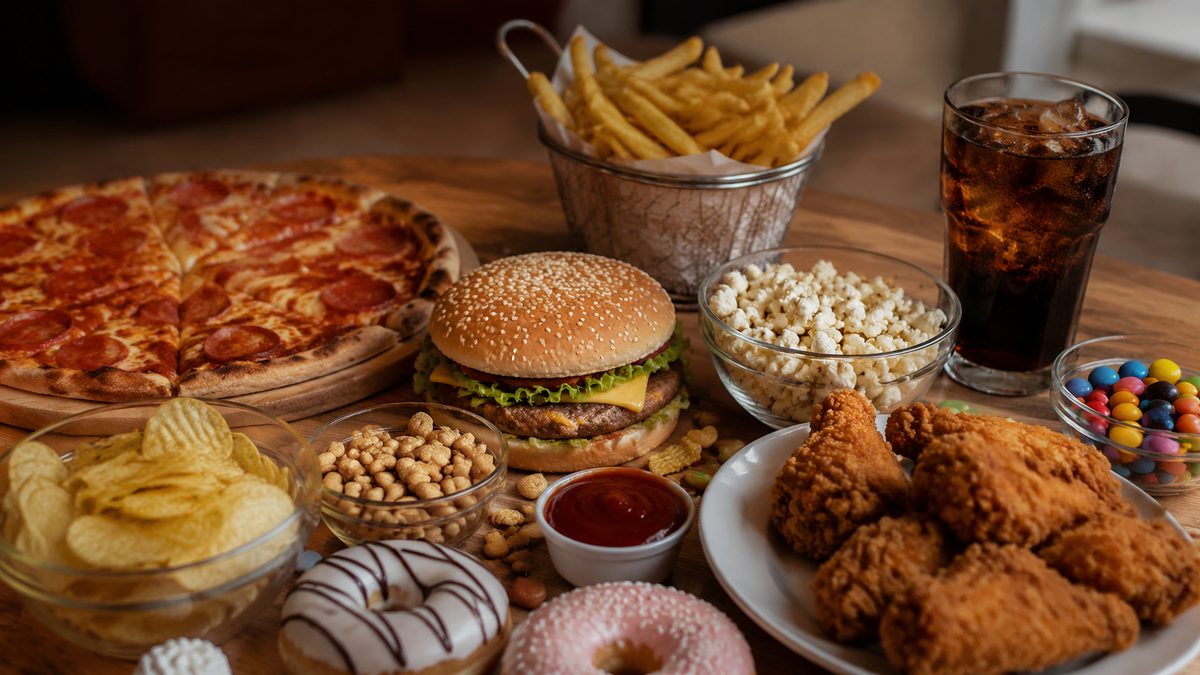
Alcohol, sugary drinks, fried and processed foods, heavy meals before bed, and refined carbs worsen sleep apnea the most. They pack on weight around your neck and upper airway, drive inflammation, or directly relax the muscles holding your throat open at night.
A 10% weight gain links to a 32% rise in apnea events per hour. The reverse works too: lose 10% of your body weight and apnea severity drops roughly 26%, sometimes enough for full remission.
Why Does Food Affect Sleep Apnea at All?
Sleep apnea happens when your airway collapses or narrows during sleep, cutting off your breathing. Excess fat around the neck and jaw squeezes the airway shut. Inflammation makes throat tissue swell and lose muscle tone. Both are major drivers.
Food controls both of these. What you eat determines whether you gain or lose fat. It also determines how much inflammation your body carries. A 12-week weight reduction program combining diet and exercise in obese sleep apnea patients significantly reduced inflammatory markers and improved the airway through two separate pathways at once.
There's also a mechanical angle most people miss: a large meal before bed physically pushes up on your diaphragm, reduces lung volume, and makes it harder to keep the airway open while you sleep. This gets worse with high-fat meals because fat slows gastric emptying, keeping your stomach full longer.
What Foods Trigger Sleep Apnea or Make It Worse?
Alcohol
Alcohol is the single most direct dietary trigger for sleep apnea events. It relaxes skeletal muscle, including your throat muscles, within hours of drinking. That relaxation lets the airway collapse more easily and more often.
I know this because one of my clients kept a sleep diary and found that even two glasses of wine with dinner pushed his apnea events up noticeably on those nights, even though his weight hadn't changed. He thought it was just poor sleep. The pattern only became clear when we lined up the diary entries side by side.
Alcohol also suppresses REM sleep and reduces your body's ability to rouse itself when breathing is obstructed, making each apnea event last longer.
Sugary Drinks and Refined Carbohydrates
Soft drinks, fruit juices, white bread, white rice, and pastries spike blood sugar fast and drive fat storage, especially around the abdomen and neck. They also promote chronic low-grade inflammation.
Over time, this adds weight and inflames upper airway tissue. Clients who cut out sugary drinks first, before changing anything else, often lost 2 to 3 kilograms within a month. That alone shifted their AHI. Small change, real result.
Fried and Processed Foods
Fast food, packaged snacks, processed meats, and anything deep-fried are high in saturated fat, refined oils, and sodium. Sodium causes fluid retention, which can increase swelling in throat tissues and the upper airway. The calorie density of these foods also makes overeating easy, driving weight gain steadily over time.
The inflammatory load from a diet built around processed food matters too. Obese sleep apnea patients show elevated inflammatory markers that improve significantly when diet quality improves, even when weight loss is modest.
Heavy Fatty Meals Before Bed
Eating a large, high-fat meal within two to three hours of sleep pushes the diaphragm upward, reduces functional lung capacity, and increases the likelihood your airway will partially collapse. This is a mechanical problem on top of the long-term weight and inflammation issue.
When I tried shifting my last meal to at least three hours before bed, I noticed the difference in how rested I felt in the morning. Digestion requires oxygen too, and when that competes with breathing during sleep, something has to give.
Late Caffeine
Caffeine after early afternoon doesn't cause sleep apnea directly, but it fragments sleep and reduces the restorative phases where your body recovers. For someone already losing sleep quality to apnea events, caffeine in the evening compounds the damage.
Why Are Bananas Bad for Sleep Apnea?
Bananas are flagged because they're high in natural sugar and are a mucus-promoting food for some people. The mucus angle is more relevant here: increased mucus in the nose and throat can partially obstruct the airway, adding to the narrowing that makes apnea worse.
That said, bananas aren't a major driver of sleep apnea the way alcohol or excess body fat are. If someone is managing their weight well and eating a clean diet, the occasional banana is unlikely to matter much. The concern is more relevant if someone already has nasal congestion or notices more mucus after eating certain foods.
What Is the Best Food for Sleep Apnea?
The Mediterranean diet pattern has the strongest evidence for sleep apnea management. It combines calorie control with anti-inflammatory eating, which addresses the two main food-related mechanisms behind apnea severity.
The MIMOSA randomized clinical trial tested a Mediterranean diet intervention specifically in obstructive sleep apnea patients and found clinical benefit from the combination of calorie restriction and anti-inflammatory food patterns. A separate review reinforced this, naming the Mediterranean diet as the clearest dietary framework for OSA weight management.
What does this actually look like on a plate? Vegetables at most meals. Legumes like lentils and chickpeas several times a week. Whole grains instead of refined ones. Fish twice a week, especially oily fish like salmon or sardines. Nuts as snacks instead of packaged food. Olive oil as the main fat. Fruit in place of processed sweets. Red meat and dairy kept small and occasional.
One of my clients followed this pattern for 12 weeks while also cutting alcohol to weekends only. She lost 6 kilograms. Her partner told her the snoring had dropped significantly before her follow-up appointment. She hadn't started any new treatment, just changed what was on her plate.
What Is the 3-3-3 Rule for Sleep Apnea?
The 3-3-3 rule is a practical timing guideline: stop eating 3 hours before bed, stop drinking alcohol 3 hours before bed, and stop caffeine 3 hours before bed. Some versions extend the caffeine window to 6 hours given how long caffeine stays active.
The rationale is straightforward. A full stomach physically impairs breathing during sleep. Alcohol within three hours of sleep directly relaxes throat muscles during the most vulnerable sleep phases. Caffeine delays sleep onset and reduces deep sleep, which is already compromised in apnea patients.
Most articles skim past this, but it matters in practice. Timing is a lever you can pull immediately without changing your diet at all. It doesn't replace food quality changes, but it adds real benefit on top of them.
How Much Does Weight Loss Actually Help?
Every kilogram of weight lost corresponds to an average reduction of 0.78 apnea events per hour. A 10% weight loss predicts a 26% reduction in apnea severity, and some patients achieve full remission, meaning their AHI drops below 5 events per hour.
This isn't marginal. For moderate sleep apnea, that kind of reduction can mean the difference between needing a CPAP machine and not needing one. For mild apnea, it can be curative.
For people where diet and lifestyle alone aren't sufficient, clinical trials are now evaluating pharmaceutical weight loss interventions. The SURMOUNT-OSA phase 3 trial assessed tirzepatide, a GLP-1 receptor agonist, in people with moderate to severe OSA and obesity, combining medication with lifestyle change to drive weight reduction and measure AHI outcomes. A similar trial, TRIUMPH, is evaluating retatrutide across obesity-related complications including OSA. These trials reinforce that weight reduction is the central mechanism, whether achieved through food or medication.
If diet changes aren't producing results after a genuine effort, that conversation with your doctor about medical weight management is worth having.
Three Things Most Articles Get Wrong About Diet and Sleep Apnea
First, most articles treat sleep apnea as purely mechanical, with diet affecting it only indirectly through weight. The inflammation pathway is just as important and responds faster. You can reduce inflammatory load and see airway improvement within weeks, before significant weight is lost.
Second, the focus lands almost entirely on what you eat, not when you eat. The timing of your last meal, your alcohol, and your caffeine can produce meaningful changes in apnea events within days of adjusting. It's underused as a first lever.
Third, people assume that if they're not obese, diet is irrelevant to their sleep apnea. Body weight is the strongest predictor, but other factors including metabolic dysfunction and inflammation also drive OSA severity in people who aren't significantly overweight. Diet quality matters for these people too.
Frequently Asked Questions
Does cutting out sugar help sleep apnea?
Yes. Reducing added sugar lowers calorie intake, supports weight loss, and reduces systemic inflammation, all of which improve apnea severity. It's one of the most accessible changes to make first.
Can the Mediterranean diet actually fix sleep apnea?
For mild to moderate OSA, yes in some cases, particularly when combined with meaningful weight loss. The MIMOSA trial demonstrated clinical benefit from this approach. For severe apnea, it's unlikely to fully resolve symptoms on its own but significantly reduces severity and improves treatment outcomes.
Is dairy bad for sleep apnea?
Dairy promotes mucus production in some people, which can contribute to nasal congestion and mild airway narrowing. It's not a primary driver of sleep apnea the way excess weight and alcohol are, but if you notice more congestion after dairy, reducing it before bed is a reasonable step.
Does salt make sleep apnea worse?
High sodium intake causes fluid retention, which can increase swelling in the soft tissues of the throat and upper airway. Reducing processed food, which is where most dietary sodium comes from, addresses this and also reduces calorie intake simultaneously.
What about coffee and sleep apnea?
Morning coffee is fine. Caffeine after early afternoon delays sleep onset and reduces restorative sleep stages, compounding the sleep debt already caused by apnea events. Keep caffeine to the first half of the day.
What to Do Starting Tonight
Stop eating, drinking alcohol, and consuming caffeine at least three hours before bed. Over the next two weeks, cut out sugary drinks and replace processed snacks with nuts or fruit. Move toward a Mediterranean-style eating pattern: more vegetables, legumes, fish, and olive oil; less packaged and fried food.
Aim for 10% body weight loss over three to six months, because that single change can cut your apnea events by roughly a quarter and sometimes eliminate them entirely. If you're not making progress after a sustained effort, talk to your doctor about medical weight loss support.
The airway responds to what you eat. Start with the list above, and give it twelve weeks before you judge the outcome.Sources
Continue with the Sleep article archive collection.

What Are 10 Signs That My Body Is Healthy?
Read article →
How to Tell if Your Body Is Unhealthy?
Read article →
What Are Signs of Poor Function Health?
Read article →
What Are Some Weird Signs That My Body Is Healthy?
Read article →
What Are Five Signs That I Might Not Be Healthy?
Read article →