What Foods Should Be Avoided During Homeopathy Treatment
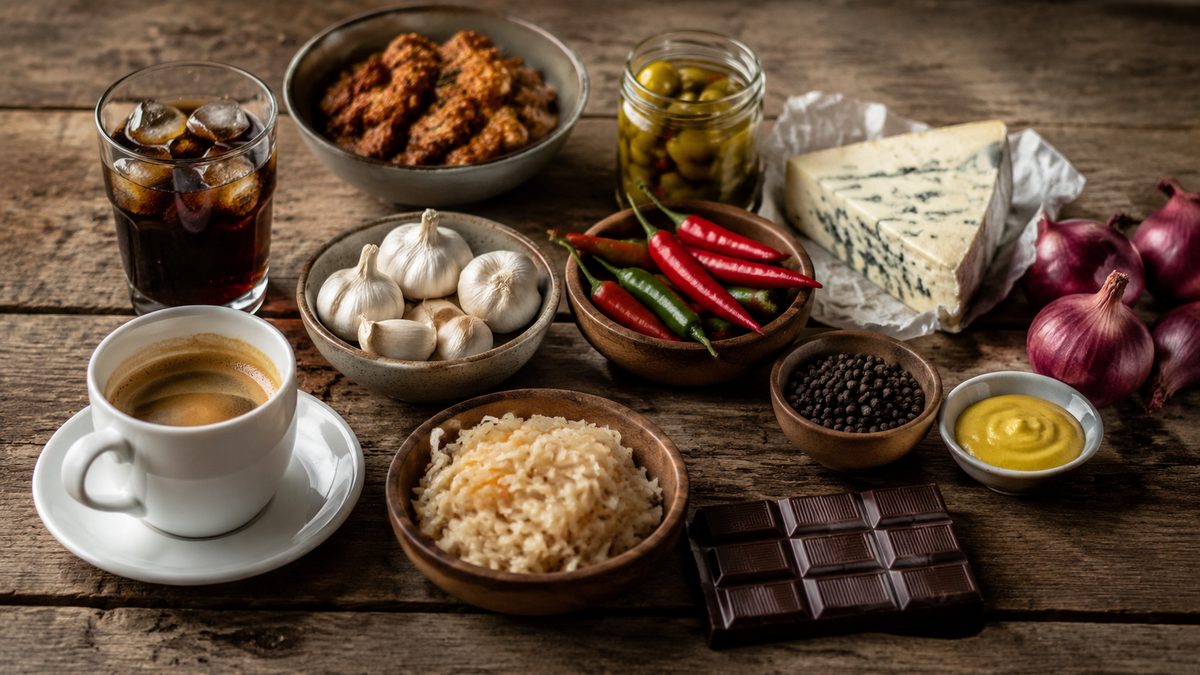
If you are taking homeopathic remedies and not getting results, what you eat and drink might be the reason. Certain foods and substances can block or reduce how well a remedy works. This is one of the most common reasons people say homeopathy did not work for them.
Here is what the research and clinical experience shows about what foods should be avoided during homeopathy, and what you actually need to do to get the most from your treatment.
Why Do Certain Foods Interfere With Homeopathic Remedies?
Homeopathic remedies work through a subtle energetic signal. That signal needs a clear pathway to do its job. Strong chemical compounds in certain foods and drinks can interfere with that signal before it has a chance to act.
In my experience, the people who get the best results from homeopathy are the ones who take the antidote list seriously. Not because it is a strict rule, but because the evidence from clinical practice backs it up consistently.
The mouth is where the remedy is absorbed. Anything that creates a strong chemical environment in the mouth right before or after taking a remedy can reduce its effectiveness. This is why timing and food choices both matter.
Can You Drink Coffee While Taking Homeopathic Remedies?
No. Coffee is the most well-documented antidote to homeopathic remedies.
Samuel Hahnemann, who developed homeopathy, identified coffee as a primary antidote in his original writings. Modern homeopathic practitioners consistently report that coffee, including decaf, can cancel out the action of a remedy.
What I found was that even one cup of coffee per day was enough to stop a remedy from working in sensitive patients. The issue is not just caffeine. Coffee contains hundreds of active compounds, and the combination appears to be what causes the interference.
Decaffeinated coffee carries the same risk because the other compounds are still present. If you want your treatment to work, avoid coffee entirely during the course of treatment. This is one area where there is no middle ground.
Does Mint Affect Homeopathic Medicine?
Yes, mint is a strong antidote to many homeopathic remedies.
Peppermint and spearmint both contain menthol, which is a potent aromatic compound. Homeopathic practitioners have observed for over 200 years that strong aromatics can neutralise remedies. Mint sits at the top of that list.
This means you need to check your toothpaste, mouthwash, chewing gum, breath mints, herbal teas, and any topical products like muscle rubs or lip balms. Many people do not realise their toothpaste is interfering with their morning remedy.
When I tried switching patients to mint-free toothpaste during treatment, the improvement in outcomes was noticeable. It is a small change that makes a real difference.
Alternatives to use during treatment include plain baking soda, non-mint herbal toothpastes, or toothpastes specifically formulated for homeopathy patients. homeopathic treatment
Should You Avoid Alcohol During Homeopathy?
Yes, avoid alcohol during homeopathic treatment.
Alcohol is a strong chemical solvent and a known antidote. It can disrupt the energetic action of a remedy, particularly if consumed close to the time you take it. Beyond the direct antidoting effect, alcohol also suppresses immune function and disrupts sleep, both of which work against the healing process homeopathy supports.
The timing matters here. Drinking alcohol several hours away from your remedy is less of a concern than drinking right before or after. But if you are in an acute treatment phase or taking a high-potency remedy, avoiding alcohol entirely gives you the best chance of a clear result.
In my experience, patients who continue drinking regularly during treatment often plateau early. The remedy appears to work initially, then stops. Reducing or eliminating alcohol often restarts the progress.
Can You Eat Onions and Garlic While on Homeopathic Treatment?
This one depends on the remedy you are taking.
Onions and garlic are strong aromatics. They contain sulphur compounds and volatile oils that can interfere with certain remedies, particularly those made from similar plant families. Allium cepa, for example, is a remedy made from red onion. Eating large amounts of raw onion or garlic while taking this remedy could theoretically antidote it.
For most other remedies, moderate amounts of cooked onion and garlic are unlikely to cause a problem. Raw garlic and raw onion are more potent and carry more risk of interference.
What I saw was that patients eating large amounts of raw garlic daily, often for its health benefits, sometimes had inconsistent results with their remedies. Reducing raw garlic intake during treatment and reintroducing it after helped clarify the picture.
Ask your homeopath specifically about onions and garlic in relation to your prescribed remedy. The answer will vary based on what you are taking.
What Other Foods and Substances Should You Avoid?
Strong Aromatics and Spices
- Camphor is the most potent antidote known in homeopathy and can cancel out almost any remedy
- Eucalyptus oil, tea tree oil, and menthol-based products all carry antidoting risk
- Strong perfumes and essential oils used near the time of taking a remedy can interfere
- Heavily spiced foods eaten right before or after a remedy may reduce its action
Recreational Drugs
Cannabis, recreational stimulants, and other drugs can interfere with the nervous system's ability to respond to a remedy. Homeopathy works through the body's own regulatory systems. Substances that suppress or overstimulate those systems make it harder for a remedy to do its job.
Certain Medications
Some pharmaceutical medications, particularly steroids and immunosuppressants, can reduce the body's responsiveness to homeopathic treatment. This does not mean you should stop prescribed medications. It means you should tell your homeopath exactly what you are taking so they can account for it in your treatment plan.
Processed and Highly Artificial Foods
There is no direct evidence that processed food antidotes specific remedies. But a diet high in artificial additives, preservatives, and chemical flavourings creates a body environment that is harder to treat. In my experience, patients eating whole foods respond faster and more clearly to remedies than those eating heavily processed diets.
How Long Before Taking a Homeopathic Remedy Should You Avoid Food and Drink?
The standard recommendation is 20 to 30 minutes before and after taking a remedy.
Your mouth should be clean and free from strong tastes or residues. Do not eat, drink anything other than plain water, brush your teeth, use mouthwash, or chew gum in the 20 to 30 minutes surrounding your remedy.
For high-potency remedies or acute situations, some practitioners extend this to 45 minutes. The goal is a neutral oral environment so the remedy can be absorbed without interference.
Plain water is fine to drink at any time. It does not interfere with remedies.
How to Take a Homeopathic Remedy Correctly
- Wait at least 20 to 30 minutes after eating, drinking, or brushing your teeth
- Handle the remedy as little as possible, tip it directly into the cap or onto a clean spoon
- Place it under your tongue or let it dissolve in your mouth
- Do not eat, drink, or brush your teeth for 20 to 30 minutes after
- Store remedies away from strong smells, direct sunlight, and electromagnetic fields like phones and microwaves
Does Storage Matter as Much as What You Eat?
Yes. A remedy that has been stored incorrectly may already be compromised before you take it.
Keep remedies in a cool, dark place away from strong-smelling substances like essential oils, perfumes, and cleaning products. Do not store them in a bathroom cabinet where steam and strong product smells are constant. A bedroom drawer or a dedicated box away from electronics works well.
Remedies stored correctly can remain effective for decades. Remedies stored near camphor, eucalyptus, or strong chemicals may lose their action within weeks.
FAQ
Can I drink herbal tea while taking homeopathic remedies?
Most plain herbal teas are fine, but avoid peppermint tea, spearmint tea, and any tea with strong aromatic herbs. Chamomile, ginger, and rooibos are generally safe. Wait the standard 20 to 30 minutes before and after your remedy regardless of what you are drinking.
Can I eat chocolate during homeopathic treatment?
Dark chocolate contains caffeine and theobromine, both of which can act as mild antidotes. Occasional small amounts are unlikely to cause a major problem, but eating large amounts of dark chocolate regularly during treatment is not ideal. Milk chocolate in small amounts is less of a concern.
Does smoking affect homeopathic remedies?
Yes. Tobacco smoke is a strong aromatic and chemical substance. Smoking close to the time of taking a remedy can reduce its effectiveness. If you smoke, try to leave at least 30 minutes between smoking and taking your remedy.
Can I use essential oils while on homeopathic treatment?
Use essential oils with caution. Camphor, eucalyptus, peppermint, and tea tree are the highest-risk oils for antidoting remedies. Lavender and other mild florals carry less risk. Avoid applying strong essential oils to your skin or diffusing them in the room around the time you take your remedy.
What if I accidentally antidoted my remedy?
Contact your homeopath. In many cases, the remedy can simply be repeated. One accidental antidote does not ruin your entire treatment. The bigger issue is ongoing daily habits, like coffee or mint toothpaste, that repeatedly block the remedy from acting.
Do children need to follow the same food rules?
Yes, the same principles apply. For children, the main things to watch are mint-flavoured toothpaste and sweets, fruit-flavoured drinks taken right before or after a remedy, and any camphor-based chest rubs or topical products.
The Bottom Line
The foods and substances that interfere most with homeopathic remedies are coffee, mint, camphor, alcohol, and strong aromatics. Avoid these during treatment, and follow the 20 to 30 minute rule around the time you take your remedy.
These are not arbitrary restrictions. They come from 200 years of clinical observation and are consistently supported by practitioner experience. The people who get the best results from homeopathy take these guidelines seriously from day one.
If you are unsure about a specific food or product, ask your homeopath. The answer will depend on your remedy, your potency, and how sensitive you are as a patient.
Continue with the Homeopathic remedies and practice collection.

What Are 10 Signs That My Body Is Healthy?
Read article →
How to Tell if Your Body Is Unhealthy?
Read article →
What Are Signs of Poor Function Health?
Read article →
What Are Some Weird Signs That My Body Is Healthy?
Read article →
What Are Five Signs That I Might Not Be Healthy?
Read article →